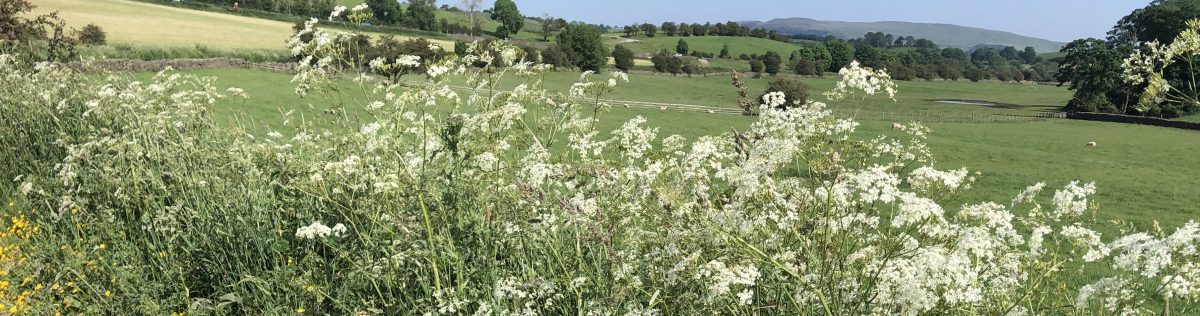
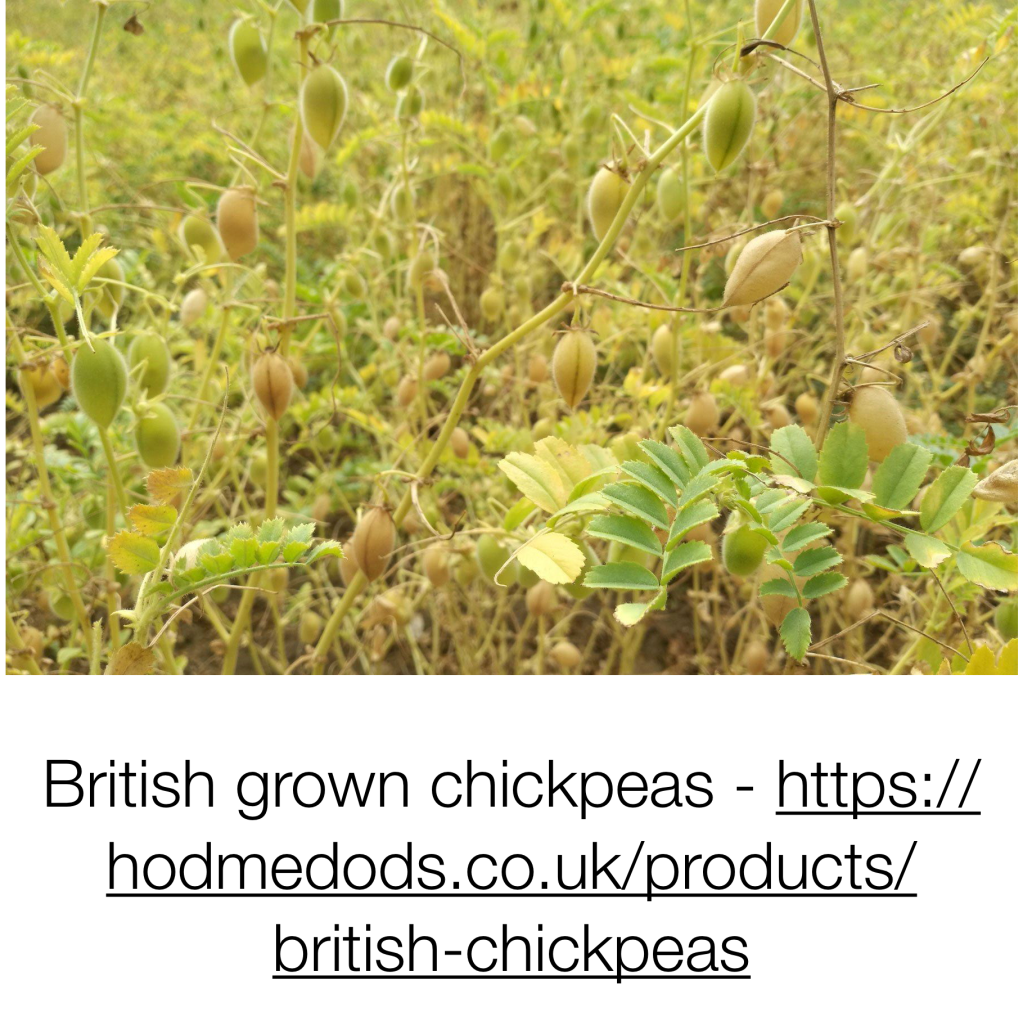
Government and the farming industry is part of a system that needs to change if we are to adapt to climate change and forestall a worsening of the current climate crisis. Nevertheless individuals can also be part of the process of change. We can buy less meat and dairy products and more – and more varied – plant based foods – ideally those that are locally grown and organic. We can support through donations and volunteering, habitat restoration and re-wilding schemes.
The WWF reports that “The UK Government has a black hole in its plan to cut GHG emissions from farming and to absorb more carbon in forests and peatlands…
Analysis of new numbers released in a Freedom of Information request (FOI) from WWF against current government policy suggests that only around 40% of the cuts that the Net Zero Strategy says are needed by 2030 from farming and land are being delivered. Current policies for cutting emissions from land are far from on track, with peatland restoration rates and tree-planting falling well short of targets.
This means the UK Government and devolved nations need to double the ambition of their plans for reducing emissions from UK land and farming if they are going to be on track for hitting climate targets in 2030 and beyond.”
Following on from yesterday, Greenpeace has set up a petition asking the Government to transforming food system to switch the emphasis from meat to plants.
Chemical residues from pesticides and herbicides can affect human health. When applying these chemicals it important to follow the appropriate protective protocols. Residues can contaminate fruit and vegetables and thus put those who handle and eat the food at risk. Glyphosate for example is now considered as carcinogenic and its use is currently being phased out in Luxemborg, Italy, Austria, the Czech Republic, the Netherlands, France and Germany. The EU (as opposed to individual countries) has, disappointingly, postponed its decision over whether to renew the licence for glyphosate from this December to 2023. Under post-Brexit government policy this could see the weedkiller approved for use in Britain until at least July 2026. https://www.fwi.co.uk/news/farm-policy/eu-delays-glyphosate-renewal-decision-until-2023
PAN (Pesticide Action Network) UK is calling for a rapid phase-out of glyphosate in agriculture and support to help farmers adopt safer approaches to managing weeds. We can add consumer-based weight by asking UK producers – eg producers of oil seed rape who routinely use glyphosate to kill the ripe plants as this makes harvesting easier – why they still use glyphosate.