Counting on … day 1.164

4th September 2023

1st September to 3rd October is creationtide – time to celebrate the awe and wonder of creation and to renew our commitment to care for all of creation. This year’s particular theme is justice. Determining what is fair and right can be a tricky balancing act between competing needs of plants and creatures and humans. Sustainable ecosystems perhaps best demonstrate what is possible – where species support each other, where what is input is generous, and where what is extracted is not detrimental to the whole. 

14th Sunday after Trinity, Proper 15

20th August 2023

Reflection (readings below)

Who will, or who is, God saving? That certainly seems to be the subject of today’s readings. Is just the Jew or the foreigner as well? Is it just those the Christians who believe in God as revealed by Jesus Christ, or is it the Jews too – who were the first to believe in God? Did Jesus come just to save those Jews described as the lost sheep of Israel, or those Gentiles who believe in his power to heal, too? And what of the Pharisees? Does their blindness, their failure to recognise Jesus for who he is, exclude them from being saved? Are they not also some of the lost sheep of Israel?

The passage from Isaiah suggests that salvation comes to those who ‘maintain justice and do what is right’, although the afterthought is that such salvation is for those foreigners who love God and live according to his covenant, his ways. God is God for all people, and there is a beautiful image of God gathering in all these people – a God with wide and open arms?

Paul, in his letter to the Romans, seems to be saying that in the past (pre Jesus) the Jews had been saved because of their relationship with God through the mosaic covenant but that now they are in an in between situation having not believed in Jesus, and yet have not been rejected by God. Indeed Paul is confident that this situation will be reversed such that both those who believe in Jesus now and those who do not as yet believe, will all be saved. All will be shown mercy – loving acceptance- by God.

Then in Matthew’s Gospel we hear of a discourse between Jesus and a Canaanite woman: who has Jesus come to save? Just those of the House of Israel, ie the Jews, or Gentiles too? Paying closer attention, is it any or all Jews Jesus has come to save, or just those who are lost? To be lost is not to know where one is or to know where one should be going. To be lost is to know one’s vulnerability and to know one’s need for someone to guide you. The Canaanite woman knows she is as is as lost as the lost of the house of Israel and she knows she needs help. And Jesus responds to that. 

That is how we are all saved: by realising and accepting our own helplessness and knowing that our way to healing, to salvation, is through following the guidance, the example, of Jesus. Jesus shows us how to live in harmony with God’s will and therefore in harmony with the rest of creation, in a life of justice and righteousness.

But what of animals and birds, fish and plants? Are they not equally part of God’s creation and worthy of being saved? Or is their salvation automatic rather than something to be sought? Or is their salvation tied to that of  we humans? Certainly it would seem that our human inability to live in harmony with each other and with the rest of creation, is the cause of much suffering – the depletion of the soils so that they cannot sustain plant life, the poisoning of the waters so that they cannot support life, the overloading of the atmosphere with greenhouse gases causing the planet to overheat, the expansion of human habitation (including industrial and agricultural land use) so that millions of species have become extinct. Yes, it would seem that the salvation of the whole of creation is linked to the salvation of humankind. We need all to realise and understanding our failure to do what is just and right, our fallenness – or lostness – that needs the wisdom of God to brings us back into the right way of living, back into harmony with God.

As today’s psalm says: “Let [God’s] ways be known upon earth, your saving health among all nations…[so that] the earth has brought forth her increase; may God, our own God, give us his blessing. May God give us his blessing, and may all the ends of the earth stand in awe of him.”

Isaiah 56:1,6-8

Thus says the Lord:
Maintain justice, and do what is right,

for soon my salvation will come,
and my deliverance be revealed.

And the foreigners who join themselves to the Lord,
to minister to him, to love the name of the Lord,
and to be his servants,

all who keep the sabbath, and do not profane it,
and hold fast my covenant–

these I will bring to my holy mountain,
and make them joyful in my house of prayer;

their burnt offerings and their sacrifices
will be accepted on my altar;

for my house shall be called a house of prayer
for all peoples.

Thus says the Lord God,
who gathers the outcasts of Israel,

I will gather others to them
besides those already gathered.

Psalm 67

1 May God be merciful to us and bless us, *
show us the light of his countenance and come to us.

2 Let your ways be known upon earth, *
your saving health among all nations.

3 Let the peoples praise you, O God; *
let all the peoples praise you.

4 Let the nations be glad and sing for joy, *
for you judge the peoples with equity
and guide all the nations upon earth.

5 Let the peoples praise you, O God; *
let all the peoples praise you.

6 The earth has brought forth her increase; *
may God, our own God, give us his blessing.

7 May God give us his blessing, *
and may all the ends of the earth stand in awe of him.

Romans 11:1-2a, 29-32

I ask, then, has God rejected his people? By no means! I myself am an Israelite, a descendant of Abraham, a member of the tribe of Benjamin. God has not rejected his people whom he foreknew.

For the gifts and the calling of God are irrevocable. Just as you were once disobedient to God but have now received mercy because of their disobedience, so they have now been disobedient in order that, by the mercy shown to you, they too may now receive mercy. For God has imprisoned all in disobedience so that he may be merciful to all.

Matthew 15: 21-28

Jesus left that place and went away to the district of Tyre and Sidon. Just then a Canaanite woman from that region came out and started shouting, “Have mercy on me, Lord, Son of David; my daughter is tormented by a demon.” But he did not answer her at all. And his disciples came and urged him, saying, “Send her away, for she keeps shouting after us.” He answered, “I was sent only to the lost sheep of the house of Israel.” But she came and knelt before him, saying, “Lord, help me.” He answered, “It is not fair to take the children’s food and throw it to the dogs.” She said, “Yes, Lord, yet even the dogs eat the crumbs that fall from their masters’ table.” Then Jesus answered her, “Woman, great is your faith! Let it be done for you as you wish.” And her daughter was healed instantly.

Feast of the Transfiguration

6th August 2023

Reflection (readings below)

Today’s readings all point to the awe and glory that surround God, and that attempt to describe what God is like. Descriptions that portray God as king or ruler, point to both the otherness of God and the power of God. Words such as judgement and dominion, justice and righteousness, point to the idea that there is a right way and a wrong way of living. But how do we know, how do we learn, which is which?

The gospel story has three characters standing on a mountain top. Mountain tops are traditionally places where God is encountered –  Noah and his ark on Mount Ararat, Moses on Mount Sinai, Elijah on Mount Horeb,  and Mount Zion where the temple was built. The mountain in today’s story isn’t named but is thought to be Mount Tabor. These three characters – Jesus, Moses and Elijah – represent three ways of receiving God’s wisdom, God’s guidance on the right or righteous – way to live. 

Moses represents the Law, the commandments received from God on Mount Sinai. These laws covered many aspects of daily life – what to do when a neighbour’s livestock escapes and damages your crops, safeguards for the wellbeing of live stock and of slaves, which foods you might safely eat, how to resolve disputes that involve physical injuries, safeguarding widows and orphans, the payment of tithes/ taxes  etc. These in their day were practical laws designed to ensure justice and harmony within communities. The Mosaic Law is not unique. The Sumerians had the Code of Ur-Nammu, and the Babylonians the Code of Hammurabi, both of which are similar in character to that of Moses. Written laws may not be perfect but they do establish the means for some form of justice, and justice is key to the righteousness that God desires. 

“And if we are careful to obey all this law before the LORD our God, as he has commanded us, that will be our righteousness.” Deuteronomy 6:25

Elijah represents prophesy – and as the Letter of Peter reminds us, prophets are moved to speak by the Holy Spirit. Prophets speak out loud the truths that God wants us all to hear. Sometimes we need to hear the truth about what we are doing that is wrong and destructive; sometimes we need to hear the truth that tells us how wonderful things could be if only we followed the ways of God. 

“The fortress will be abandoned, the noisy city deserted; citadel and watchtower will become a wasteland forever, the delight of donkeys, a pasture for flocks, till the Spirit is poured on us from on high, and the desert becomes a fertile field, and the fertile field seems like a forest. The Lord’s justice will dwell in the desert, his righteousness live in the fertile field. The fruit of that righteousness will be peace; its effect will be quietness and confidence forever. My people will live in peaceful dwelling places, in secure homes, in undisturbed places of rest.” Isaiah 32:14-18

And Jesus who is the living word of God! He not only speaks, but is the embodied presence of God. In his daily life, in his actions and activities, he lives life as God wills. He is the exemplar of how we should live, and by following in his footsteps, we walk in the ways of God.

“When Jesus spoke again to the people, he said, “I am the light of the world. Whoever follows me will never walk in darkness, but will have the light of life.” John 8:12  “Jesus said to him, “I am the way, and the truth, and the life. No one comes to the Father except through me.” John 14:6 “Take my yoke upon you and learn from me, for I am gentle and humble in heart, and you will find rest for your souls.” Matthew 11:29

Can we use these three sources – the law, the prophets and the living word – to understand God’s wisdom in addressing the current  climate and environmental crises?

“Do not seek revenge or bear a grudge against any of your people, but love your neighbour as yourself. I am the LORD.” Leviticus 19:18 This law clearly underscores everything we should be doing. It also should be a good test for the value or justice of the laws which currently influence climate change  policy and action for the wellbeing of the environment. As Christians we should ensure that those laws which protect the environment and tackle climate change are observed by both ourselves, those in business and by all those in authority. There are times when it is clear that this is not always the case.

As Christians we are also called to be prophetic, to speak truth to power. When we are conscious through the prompting of the Holy Spirit, that people are not caring for the world, for its environment, for its many diverse inhabitants, in the ways that God desires, we should speak out. Sometimes with words, sometimes with actions, sometimes with prayers – we can look to the actions of the prophets (often highly radical) for inspiration. 

And above all we as Christians are called to follow the example of Jesus – Jesus who was attentive to the needs of all he met, who sought to heal them and to reassure them of their value in God’s eyes. Jesus who wasn’t diverted from doing or saying the right things even when it was politically incorrect or was being criticised by the religious authorities. Jesus who shared his whole life with others that they might have life in its fullness. Jesus who helped people to realise that they were called to be God’s children, all equal in God’s eyes. Jesus who taught that forgiveness was God’s unceasing gift. 

We should bring all these traits, these examples to bear, when we consider each day how to safeguard the environment, how to tend and protect and love all of God’s creation.

“And what does the Lord require of you? To act justly and to love mercy. and to walk humbly with your God.” Micah 6:8

Daniel 7.9-10, 13-14

As I watched,
thrones were set in place,
    and an Ancient One took his throne;
his clothing was white as snow,
    and the hair of his head like pure wool;
his throne was fiery flames,
    and its wheels were burning fire.

A stream of fire issued
    and flowed out from his presence.
A thousand thousand served him,
    and ten thousand times ten thousand stood attending him.
The court sat in judgement,
    and the books were opened.

As I watched in the night visions,

I saw one like a human being
    coming with the clouds of heaven.
And he came to the Ancient One
    and was presented before him.

To him was given dominion
    and glory and kingship,
that all peoples, nations, and languages
    should serve him.
His dominion is an everlasting dominion
    that shall not pass away,
and his kingship is one
    that shall never be destroyed.

Psalm 99

1 The Lord is King;
let the people tremble; *
he is enthroned upon the cherubim;
let the earth shake.

2 The Lord is great in Zion; *
he is high above all peoples.

3 Let them confess his Name, which is great and awesome; *
he is the Holy One.

4 “O mighty King, lover of justice,
you have established equity; *
you have executed justice and righteousness in Jacob.”

5 Proclaim the greatness of the Lord our God
and fall down before his footstool; *
he is the Holy One.

6 Moses and Aaron among his priests,
and Samuel among those who call upon his Name, *
they called upon the Lord, and he answered them.

7 He spoke to them out of the pillar of cloud; *
they kept his testimonies and the decree that he gave them.

8 O Lord our God, you answered them indeed; *
you were a God who forgave them,
yet punished them for their evil deeds.

9 Proclaim the greatness of the Lord our God
and worship him upon his holy hill; *
for the Lord our God is the Holy One.

2 Peter 1:13-21

I think it right, as long as I am in this body, to refresh your memory, since I know that my death will come soon, as indeed our Lord Jesus Christ has made clear to me. And I will make every effort so that after my departure you may be able at any time to recall these things.

For we did not follow cleverly devised myths when we made known to you the power and coming of our Lord Jesus Christ, but we had been eyewitnesses of his majesty. For he received honour and glory from God the Father when that voice was conveyed to him by the Majestic Glory, saying, “This is my Son, my Beloved, with whom I am well pleased.” We ourselves heard this voice come from heaven, while we were with him on the holy mountain.

So we have the prophetic message more fully confirmed. You will do well to be attentive to this as to a lamp shining in a dark place, until the day dawns and the morning star rises in your hearts. First of all you must understand this, that no prophecy of scripture is a matter of one’s own interpretation, because no prophecy ever came by human will, but men and women moved by the Holy Spirit spoke from God.

Luke 9:28-36

Jesus took with him Peter and John and James, and went up on the mountain to pray. And while he was praying, the appearance of his face changed, and his clothes became dazzling white. Suddenly they saw two men, Moses and Elijah, talking to him. They appeared in glory and were speaking of his departure, which he was about to accomplish at Jerusalem. Now Peter and his companions were weighed down with sleep; but since they had stayed awake, they saw his glory and the two men who stood with him. Just as they were leaving him, Peter said to Jesus, “Master, it is good for us to be here; let us make three dwellings, one for you, one for Moses, and one for Elijah” —not knowing what he said. While he was saying this, a cloud came and overshadowed them; and they were terrified as they entered the cloud. Then from the cloud came a voice that said, “This is my Son, my Chosen; listen to him!” When the voice had spoken, Jesus was found alone. And they kept silent and in those days told no one any of the things they had seen.

Counting on …. Day 1.141

5th August 2023

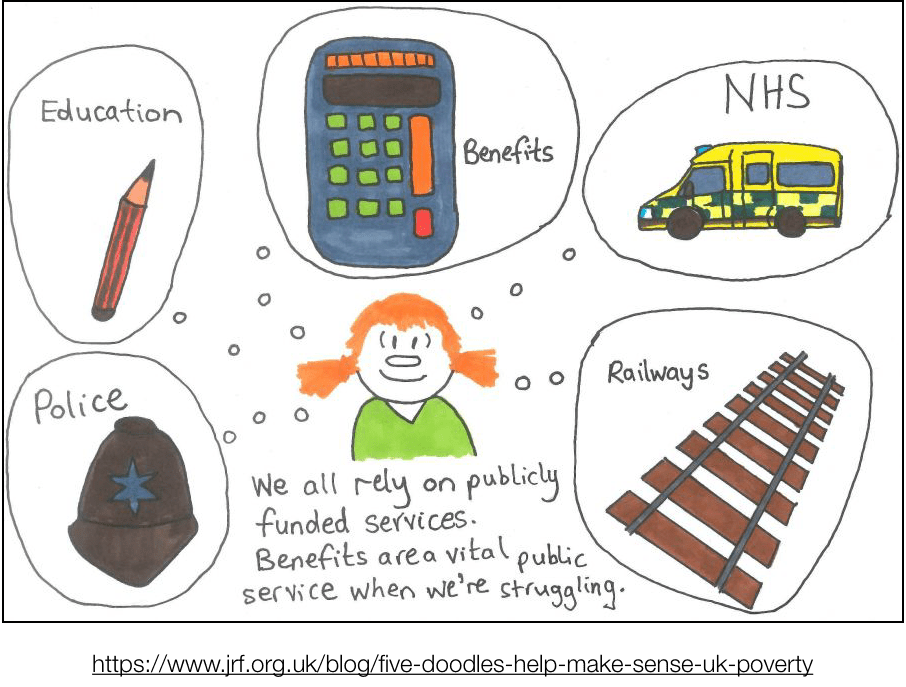
A lack of a level playing field can mean that the poorest face the highest costs. A recent Green Christian talk, “ Looking ahead to winter – making sure nobody is left behind”, highlighted that for the poorest fuel costs are likely to be highest. Those with money can afford to insulate their homes, install a heat pump and smart heating controls, all reducing the amount of energy needed  – and therefore cost – of keeping warm. Equally those who are poorest tend not to own but to rent their home and any improvements in energy efficiency, insulation and even repairs (to prevent leaks or damp etc), can only happen with the willing input of the landlord. 

To watch Dr Mike Pepler’s talk visit https://youtu.be/7b1KS4pazw4

Proper 5 (1st Sunday after Trinity)

11th June 2023

Reflection (readings are below)

God tells Abraham that though him all nations will be blessed. What an amazing prophecy! And would it not be wonderful if through human actions and behaviour – through living righteously – all nations were be blessed? Is this what God is saying? If all Abraham’s descendants are equally righteous in their way of life, then truly all nations will be blessed – and to enact that prophesy we too need to live lives of righteousness!

Psalm 33 highlights for us some of the features of righteousness – ie rejoicing, honouring God,  seeking justice, and regarding God’s creation with awe and wonder. 

Can you legislate for righteousness? Laws can be useful for defining right and wrong, for setting limits – but laws can be inflexible and constraining, and they can be manipulated or misused. Currently there are a number of climate activists who have been found guilty of breaking the law not because their actions were felt to be disproportionate to the dangers they were protesting about, but because their motivation was not discussed. The judge had ruled that they would not be allowed to speak about the climate crisis even though that was the reason that they had undertaken the protest. The defendants were in effect prohibited from speaking the ‘whole truth’.  The jury were not allowed to hear the full facts of case nor were they allowed to determine whether or not the defendants’ actions were justifiable. 

Righteousness is a different kettle of fish. Righteousness – what is right and good – is responsive to the circumstances, is flexible and adaptive, is un-constrained, is life enhancing.

Today’s gospel tells of Jesus calling Matthew to ‘follow me!’. Perhaps initially it was a literal call – follow me to the place where we are going to dine  together. Ultimately it was a call to be righteous, a call to follow the lifestyle, the example, of Jesus. 

Jesus demonstrated in his life his willingness to be disruptive of social norms and traditional expectations. He would eat with sinners, with outcasts, with those who were disrespected, because God’s love is for everyone and  therefore God’s call is that we love everyone. If the social norm is not loving, is not caring of others, then disruptive action is the right response.

We are called by God to follow Jesus, to love our neighbour – whoever or whatever they are – without compromise. And if that means disrupting social niceties,  then that is what we are called to do. It is by being righteous, rather than simply law abiding, that we will be a blessing for all nations.

Genesis 12:1-9

Now the Lord said to Abram, “Go from your country and your kindred and your father’s house to the land that I will show you. I will make of you a great nation, and I will bless you, and make your name great, so that you will be a blessing. I will bless those who bless you, and the one who curses you I will curse; and in you all the families of the earth shall be blessed.”

So Abram went, as the Lord had told him; and Lot went with him. Abram was seventy-five years old when he departed from Haran. Abram took his wife Sarai and his brother’s son Lot, and all the possessions that they had gathered, and the persons whom they had acquired in Haran; and they set forth to go to the land of Canaan. When they had come to the land of Canaan, Abram passed through the land to the place at Shechem, to the oak of Moreh. At that time the Canaanites were in the land. Then the Lord appeared to Abram, and said, “To your offspring I will give this land.” So he built there an altar to the Lord, who had appeared to him. From there he moved on to the hill country on the east of Bethel, and pitched his tent, with Bethel on the west and Ai on the east; and there he built an altar to the Lord and invoked the name of the Lord. And Abram journeyed on by stages toward the Negeb.

Psalm 33:1-12

1 Rejoice in the Lord, you righteous; *
it is good for the just to sing praises.

2 Praise the Lord with the harp; *
play to him upon the psaltery and lyre.

3 Sing for him a new song; *
sound a fanfare with all your skill upon the trumpet.

4 For the word of the Lord is right, *
and all his works are sure.

5 He loves righteousness and justice; *
the loving-kindness of the Lord fills the whole earth.

6 By the word of the Lord were the heavens made, *
by the breath of his mouth all the heavenly hosts.

7 He gathers up the waters of the ocean as in a water-skin *
and stores up the depths of the sea.

8 Let all the earth fear the Lord; *
let all who dwell in the world stand in awe of him.

9 For he spoke, and it came to pass; *
he commanded, and it stood fast.

10 The Lord brings the will of the nations to naught; *
he thwarts the designs of the peoples.

11 But the Lord’s will stands fast for ever, *
and the designs of his heart from age to age.

12 Happy is the nation whose God is the Lord! *
happy the people he has chosen to be his own!

Romans 4:13-25

The promise that he would inherit the world did not come to Abraham or to his descendants through the law but through the righteousness of faith. If it is the adherents of the law who are to be the heirs, faith is null and the promise is void. For the law brings wrath; but where there is no law, neither is there violation.

For this reason it depends on faith, in order that the promise may rest on grace and be guaranteed to all his descendants, not only to the adherents of the law but also to those who share the faith of Abraham (for he is the father of all of us, as it is written, “I have made you the father of many nations”) —in the presence of the God in whom he believed, who gives life to the dead and calls into existence the things that do not exist. Hoping against hope, he believed that he would become “the father of many nations,” according to what was said, “So numerous shall your descendants be.” He did not weaken in faith when he considered his own body, which was already as good as dead (for he was about a hundred years old), or when he considered the barrenness of Sarah’s womb. No distrust made him waver concerning the promise of God, but he grew strong in his faith as he gave glory to God, being fully convinced that God was able to do what he had promised. Therefore his faith “was reckoned to him as righteousness.” Now the words, “it was reckoned to him,” were written not for his sake alone, but for ours also. It will be reckoned to us who believe in him who raised Jesus our Lord from the dead, who was handed over to death for our trespasses and was raised for our justification.

Matthew 9:9-13, 18-26

As Jesus was walking along, he saw a man called Matthew sitting at the tax booth; and he said to him, “Follow me.”

And he got up and followed him. And as he sat at dinner in the house, many tax collectors and sinners came and were sitting with him and his disciples. When the Pharisees saw this, they said to his disciples, “Why does your teacher eat with tax collectors and sinners?” But when he heard this, he said, “Those who are well have no need of a physician, but those who are sick. Go and learn what this means, ‘I desire mercy, not sacrifice.’ For I have come to call not the righteous but sinners.”

While he was saying these things to them, suddenly a leader of the synagogue came in and knelt before him, saying, “My daughter has just died; but come and lay your hand on her, and she will live.” And Jesus got up and followed him, with his disciples. Then suddenly a woman who had been suffering from haemorrhages for twelve years came up behind him and touched the fringe of his cloak, for she said to herself, “If I only touch his cloak, I will be made well.” Jesus turned, and seeing her he said, “Take heart, daughter; your faith has made you well.” And instantly the woman was made well. When Jesus came to the leader’s house and saw the flute players and the crowd making a commotion, he said, “Go away; for the girl is not dead but sleeping.” And they laughed at him. But when the crowd had been put outside, he went in and took her by the hand, and the girl got up. And the report of this spread throughout that district.

Counting on … day 1.109

3rd May 2023

Misinformation and disinformation about the climate crisis are compounded, I believe, when activists are not allowed in court cases to talk about the crisis to explain why they felt compelled to take disruptive action. People do not generally choose to sit in the middle of a busy road just for fun. Surely for justice to properly served, the courts need to understand why people took such action, and if it transpires that there was an overriding reason for the action, to alert the authorities accordingly. 

Greta Thunberg famously countered that if your house is on fire, you would be justified in breaking the windows. 

We are now in the situation where activists are facing increasingly long prison sentences because they  are trying to draw attention to the overwhelming severity of the climate crisis and the pitifully inadequate response of the government.

On 21st April 2023, Morgan Trowland and Marcus were sent to prison for periods of 3 years and 2 years, 7 months respectively for climbing on a road bridge and hanging up a banner to demand an end to the British Government’s licensing of new oil and gas projects. These new projects are known to be inconsistent with international climate obligations, and unless opposed, will accelerate mass loss of life and displacement of people, in Britain and around the world. 

Action network has a petition calling on the UN   Special Rapporteur on human rights and climate change  to intervene to dissuade the uk government from treating climate activists in this repressive manner. 

Counting on …day 1.093

6th April 2023

Calls for churches and other institutions, to divest from fossil fuel are  inspired not just by the dangers of the climate crisis, but also by adverse affects on vulnerable people arising from inequalities and a lack of justice and local  accountability. 

“Rt Revd Ernesto Manuel, Anglican Bishop of Nampula in Northern Mozambique, said: ‘Fossil fuel investments increase climate change and impacts on those most vulnerable, and also destabilise communities. We have seen how over 700,000 people in Northern Mozambique have been displaced – many fleeing for their lives in terror from insurgents. Dozens have been beheaded, even children as young as 12. This violence only occurs in the areas where gas prospecting is taking place. Locals are not consulted and nor do they benefit, only suffering the impacts of rising prices, pollution and loss of land. We plead with the international community – take your money out of fossil fuels and invest in renewable energy which is decentralised, benefits local people and does not contribute to climate change.’” https://brightnow.org.uk/news/global-faith-institutions-divest-g7-cop26/

Counting on …. Day 1.092

5th April 2023

Ethical Consumer is investigating the labour rights of those employed in supermarket supply chains. 

“Eight out of nine basic workers’ rights are being routinely violated in UK supermarket supply chains in Spain, our new report reveals. All major UK supermarkets are likely to source large amounts of fruit and vegetables from the Spanish regions of Huelva and Almeria, where workers’ rights abuses are widespread. Workers have been refused legal wages, sexually assaulted and harassed, fired for trying to join unions, made to work in unsafe conditions, had passports confiscated so they can’t leave, and been penalised for taking toilet breaks. Most workers are migrants.

UN special rapporteur on extreme poverty and human rights, Olivier de Schutter, describes working conditions in the region as “horrific” and “inhumane”. He says, “I urge supermarkets to end their complicity in this abuse and address the issue head-on, using this report as their guide.””

If you would like to follow their campaign with a bi-monthly email, here is a sign up link

Palm Sunday – 6th Sunday of Lent

2nd April 2023

Reflection on the readings for the Liturgy of the Palms.

Something is up. Something out of the ordinary is going to happen. There has been a level of advance  

planning that’s been done in secret. There’s even a password. 

And the plan is to enact a message that says: the rider of the donkey is your King, your humble King!  The mode of entry tells the onlookers, this is a peaceful act; not an act of aggression.

The Greek word translated as ‘humble’ can also have the meaning of mild, gentle or meek. The same word appears in the  Beatitudes – ‘Blessed are the meek, for they will inherit the earth.’ If we look to the original source of the quote, it comes from the prophet Zechariah where the word in Hebrew, ‘a-ni’ has the wider meaning of poor, afflicted or lowly, and is the word used for example in Leviticus 19:10 and Deuteronomy 15:11, to describe those for whom the Israelites must care: the poor and needy. 

The kingship that Jesus espouses is definitely counter cultural. His kingship is about humility, meekness, and solidarity with the poor and needy. Jesus’s attitude to power is to turn it upside down, placing the poor and needy, the meek and humble at the top of the hierarchy. The quote from Zechariah is longer, ‘Rejoice greatly, O daughter Zion! Shout aloud, O daughter Jerusalem! Lo, your king comes to you; triumphant and victorious is he, humble and riding on a donkey, on a colt, the foal of a donkey.’ Despite being humble, this king is also to be seen as triumphant and victorious! 

The crowd also seems to be part of this action. They quickly cut down branches from the trees and spread their coats on the road as an improvised red carpet. They are setting the scene that supports visually their rallying cry: Here comes your King, your humble King! 

By taking up this cry, the people are affirming their allegiance to this King – and they are undertaking to live under his reign, to live according to his rule.

The gospel story has a prequel in which John the Baptist first emerges on the scene, declaring ‘Repent, for the kingdom of heaven has come near.’ This is the one of whom the prophet Isaiah spoke when he said,‘The voice of one crying out in the wilderness: “Prepare the way of the Lord, make his paths straight.”’ (Matthew 3:1-3). 

Prepare the way for the Lord,  says John, and here a few years later we have the Lord riding along that very way into Jerusalem for what will be the culmination of his earthly ministry.  In Luke’s gospel John the Baptist goes on to give specific examples how the people (the crowd) are to prepare the way. They are to share their extra clothes and their extra food with those who lack. They are to collect no more taxes – or rewards – than are their due. They are not to extort money nor to make false accusations against others. They are to be generous sharing up to half of what they have; they  are to be truthful and honest. At this first stage of the mission, coats are to be shared – on Palm Sunday they are to be laid on the road before the Lord!

The gospel is about transforming the world, turning its habits and its conventions upside down. It is about rebalancing power between those who have lots of resources and those who have little. It is about rebalancing power between those whose jobs and positions – tax gatherer and soldiers, for us oil magnates and lobbyists – come loaded with power and influence, and those how do not – small scale tax payers, peasant farmers, women, the poor, the disabled, the foreigner. For when the meek inherit the earth, when the needs of the poor and lowly are met – when creation is treasured and not trashed – then will the Kingdom of God come on earth. 

I see strong parallels between Jesus’s action in entering Jerusalem on a donkey, and actions carried out by climate activists – such as that on Ash Wednesday when coal dust was used to mark the sign of the cross on the foreheads those taking part who then cried out aloud a lament as they held lumps of coal aloft.  These actions are prophetic actions designed to draw the onlookers’ – and the media, and  the gospel writers’ – attention to the message. The world order needs to be turned upside down so that the interests of the poor and the needy take priority – so that the often unvoiced needs of nature take priority,  so that power and authority are put in the hands of the many, the community, and are not kept in the hands of the wealthy few.

The action carried out by Jesus and the crowds is successful. It sets the whole city into a state of turmoil and flux, and the opinion that Jesus is a prophet is voiced loud and clear. Read on in this chapter from Matthew’s gospel and and you will see and hear more Jesus’s challenging good news message. 

Psalm 118 echoes Jesus’s entry into Jerusalem, into the temple. The one who enters these gates has to be righteous. Is Jesus righteous? Yes! The one who becomes the corner stone, will be the one who has been previously rejected. Had Jesus been rejected? Yes – by those with misused power and authority! Has Jesus been marginalised and overlooked by the mainstream protagonists of the world? Yes – it is the humble, the poor and the meek who have recognised his true righteousness. Is Jesus the means of salvation? Yes!  Is Jesus a source of light, of blessing for the world? Yes! 

Let us then echo the crowds, shouting Hosannah! God, save us! Jesus is our blessing!

Matthew 21:1-11

When Jesus and his disciples had come near Jerusalem and had reached Bethphage, at the Mount of Olives, Jesus sent two disciples, saying to them, “Go into the village ahead of you, and immediately you will find a donkey tied, and a colt with her; untie them and bring them to me. If anyone says anything to you, just say this, `The Lord needs them.’ And he will send them immediately.” This took place to fulfil what had been spoken through the prophet, saying,

“Tell the daughter of Zion,
Look, your king is coming to you,
humble, and mounted on a donkey,
and on a colt, the foal of a donkey.”

The disciples went and did as Jesus had directed them; they brought the donkey and the colt, and put their cloaks on them, and he sat on them. A very large crowd spread their cloaks on the road, and others cut branches from the trees and spread them on the road. The crowds that went ahead of him and that followed were shouting,

“Hosanna to the Son of David!
Blessed is the one who comes in the name of the Lord!
Hosanna in the highest heaven!”

When he entered Jerusalem, the whole city was in turmoil, asking, “Who is this?” The crowds were saying, “This is the prophet Jesus from Nazareth in Galilee.”

Psalm 118:1-2, 19-29

1 Give thanks to the Lord, for he is good; *
his mercy endures for ever.

2 Let Israel now proclaim, *
“His mercy endures for ever.”

19 Open for me the gates of righteousness; *
I will enter them;
I will offer thanks to the Lord.

20 “This is the gate of the Lord; *
he who is righteous may enter.”

21 I will give thanks to you, for you answered me *
and have become my salvation.

22 The same stone which the builders rejected *
has become the chief cornerstone.

23 This is the Lord’s doing, *
and it is marvellous in our eyes.

24 On this day the Lord has acted; *
we will rejoice and be glad in it.

25 Hosannah, Lord, hosannah! *
Lord, send us now success.

26 Blessed is he who comes in the name of the Lord; *
we bless you from the house of the Lord.

27 God is the Lord; he has shined upon us; *
form a procession with branches up to the horns of the altar.

28 “You are my God, and I will thank you; *
you are my God, and I will exalt you.”

29 Give thanks to the Lord, for he is good; *
his mercy endures for ever.

Food insecurity & what we can do

28th March 2023

1. Ensuring people have a sufficient income to buy the food they need.


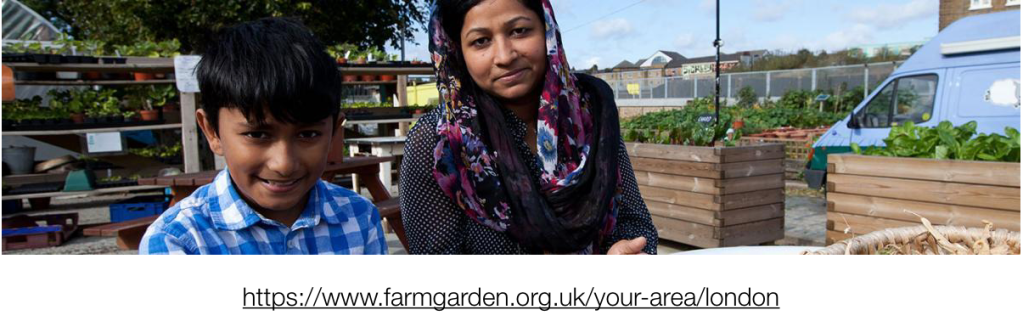
1b.. Growing our own food and enabling others to do likewise.


2. Taking action to limit keep rising global temperatures below 1.5C – curbing climate change will improve the chances of better harvests.


3.  Paying  a fair price for the food we eat. You might buy direct from a farm or a group of  farms, or via a local vegetable box scheme. You might support a local farmers’ market. You might buy from a local independent green grocer. Similarly you might buy milk etc from a milk round where the price reflects the cost to the farmer. For cheeses, look to buy from small scale producers via a local cheese shop. And again buying fair trade options for imported foods can help ensure a fair price for the producer. Alternatively look out for products – coffee beans and chocolate in particularly – that have been  sourced directly from the grower. These  are often available through local independent shops and cafés.

Another option would be to subscribe to the OddBox fruit and veg scheme which buys food stuffs that would otherwise go to waste because they are misshapen, because the supermarket doesn’t want the crop, or because the crop has been too large or too small for the supermarket buyer –  https://www.oddbox.co.uk/ 

4. Buying from local producers and local retailers helps to improve local supply chains. 

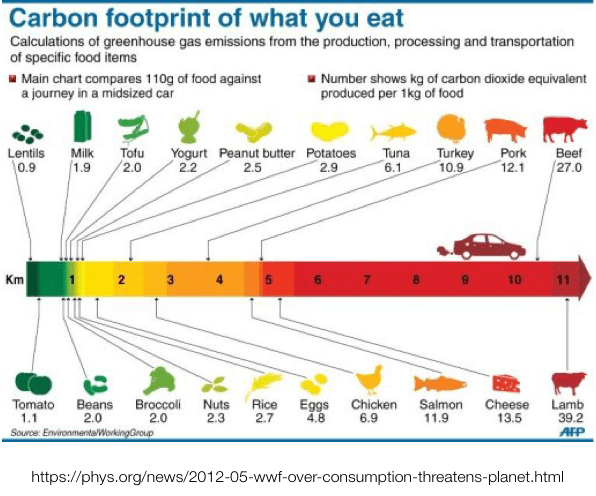
5. Again the best approach to improving global food security and ensuring there is enough food for everyone is to reduce – or cut out completely – animal products.

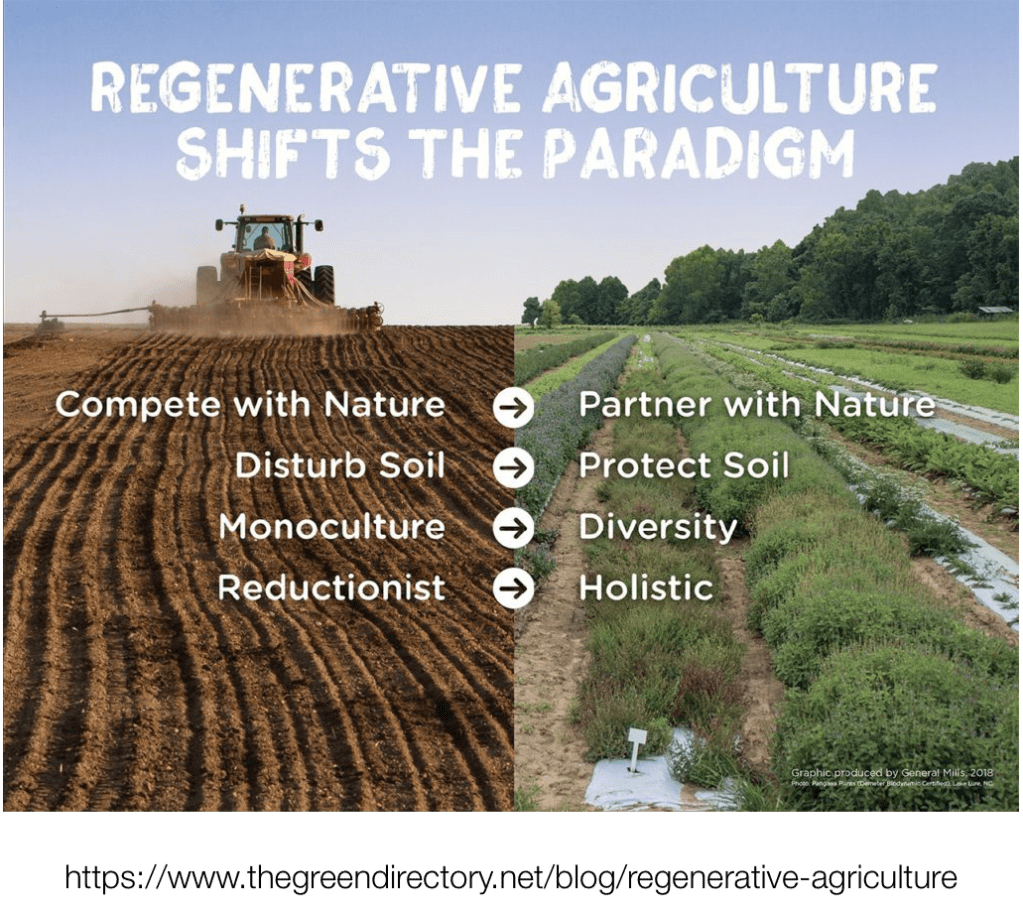
6. To support and encourage the maintenance of healthy soil, you might choose to buy organic produce (https://www.soilassociation.org/ ), or source items produced using  regenerative farming practices (https://regenerativefoodandfarming.co.uk/)

7. To improve the  security of our food supplies  through diversity, expand the range of foods you eat. Try different sorts and fruit and vegetables, different types of grain – emmer, einkorn, spelt, black barley  – and different sorts of nuts, spices etc. This can also improve your health – it is recommended that our diets should include 30 or more different types of fruit, vegetables, nuts, grains etc per week. See for example https://www.theguthealthdoctor.com/how-to-get-your-gut-loving-30-plant-points-a-week and https://www.theguardian.com/lifeandstyle/2022/may/15/go-with-your-gut-tim-spector-power-of-microbiome?CMP=Share_iOSApp_Other

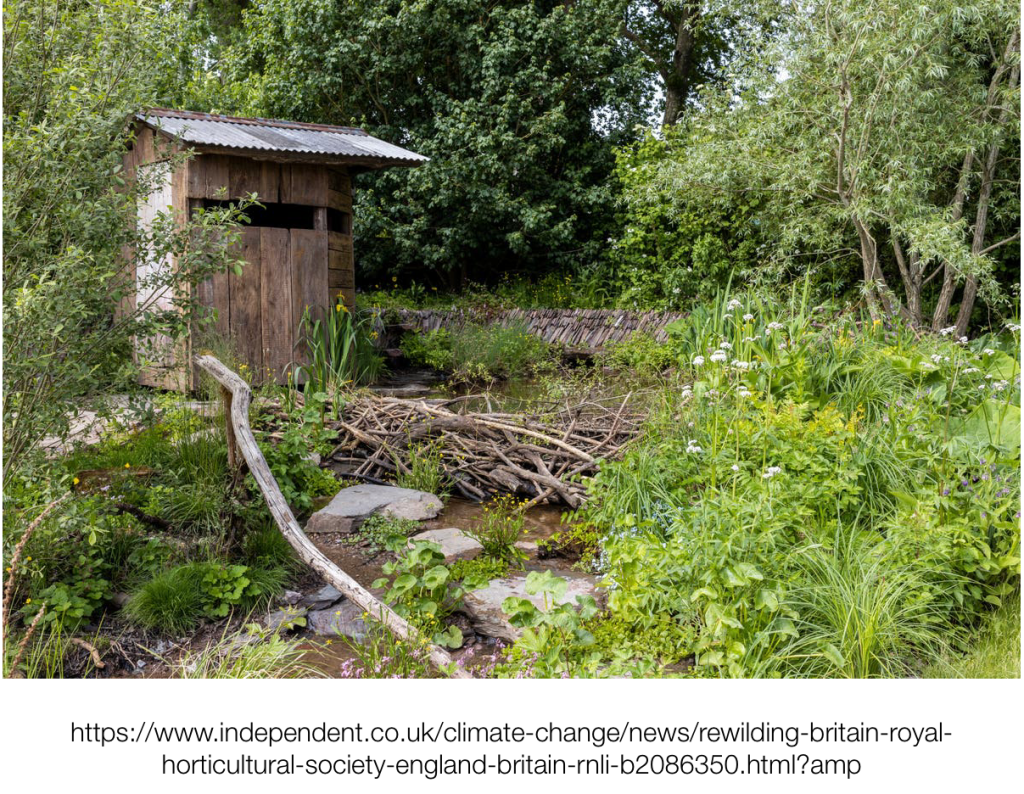
Improving biodiversity as a whole is a good preventative against diseases that could ravaged farm production. You might therefore choose to grow more wild/ native plants in your garden, or choose plants that support and encourage biodiversity in terms of birds, insects, butterflies, and bats etc. many web sites have suggestions about improving the biodiversity of your garden including those of the RSPB and the Natural History Museum. You might want to support charities and organisations that encourage biodiversity and even extend that to the re-wilding of land, both in the UK – eg https://www.rewildingbritain.org.uk/explore-rewilding/what-is-rewilding – and overseas – https://www.cleanupthetropicaltimbertrade.org/about ,   https://wwf.panda.org/discover/our_focus/forests_practice/importance_forests/tropical_rainforest/ ,   http://savetheorangutan.org.uk/