17th November 2026
What should we eat?
The chapter we’ve all been waiting for! ‘What does a planet and human-friendly diet look like?’ (P 236 Eat the planet well)
To provide an overview Goulson combines scores measuring carbon emissions , land use, water use, and eutrophication (the accumulation of pesticides and other chemicals in water supplies).
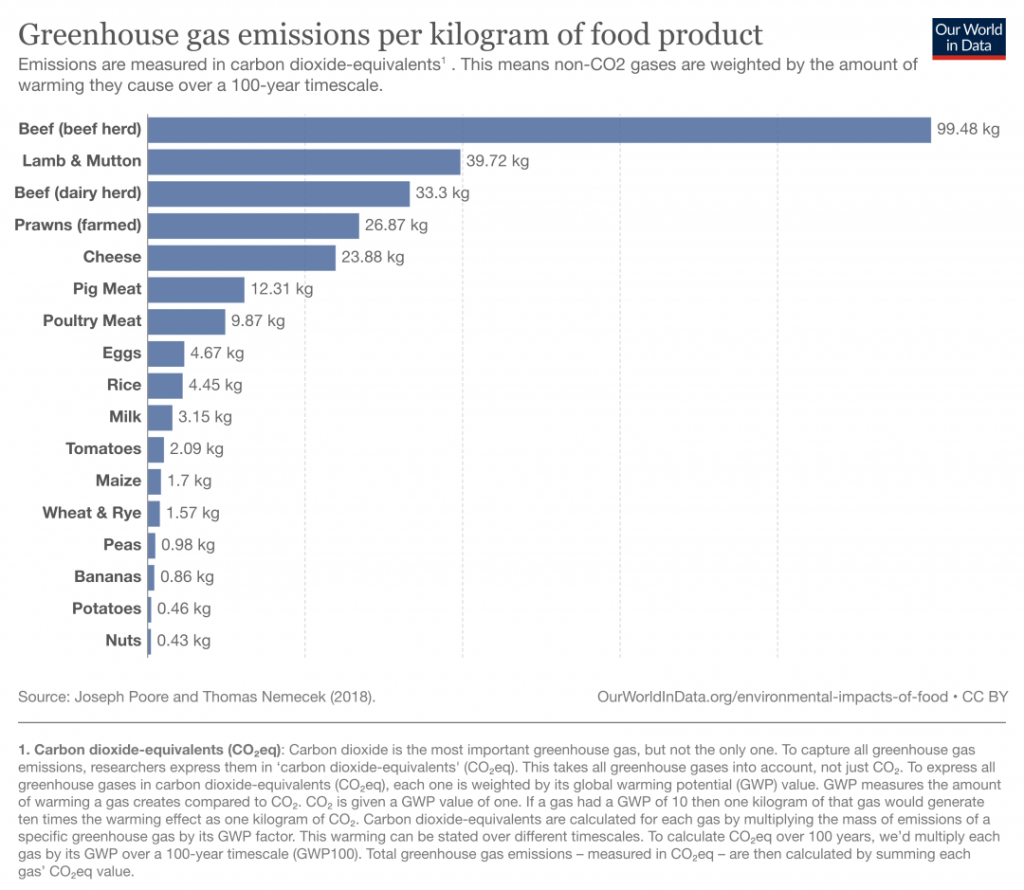
NB the diagram in Goulson’s book is more detailed with a wider range of food stuffs.
Bear in mind that this chart records environmental costs per kilogram. While you might eat 200g of steak at a meal, you would only likely eat 50g of nuts.
Goulson notes, “There is no escaping the fact that beef, lamb and cheese have the biggest overall environmental footprint …[but] on a more positive note ….Almost all vegetables and fruits and relatively benign, along with wine, tofu and plant based milks.” (P 236)
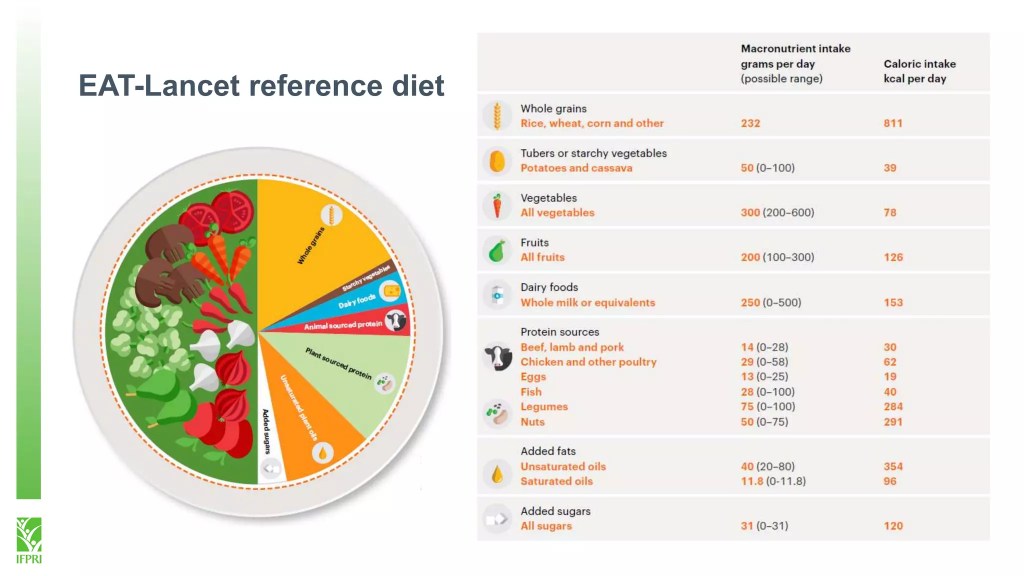
He commends the Eat Lancet report which advocates for Planetary Health Diet which specifies recommended amounts of meat, dairy, carbohydrates and plants for the optimal healthy diet – including 300g vegetables and 200g fruit per day. What makes the diet particularly interesting is that if followed globally, we could provide a healthy diet for a global population of 10 billion! (P 240)
Re pesticides, Goulson recommends choosing organic options if they are available / affordable, especially when buying for children. He points out that for bulk foods such as rice, pasta, bread and oats, the mark up for organic is not as great as on other items (p 251) He then includes a comprehensive table that lists numerous food items, the average number of pesticides that may be present and the percentage where samples contain chemical above recommended levels.
The following is a good place to conclude: “A key weakness of the modern Western diet is our heavy reliance on a handful of crops (mostly grains from grasses) to provide us with the bulk of our food. We now know that consuming a diversity of foodstuffs, particularly a diverse range of plant-based foods, is key to maintaining a healthy gut microbiome and in promoting our overall wellbeing.” (P 257)
Do read the whole book for a lot more information on how to eat well for us and the planet. Why not ask for it in your local library?


