Counting on …. Day 83 

3rd February 2022

The WWT in partnership with the National Garden Scheme is encouraging people to create a pond – even a small one – in their garden to encourage wildlife and help replace some of the 50% of ponds lost during the 20th century. Gardens are an important part of the green environment. 

https://www.wwt.org.uk/news-and-stories/news/new-partnership-to-champion-garden-wetlands

How to make a mini pond – https://www.wildlifetrusts.org/actions/how-create-mini-pond

Counting on …day 82

2nd February 2022

Investing in natural solutions to tackle climate change. Today is International Wetlands Day and the “WWT is  launching a major new public campaign Wetlands Can! urging people to get behind our call for the creation of 100,000 hectares of healthy wetlands in the UK to help combat the climate, nature and wellbeing crisis. The public can do this by signing a pledge to press the UK government to prioritise and invest in more wetlands.”

https://www.wwt.org.uk/wetlands-can

Counting on …day 81

31st January 2022

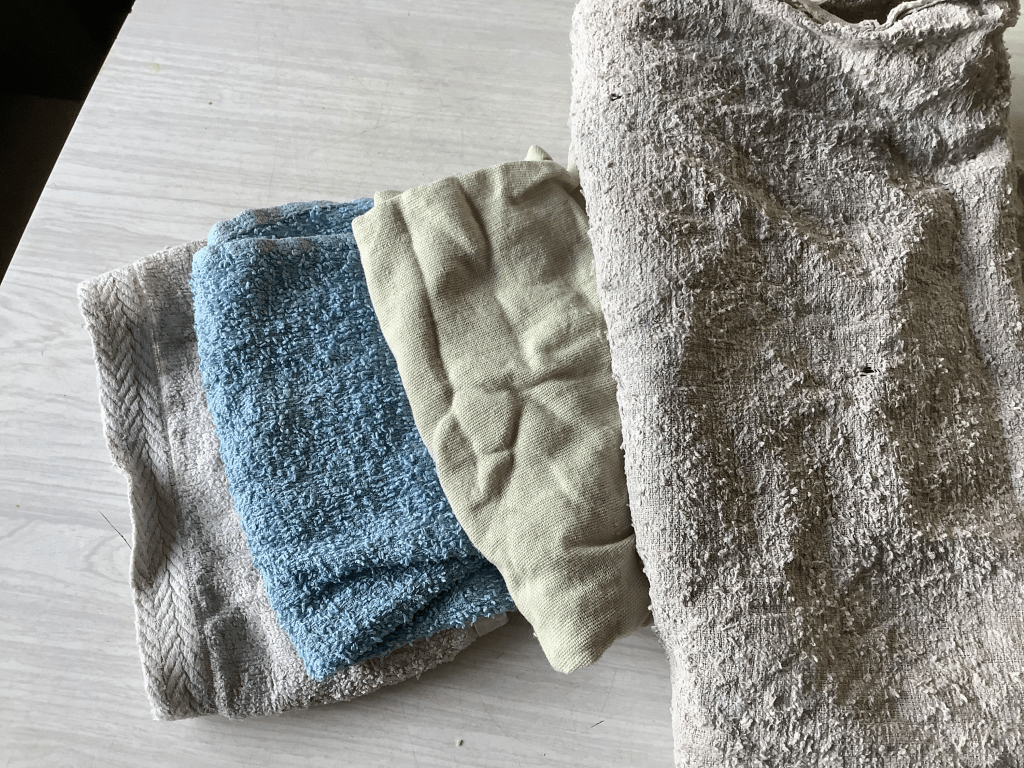
When my clothes wear out – beyond repair – I bag them up and take them, labelled as rags for recycling, to the local charity shop. I then try and buy clothes made from recycled materials to square the circle/ close the loop. This is harder than you would think! 

One company that does take back its own clothes so that they can be both recycled and reused, is Rapanui. (NB the recycling of the old clothes and the manufacture of new ones takes place in India).

“The fashion industry is a linear model where resources are taken and turned into waste. Lowering impact or buying less slows fast fashion down but it doesn’t change the outcome. We are fundamentally different because circular design is applied at every stage. Unlike recycled clothing, which only works to slow down the process, a circular economy is designed for products to be returned and remade again and again. Meaning they will never go to waste. Get your year off to the best start by helping us in sending back your old Rapa products. We make new products from the material we recover, and the cycle itself is renewable. With your help, we can work towards ending waste for good.”

 Counting on …day 79

 29th January 2022

We can improve the sustainability of the clothes we wear by considering on how and when we wash them. Washing clothes uses significant amounts of water and energy. Often we throw clothes in the washing basket without considering whether they actually need washing. (There are some things like pants and socks that we might want to wash daily, but they are the exception).  After one of two wears a shirt or jumper may not be dirty!  Wooden jumpers do better if they are aired rather than repeatedly washed. If we only wash items when they are dirty , we will run the washing less often saving water and energy.  We will save even more energy if it means using a tumble dryer less. If you can, air drying whether inside or outside, is preferable to using a tumble dryer.

 Counting on …day 80 

30th January 2022

Upcycling is a popular way of extending the life of the clothes we wear. Trousers worn at the knees can become a pair of shorts. Flared trousers can be tapered, or straight trousers can acquire a flair. A plain T shirt can be embroidered with a pattern or a message. Skirts can be shortened – or lengthened  if you add new material below the hem line. Dresses or trousers  can become skirts. Sometimes it may involve downgrading – the pair of jeans that has patches on the knees and patches on the buttock area is likely to become useful gardening gear!  

 Counting on …. Day 78

28th January 2022

Mending and repairing items to extend their life applies to clothes too. Catching up a hem that has come unstitched, sewing a button back on, re stitching a gap/e in a seam, replacing a zip or patching a hole are straight forward repairs. Slightly more tricky but not impossible, you can turn cuffs and collars inside out when they being to wear. 

Practical if not a glamorous repair

There are plenty of web sites that will show you how to make repairs if you are not sure – and give you new ideas too. https://sewguide.com/clothing-repair-mending-tears/

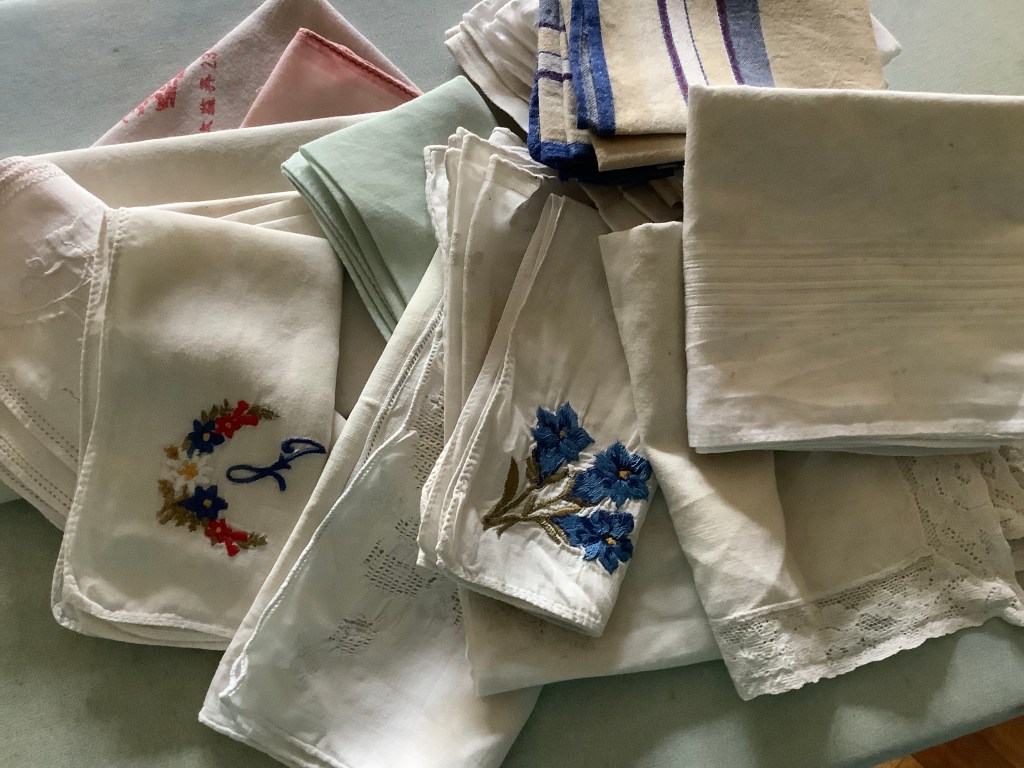
See also repairing sheets https://greentau.org/2021/09/20/count-down-58/

And  darning https://greentau.org/2021/09/03/count-down-41/

Counting on …day 77 

27th  January 2022 

I am a small part of a local sewing group  – The Scrubbery – making NHS scrubs. Recently an engineer visited the central hub so that people could bring in their sewing machines for a service/ overhaul. Serving and maintaining equipment that we use is an important way of extending the life of such items  – a good way of maintaining a more sustainable lifestyle. 

Counting on … day 76

26th January 2022

Buying and eating local foods means different things depending what you are consuming.  Local honey in East Sheen can mean honey that comes from hives in Richmond Park. Local greens and salads can mean picked fresh from your garden, allotment or even window sill. Local vegetables might be those grown in Surrey, Sussex or Kent. One day local fish might mean eels or salmon from the  Thames! 

What about the main stay of a plant based diet, beans and pulses? Visits to the supermarket might make you think they in’s grow in China. In fact a great variety of beans and pulses are grown here in the UK – green lentils, chick peas, Carlin peas, fave beans, blue, green and yellow peas, and even Black Badger peas. Hodmedod specialises in sourcing and selling UK grown produce especially peas, beans and lentils, but also chia seed, quinoa, and seaweed. Buying local is easier than you might think.

https://hodmedods.co.uk/

 Counting on …day 73

25th January 2022

Burns Night is a time for poetry, haggis and whisky. Whisky production uses lots of energy in the distilling process much of which comes from fossil fuels. The Scotch Whisky Association is leading an industry wide campaign to address this – although their net zero target of 2040 is not inspirational. https://www.scotch-whisky.org.uk/insights/sustainability/

That said two distilleries have or are about to become net zero companies: Mc’Nean and Bruchladdich. The more consumers seek out net zero companies, the more companies will follow this trend. 

And for a vegan haggis see https://greentau.org/2021/11/30/counting-on-day-17/