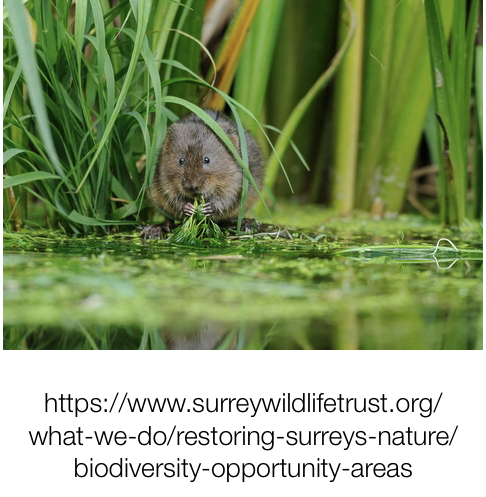
Last year I recommended taking time for a walk and paying attention to what’s around. This year as last year there is a flourishing crop of parasol mushrooms in Richmond Park. And yesterday as I watched a pink sunrise, to my delight I spotted a bat flitting by in the half light.
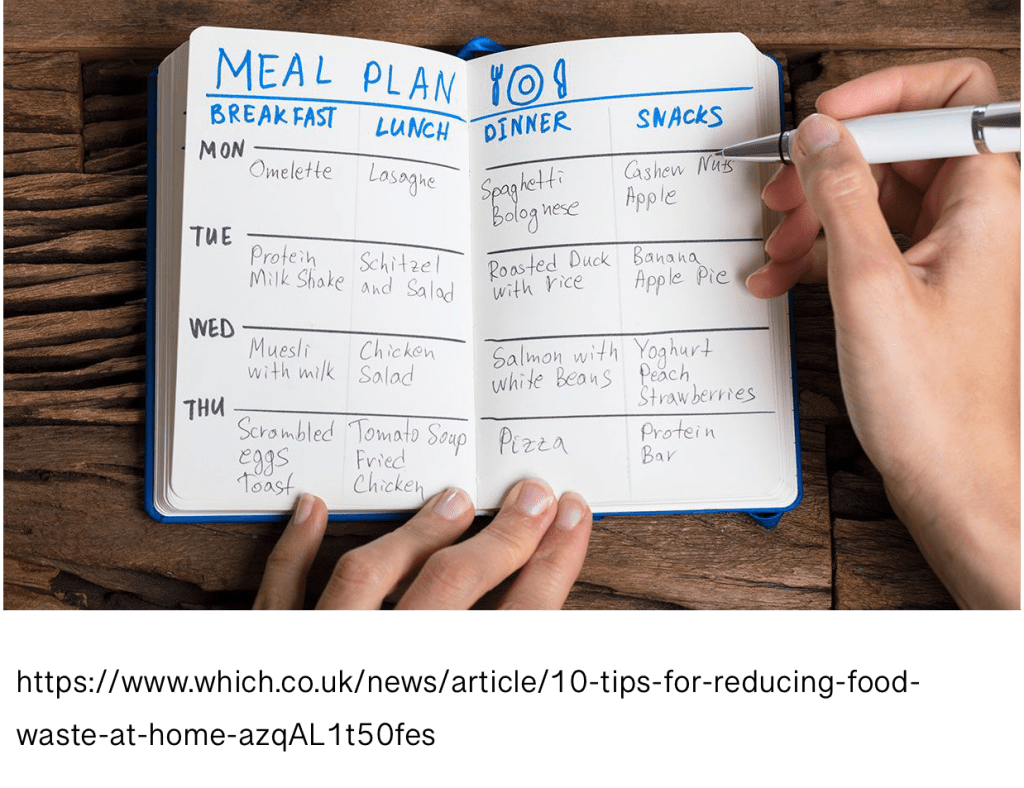
Can you challenge yourself to a plant-based November? With squashes and pumpkins and mushrooms and brassicas very much in season, lots of delicate and hearty meals await you. Try out a whole range of different plant-based proteins – fava beans, pinto beans, cannelloni beans, Puy lentils, Carlin peas, blue peas, black badger peas, tofu, walnuts, almonds …. I am sure you can have a different one each day!
The reading from Daniel reminds us that dreams and visions can both disturb and console us. They may show us how the future could look but always with the proviso that the future is not set in stone. Disasters may loom but the future is not irretrievable. Hope is always valid. Today much of our news portrays a vision of a future full of fear and want, increasing threats of war and of economic oppression, of climate change and the extinction of vast tracks of wildlife species. We seem to have few visions of a better future to inspire us.
Today’s psalm begins with rejoicing and praise – words that exude hope and optimism. But then the mood changes to one of vengeance violence and not something I feel comfortable with. Yet the end objective is to establish peace and justice.
The theme of hope runs through the passage from the letter to the Ephesians. Our hope comes from Christ Jesus – it is our inheritance and with it we have been sealed with the Holy Spirit. It is an inheritance we share with all the saints being all those who are God’s holy people. God’s power works through Jesus Christ and thus through that fellowship – the body of Christ – the church. It is this power working out through the saints that changes the world for the better, that establishes heaven – the rule of God – on earth.
The Beatitudes from Luke’s gospel illustrates the radical, upside-down nature of God’s kingdom. We the followers of Jesus, the saints past and present, are called to live out this radically lifestyle and thus continue to establish the Kingdom of God.
This week the State of the Climate Action 2022 reported that “Limiting global warming to 1.5°C requires transforming almost all systems, from how we power our economy and build our cities to how we feed a growing population and manage our land. But these transformations are not occurring nearly fast enough. This report assesses progress across 40 indicators of systems change and finds that none are on track to reach their 2030 targets. Change is heading in the right direction at a promising but insufficient speed for 6 indicators, and in the right direction but well below the required pace for 21. Change in another 5 indicators is heading in the wrong direction entirely, and data are insufficient to evaluate the remaining 8.
Getting on track to achieve 2030 targets will require an enormous acceleration in effort.”
We are at a critical point. Emissions currently are set to rise 10.6% by 2030 (from 2010 levels); to keep to the desired minimum 1.5c rise in temperatures, emissions need to drop 45% by 2030. Yet in this time period an estimated $570 billion annually will be spent on new oil and gas development and exploration. If invested in wind and solar energy, those investments would bridge the $450bn annual funding gap to displace oil and gas production in line with 1.5C goal! (Climate Change News).
In other words we do have the means to turn this situation round – but it will need radical changes in investment, legislation, lifestyle and practices. If these changes are not made, the climate crisis will accelerate exponentially causing distress and destruction to lives across the world.
Can we, as Christians, as would-be followers of the way of life laid down in the Beatitudes, radically change our lives? Do we have a clear vision of the how the world could and should be? Can we acknowledge the scope of our riches and be generous to the point of becoming poor? Can we act to bring an end to hunger? To bring an end to food poverty, fuel poverty, hygiene poverty, health poverty, education poverty, and housing insecurity? Can we work to ensure all can share in the joy and laughter of life? Can we challenge those in authority, in government and business, to do what is needed? Can we sign petitions, write to business leaders, contact our MP, take to the streets?
Can we, empowered by the Holy Spirit and filled with hope, make a difference?
Daniel 7:1-3,15-18
In the first year of King Belshazzar of Babylon, Daniel had a dream and visions of his head as he lay in bed. Then he wrote down the dream: I, Daniel, saw in my vision by night the four winds of heaven stirring up the great sea, and four great beasts came up out of the sea, different from one another.
As for me, Daniel, my spirit was troubled within me, and the visions of my head terrified me. I approached one of the attendants to ask him the truth concerning all this. So he said that he would disclose to me the interpretation of the matter: “As for these four great beasts, four kings shall arise out of the earth. But the holy ones of the Most High shall receive the kingdom and possess the kingdom for ever—for ever and ever.”
Psalm 149
1 Hallelujah! Sing to the Lord a new song; * sing his praise in the congregation of the faithful.
2 Let Israel rejoice in his Maker; * let the children of Zion be joyful in their King.
3 Let them praise his Name in the dance; * let them sing praise to him with timbrel and harp.
4 For the Lord takes pleasure in his people * and adorns the poor with victory.
5 Let the faithful rejoice in triumph; * let them be joyful on their beds.
6 Let the praises of God be in their throat * and a two-edged sword in their hand;
7 To wreak vengeance on the nations * and punishment on the peoples;
8 To bind their kings in chains * and their nobles with links of iron;
9 To inflict on them the judgment decreed; * this is glory for all his faithful people. Hallelujah!
Ephesians 1:11-23
In Christ we have also obtained an inheritance, having been destined according to the purpose of him who accomplishes all things according to his counsel and will, so that we, who were the first to set our hope on Christ, might live for the praise of his glory. In him you also, when you had heard the word of truth, the gospel of your salvation, and had believed in him, were marked with the seal of the promised Holy Spirit; this is the pledge of our inheritance toward redemption as God’s own people, to the praise of his glory.
I have heard of your faith in the Lord Jesus and your love toward all the saints, and for this reason I do not cease to give thanks for you as I remember you in my prayers. I pray that the God of our Lord Jesus Christ, the Father of glory, may give you a spirit of wisdom and revelation as you come to know him, so that, with the eyes of your heart enlightened, you may know what is the hope to which he has called you, what are the riches of his glorious inheritance among the saints, and what is the immeasurable greatness of his power for us who believe, according to the working of his great power. God put this power to work in Christ when he raised him from the dead and seated him at his right hand in the heavenly places, far above all rule and authority and power and dominion, and above every name that is named, not only in this age but also in the age to come. And he has put all things under his feet and has made him the head over all things for the church, which is his body, the fullness of him who fills all in all.
Luke 6:20-31
Jesus looked up at his disciples and said:
“Blessed are you who are poor, for yours is the kingdom of God.
“Blessed are you who are hungry now, for you will be filled.
“Blessed are you who weep now, for you will laugh.
“Blessed are you when people hate you, and when they exclude you, revile you, and defame you on account of the Son of Man. Rejoice in that day and leap for joy, for surely your reward is great in heaven; for that is what their ancestors did to the prophets.”
“But woe to you who are rich, for you have received your consolation.
“Woe to you who are full now, for you will be hungry.
“Woe to you who are laughing now, for you will mourn and weep.
“Woe to you when all speak well of you, for that is what their ancestors did to the false prophets.
“But I say to you that listen, Love your enemies, do good to those who hate you, bless those who curse you, pray for those who abuse you. If anyone strikes you on the cheek, offer the other also; and from anyone who takes away your coat do not withhold even your shirt. Give to everyone who begs from you; and if anyone takes away your goods, do not ask for them again. Do to others as you would have them do to you.
In 1979 St Francis was declared the patron saint of ecology reflecting his deep sense of the connectedness of all aspects of creation and in which all creation lives to praise God. Francis undertook very radical changes in his lifestyle in order that he could be true to his understanding of God, and yet – or because of this – he was also full of joy.
A week to go until the start of the COP27 conference on climate change. We shall be expecting a lot from world leaders: radical plans, actions and financial input. We too need to be part of the solution. What radical action could you take to make your life style more sustainable?
I recently mended the vacuum cleaner – where the hose connects into the body, the plastic collar had broken – and the charging cable for the iPad – which was showing signs of cracking – using Sugru. This malleable silicone substance can be moulded to the required shape or location and then left to harden binding to the substrate. So far it seems to have been effective! I have previously used it to mend the clay birdbath which had cracked in half.
Repairing anything that can be repaired is always a good option as it prolongs its useful life.
Earth Overshoot Day – the day when we have used up a year’s supply of the earth resources – occurred this year on 28th July. The date has been occurring earlier and earlier each year since 1970 (apart from 2020 when the covid lockdown caused a measurable reduction in consumption). Each year we are consuming more than can be restored by the earth, meaning that many natural resources are being depleted such as the fertility of soils- without that fertility crop yields will fall – or the land area covered by trees – essential for moderating the climate – or fish in the oceans – with a knock on effect on both biodiversity and on the ability of the oceans to absorb carbon dioxide.
If human life is to continue, we need to adjust our lives so that what we consume is sustainable – and that almost certainly means for most of us in the western world, consuming less.
What might that look like?
Food
Our diets will need to change replacing most of our meat and dairy consumption with plant based foods. 77% of the world’s agricultural land is used to raise livestock (including the land need to grow their feed crops). Yet this 77% of land only provides 18% of the world’s calories. In many cases this livestock farming involves deforestation, artificial irrigation and large inputs of chemical fertilisers as the natural fertility of the soil is depleted. Pollution from both animal sewage and fertilisers damages water supplies and reduces natural biodiversity. Clearly this is not a sustainable way of using the earth’s resources.
The change in our diets will change both the food we cook at home, the ready meals we buy in the supermarket and the food we buy in cafés and restaurants. The food will still be varied and delicious using a huge diversity of fruits and vegetables, nuts and legumes and grains. At present we eat only a limited range of vegetables – typically peas and carrots. What about cardoon, salsify and winter radish? How often do we eat red kiwi, quince or wineberries? How often do we cook with buckwheat, teff or red millet?
Eating a greater variety of plants is good for our health. It is also good for food security – the greater the variety of plants we grow, the less vulnerable our food supplies are to pests, viruses or adverse weather. Currently about 15 crops provide 90% of the global plant based food intake.
But what would the impacts of these changes be on employment and incomes? Will a shift from livestock to arable farming lead to a smaller agricultural workforce? Or can we use the change to develop new employment opportunities? For example where a hedge can quickly be cut with a mechanical cutter, could we see people being trained in hedge laying skills which develops a stronger hedge capable of supporting greater biodiversity? Rather than importing cheap seasonal labour to harvest crops, could we see more full time jobs with living wages – even if that led to an increase in prices? Arguably the price we pay at present is an unfair and unreasonable price as it does not cover a living wage for those who produce it.
On the other hand there will equally be a shift from cereal crops (much of which is grown to feed livestock) to fruit and vegetable production – and the latter is more labour intensive. Again the same question about paying a fair wage is important. Sustainability is also about the wellbeing of people.
New farming priorities would also include re-wilding some of the land to increase biodiversity, limit the risk of flooding, absorb carbon dioxide and improve air quality, and create more green spaces where people can relax and improve their health.
Clothes and furnishings
At present a single pair of jeans uses 3,781 litres of water to make and has a carbon footprint of 33.4 kg. This includes growing the cotton, producing and dying the cotton fabric and the manufacturing. The average European buys 26 kg and disposes 11 kg of clothing away every year. Every year a half a million tons of plastic microfibres from synthetic clothes end up in the oceans.
In an alternative future we will be buying a small number of well made items of clothing that we will wear for many years, carrying out repairs as necessary. Clothes will be past on as children grow. Fashion will be considered not transient or disposable. ‘New’ clothes may well be second hand and many fabrics will be made from recycled fibres. The same will be true of furniture and furnishings. In the US alone, 12 million tonnes of furniture are discarded every year. Discarding furniture adds to the quantity not just of wood that goes to waste but also of fabrics, stuffing and metal work.
We will buy good quality pieces of furniture that we genuinely like and want to keep for life. The same will be so in commercial settings – no more discarding of office desks and chairs just to furnish a new look! Much will be second hand for many pieces of furniture easily outlive their owners. There will be more skilled repairers and restorers of furniture. Similarly with furnishings. Simply discarding one set of soft furnishings for another to create a new look will be a thing of the past. Rather there will be swop shops where things can be exchanged and re-sold.
If we buy fewer items of clothing and furnishings, will this impact adversely on jobs and pay? Will it have a disproportionate affect on people in other parts of the world from where we have often imported cheaply made fabric as we as finished items? Would we be willing and – if we are buying less – able to pay more for better made, longer lasting items? We could see a growth in employment for people skilled at repairing and altering clothes and furnishings.
Would these changes impact on employment in the countries where cotton is grown? Would we be prepared to pay more for better managed cotton growing where farming practices conserve the fertility of the soil and water levels in rivers and lakes? Might we see a switch to the growing of less environmentally demanding crops such as flax and hemp? Both these use much less water, fertilisers and pesticides than cotton.
In terms of furniture, better made, longer lasting items are going to be more costly that those quickly made from cheaper less durable materials. The former will involve the input of a more skilled and higher paid workforce but again if we are buying less we will be able to pay more. And if we are buying something that will last and whose company we will enjoy for any years, we may choose individually designed items of furniture that will encourage the growth of even more highly skilled people. At the same time we may choose to be more selective about the types of wood that are used encouraging the cultivation of a diversity of trees. Rather than just pine furniture, we may seek furniture made from walnut or maple wood, elm or alder. We may seek furniture made from locally grown timber.
As with clothing, so with furniture we could envisage a growing number of businesses offering repair and restoration services.
Transport – daily and intermittent
Even if all car were powered by electricity, the world cannot sustain the present level of car consumption. Car tyres generate significant quantities of micro particulates that contribute to air pollution, the volume of cars leads to congestion and gridlock, and the manufacture of cars and their batteries is costly in use of energy and raw materials. For most people daily transport will involve walking, cycling or public transports – but this will be in the context of good infrastructure. There will be wide and shady footpaths, a network of cycle routes and places to park, and an interconnected well timetabled public transport system integrating bus, train and tram. We will all have weatherproof outdoor clothes that will be long lasting and repairable.
Urban planning will ensure local and well – serviced neighbourhoods after the manner of the 15 minute city. Rural areas will be enriched with local shops rather than out of town supermarkets, medical centre, schools, day centre etc. Where populations are scarce there will be hail and ride bus transport to connect people and neighbourhoods.
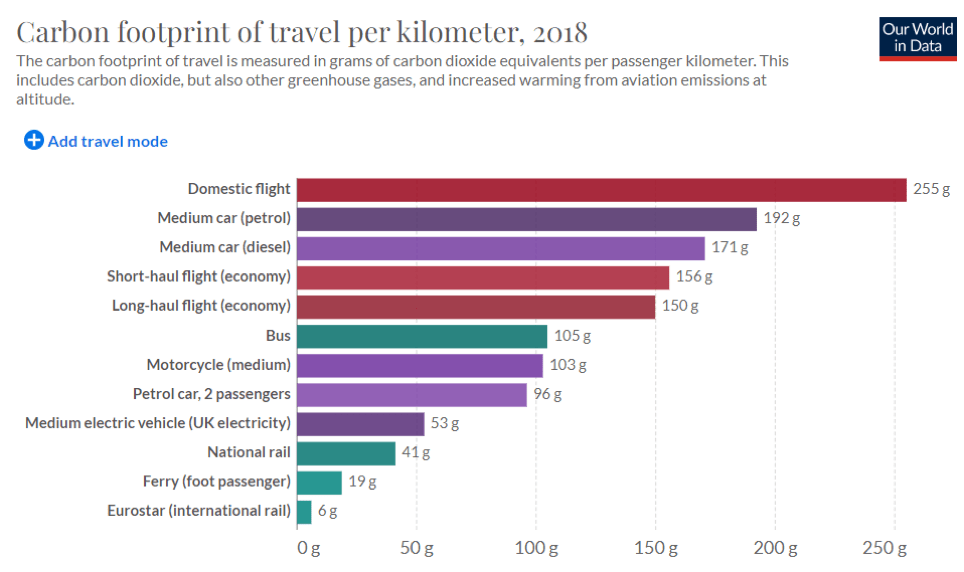
Longer distance intermittent travel such as for business meetings, visiting relatives, going on holidays will primarily be by train with sleeper services on the long routes. Air travel will be minimal because of its huge carbon footprint.
Less cars will mean less jobs in the car manufacturing industry and less jobs in garages, car washes and service stations etc. Equally it could also mean less jobs making steel and plastic etc used in making cars. On the other hand there would be more jobs in public transport, and in cycle manufacture and maintenance. There would also be a cost saving for the health service – in 2015 the health benefits of cycling were assessed as in excess of £1 billion.
If a change in transports systems produced more local businesses that too would produced higher employment, higher job satisfaction and a higher degree of levelling up between areas.
Electronic devises and white goods
Again the focus of design will be products built to last, easily repaired and/ or upgraded as necessary. Items as disposable fashion statements will be a thing of the past. Currently the the average life span of a mobile phone is about 2.5 years. An LED television has an average life span of 6-7 years but a well made model could in theory have a life of 30+ years. As with so many items bought nowadays, replacement may arise not because of the item has worn out but because tastes have changed or a smarter technology is available.
A washing machine may have a life span of only 6 years at the cheaper end of the market but up to 20+ at the high end of the market. Kettles have an even shorter life span of about 4 years and they along with irons and vacuum cleaners are the electrical items most frequently thrown away.
On average each person in the UK throws away 24kg of electrical goods every year. This is an unnecessary waste of energy and resources. Un -recycled household electrical items cost the UK over £370m a year in lost materials like gold, copper, aluminium and steel.
In a sustainable future all such goods will be designed to have long lives, be easily repairable, be economical in their use of energy and – where appropriate – water, and easily recycled. We, as customers, will buy to keep or, if what we need will only be in the short term, rent, share or borrow. There is already a growing number of Library of Things as well as web sites such as ‘Nextdoor’ that enable borrowing between neighbours.
Energy
Renewable energy is more sustainable than that derived from fossil fuels and causes less damage to the environment. It is also cheaper – the price of onshore wind and solar PV-generated power costing $0.05/kWh and fossil fuel-fired power generation costing between $0.05/kWh and $0.18/kWh (2020 data). However we live in an economic system which was built around fossil fuels with large vested interests held by a small number of powerful businesses. Most of our homes are fitted out with gas boilers, our transport system is designed around petrol cars, and our investment markets apparently dependent on fossil fuel dividends. Making the necessary shift to a renewable energy economy is proving hard.
In a sustainable future, energy will come from multiple renewable sources with many communities having their own power plant. Both these features will ensure better energy security. At the same time energy consuming processes – whether that is cooking a meal or smelting steel – will be more energy efficient. Likewise buildings will be well insulated against extremes of temperature and this requiring a lower energy input.
Logically jobs in the oil industry should stopped for jobs in renewables – and already skills used in building and maintaining North Sea oil rigs are being used in creating offshore wind farms. Similarly businesses that install and service gas and oil fired boilers should be switching to installing and servicing heat pumps and solar installations, and in insulating buildings – and not just homes, but schools, offices, commercial units etc.
A future in which we consume less doesn’t preclude us from doing more of those things which have no material cost – listening to someone singing or telling a story, walking in a nearby park, taking a nap, playing hide and seek, visiting a neighbour, weeding a flowerbed, watching the birds, growing and eating homegrown fruit and vegetables. Consuming less may involve us in spending less – although individual items may cost more or rather may bear a more realistic cost – and thereby allowing us to work fewer hours and have more time for leisure or volunteering and doing those things that matter most to us. A sustainable future really could be a far better future for everyone!
Professor Kate Fletcher of the Centre for Sustainable Fashion, London College of Fashion recommends caution when clothing companies claim green credentials for their garments. “The most powerful thing we can do “ she told Positive News, “is not to run out to the shops, but just to really want what we’ve already got..”
This sentiment applies not just to clothes but all the things we surround ourselves with.
Liz Truss was dead set against solar farms but it is not a sentiment shared by those who farm the land. Mark Tufnell, the president of the Country Land and Business Association told The Gaurdian: “We have members who say these are temporary sites if needs be, they are then able to concentrate on growing more food on their other land. The solar would be on their less good land, and … if that is what they so choose to do, why shouldn’t they be allowed to do it?” He added that the land was not lost to agriculture as the sties were easy to remove, and the area could be grazed with sheep. “There is no reason as to why the area underneath it couldn’t be grazed with sheep, but it could also provide very good habitat for farmland birds and increase biodiversity so help the environment.”