Green Tau: flooding in the Thames basin

Flooding in the Thames is a threat that comes from both upstream and downstream

12th January 2022 

World wide action to avert the worst effects of the climate crisis are aiming to keep global temperature rises to 1.5C. Whilst that is the target spoken about by governments and businesses, Climate Action Tracker, analysing actual actions being taken, predict that we are on track for a global temperature rise of 2.7C (https://www.bbc.co.uk/news/science-environment-59220687). This level of temperature rise will lead to a faster melting of ice caps and glaciers, causing sea levels to rise  and more extremes bouts of weather, increasing the severity and frequency of floods.

Here in south east England sea levels are projected to rise by approximately 1.4m  – a little under a meter if the  temperature rise is brought below 1.5C (https://www.metoffice.gov.uk/research/news/2019/uk-sea-level-projections-to-2300). The Met office also predicts that 1 in 10,000-year flood events are likely to occur more than once a year by 2300. 

The Thames is tidal all the way up to Teddington Lock. At present the Thames Barrier is raised when ever there is a high tide that threatens to flood London. High tides are caused not just by the movement of the moon, nor by rising global sea levels. They are are also affected by weather systems. For example the height of a tide coming in from the North Sea can be increased by an on shore wind or by  a low pressure system over the sea. Rising global temperatures that are causing rising sea levels and more frequent and intense weather systems means that the time will come when  the Barrier will no longer be able to hold back an incoming high tide. The Corporation of  London is considering plans to tackle this, including increasing the height of the Barrier and raising the height of the walls that bound the Thames – eg  along The Embankment – by a further meter. There is debate as to whether this should be with glass so as not to obstruct the view of or from the river. 

When the Barrier is raised to slow an incoming high tide, the water that is held back has to go somewhere – that is somewhere in the Thames estuary downstream of the Barrier. There is a flood storage area at Tilbury and on both sides of the Estuary there are area of marshland and farmland where flood waters can flow. These are in between  other at risk built-up areas which have their own flood defences. Such provision will need to be reviewed as tide levels rise.

The Thames Barrier is also closed when there is a risk of flooding upstream. The Thames has a large  drainage basin that extends all the way up into Oxfordshire and the Cotswolds. Heavy and/ or persistent rain anywhere in the area can raise river levels  such that places such as Windsor, Thames Ditton, Richmond, Hammersmith risk being flooded. In such circumstances the Barrier can be raised at low tide, to prevent sea waters entering the lower part of the Thames so creating a reservoir where high volumes of water from upstream and be stored until the risk of flooding is lowered. The protection offered by this scheme is not going to be sufficient to cope with predicted rises in water levels due to the climate crisis.

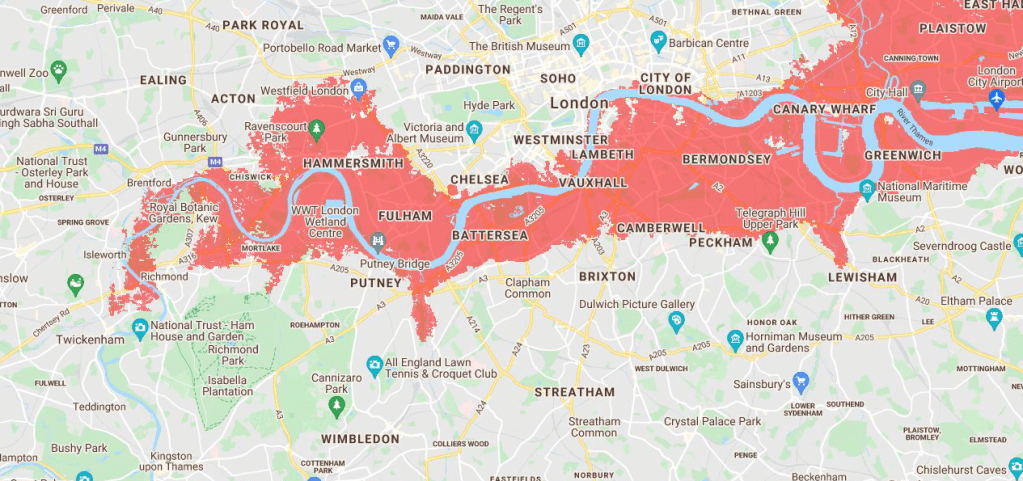
The following map shows areas of London that will lie below the anticipated annual flood level based on the IPCC’s climate change forecasts. (https://sealevel.climatecentral.org/maps/


Boroughs along the Thames, such as Richmond, are having to develop plans to both limit or avert factors that contribute towards the risk of flooding and to constrain the adverse effects such flooding will cause. In part they will be dependant upon actions take by other people and organisations further upstream. For example, if further a.one the Thames, houses are built on the flood plain, then water that might otherwise be held or absorbed by that flood plain, will instead flow on down stream exacerbating the problem in Richmond. Similarly if surfaces that are currently – eg covered with grass and other vegetation – are replaced by hard surfacing such as tarmac, then again more water will flow more rapidly off the land and into the river. In a similar way areas of woodland are cleared, then less water will held in the land and instead will add to the volume in the river. Conversely recreating water meadows to allow flood waters to accumulate safely up stream, replacing hard surfaces with soft one, and planting trees, can all help reduce the volume and speed with which water drains off the land and into the river. In the Old Deer Park there are plans for the ‘re-wilding ’ of the land allowing formation of seasonal ponds/ lagoons and the growth of water-loving plants that increase the water absorbing capacity of the land. You can read more about this here – http://thames-landscape-strategy.org.uk/what-we-do/rewilding-arcadia/

Green Tau: LOAF

Caring for creation with every meal – Use your LOAF!

What we eat impacts the world around us – the welfare of animals, the welfare of wildlife, the fair sharing of water, the  fertility of the soil, the  well being of those who grow and produce food. It also contributes to the climate crisis. Making step by step changes, we can better care for creation.

The organisation Green Christian has produced the nemonic LOAF – Local, Organic, Animal friendly, fairly traded – to help us buy and eat sustainably with care for the world. https://greenchristian.org.uk/gc-campaigns/loaf/

L locally grown, locally produced. 

Local reduces the carbon miles attached to our food. Local keeps us in touch with those who grow, make and sell our food. Growing our own keeps us in touch with the soil itself!

O organic.

Food, whether that is crops grown or animals raised, that is produced organically removes chemical fertilisers and pesticides from the environment where they cause damage to water supplies, wild life and human health. Instead organic farming works in harmony with the environment boosting its well being and biodiversity.

A animal friendly. 

Animals including birds and fish, should always be treated with care and respect. Factory farming for example, treats animals as profit-making commodities. Arable farming also has a responsibility to be animal friendly, including the wellbeing of birds and insects.

F fairly traded. 

Throughout the supply chain from farm labourer to shelf stacker, lorry driver to barista, each person deserves to be treated fairly.

In a previous issue of the Green Tau – https://greentau.org/2021/08/14/green-tau-issue-12/

I have written about food and our carbon footprint. The Ethical Consumer’s Climate Gap Report notes that to be on track for net zero we need to reduce the carbon footprint of our food by 15% by 2030. So far (ie since 2019) reductions have not even risen above 0%.  It is imperative that we do look at and adjust what we eat, to reduce waste, to reduce our carbon footprint and to reduce the negative impact we have on the environment. Eating sustainably we can safeguard our own futures and improve that of the world in which we live.

  1. Eat less meat and dairy, replacing these with plant-based alternatives. “Veganuary” makes this a good time to try different vegan options. See the Eco Tips page on swopping to a vegan diet – https://greentau.org/2021/10/12/eco-tips-11/
  2. Use local food shops. Buy locally produced food. 
  3. In supermarkets choose UK grown rather than imported fruit and vegetables. 
  4. Eat what’s in season – strawberries in May/ June, blueberries in July/ August. 
  5. Subscribe to a veg box – eg Riverford’s or Abel and Cole – or OddBox which fills its boxes with fruit and veg that would otherwise go to waste.
  6. Use local farmers’ markets 
  7. Expand the variety of fruits and vegetables that you buy. Biodiversity is an important way forward for farming – https://greentau.org/2021/10/08/the-green-tau-issue-20-2/
  8. Opt for UK produce over imports. Hodmedod sells UK grown beans and pulses rather than those that come from Canada/ China etc.  https://hodmedods.co.uk/
  9. Opt for organic produce.
  10. Opt for fair trade products. This article relates to chocolate – https://greentau.org/2021/12/11/green-tau-issue-26/
  11. Use refill shops – also known as bulk stores. Take your own containers or use the shop’s paper bags to buy loose ingredients such as beans and pulses, grains, dried fruit etc. 
  12. When buying meat, find a butcher who knows where the meat comes from and how it has been raised.
  13. Be prepared to pay more for meat and diary products that have been reared to a higher ethical standard.
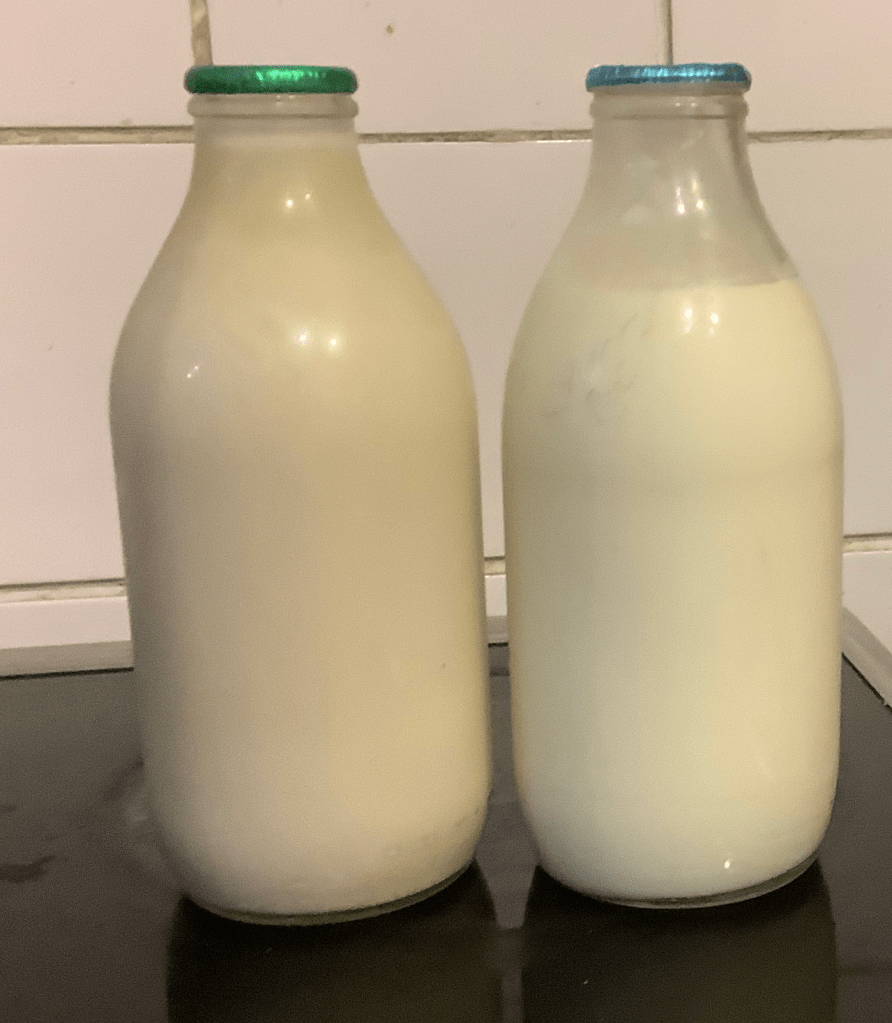
  14. Use a milk delivery service such as Milk and More for both dairy and oat milk in refillable glass bottles.
  15. When buying fish, check whether it is sustainably sourced and/or farmed. Refer to the Marine Conservation Society’s guide as to which fish are not endangered.
  16. Plan your meals and your shopping to avoid throwing food away – https://greentau.org/2021/08/09/eco-tips-4/
  17. Keep a habit of saying Grace at meals. Appreciation and gratitude go together. 

Green Tau: Sugar sweet?

22nd December 2021

Sugar cane is the source of about 80% of the sugar consumed across the world. It is a plantation crop that goes back centuries and has a history linked with exploitation and slavery. As a plantation crop it has been responsible for the deforestation of tropical landscapes and as demand for sugar continues to increase this is still on going – especially in Brazil where sugar cane is also grown to produce the fuel ethanol: ‘The Atlantic Forest, or Mata Atlântica in Portuguese, is found on the Atlantic coast of Brazil. It should be full of life, supporting thousands of species of plants and animals, many of which are found nowhere else. It’s different from the Amazon rainforest but equally important. Around 500 years ago it would have covered an area of more than 1.5 million square kilometres. Now, more than 90% of it is gone, cleared mostly for timber, pasture and sugar.’ (https://www.nhm.ac.uk/discover/sugar-a-killer-crop.html)

 Sugar cane occupies approximately 2.4 million hectare world wide. 70% of production is for domestic use (which for example would include the production of ethanol in Brazil) but for some countries the production of sugar for export constitutes a significant part of their national income eg Cuba and Belize. Volatile global prices makes for great uncertainty for local growers/ plantation workers who can do little to control their incomes. Whilst the premium paid through the Fair Trade scheme undoubtedly helps, the production of fair trade sugar – 528,000 tonnes – is a fraction of the 200 million tonnes of sugar  produced globally (2019). 

Sugar cane as a crop, aside from the issue of deforestation, has unwanted adverse affects on people and the environment.

  • it requires large amounts of water, often taking the water away from other crops and  natural vegetation 
  • It requires large amounts of pesticides and fertilisers which flow into the water system damaging other ecosystems 
  • Before harvesting, old leaves are burnt off to assist the harvesting process. This kills wildlife, important natural organisms and pollutes the air. As nutrients in the leaves are burnt rather than being returned to the soil, the fertility of the soil is reduced requiring additional fertilisers to be used
  • It is an annual crop requiring the land to be cleared each year and the exposed soil is then susceptible to loss during the rainy season and with not roots to absorb moister, flooding too increases.
  • It is a labour intensive crop where child labour still happens.

Alternative sugar crops are grown, of which the main one is sugar beet – accounting for about 20% of world production – which is grown mainly in Europe. It too can be reliant on pesticides and fertilisers: organic sugar beet is grown in Europe but not as yet in Britain. Other sugar crops include coconut palms and oil palms where the sap is harvested. 

There is a further downside to all sugars: sugar damages our health, causing major problems such as heart disease, type 2 diabetes and tooth decay. The WHO urges that sugar consumer should be reduced to between 5 and 10% of a person’s daily calorie intake. The NHS advises sugar consumption be limited to less than 30g per day: https://www.nhs.uk/live-well/eat-well/how-does-sugar-in-our-diet-affect-our-health/ Yet sugar consumption globally is still rising. The USA tops the charts with an average consumption of 126.4g per person per day. Britain comes in at number 7 with 93.2g per day (2019).

As well as being concerned about the damage sugar growing causes to the environment and it’s work force, should we be acting to reduce the demand for this commodity?

“Too often, divisions in civil society can be exploited by powerful commercial interests. ‘Don’t go too hard on health, as it will threaten jobs’ or ‘Don’t raise pollution standards, as they’ll be undercut by another country somewhere’ or ‘Don’t mention labour pay rates, or we’ll drop the preferred status.’ Or ‘Don’t stop sugar beet as it’ll affect tourism brought by geese feeding on sugar beet tops in winter’. Such horse-trading happens in realpolitik, of course, but we think now is the time to take the sugar debate back to ecological public health basics: land, labour, capital, health and culture…We see this future food world as one where less not more sugar is produced and consumed, and land use and labour are liberated from the folly of sugar production. This is hardly a vital product. It has been injected into culinary culture on a scale it does not deserve. Nor should a sugar reduction strategy be compensated for by a growth in use of artificial sweeteners which industry constantly seeks. Artificials, whether relatively ‘old’ such as aspartame or ‘new’ such as stevia, merely normalise the sweetening of diet as well as maintain the processing industries’ option to sweeten a product to sell it.”  https://foodresearch.org.uk/wp-content/uploads/sites/8/2015/06/Does-Sugar-Pass-the-Environmental-and-Social-Test-23-june.pdf

Green Tau: ‘palm oil piece’

15th December 2021

Palm oil comes from the palm oil tree which grows in tropical regions of the world. Its fruit – both flesh and kernel – are processed to extract the oil. The oil is attractive for many reasons. 

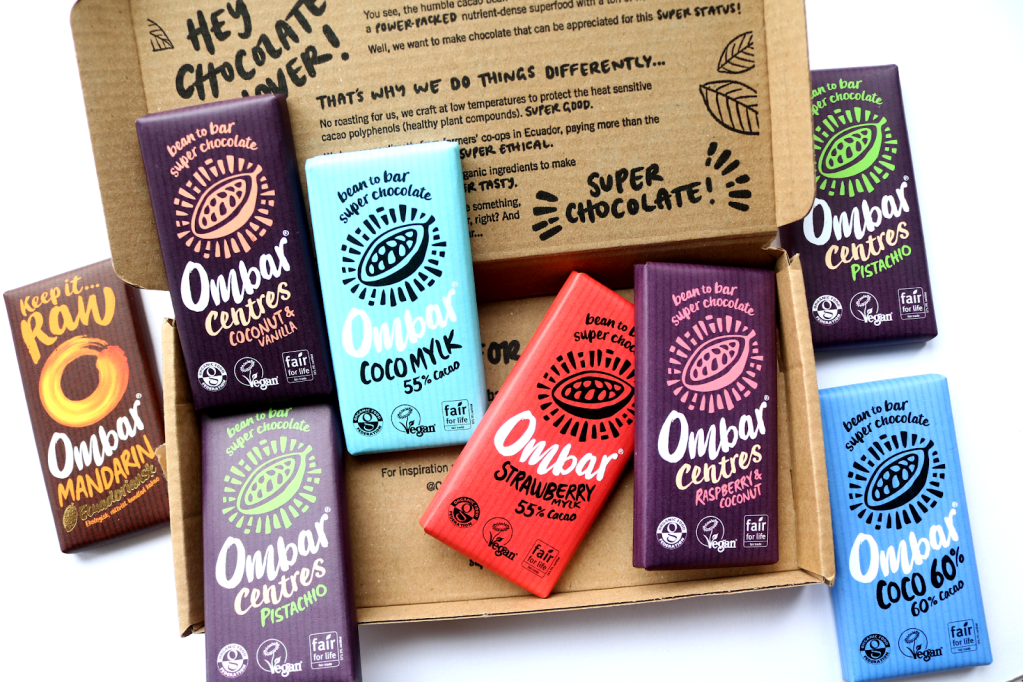
It contains no trans fats making it healthier than other oils.  It is a good (and affordable) source of vitamins A and E and antioxidants. It is resistant to oxidisation giving it, and things made with it, a long shelf life. It is a highly productive crop: where sunflowers produce 0.7 tonnes of oil per hectare, palm oil produces 4 or more tonnes. It can be used to make a wide range of products from soap to biscuits, toothpaste to icecream, lipsticks to pizzas, pet foods to chocolate. Some is also used as a bio fuel.

Not surprisingly it is in high demand. Global production has increased from about 2 million tonnes in 1960 to 70 + tonnes in 2018 (https://ourworldindata.org/palm-oil). Production on this scale has led to vast areas of land being repurposed for palm oil plantations – with individual plantations covering 10,000 hectares (approximately 10,000 international rugby pitches or a little smaller than Jersey).  

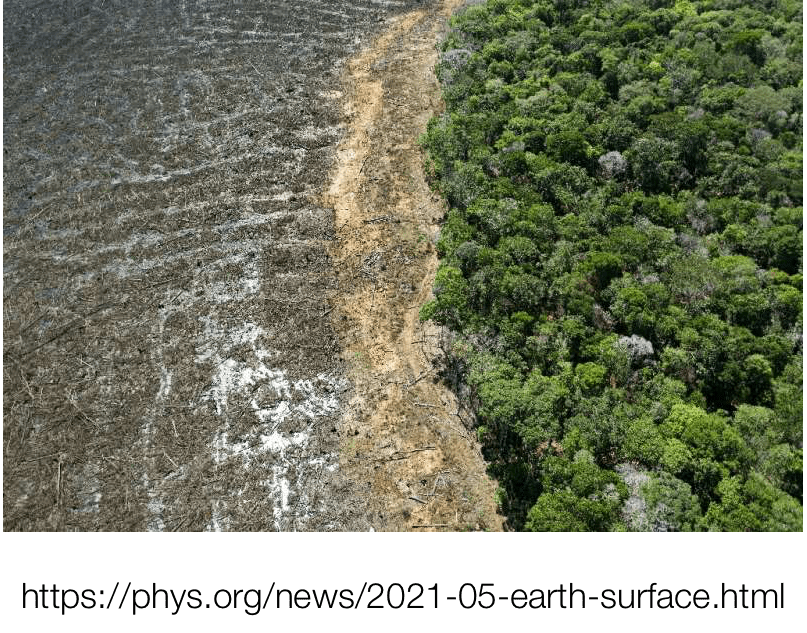
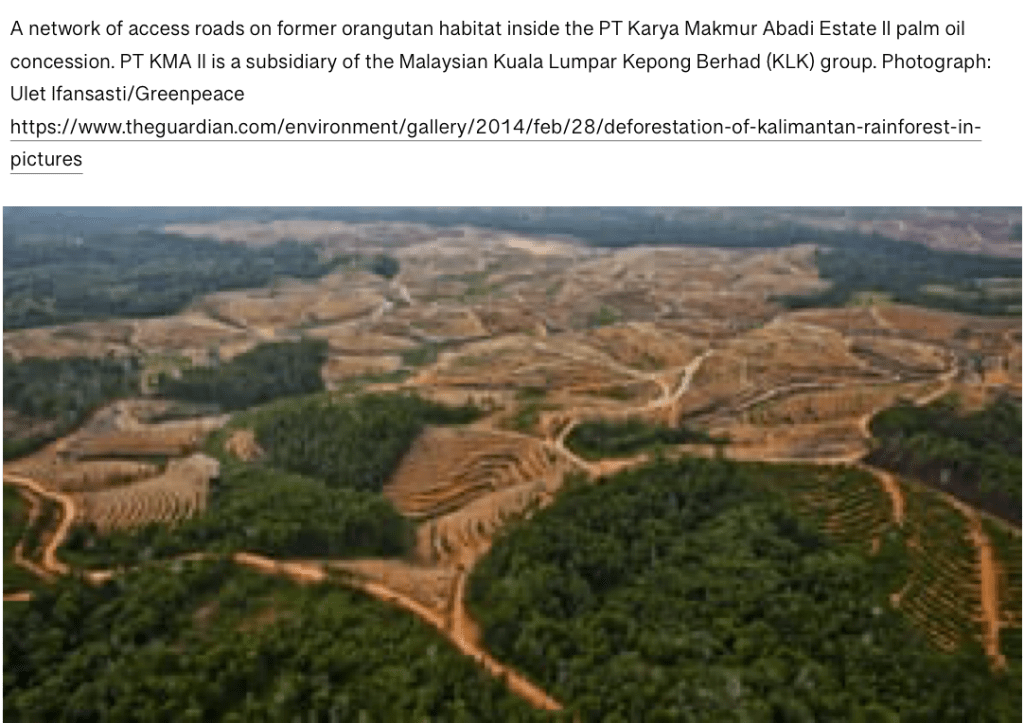
Monoculture on this scale comes with many environmental issues, that lead to droughts, wild fires and flooding – and require widespread use of fertilisers and pesticides which pollute both water supplies and the air.  These detrimental effects are further compounded when the land cultivated involves the destruction of native forests. An estimates 5% of tropical deforestation is attributable directly to oil palm plantations  although on a positive note, the annual loss is decreasing as countries and companies respond to public criticism (https://palmoilalliance.eu/palm-oil-deforestation/).

In places such as Borne and Sumatra much of the land is covered with virgin forest which is home to many plant and animal species and notable home to large mammals such as orangutans, tigers, rhinos and elephants. Expansion of human enterprises removed the equivalent large mammals many centuries ago. One hopes that we will not allow the same to happen again.

On the other hand palm oil production is an important cash crop for many developing economies. As with the cultivation of cocoa beans (https://greentau.org/2021/12/11/green-tau-issue-26/) the profitability of this crop often does not benefit the workers on the ground. In response to both this and the threat to biodiversity – especially orangutans – some consumers and manufacturers actively avoid palm oil. The following logos are used  by

https://www.palmoilfreecertification.org/

Iceland Foods and the https://orangutanalliance.org/

Ethical Consumer has produced a list of manufacturers who avoid the use of palm oil – or use  sustainably sourced palm oil: https://www.ethicalconsumer.org/palm-oil/palm-oil-free-list

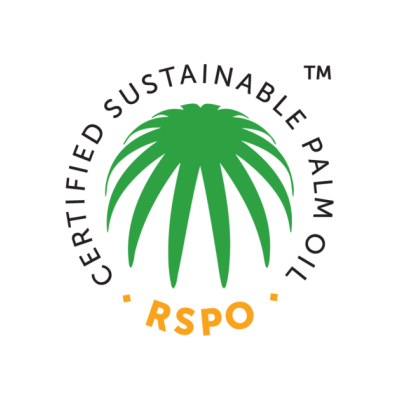
The main industry certification scheme for sustainable palm oil is provided by

The Roundtable on Sustainable Palm Oil. However its scheme is not always transparent, and includes companies who are working towards sustainable production. As with cocoa beans, companies can use the certification if they pay the premium that pays for sustainable production somewhere within the supply chain. For more information see https://www.ethicalconsumer.org/food-drink/what-rspo

Traidcraft for one, did not feel that RSPO assured a fair trade product. They have established their own small scale certification platform, Fair Palm through their work with Serendipalm in Ghana. Here oil palm growers use regenerative farming techniques growing a mix of trees and shrubs that provides a range of sustainable – organically grown – crops. In addition the processing of the palm oil fruits is kept small scale so as to employ people rather than automated machines. This video clip shows the process of change from monoculture to agroforestry:  https://youtu.be/moRmOu634rk

If consumer power has already seen a reduction in the rate of deforestation , continuing consumer power should be able to demand truly sustainable and fairly traded palm oil. Careful research will be needed  as the presence of palm oil products may not always be obvious. Palm oil may be hidden under the general title of ‘vegetable oil’ or may be given a chemical name such as aluminium stearate, ammonium Lauretta sulphate, capric glyceride, or ascobyl palmitate. Ethical Comsumer’s palm oil list will help you evaluate which products you wish to buy and which you might prefer to avoid. 

Green Tau: the ethics of chocolate

11th December 2021

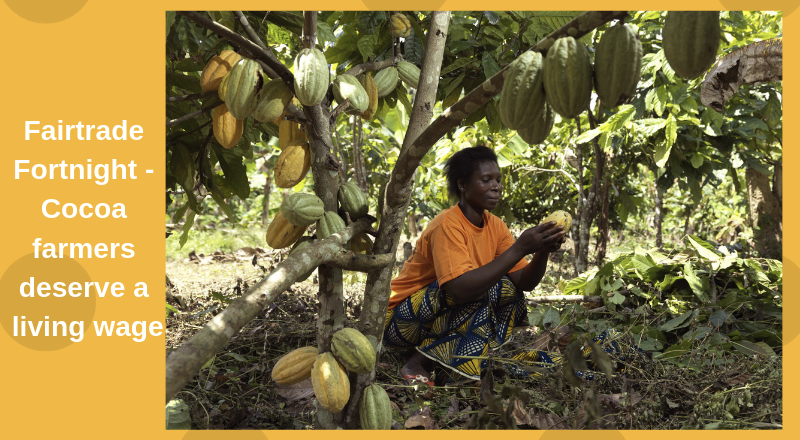
One of the many treats we associate with Christmas is chocolate. In the UK we spend about £325 a year, supporting an industry worth around £4 billion. However at the other end of the story cocoa farmers in Ghana and the Côte d’Ivoire (the largest producers of cocoa beans) may earn as little as 75p a day – or about half what is needed to cover the essentials of food, housing, health car and education – and some cocoa plantations are known to use child slave labour.  This hardly seems fair! Why is it so?

  • Large cocoa companies buy through a global commodity supply system – a sort of global wholesale market. This system is designed to ensure a stable cocoa supply at the lowest possible price. It is not designed to have regard for the sustainability and well being of individual cocoa growers.
  • Whilst cocoa companies can opt to buy certified eco or sustainable beans. This certification process does not mean that the beans they actually buy is eco/ sustainable but that somewhere an equivalent amount of beans has been so produced. This process lacks transparency.
  • Few large cocoa companies have direct links with the bean growers so there are no shared or common interests. 
  • Global cocoa prices do, despite the global commodity supply system, fluctuate as intermediate  traders buy and sell cocoa options. Such traders operate on a short term basis whilst bean growers must operate on a minimum five year basis: it takes five years before a cocoa tree produces its fruit.
  • Poorly paid bean growers do not have money to invest in fertilisers or to learn new farming techniques so as to improve their productivity. Often they themselves are poorly educated because they too grew up in times of poverty when free education etc was not widely available.
  • The impact of climate change – hotter and wetter weather – damages productivity. The changes in weather allows new pests and diseases to develop which damage the crop. 
  • Large cocoa plantations are focused on the  profit made from their sole crop. Such plantations do not diversify into other cash crops that can be grown along side cocoa trees nor into crops that produce food for the workers. Both of these options could help workers survive poor harvests and down turns in commodity prices. Instead workers from large plantations are  readily sacked when these things happen.
  • Small scale growers do not have the money to invest in new  cocoa  varieties that are more productive and/ or more adapted to the changing climate.
  • Much of the profit derives from the sale of chocolate comes from the value added during the manufacture of the chocolate rather than from the production of the beans. However the economies of many cocoa growing countries is still shaped by the patterns of the colonial era which sees these countries as exporters of raw commodities to the west. 
  • Chocolate manufacturing involves a high level of investment in factories, machinery and transport, including refrigeration. Chocolate manufacture also relies on accessing supplies of sugar and milk which may need to be imported with the possibility of additional tariffs. 
  • Climate change is causing bean growers to move to land at higher altitudes. Here existing forest cover is destroyed to plant cocoa trees.
  • When cocoa tree age and productivity declines, many growers simply plant clear existing forest cover and plant new trees which thrive initially on the fresh soil. Long term however the loss of this forest exacerbates both  the climate crisis and the loss of biodiversity which adversely impacts the health and wellbeing of the local population. 

In a recent report, the Ethical Consumer magazine recommends that consumers should check up on the chocolate they buy: 

Does it come from a company where the manufacturer of the chocolate is closely linked to the grower of the cocoa beans?

Is it made from organically grown cocoa and sugar?

Is the production of the beans linked to deforestation and/ or slave labour?

Are the producers of the cocoa beans paid a fair income?

Is the chocolate manufactured in the country where the beans are grown?

The Rain Forest Alliance and Fair Trade are both organisations  set up to ensure the welfare of those who grow the beans and to ensure the environmental sustainability of the farming methods used. They can provide a direct link between supplier and producer. They also provide a certification system which helps the consumer to buy sustainable chocolate products. 

Sustainably  and fairly produced chocolate will cost more than the cheaper alternatives, but this is just  one way in which we can make our money work to improve and protect life on the earth.

For more information watch this informative YouTube programme: https://youtu.be/-XbP4cn8xhU

Further reading: https://newrepublic.com/article/156569/challenge-sustainable-chocolate

https://www.bbc.co.uk/news/world-africa-56687427

https://www.ethicalconsumer.org/food-drink/shopping-guide/ethical-chocolate

Green Tau: E-waste

29th November 2021

Material Focus estimates that as a result of Black Friday and Cyber Monday 5 million electrical items will either be thrown away or will simply be hoarded unused in a drawer or at the back of the cupboard.

https://www.theguardian.com/environment/2021/nov/26/e-waste-black-friday-uk-shoppers-donated-recycled-material-focus-campaign

What makes us so wasteful? 

Is it the power of advertising? Is it the ‘keeping up with the Jones’s’? Can we not create an alternative fashion message that says sustainability is best, that longevity is beautiful, that minimalism is key?

Is it the lure of cheap bargains? 

But perhaps they’re only cheap for those who buy now, with purchasers during the rest of the year making up the shortfall via higher prices? Perhaps only cheap when we don’t take into account the cost arising from damage to the environment? Perhaps only cheap because large numbers of the workforce have received pitifully low wages?

Is it the built in obsolescence of the items we buy? Phones whose batteries die after a few years? Software that can’t be updated? Things that cannot be repaired?

All this electrical and electronic waste is termed e-waste*, waste that ends up in landfill sites. There it can be a cause of pollution as poisonous chemicals leak out into the soil and water systems. And at the same time, it throws away valuable metals such as gold and silver, platinum, copper and cobalt,  necessitating the mining of such metals in parts of the world where the safety of the workers and the environment receive little attention. (Maybe in years to come we shall be excavating land fill sites to recover valuable re sources.)

Globally the UK is one of the biggest producers of e-waste, second only to

Norway. Each of us on average generates some 23kg of e-waste whilst the European average is just 16kg. We might think e-waste is dominated by  last year’s iPhone but surprisingly it is items like kettles and irons that contribute most. Perhaps these are items are not designed to have a long life, or maybe because they’re are relatively cheap we don’t bother repairing them. 

How can we reduce e-waste?

  1. We can continue to use the items we already rather than being swayed into upgrading to the next model.
  2. We can seek to repair items when they break. We can find a professional repairer to do this or we can carry out our own repair (but don’t fiddle with the electrical wires and connections etc unless you are qualified: in correctly wired appliances can kill). The Restart project based in London has both a directory of repairers –https://therestartproject.org/repairdirectory/ – and offers Repair Parties where people can be guided to carry out simple repairs – https://therestartproject.org/
  3. We can also make sure that we maintain what we own: descaling kettles and irons, cleaning touch screens, removing fluff from washing machines etc.
  4. If we have items that work but which we no longer need, we can pass them on to someone who will use them, either through free cycle web sites, eBay, or by donating them to charities. This particularly applies to smart phones, tablets, laptops plus cables and chargers. Again Restart can direct you accordingly – https://therestartproject.org/where-to-donate-your-computer/
  5. When items become un-useable they should not go into landfill but be recycled. This is becoming increasingly easy –  https://www.recycleyourelectricals.org.uk/electrical-recycling-near-me/ Here in the Borough of Richmond, small electrical items can be recycled at local libraries whilst bigger items can be taken to the Townmead Recycling Centre.  Electrical items large and small can also be recycled at Curry’s PC World store in Twickenham. 
  6. We can campaign, asking manufacturers to produce items that are durable and repairable – check out this web site – https://10yearphone.com/
  7. We can also continue to press the government to legislate for a circular economy. This YouTube clip shows that progress is being made – https://www.youtube.com/watch?v=90k2Tk-BUIA

*(I feel there should be another e-waste descriptor for electronic junk mail, all those unwanted adverts, the photos we store in the cloud and never look at, films and books we download but don’t watch or read, the unnecessary emails we send – especially those long chains of emails that don’t need to re-forward the previous messages, or the send-all emails when only a few people need the message! These all have their own – albeit small – carbon footprint). 

0.3g CO2e: A spam email
4g CO2e: A proper email
50g CO2e: An email with long and tiresome attachment

https://www.bbc.com/future/article/20200305-why-your-internet-habits-are-not-as-clean-as-you-think

Green Tau: green finance

22nd October 2021

There is very little in this world that doesn’t somewhere along the line involve money – or as we might more politely phrase it, finance. Our response to the climate crisis is no exception. For whilst there are things we can do that don’t cost a single penny – like walking instead of taking the car, or turning down the thermostat, or not eating meat – there are many more things we need to do that do cost. We need to bring to a halt extraction of oil, coal and gas and instead create jobs and industries around  renewable energy, heat pumps, electrical vehicles and charging points. We need to invest in public transport and reduce considerable the aviation industry – and we need to invest in retraining and creating green jobs. We need to shift the emphasis of agriculture from animal to arable farming. We need to restore and expand the rewilding of land and seas so they can become larger,  more effective carbon sinks. We need to insulate our homes, offices, public buildings – even places of worship. We need improve provision for floods, droughts, wild fires, storms, heat waves and cold snaps, so that people, properties and ecosystems are protected. The list goes on and so does the need for finance.

However much these measures may cost, we must keep in mind what would be the cost of doing nothing: ie the cost of even more infrastructure to cope with ever increasing temperatures, and extreme weather conditions; the cost of relocating homes, businesses and whole communities as sea levels rise; the rising cost of food as all important pollinating and pest destroying insects are lost; the rising cost of food and water as water shortages rise; the loss of life from extreme weather events and the rising number of excess deaths from heat waves and cold snaps; the growing need to relocate whole communities as rising temperatures make large areas of land uninhabitable. 

And on the other hand we should keep in mind all the positive spin offs from investing in a greener world: better health as people walk and cycle more, eat less meat and dairy products, enjoy more green spaces that enhance mental well being, live in warmer, dryer homes, breathe less polluted air. 

So what is happening about finance to tackle the climate crisis? Here are some examples and policy statements for the global to the individual level.

*UN Climate Finance: ‘The Convention, the Kyoto Protocol and the Paris Agreement call for financial assistance from Parties with more financial resources to those that are less endowed and more vulnerable. This recognises that the contribution of countries to climate change and their capacity to prevent it and cope with its consequences vary enormously.’

‘According to October 2019 data from the World Bank , the world will need to make significant investment in infrastructure over the next 15 years –around US$90 trillion by 2030.  But it can recoup those investments. Transitioning to a green economy, it found, can unlock new economic opportunities and jobs. An investment of US$1, on average, yields US$4 in benefits.

‘In addition to reducing emissions, making infrastructure more resilient avoids costly repairs and minimises the wide-ranging consequences of natural disasters on the livelihoods and well-being of people, particularly the most vulnerable, as well as on businesses and economies.  And a shift  to low-carbon, resilient economies could create over 65 million net new jobs globally out to 2030.

‘Reaching net zero requires making good on the $100 billion annual climate finance commitment’ – at the time of writing it is hoped that developed nations will make good on their promise to supply this funding.  https://unfccc.int/topics/climate-finance/the-big-picture/introduction-to-climate-finance

  • International Monetary Fund: ‘Long term institutional investors can help with rebalancing and redistributing of climate related risks and maintaining financial stability. Hedging instruments (e.g., catastrophe bonds, indexed insurance) help insure against increasing natural disaster risk, and other financial instruments (e.g., green stock indices, green bonds, voluntary de-carbonisation initiatives) can help re-allocate investment to “green” sectors.’ https://www.imf.org/en/Topics/climate-change/green-finance

* World Economic Forum: Green finance is blossoming. Globally, the green bond market could be worth $2.36 trillion by 2023. It is regarded as a way of meeting the needs of environmentalism and capitalism simultaneously – but what is green finance and how does it work? Typical projects that fall under the green finance umbrella include:

  • Renewable energy and energy efficiency
  • Pollution prevention and control
  • Biodiversity conservation
  • Circular economy initiatives
  • Sustainable use of natural resources and land

https://www.weforum.org/agenda/2020/11/what-is-green-finance/

* The Bank of England: ‘Climate change affects our planet, our economy and our financial system. As such, climate change is relevant to the Bank of England’s central mission to promote the good of the people of the United Kingdom by maintaining monetary and financial stability.’

* All banks are likely to offer customers finances for green projects subject to their normal risks assessment. However some banks – green/ ethical banks – make finance such projects the main stay of their work and at the same time consciously choose not to invest in projects that are harmful to the environment. For example Triodos Bank claims to be ‘one of the most sustainable banks in the world. We make money work for positive social, environmental and cultural change.’

Good with Money notes that: ‘channelling money into companies and initiatives that solve big global problems may be a win-win scenario. For instance, well-run businesses fighting climate change are benefitting from public and private commitments to clean infrastructure. Some are even starting to outperform their badly-managed, polluting rivals, which means bigger profits for investors to put towards meaningful long-term goals.’ https://good-with-money.com/wp-content/uploads/2021/08/The-Good-Guide-to-First-Time-Investing-FINAL.pdf

*Pension providers, insurance companies, mortgage providers, investment and savings companies, all invest money for the benefit of their customers.  As consumers we can ask whether these funds are invested so as to benefit the environment or whether they are investing in companies that are damaging the environment, such as those in the fossil fuel industries. 

Make My Money Matter says: ‘Your pension is powerful. There’s £2.6 trillion in UK pensions – and that’s your money. But it’s being invested on your behalf, without your say. That means your hard-earned savings are likely driving deforestation and funding fossil fuels. As a result, your money has a carbon footprint – just like you.We’ve looked at how big that footprint is, and the answer is pretty scary. The carbon footprint of the average pension is 26 tonnes…’ https://makemymoneymatter.co.uk/21x/

* Personal spending: we, as consumers, can be seen as investors. When we choose what to spend our money on, we are expressing our preference, our support for that product or service, that market or industry. Whether we are buying petrol or a bus ticket, whether we are buying an air ticket or train ticket, whether we are buying locally grown apples or imported grapes, dairy milk or oat milk, we are influencing the way money will be invested and its impact on our environment. 

Green Tau: biodiversity and nature friendly farming

15th October 2021

Last week we looked at the tendency for agriculture to a) expand into virgin territory at the expense of flora and fauna biodiversity, and b) to be concentrated around a narrow number of crops and animal species. Agricultural practices are the source of further challenges.  

In a drive to be more productive and more economic, many agricultural businesses have gone for the large scale – large farms, large fields, large machinery – creating landscapes that devoid of trees and hedges and instead are vast tracts of identical crops. Monoculture does not support biodiversity. Fields of rape may provide near endless quantities of flowers that are attractive to pollinators, but once they have flowered there is a dearth of food sources for those pollinators. With their demise, comes the demise of other birds and animals that rely on them as part of the food chain. 

Monoculture also provides a good environment for the spread of plant diseases and the proliferation of weeds – the latter might be suppressed by a diversity of plants, some overshadowing the weeds, or by insects and larvae that might feed on them. The net result is that to sustain monoculture, crops must be sprayed with pesticides and herbicides, neither of which is good for biodiversity. For the soil this can be a particular problem. Soils rely on insects, beetles, and many micro-organisms to keep the soil rich with nutrients and to maintain a good soil structure.  Soils that become damaged or depleted  of nutrients become reliant on the addition of chemical fertilisers to maintain their productivity. However these can be damaging to biodiversity, especially when nitrates are washed through the soil into local water ways where they form algae blooms and damage both flora and fauna. 

Whilst agriculture can be part of the biodiversity problem, it can also be part of the solution. 

Regenerative Agriculture 

Whilst the term ‘regenerative agriculture’ was first used in the early 1980s as concept that aimed to make agriculture not just sustainable, but positively beneficial for the environment. However it has only more recently gained popularity.

There is as yet to fixed definition of what regenerative agriculture is, nor how it is to be practiced.  Terra Genesis International working in Thailand has determined its principles as:- 

  • Progressively improve whole agroecosystems (soil, water and biodiversity)”
  • “Create context-specific designs and make holistic decisions that express the essence of each farm”
  • “Ensure and develop just and reciprocal relationships amongst all stakeholders”
  • “Continually grow and evolve individuals, farms, and communities to express their innate potential”

What I think is interesting here is the inclusion of the people involved in farming and their communities.

The UK’s Regenerative Food and Farming (https://regenerativefoodandfarming.co.uk/) recommends the following farming practices:-

  • No or low tillage, ie not ploughing the soil or removing the remnants of the previous before sowing, and maintaining some form of vegetative cover at all times. This helps to keep both CO2 and water in the soil, rather than it escaping into the atmosphere.
  • Diversifying what is grown using mixed planting, intercropping (including sylvan agriculture which grows crops in between trees), and relay cropping. There is a focus on growing more of what is needed locally which minimises the distance food has to be transported.
  • Using animals as part of crop rotation.
  • Not over grazing fields.
  • Stimulating micro-organisms in the soil by maintaining living roots in the soil at all times and by adding organic compost.
  • Avoiding the use of chemicals on the land and minimising antibiotics given to animals – sometimes these are used to stimulate growth rather than for treating diseases.
  • Adding tree, perennials and wild flowers to the landscape.
  • Rewilding areas of landing and creating corridors between them.

Such agricultural practices not only benefits biodiversity, they also improved get capacity of the soil to sequester carbon, reduce the carbon emissions of the farming industry, assist with flood prevention and reduce the water needed by farms.

For further reading on nature friendly farming, check out:-

Green Tau: biodiversity and food production

October 2021

Last week’s Green Tau weekly began a mini series looking at biodiversity. We noted that despite the relative smallness of humanity in terms of global biomass, we humans are dramatically and drastically altering the planet’s biodiversity. This week I want to look at the impact food production has on biodiversity. 

Over the millennia humans have domesticated both animals and plants, selecting and breeding species, and developed farming practices that would best provide food. In the process, humans extended their control over land that had previously been wild, which in turn has limited the land available for wild animals and plants. 1000 years ago, less than 4% of habitable land was farmed. This increased over the centuries, and particularly so from the mid 1800, when the area of farmed increased from under 25%  to the current 50%. (Habitable land is land not covered by glaciers, 10%, nor barren land such as deserts, sand dunes, bare rock, salt flats etc, 19%). In Europe the area of farmed land is now declining slightly, whereas it is continuing to expand in Africa, Asia, China and parts of South America.

Currently there is much media coverage about the clearance of the rain forests in Brazil to create new agricultural land plus accompanying access roads. This process destroys unique habitats with the loss of many plants, animals, birds and insects etc. It also destroys the millennia old way of life of indigenous people.  It is easy to see how such expansion of farming land exacerbates biodiversity loss. The same problem also arises in Africa, Asia and China. Mangroves have also been cleared to make way for shrimp farms, palm oil plantations and rice fields. 

A perhaps previously ignored consequence of expanding farming into previous areas of wilderness, is the increased contact between wild and domesticated animals. This allows diseases to spread more rapidly between the different species. What might be an insignificant virus infecting a wild animal can become a highly infectious virus in domestic animals. These virus can then spread to humans. Such zoonotic diseases include the Ebola virus, SARS and the current Covid 19.

Over the millennia, much of the UK has also been deforested to make way for farm land. Tree coverage  in the UK stands at about 12% which is much lower than most other countries in Europe. Top of the league is Finland with over 50% tree cover; Spain and Portugal are around 35%; France, Germany and Switzerland around 30%. As trees provide a great many habitats for other plants, birds, animals and insects, as well being good stores of carbon, the government’s climate advisers now recommend  tree cover should be increased to 17-19%. As well as planting new trees, it is also important that existing trees are protected: it takes many years for a tree to reach maturity and whilst they are still saplings they do not provide much habitat for other wild life. 

It is not only trees that have been cleared to make way for farming in the UK. Wetland areas such as marshes and bogs, have been drained. This destroyed the unique habitats of many different plants, insects and animals. In the same way, clearing hedgerows has had a detrimental affect on biodiversity. There is now a growing awareness of the importance of restoring and maintaining a diverse range of habitats to support different plants and creatures. Where the area of a particular habitat becomes too small, it may fail to maintain populations of plants and creatures at a viable level. However creating a corridors between habitats enables larger populations to be supported. Hedgerows perform this task on a small scale, as can railway lines and road verges.

Not only has farmland been expanding over the centuries, but what is farmed has changed. Increasing global trade, colonialism and the intensification of farming, has produced a agricultural system that now grows a very limited number of plant species. Two thirds of the world’s food comes from just nine plants: sugar cane, maize, rice, wheat, potatoes, soybeans, oil-palm fruit, sugar beet and cassava. 

Such a concentration makes our food supply vulnerable to the effects of climate change and diseases. This year’s durum wheat crop has been much reduced because of  exceptionally dry conditions in Canada (the harvest is down by a third) and wet ones in Europe. Nearly half of all the bananas grown in the world are one variety, Cavendish, even though there are approximately 999 other varieties. The Cavendish banana is now threatened by a fungus which could wipe it out.  

This over concentration on a limited number of species has meant that many local and older plant varieties have been marginalised – another form of biodiversity loss. However the value of such plants is now being recognised. They can provide alternative crops better suited to local growing conditions and/or changing climatic conditions. Such species include quinoa, which  can be grown at high altitudes, teff which like quinoa can be grown at high altitudes and where water supplies are limited, millet which can tolerate high temperatures, and einkorn which needs less nitrogen – ie can grow in less fertile soils – than wheat.

The same pattern of concentration occurs in animal farming too. Nearly all the world’s diary cows are based on one single breed, the Holstein. As with arable crops, there are advantages of protecting and promoting rare and ancients breeds of farm animals. But in terms of biodiversity what is more incredible is the sheer biomass of farm animals. They account for 60% of all mammals on the planet (of which cattle and buffalo  account for 40%); we humans account for 36% whilst the remaining wild mammals a mere 4%.

Globally 77% of agricultural land is used to raise livestock. This includes land used to grow animal feed. Yet this 77% produces less than  20% of the world’s calories. Land used for livestock could be better used to produce plant based food that would feed a greater number of people and/ or rewilded to increase biodiversity. Factoring in the carbon footprint of livestock, especially cattle, there are even more benefits to be gained from reducing livestock levels. 

Green Tau: biodiversity introduction

October 2021

What do we mean by ‘biodiversity’? 

The WWF defines it as ‘all the different kinds of life you’ll find in one area—the variety of animals, plants, fungi, and even microorganisms like bacteria that make up our natural world. Each of these species and organisms work together in ecosystems, like an intricate web, to maintain balance and support life. Biodiversity supports everything in nature that we need to survive: food, clean water, medicine, and shelter.’ 

The pictogram shows the relative proportions of different life forms (in shades of green on the left) and from within that the relative proportions of animals (in shades of orange on the right). All these  life forms have been measured in terms of their carbon mass, otherwise known as biomass.  It creates a surprising image! Humankind appears to be almost insignificant. Yet we are increasingly aware that this is not so. Humans are highly significant because they are dramatically and drastically altering life on earth. 

What is the issue?

The WWF estimates that since 1970 there has been a 60% decline in the number of animal species on the planet. Mass extinction on this scale has not been seen since the age of the dinosaurs. Almost all the causes are man-made: destruction of natural habitats; forests clearances for agriculture and industrial use; road and rail building programmes; overfishing; pollution of air, water and soils; degradation and erosion of soils; over extraction of water and loss of rivers and lakes; tourism; introduction of invasive alien species; mining operations;  climate change etc.

 It is not just large creatures such as polar beers, tigers and rhinos that are threatened with extinction – only two white northern rhino still exist and they are other female – but smaller ones too. In Australia the Bramble Cay Melomys, a small rodent, is the first mammal whose extinction is due to climate change. Here in the UK creatures at risk of extinction include the Scottish wildcat, a cicada native to the New Forest (no sightings have been recorded since 2000), the natterjack toad, the turtle dove, dormice, the Cosnard net-winged beetle, and 30 or more species of solitary bee (13 are now already extinct). Each species lost is in itself a loss of biodiversity but also diminishes the eco system of which it was apart and potentially puts other creatures that prey or otherwise rely on it, at risk. That risk extends to humans too. Many of our food crops (apples, strawberries, tomatoes, green beans, coffee and cocoa, kiwi fruits, avocado, cashew nuts, to name but a few) rely on bees and other insects to pollinate them.  In the UK there has been a 30% decline in pollinating insects since 1980. 

A recent report, The State of the World’s Trees, concludes that 30% of trees are at risk of extinction. With each species that is lost, there is a knock-on threat to other plants and creatures that rely on its unique ecosystem. The biggest threat for trees is deforestation for agricultural purposes. Disease also plays a role and here in the UK ash trees are under threat from ‘ash die back’. This fungus originates from Asia where indigenous ash trees have a natural resistance to it. It is likely it was inadvertently introduced here with imported saplings, but now it is could destroy up to 80 or 90% of our native ash trees. 

Why is biodiversity important?

  • Protection of food supplies (as mentioned above)
  • Protection of ecosystems: loss of one species can radically change or destroy an ecosystem, so the effect can be cumulative
  • Many species are key contributors maintaining the well being of the planet:

keeping soils fertile – eg earth worms

controlling pests – eg ladybirds and wasps

keeping water clean – eg oxygenating plants

removing decaying material – eg slugs and snails, crows and vultures 

keeping the air clean – eg trees

keeping oceans healthy – eg sea grass which absorbs CO2 and provides food for fish etc 

  • Source of medicines, many of which have perhaps yet to be discovered
  • Green and blue spaces – ie nature – is good for mental health and well being
  • Aesthetic and cultural values – eg oak trees are symbolic of England, tigers are culturally significant in India, as are reindeer for the Sami. Even here in London biodiversity is embedded geographically: eels must once have swum through Eel Brook Common, beavers once lived along Beverly Brook and presumably nightingales once sang in Berkeley Square.
  • And above all, because it’s out there, it’s amazing and it’s God-given.