Counting on …day 73

25th January 2022

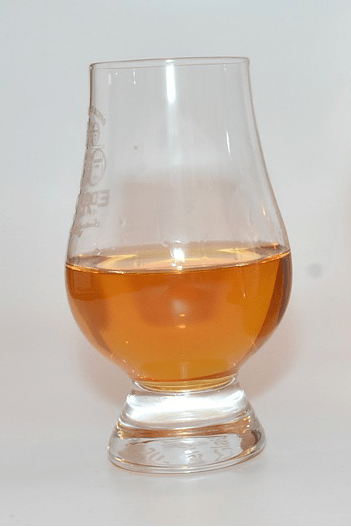
Burns Night is a time for poetry, haggis and whisky. Whisky production uses lots of energy in the distilling process much of which comes from fossil fuels. The Scotch Whisky Association is leading an industry wide campaign to address this – although their net zero target of 2040 is not inspirational. https://www.scotch-whisky.org.uk/insights/sustainability/

That said two distilleries have or are about to become net zero companies: Mc’Nean and Bruchladdich. The more consumers seek out net zero companies, the more companies will follow this trend. 

And for a vegan haggis see https://greentau.org/2021/11/30/counting-on-day-17/

Counting on …. Day 56

9th January 2022

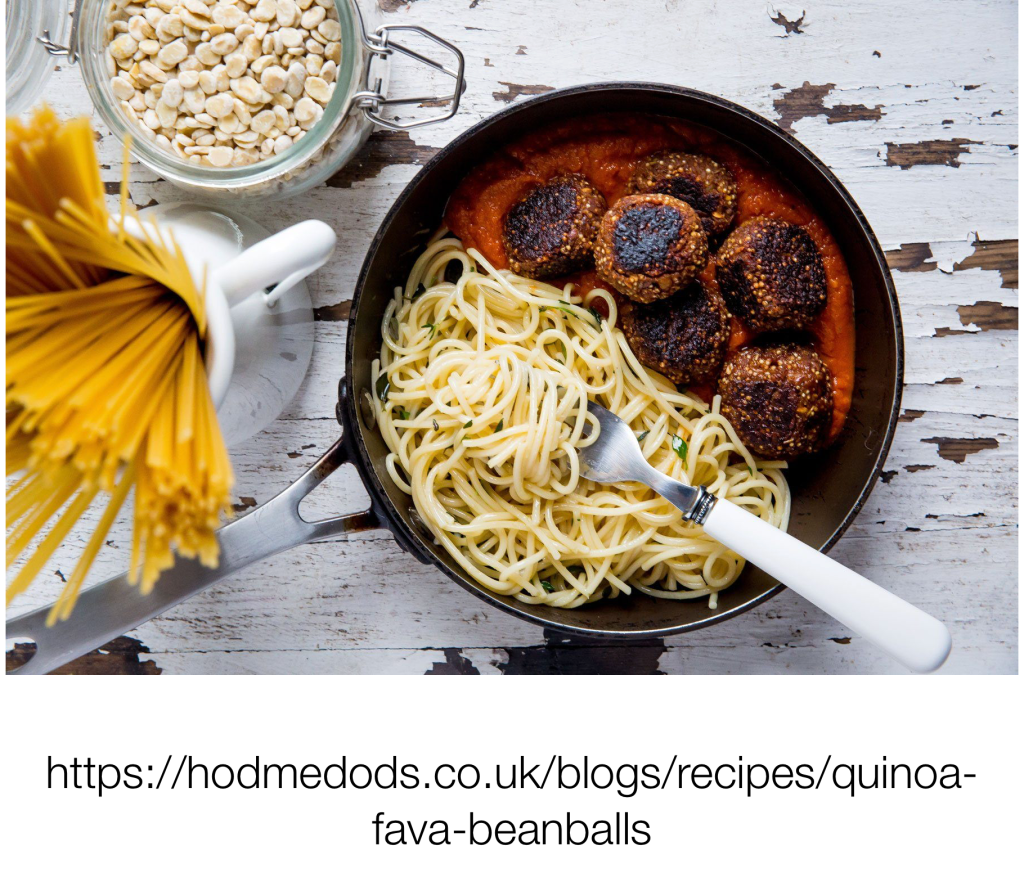
Eating beans and pulses instead of meat and dairy products is a good way of reducing our carbon footprint. The Ethical Consumer’s Climate Gap Report lists  a top ten of things we can do as individuals to reduce our carbon footprint (https://www.ethicalconsumer.org/climate-gap-report) of which the top two are reducing meat consumption by 20% and dairy by 20%.

You can use beans to make soups and stews; you can blitz them to make pasta sauces or use lentils in  place of mince for lasagnes; hummus is made from chick peas and you can use other beans to make a variates of other spreads or pates. Chick peas are used in making falafel and split peas for dhal and again you can adapt these recipes for to the beans and pulses. Flour made from dried peas and beans can be used in making pastries and pasta, as well as a variation of a frittata. Soya beans and peas are being used to make alternative milks. 

Try the Hodmedod website for lots of recipes – https://hodmedods.co.uk/blogs/recipes/tagged/vegan

The whale that keeps on giving

The wide vast oceans, 

tropical balm and arctic chill,

teem with living things 

great and small 

And  here dwells the whale – 

God’s tiller of the sea –

formed to frolic in its deeps 

and traverse its lengths. 

From an infinitesimal nil 

to 200 tonnes of mammalian flesh, 

its life spans a century full.  

A life of daily gorging and expurgating 10, 

nay, 20 tonnes of krill 

replenishes the seas with iron,

and spins once more 

the phytoplankton’s oxygen giving, 

carbon absorbing wheel.

From the depths the whale

redistributes food, 

sustaining small fry 

that dare not dive so deep.

Migrating between distant poles 

and warmer summer seas, 

the whale spreads the bounty 

of each mouthful it digests

and spins once more

the global food chain’s thread. 

Under the whale’s ocean watch, 

krill and plankton multiply, 

and so God’s worker feeds 

5000 mouths and more.

Its leviathan frame

 a maritime conveyor belt

of sequestered carbon 

that gracefully sweeps the seas 

till finally at whale fall

 it sinks to rest –

a carbon store 

for evermore 

upon the ocean bed.

Halloween Scones

Food waste is a big contributor to global warming. Waste can occur anywhere from on the farm, whilst in transit, at the supermarket or in the home. In the home we should aim to  use all the food we buy. So here is a recipe for using up raw pumpkin – or squash. It is also cooked in a frying pan rather than in the oven which will use less energy. It is also plant-based  – another plus for the environment. 

250g self raising flour

60g vegan butter

1 tbsp of chia or camelina seeds

150g raw pumpkin/ squash

4 cardamom pods

Oat milk


Mix the seeds with 3 tbsp of warm water. Mix in the seeds from the cardamon pods. 

Cut the butter into,cubes and rub into the flour.

Chop the pumpkin into small pieces.

Mix everything together, adding enough milk to create a soft dough. 

Heat a frying pan with a little oil in the bottom.

Roll out the dough and cut into rounds or triangles. Place these in the pan. 

Cook for 5-10 minutes or until browning on the bottom. Turn over and cook on the other side.

Enjoy plain or with jam. 

Hand Warmer

One of the largest sources of carbon dioxide that contributes to our domestic carbon footprint comes from heating our homes. We can reduce this part of our carbon footprint by turning down the heating in our homes and/or reducing the number of hours we have the heating on. Of course it is important that we don’t get cold. We can keep warm by wearing extra layer of clothes and by taking regular exercise. Today’s activity is a nice extra – a hand warmer.

For this you will need a piece of cotton fabric – about 14x28cm.  Fold this in half with the pattern on the inside. Sew the fabric together alone two sides.

Turn the fabric right side out so that the rough edges are inside what is now a pocket.  

Fill the pocket with uncooked rice. Use a sheet of paper to make a funnel so that you can more easily pour in the rice. Fill about half full. 

Tuck the unseen edges inside and stitch the sides together. Use small stitches so that the rice can’t escape.  

To use the hand-warmer, place in a microwave and heat for a minute. It should be warm to hold. 

You can reuse the hand-warmer several times but do be careful: over time the rice will bake and might eventually burn and scorch the hand-warmer.

Cycle Tag

All of have to find ways of reducing our carbon footprints. One area of life which can have a large footprint is transport. Diesel, petrol and aviation fuel all produce large amounts of carbon dioxide. On the other hand walking and cycling have a zero carbon footprint. If you – like me -enjoy cycling, you might want to encourage other people to cycle too. 

Today’s project is to make a tag to go on the back of your bicycle.

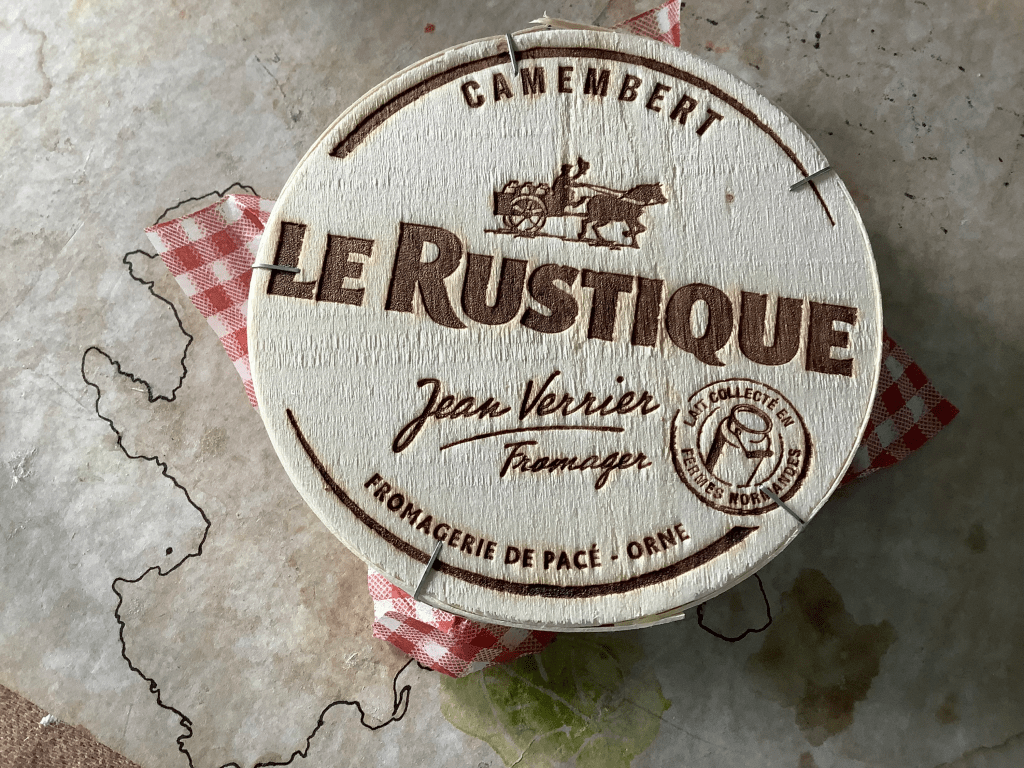
For this you will need the wooden lid from a empty box of Camembert cheese. Carefully remove the staples that fasten it to its sides.  

Choose two of these holes that are opposite each other and mark them with a pen. Imagine a horizontal line between these two spots so that you can orientate your tag. 

Use the lid to draw a circle on a piece of paper. On this piece of paper draw a design for your tag.

Once your are happy with your design, use permanent felt tip-pens  to draw your design onto the wooden circle. 

Thread to paper clips through each of the holes and then hook the paper clips around the metal supports under your cycle saddle.  

Every time you go for a ride, people will see your tag and will think, Cycling is a good way to travel!

Count Down

 Action 95: Heating our homes is one of the biggest components of our domestic carbon footprint. This autumn the weather is still quite mild. Why not see how long you can keep warm with out turning the heating on? And thereafter see just how many hours it needs to be in each day to keep you warm? On the Eco Tips page you will fin suggestions for alternative ways of keeping warm, including thermal underwear. 

Green money

How we use, spend or save our money, makes a difference.

  • Protect peat bogs: don’t buy composts that contain peat, instead buy peat-free varieties or make your own.
  • re peat, ask whether the mushrooms, herbs, salads, you are buying are grown in peat – or not
  • Buy bee friendly (and insect/ butterfly friendly) seeds and flowers to promote local biodiversity.
  • If you have space, buy and plant fruit bushes/ trees and enjoy fresh fruit. 
  • Even if you only have a windowsill buy seeds so that you can grow your own herbs and salads.
  • Use local shops and local suppliers so that your money supports jobs for local people and the local economy.
  • Buy locally produced food so as to reduce supply lines and their associated carbon footprint. Avoid foods bought in by air freight.
  • Buy organic food to prevent more soils and waterways from being polluted by nitrates and pesticides.
  • Buy organic foods to prevent insects, birds and small mammals being poisoned by pesticides.
  • Buy organic foods to prevent wild plants and creatures being killed off by herbicides.
  • Buy plant-based foods from sustainable sources in preference to meat and dairy products – these have a larger carbon footprint.
  • Avoid products that come with excess packaging – even if it is recyclable, the whole process is unnecessarily using up time and resources!
  • Swop/ buy second hand items to cut back on waste and conserve scarce resources. 
  • Maintain and/ or repair things to make them last longer or find a professional to do this for you. NB Anything electrical should only be mended by a professional; ditto boilers etc. 
  • Buy gas and/or electricity from a green supplier and support the transfer to renewable energy.
  • Buy a cycle and good wet weather clothes and be an active traveller. Fewer cars on the roads reduces CO2 levels and air pollution and creates quieter, less congested neighbourhoods.
  • Where you go by rail rather than air, buy a train ticket. Where you can go by bus rather than drive, buy a bus ticket. Opt for the greenest travel option.
  • Avoid companies that don’t pay a living wage to their employees, who don’t pay their taxes, and offer minimal support for a greener world. Instead spend your money supporting  companies that treat people and the environment with respect.
  • Do buy wonky and misshapen fruit and vegetables and limit what goes to waste.
  • Do buy insulation for your home, thermal linings for your curtains, and low energy light bulbs.
  • Do consider a heat pump over a boiler. The former is more energy efficient and has a much smaller carbon footprint.
  • Don’t buy food you won’t eat, clothes your won’t wear or appliances that just take up space.
  • Don’t buy new when a good second hand option is available. 
  • Don’t use banks/ insurers/ pension fund providers that invest funds in the fossil fuel industries.
  • Do seek out companies that actively invest to support a green economy.
  • Do support wild life funds, re-wilding and habitat conservation projects. 
  • Do enjoy the outdoors and green spaces – often access is free!

Count Down

 Action 94: Review your spending. Go through your bank statement of credit card bill. Where are you spending your money? Who is benefitting from it? Is it promoting greener, sustainable businesses or activities, or is it propping up carbon greedy businesses? Is it supporting businesses or activities that have respect for their employees and their suppliers? Is it helping our society transition to a more sustainable, more equitable world?