Action 94: Review your spending. Go through your bank statement of credit card bill. Where are you spending your money? Who is benefitting from it? Is it promoting greener, sustainable businesses or activities, or is it propping up carbon greedy businesses? Is it supporting businesses or activities that have respect for their employees and their suppliers? Is it helping our society transition to a more sustainable, more equitable world?
Action 93: A week to go until the start of the COP26 conference on climate change. We shall be expecting a lot from world leaders: radical plans, actions and financial input. We too need to be part of the solution. What radical action could you take to make your life style more sustainable?
The dangers of the climate crisis are real, but we can all be part of the solution. The single most important thing we can do is to reduce our carbon footprint to net zero.
Today’s activity is about things go down. In this case a marble – but hopefully it will also be your carbon footprint too!
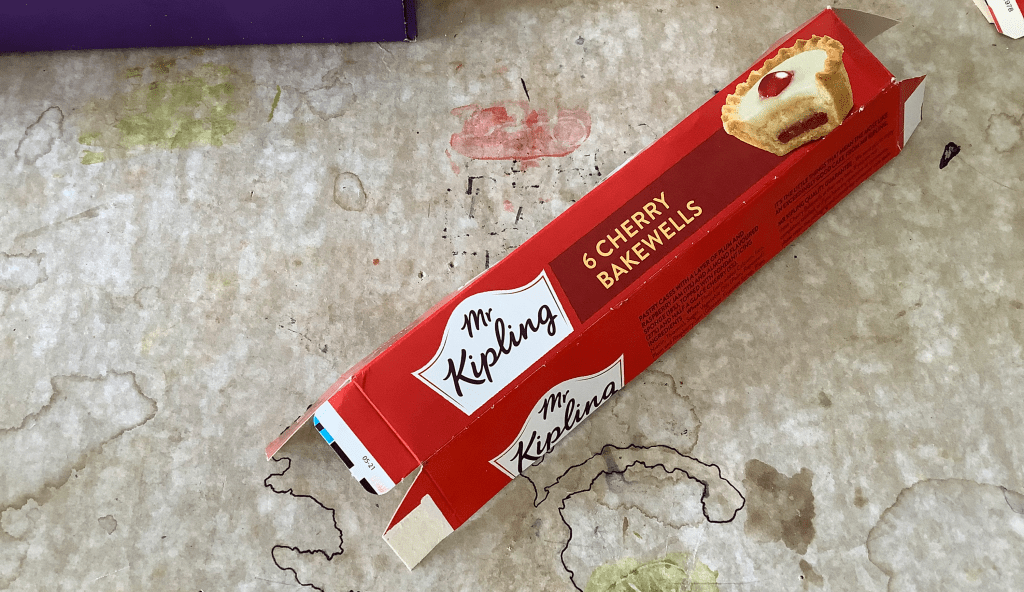
For this activity you will need a cereal packet, some thin card – eg another food packet – a stapler, scissors and glue. To finish you will need a flat board such as a cork table mat or chopping board, and some tape.
Cut the thin card (mine is a cake packet) into three strips that are a little longer than the width of the cereal packet and about 6cm wide. This you bend into box-shaped gutter. The side of my packet comes ready folded into this shape.
Fold and staple the flaps at one end of the gutter.
At the other cut a gap in the base of the gutter and then fold and staple the end flaps.
Once all three gutters have been made, glue these to the side of the cereal packet. Angle the gutters so that they slope downhill with the gap/ hole at the lower end.
It may help if you unstick the bottom of the cereal packet so that you can lay it flat.
Cut out triangles of plain paper to fill the gaps between the gutters. On these you draw some pictures or write a message – as I chose to do. Glue these onto the cereal packet.
To make the marble run stable, we are going to fix it to a flat board – I used an old chopping board. If you haven’t already, unstick the bottom flaps of the cereal packet and spread them out. Place the cereal packet on the board and tape the flaps down. Now your marble run should be stable. If it still a bit wobbly put a packet of sugar or a tin of baked beans inside the cereal packet to weigh it down.
Action 86 : Plan now for a less materialistic Christmas. Shortages in the shops might be a blessing in disguise encouraging us to plan for a celebration focused on people rather than lots of food and presents. Think about what you most enjoy about celebrating Christmas.
Last week we looked at the tendency for agriculture to a) expand into virgin territory at the expense of flora and fauna biodiversity, and b) to be concentrated around a narrow number of crops and animal species. Agricultural practices are the source of further challenges.
In a drive to be more productive and more economic, many agricultural businesses have gone for the large scale – large farms, large fields, large machinery – creating landscapes that devoid of trees and hedges and instead are vast tracts of identical crops. Monoculture does not support biodiversity. Fields of rape may provide near endless quantities of flowers that are attractive to pollinators, but once they have flowered there is a dearth of food sources for those pollinators. With their demise, comes the demise of other birds and animals that rely on them as part of the food chain.
Monoculture also provides a good environment for the spread of plant diseases and the proliferation of weeds – the latter might be suppressed by a diversity of plants, some overshadowing the weeds, or by insects and larvae that might feed on them. The net result is that to sustain monoculture, crops must be sprayed with pesticides and herbicides, neither of which is good for biodiversity. For the soil this can be a particular problem. Soils rely on insects, beetles, and many micro-organisms to keep the soil rich with nutrients and to maintain a good soil structure. Soils that become damaged or depleted of nutrients become reliant on the addition of chemical fertilisers to maintain their productivity. However these can be damaging to biodiversity, especially when nitrates are washed through the soil into local water ways where they form algae blooms and damage both flora and fauna.
Whilst agriculture can be part of the biodiversity problem, it can also be part of the solution.
Regenerative Agriculture
Whilst the term ‘regenerative agriculture’ was first used in the early 1980s as concept that aimed to make agriculture not just sustainable, but positively beneficial for the environment. However it has only more recently gained popularity.
There is as yet to fixed definition of what regenerative agriculture is, nor how it is to be practiced. Terra Genesis International working in Thailand has determined its principles as:-
Progressively improve whole agroecosystems (soil, water and biodiversity)”
“Create context-specific designs and make holistic decisions that express the essence of each farm”
“Ensure and develop just and reciprocal relationships amongst all stakeholders”
“Continually grow and evolve individuals, farms, and communities to express their innate potential”
What I think is interesting here is the inclusion of the people involved in farming and their communities.
No or low tillage, ie not ploughing the soil or removing the remnants of the previous before sowing, and maintaining some form of vegetative cover at all times. This helps to keep both CO2 and water in the soil, rather than it escaping into the atmosphere.
Diversifying what is grown using mixed planting, intercropping (including sylvan agriculture which grows crops in between trees), and relay cropping. There is a focus on growing more of what is needed locally which minimises the distance food has to be transported.
Using animals as part of crop rotation.
Not over grazing fields.
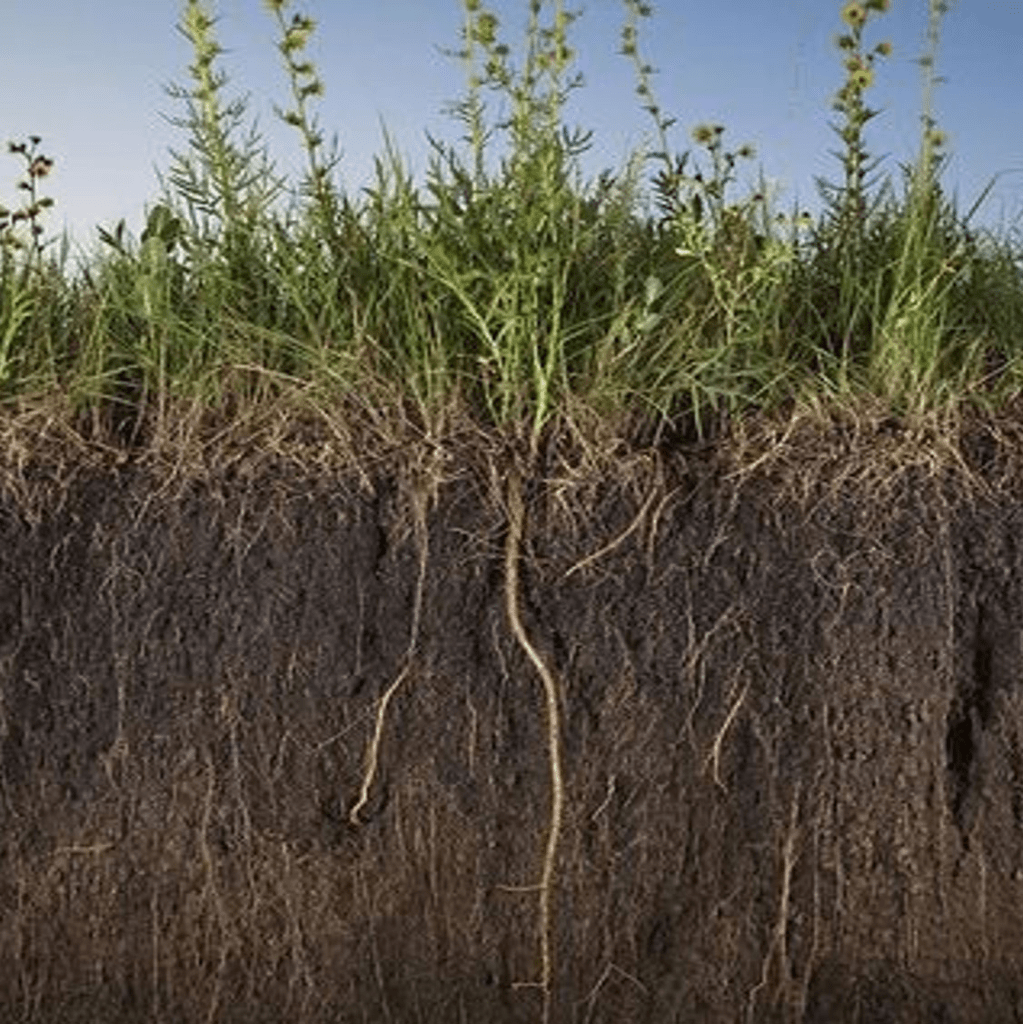
Stimulating micro-organisms in the soil by maintaining living roots in the soil at all times and by adding organic compost.
Avoiding the use of chemicals on the land and minimising antibiotics given to animals – sometimes these are used to stimulate growth rather than for treating diseases.
Adding tree, perennials and wild flowers to the landscape.
Rewilding areas of landing and creating corridors between them.
Such agricultural practices not only benefits biodiversity, they also improved get capacity of the soil to sequester carbon, reduce the carbon emissions of the farming industry, assist with flood prevention and reduce the water needed by farms.
For further reading on nature friendly farming, check out:-
The longer we are able to use an appliance or piece of equipment, the more we recuse it’s carbon footprint: the carbon footprint of manufacture is spread over a greater number of years, and the carbon footprint of recycling it is deferred.
Before buying anything new, do some research to discover which make or model is most efficient to use, is durable and easy to repair.
Regular cleaning. Dirt and dust can all damage surfaces and wear moving parts.
Keeping your oven and hot plates clean, prevents burnt on food from reducing their heating capacity. Ditto for irons.
Remove crumbs from toasters – they can catch fire!
Dust the cooling coil of your fridge so that it can operate efficiently. (Working efficiently saves on energy and prevents premature wear of motor). NB there may also be a vent at the back off your microwave where dust can also build up.
Regularly defrost freezers and ice compartments to enable them to work efficiently.
Ensure there is a sufficient air space around both fridges and microwaves so excess heat can dissipate easily and enabling them to run efficiently.
Remove dust from ports and keyboards on mobile phones, tablets and computers.
Clean screens on mobile phones, tablets etc to maintain their touch sensitivity. Fingers are naturally greasy.
Invest in a protective case for your phone or tablet
Keep mobile phones, tablets etc up to date with software updates.
Remove unused apps as they will be a drain on your battery life.
Avoid letting mobiles phones, tablets etc get too hot (don’t leave them in the sun) not too cold.
Ideally don’t overcharge your batteries not let them run completely flat. The ideal is between 20% and 90%.
Replace the battery in your phone etc rather than buying new.
To conserve your battery turn off phones etc when not in use – eg at night time.
Clean seals around the doors of fridges, ovens and washing machines etc.
Replace seals when they do wear out.
Descale washing machines: the harder your water, the more frequently this will be needed.
Avoid over or under loading your washing machine.
Measure out laundry liquid – too much can lead to a build up in the machine
Empty pockets before washing to ensure small coins etc don’t get into your washing machine where they might cause damage.
Clean out the drain filter from your washing machine to prevent damage to the pump and / or flooding.
Descale kettles.
With LED televisions you can prolong the life of the screen by reducing the background level of lighting and by limiting the number of hours you watch.
Organise an annual maintenance check for your boiler.
Writing this, I am reminded that I should keep my gardening tools clean and the wooden handles re- oiled.
B Corps – Benefit Corporations – are the fair trade equivalent for businesses. Whilst remaining profit making concerns these are businesses that also undertake to meet certain in social and environmental standards. Their bottom line is threefold: profit, people and planet.
To attain B Corp status companies are assessed against five categories:
Governance – the way their business is run internally
Workers – how they are treated and paid
Social sustainability – how they support or contribute to society, including charitable donations
Environmental – how they contribute to environmental sustainability
Product – the social and environmental benefit of what they produce
Provided they meet the minimum standard, they are awarded B Corp certification. This is reviewed on a three yearly basis.
The benefit for the business is an enhanced brand image, and improved ability to recruit staff and investors. The downside is the cost of obtaining certification which might exclude some small but ethical businesses.
There are 2778 B Corps world wide and 193 based in the UK. They include OddBox and Riverford veg boxes, Innocent and Danone drinks etc, Triodos and Coutts banks, Judes icecream, Lilly’s pet food, Volcano coffee roasters, Camden Town brewers, Vibro Barefoot shoes, and various media, marketing, and management companies. A full listing can be found here: https://bcorporation.uk/directory?search=&industry=&country=United%20Kingdom&state=&city=&page=5
Social enterprises also aim to make a profit, which they then use to create positive social change through providing training and employment opportunities, supporting businesses in marginal areas, helping end homelessness, making donations to support communities in need etc. Increasingly social enterprises are focusing on environmental outcomes too. They tend to be small concerns, including repair workshops, bakeries, cafes, arts venues, grocery stores, gardening units, local energy generation, recycling units etc. Social Enterprise UK lists how you support these enterprises through what you buy: https://www.socialenterprise.org.uk/buysocial/where-can-i-buy-social/
The money in our pockets, like (or perhaps better than) our vote in an election, can change the world we live in.
‘A dog is for life, not just Christmas.’ A message created 40 years ago by the Dogs Trust and still valid today. The Trust encourages people to think carefully before buying a puppy, to thoroughly research the implications of being a dog owner, understanding the needs and demands a dog will make and assessing whether these are compatible with the family’s own lifestyle. And remembering that ability to,love and care for the dog needs to be there for the whole of its life span.
Each year scientists calculate how much resources are being used globally and the rate at which those resources are being renewed. Are we using more resources than the planet can sustain or less? In 1987 the first recorded Earth Overshoot Day was 23rd October. This year (2021) it was 29th July. We are consuming way more resources than the earth can sustain. In such a world we need to give the same consideration when we buy and use things, as we do when we buy a new pet.
Only buy what you need and want. Don’t feel forced into buying something you won’t feel happy with.
Consider the life of the thing: will you use it to its full life span? If not, can you see an obvious way in which you could pass it on so that it can continue to be used? Books can readily be passed on to another reader, children’s clothes to another family.
Be willing to buy second hand/ pre-loved items.
Be willing to rent, borrow or share things.
Research before you buy. Is the item ethically produced? Is it durable? Is it easy to repair? What is its carbon footprint? Can it be recycled when its life ends?
A well designed item may cost more: can you be a patron of good design and workmanship?
An item made with long lasting materials may cost more, but balanced out over its life time, it may be more economic too.
Extend the life of what you buy by ensuring you use it properly and keep it well maintained. Eg keep shoes clean and well polished. Regularly clean and service cycles. Don’t over wash woollen goods.
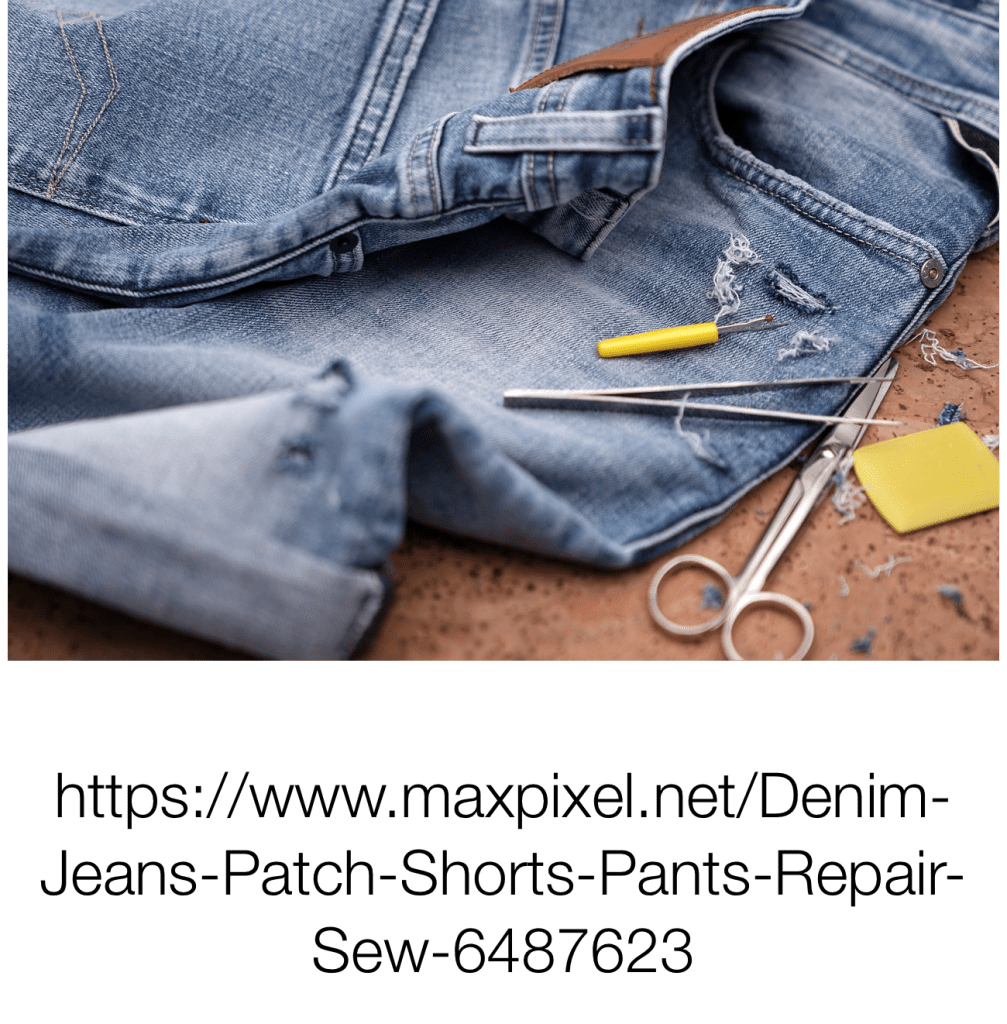
Repair things that break. Some things you will be able to repair yourself. Others may need to help of an expert. There is growing trend for repair cafes where even fiddly electronic items can be mended.
Think about the end life of what you are buying. Can you recycle it once its life has come to an end? If not is there something else that is recyclable that you could buy instead?
Is what you are buying made for a sustainable or recycled material?
Single purpose items may be ideal, but might you get more value from something that serves a multiple of purposes?
Can we repurpose things when their initial use has come to an end?
Do all gifts need to be things? Could you gift experiences or services instead? Do we always need to give things to show our love or thanks?
Over the last few weeks Green Tau has looked at various aspects of our
The Carbon Trust has a carbon footprint labelling scheme which it is hoped will grow in popularity
individual/ household carbon footprint and how we might reduce it as part of the overall global target of achieving net zero by 2050.
The things we buy all have their own carbon footprint, whether that’s a pair of socks or a new car or a newspaper. The carbon footprint of things includes growing or producing the raw materials, be that iron, cotton, timber etc. Then there is the processing of those materials – turning iron into steel, spinning the cotton into yarn, timber into paper. And a further series of processes will transform those elements into the final product. Then there is the carbon footprint involved in transportation between the various stages of production and onwards to the warehouse and shop.
It is a complex chain with lots of variables which may explain why it is hard, as consumers, to establish the carbon footprint of most consumer goods. But here are a few:-
A newspaper 0.3 – 0.8kg CO2
A pair of poly cotton pants (underwear) 0.6kg CO2
A paperback book 1 kg CO2
A cotton T shirt 2-3 kg CO2
A pair of trainers 10-15 kg CO2
A pair of jeans 20 kg CO2
A smart phone 55 kg CO2
A lap top 119 kg CO2
A land rover 35 tonnes CO2
The book by Mike Berners Lee, How Bad are Bananas?, is a good reference point.
Can we reduce our carbon footprint when buying things? Yes.
We can do some research and find out which products might have a lower carbon footprint. For example organic cotton has a lower footprint than non organic cotton because it doesn’t use pesticides and fertilisers. Polyester items have double the carbon footprint of cotton ones, but some polyester fabrics are made from recycled plastic which is better than that made from oil. Synthetic fabrics such as viscose and rayon are made from cellulose – eg from wood or bamboo – but require a high chemical input which adds to their carbon footprint. Tencel on the other hand uses a process with a much smaller footprint.
We can consider the life span of the product. A lap top that only lasts 2 years is less environmentally friendly than one with a lifespan of 10 years as the initial carbon cost is spread over 10 rather than 2 years. We might at this point also consider how easily the product can be repaired. Some laptops are more readily repairable. Maybe the product is something we can repair ourselves such as darning a pair of socks or replacing a zip on a pair of trousers.
We can consider the running costs involved with the product. How much energy will it take to recharge different smart phones? How much energy will different flat screen TVs use? What about buying a hand powered alternative such as hand turned coffee grinder or a manual whisk?
We might consider whether the product has an after life – ie can we pass on to someone else when we have finished with it? Books we have read can be passed onto a friend and donated to a charity shop. The same is true of clothes. Children’s clothes can be passed onto a younger sibling, or you might hold a ‘swishing event’ with friends.
We should also consider how the product will be recycled at the end of its life. Some clothes manufacturers and retailers will take back old clothes and recycle them. This is easier when the fabric is from a single rather than a blend of materials. Newspaper and books can ultimately be recycled with other paper products. Electrical goods are currently less readily recycled.
Alternatively we could borrow, rent or buy second hand. Equally we should consider whether we need the thing anyway! If we are to achieve net zero as a world, I am sure it means we will have to consume less, repairing and reusing what we do have.
Reducing our carbon footprint in the home is essentially about reducing the amount of energy we use – whether that is for lighting, cooking a meal or having a wash. Here are some tips.
If you have an emersion heater, make sure it is well insulated.
Have a shower rather than a bath. Limit the length of your shower time especially if it is a high pressure shower – a 9 minute pressure shower uses more energy than a bath!
Instead of a daily shower, wash with a flannel. We are seldom as dirty as we might think!
Dishwashers are meant to be efficient but are not always the most ecological way of washing up. A dishwasher uses 1KWh for a 70-100 minute programme. Heating 2 litres of water to fill a washing up bowl uses 0.2KW.
Boil only as much water as you need when making hot drinks.
When boiling with a pan on a stove use a lid to keep the heat in (except when cooking pasta as the water will boil over).
Limit how many pans you need to cook a meal. Try and reuse a hot plates whilst they are still hot.
Turn off the hot plate (if electric) before the cooking time is over so as to make good use of the heat in the hot plate.
If you are using the oven, plan to cook several things at once to make full use of the energy you are consuming.
Use a microwave for steaming vegetables, stewing fruit, making porridge/ custard etc.
Run your washing machine on its coldest setting and choose the shortest programme time.
Only run the washing machine when it is full.
Don’t wash clothes until they need it: ie they smell sweaty, have a tide mark or spots. We have grown used to the idea of washing everything all the time!
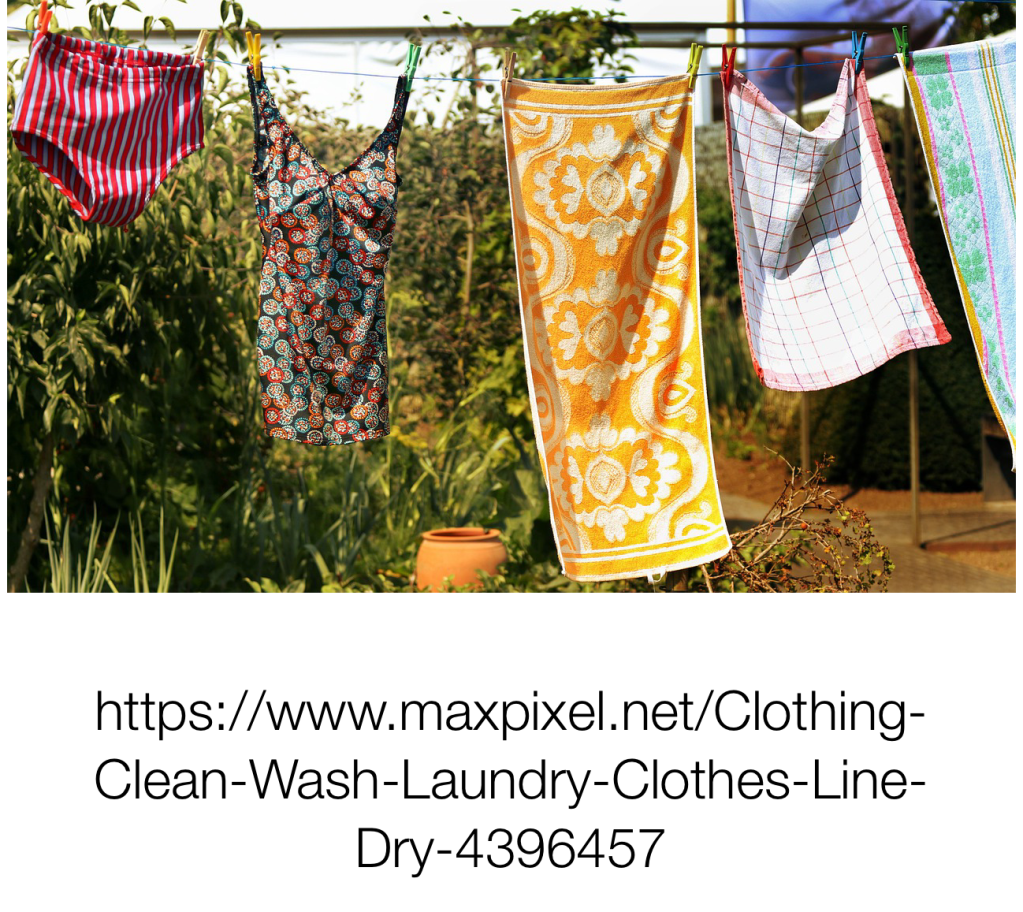
Hang washing outside to dry. Ideally wash things in the morning to allow plenty of drying time, especially in the winter.
When it’s raining, hang wet washing inside on a clothes dryer.
Many kitchen appliances are labour saving but doing things by hand is good for arm muscles – and arm muscles can be applied for different purposes obviating the need for lots of small appliances.
Similarly in the garden, manual appliances such as lawn mowers and brooms are good for exercise and fitness.
Turn off appliances when not in use as they will still be drawing a small amount of electricity.
If you have solar panels choose to run electrical appliances when the sun is shining. The electricity will power these directly without any loss via the distribution system.
Don’t buy new appliances until you need them. Do some research, which are ecological; which energy efficient; which have a long life; which are easily repaired if they break down? Check out Ethical Consumer’s advice: https://www.ethicalconsumer.org/
Consider buying second hand.
If you will only need an appliance for occasional use, consider borrowing one – eg via neighbourhood app.