I loved this headline from Ethical Consumer, promoting Second Hand September.
“Climate change and cost of living – if you find yourself caught between two crises, perhaps Secondhand September may help. Buying secondhand is one of the best ways to reduce both your carbon footprint and your monthly outgoings.
“Pre-loved items reduce the water, raw materials and energy associated with their production. And they’re often far cheaper than new, so you can either save money or buy better quality items than your budget would usually allow.”
How do we protect and preserve fresh water supplies – part 4
As consumers we can use less water by reducing the amount we literally take from our taps, but we can also reduce the amount we consumer by reducing some of the things we buy. Everything we consume has a water footprint. Here again there is a strong argument for eating less meat and dairy and more nuts, seeds and pulses, and locally produced, in-season fruits and vegetables.
1kg of beef uses 15,415 litres of water, milk 1020 litres and vegetables an average of 322 litres. (1) Dried beans use 5053 litres , lentils 5874 litres and shelled walnuts 9280litres. (2) (NB a portion of beef will typically be twice the weight or more of a portion of beans or pulses).
Another significant item of consumption that can impact our water footprint, is clothing. Making clothes – growing cotton, manufacturing threads and dying the fabrics – uses a significant amount of water.
To produce a T-shirt can use 2000litres of water, a pair of jeans 11,000 litres, a pair of leather shoes 8000 litres. (3)
If we buy fewer items of clothes – buying items we know we like and they we know will last – rather than buying lots of new items which we may wear once and discard, we will make an impact on reducing water consumption and save money too! Clothes will last longer of we take care of them, mending and cleaning them as necessary. And if we no longer need or want them, we can give/ sell them as preloved items. Equally we can save water and money by ourselves buying preloved items.
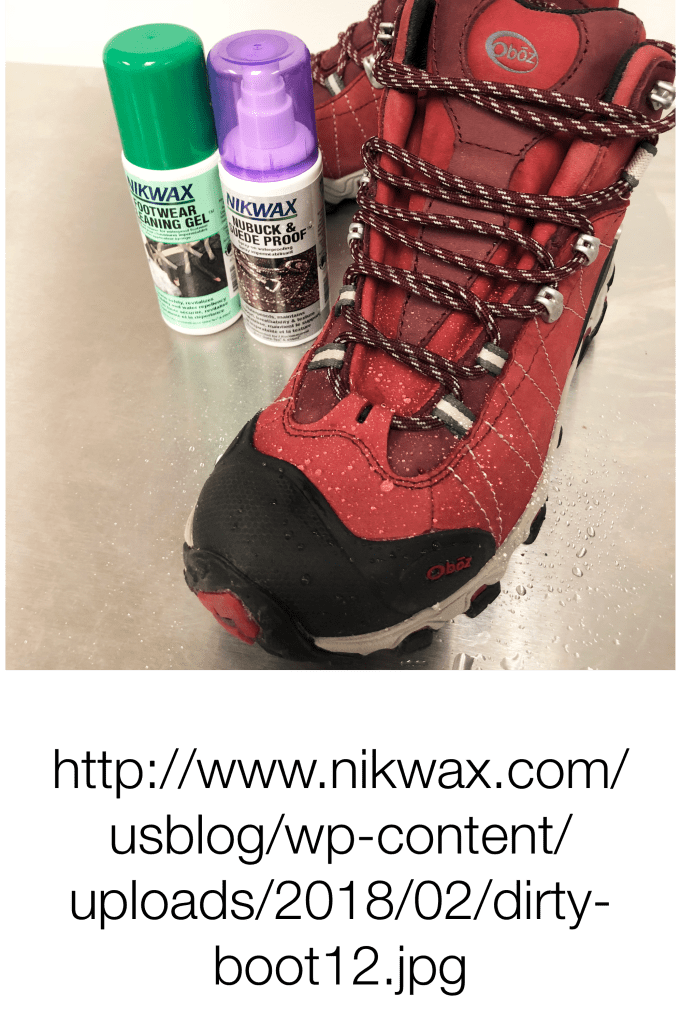
Wellington boots are ideal for jumping in puddles! Growing up in rural Warwickshire in the 60’s and 70’s, Wellington boots were the main footwear for a good half of the year. We wore them so often they would physically wear out developing cracks around the ankle. Now I have walking boots to cover both wet days and long walks. Regular cleaning and re waterproofing ensures my feet stay dry. Good maintenance prolongs the life of so many things we own and is something sustainability counts on.
Waterproof garments also last longer when regularly cleaned and waterproofed.