
Counting on … day 103


7th July 2025

Making good use of ‘waste’ food. Food waste is a sizeable problem in terms of food that could be eaten by people who struggle to afford food, in terms of the ‘waste’ of water and other resources used in producing wasted food, and in the unnecessary contribution to greenhouse gas emissions.  

In our household situations we can avoid wasting food by not buying more than we need /can store; not cooking more than we will eat – portion control; reusing left over food such as making bread pudding with stale bread, making salads with left over potatoes; making jams and pickles with excess fruits and vegetables; making compost using teabags, outer leaves of cabbages etc; making vinegar with apple cores.

Vegan bread pudding – https://www.wandercooks.com/chester-squares-gur-cake/#recipe

Jam, chutney and pickles – https://greentau.org/2021/08/23/preserving-fruit-and-vegetables/

Cider vinegar – https://greentau.org/2021/10/07/count-down-75/

https://www.nationaltrust.org.uk/discover/gardening-tips/how-to-make-your-own-compost
Counting on … day 99

3rd May 2024

Food waste is an issue in homes too. We aim to minimise such waste by not buying more perishable food items than we need. Getting used to how much a person eats, and how much makes a serving, helps. As does a shopping list. Additionally as most of our meals are cooked from scratch it is is easy to prepare only as much food as is going to be eaten. If there are leftovers they are refrigerated and become the next day’s lunch. 

Tea bags, coffee grounds, the outer leaves of a cabbage or onion skins all go in the compost heap. Being vegan there are no bones or skins to be disposed. Root vegetables are washed and used, peel on. Apple cores become cider vinegar, and lemon rinds become preserved lemon. Excess amounts of root and cabbage-like vegetables become sauerkraut, and surplus fruit from the garden is bottled, or made into jam or chutney. During the summer the excessive growth of nasturtium leaves and rocket are made into pesto and bottled for use in the winter. 

And it is surprising how many different fruits and vegetables you can use to make a delicious soup!

Further reading – https://wrap.org.uk/resources/report/household-food-and-drink-waste-united-kingdom-2021-22

https://www.lovefoodhatewaste.com

Counting on …day 153

15th April 2022

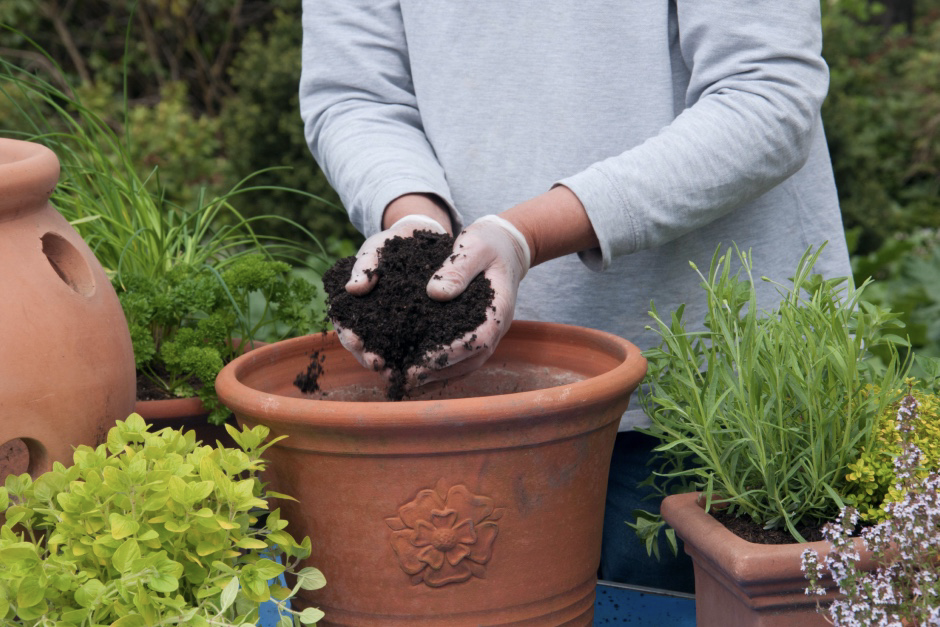
One way of reducing waste, packaging and shipping, is to make your own at home. The RHS gives this recipe for making potting compost: 

Make your own potting compost:  For potting on and containers: 

4 parts loam (soil) 

1 part garden compost, municipal green waste, or well-rotted manure

1 part leaf mould

1 part sharp sand

1 heaped trowel of seaweed meal per loaded wheelbarrow

This is a basic mix. Add more sand for alpines and herbs, and use composted bracken instead of garden compost for acid-loving plants like blueberries.

https://www.rhs.org.uk/gardening-for-the-environment/low-carbon-gardening/low-carbon-container-growing