
Counting on … day 121

9th July 2024

This year we returned (by train) to Wengen in Switzerland where we had not been for four years. We noticed a few changes – shops that had closed (sadly the pharmacy) and hotels that were being rebuilt. But most surprising was the arrival of take-away coffees. There are now at least three outlets where you can buy a take-away coffee – at the news kiosk by the station, at the Co-op, and from a new small coffee shop in the main street. Whereas before people bought a coffee in a real cup and sat down to drink it, now they could buy a coffee and walk the streets with it in a throw-away cup.

With that comes the environmental cost of making single -use cups, collecting them after use and – provided they don’t end up in landfill – recycling them. Like buying water in a plastic bottle we have been sucked into a throw away culture on the false premise that it is both cheap and convenient. 

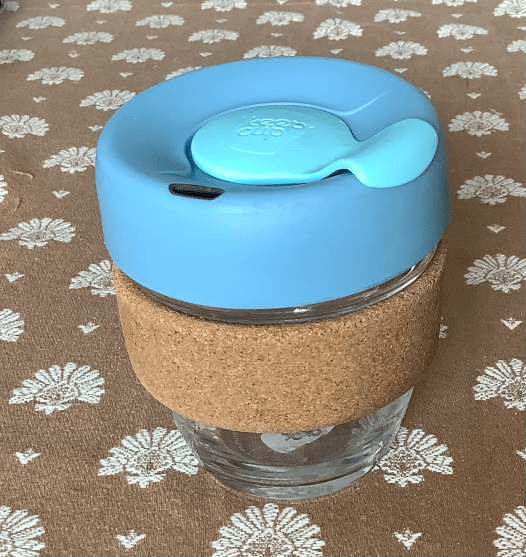
We can begin to change that culture by opting for a ‘sit down coffee in a cup’ and where that is not possible, carrying and using a ‘keep-cup’.

From a previous posts on keep cups – https://greentau.org/2022/08/24/counting-on-day-288/
Counting on … Day 4

4th January 2024

Keep a keep-cup handy

Reducing waste is good for a planet where we currently consume resources faster than they can be replaced. At current rates of consumption, the UK would need 2 and 1/2 planets’ worth of resources. (https://overshoot.footprintnetwork.org/how-many-earths-or-countries-do-we-need/

Using valuable paper and plastic to make a cup that will be in use for maybe 10 minutes whilst the beverage is drunk, and will then require further resources to recycle it, doesn’t make sense – especially as a few as 1 in 400 are actually recycled. Surely it is better to either sit in and have your coffee in a proper ceramic cup, or to use a portable, reusable cup.

“A single-use plastic cup has an impact ranging from 10g CO2e to 30g CO2e, this large range is due to differences in waste management and material selection.  …Over the lifetime of a reusable cup 10.3kg of CO2e could be saved compared to using single-use cups instead (assuming 500 uses / cups of coffee).” https://www.zerowastescotland.org.uk/resources/environmental-benefits-reusable-plastic

Carrying a keep-cup with you when out and about is an easy habit to form. You might equally develop the habit of carrying a reusable water bottle. You might opt for a refillable lunch box, spoon or fork combo if you like buying take out salads, cakes etc. The refill app lists places where you can readily get  refills for water bottles, sandwich boxes etc – https://www.refill.org.uk/

Further reading – https://www.wired.com/story/paper-cups-toxic/

https://www.theguardian.com/business/2023/oct/21/warnings-over-eco-coffee-cups-that-pose-risks-to-health-with-toxic-resin?CMP=Share_iOSApp_Other

Counting on .. day 1.147

12th August 2023

following on from yesterday, the other option is to encourage people to carry their own travel cup with them. This needs promoting not just with customers but with baristas too. Twice recently I have handed over my keep cup to find that the barista makes the coffee in a disposable cup before tipping it into the reusable cup! And as you can imagine this somewhat destroys the skill used in making a flat white.

Counting on ….day 1:025

25th January 2023

Carry a keep cup and/ or a water bottle. We can help cafés avoid using throwaway cups by having our own ready to hand. (My preference is to sit in with a china cup but there are times when that is not possible!) There are some takeaway outlets that will fill you lunch box rather than supplying a throwaway container – https://www.refill.org.uk/

There are more and more places – including most main railway stations – where you can refill water bottles avoiding the need to pay for water in a single use plastic bottle.