Green Tau issue 33

10th February 2022

What happens to the plastic in our recycling bin?

Each week, here in the Borough of Richmond, our black recycling boxes with their mix of metal glass, metal and plastics are collected and taken away. What happens next?

The collected waste is transported to a materials recovery facility in Mansfield where iron and aluminium, glass and different plastics are extracted via various mechanisms including magnetic drums, weight and size sifting, infra red detection and hand sorting. Once sorted the recyclable plastic is compacted into bales and dispatched on the next stage of its recycling journey.  

At the recycling facility in Leeds, the plastic waste is sorted according to the type of plastic – HDPE (high density polypropylene, PET (Polyethylene terephthalate) – and according to the form of the plastic – bottles or tubs, semi rigid or film. From here the sorted plastic goes to reprocessing plants either in the UK or elsewhere in Europe. The waste plastic is turned into either flakes or pellets which can then be used to make new plastic items, either totally or partially replacing virgin plastic.

From Richmond’s waste, PET bottles are recycled in the UK where they are reprocessed as new PET bottles. HDPE plastic (such as milk cartons) are sent to plants either in the UK or in Belgium where they are reprocessed into moulded items such as containers, pipes or packaging. The semi rigid pots, tubs and trays made of polypropylene (PP)  are recycled either in the UK or elsewhere in Europe. The recycling process includes thoroughly cleaning the plastic to remove any contamination (you should still clean your plastic before putting it in the recycling bin). The recycled plastic are pelleted into a form that can be used to make imitation wooden items such as garden furniture. However new plants are being built which can produce food-grade recycled polypropylene (rPP).

“Packaging producer Berry is building a new polypropylene (PP) recycling facility in Leamington, United Kingdom, that  will produce food-grade materials with a target purity standard of 99.9 percent..Packaging produced from this rPP material will result in 35 percent less CO2 emissions, [&] require 50 percent less water consumption” https://www.recyclingtoday.com/article/berry-uk-polypropylene-recycling-plant/

Soft plastics such as crisp packets, biscuit wrappers, breakfast cereal bags, frozen vegetables bags etc are not – at present -collected by local authorities. Most supermarkets will collect plastic carrier bags for recycling and an increasing number are now also making provision to collect and recycle all soft plastic packaging. These items are made from LDPE (low density poly ethylene). Being lightweight and flimsy they need different recycling equipment from that used for the denser more rigid HDPE. To recycle LDPE new recycling plants are being built.

  “Yes Recycling is currently constructing a new facility in Glenrothes, to specialise in dealing with hard-to-recycle soft plastics – including cellophane, bread wrappers and film lids – which would previously have been added to landfill, burned or exported for processing… Financed in part with a loan from Triodos Bank, the new plant will be capable of processing 15,000 tonnes of soft plastic each year, giving the waste a new life by turning it into plastic flakes and pellets for manufacture, as well as a pioneering alternative to plywood, developed over the past 12 years, that can be used in construction.” https://www.triodos.co.uk/articles/2022/saying-yes-to-recycling—how-a-pioneering-new-facility-is-tackling-plastic-waste  The recycling plant is co-owned by the Morrisons supermarket chain.

To close the loop, we should expect to be able to buy products in bottles and containers made of recycled plastic. As of September 2021 all plastic bottles of 500ml or less for Coca-Cola will be made of  100% recycled plastic and will continue to be fully recyclable. 

Hellman’s squeezable mayonnaise bottles are also made of 100% recycled plastic whilst Persia laundry liquid bottles are made of 70% recycled plastic. Both brands are owned by Unilever. 

As consumers we can ask producers to both supply products in recyclable packaging and ask  that such packaging itself be made from recycled material. Equally we can seek out products that do not require additional packaging or that can be dispensed into refillable containers. This avoids the need to collect and recycle the packaging which – as can be seen above -can involved shipping waste over long distances and through various stages of processing. 

Eco Tips: Packaging

Become savvy.
Give packaging a long, hard look.
Is it necessary? Is it recyclable? Is there an alternative? Can you take your own packaging – be that a shopping basket, cloth bag or box?

There is little  – if anything – that we consume that does not have a carbon footprint which is why when we seek to reduce our carbon footprint, we should be reviewing everything that we consume. And that includes the packaging. Whether what you buy comes in a plastic bag or a paper one, whether it comes in a plastic tray or a cardboard punnet, whether it comes in a plastic bottle or a glass jar, whether it is wrapped in tissue paper or bubble wrap – that packaging will have a carbon footprint. If the packaging is excessive or simply unnecessary,  then we increase our carbon footprint with no gain or merit. Our aim should be to avoid unnecessary packaging and where packing is needed, to seek out packing that can  – and will be – recycled. 

Packaging Scenarios 

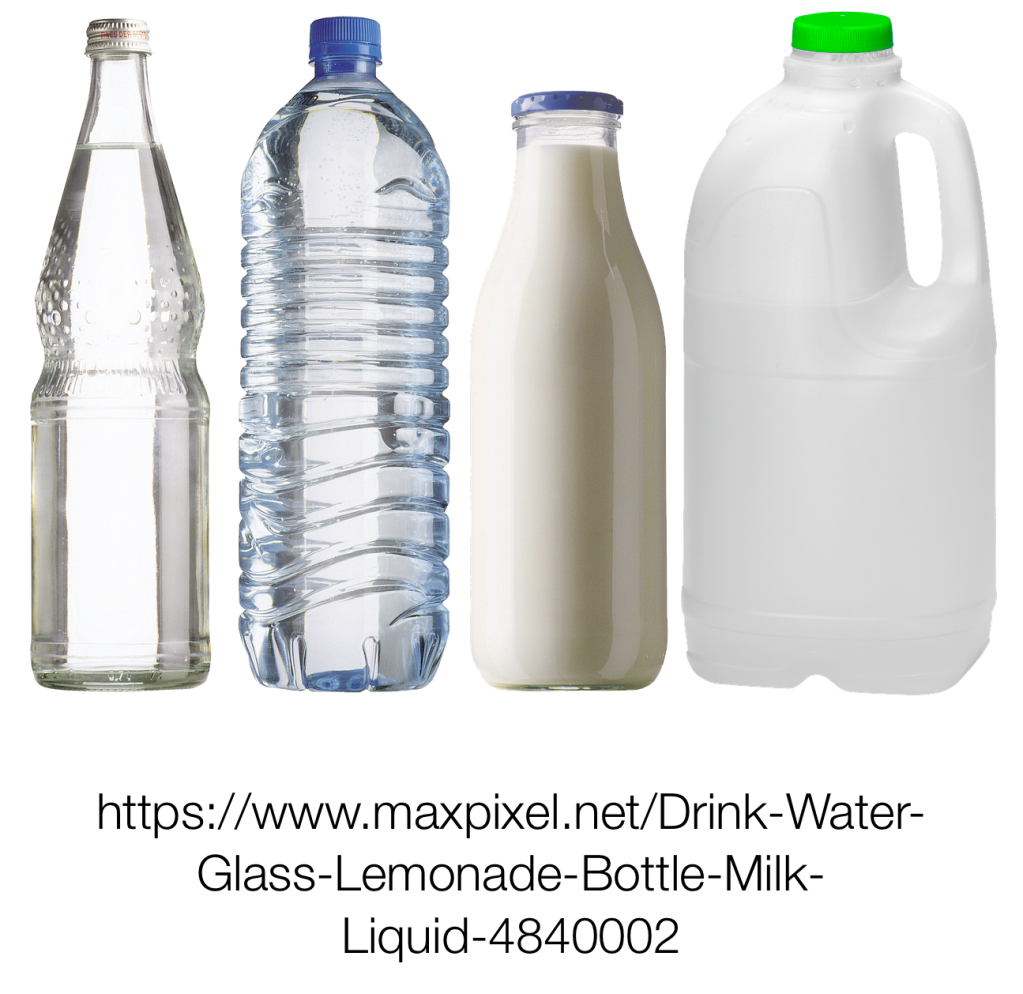
1. Some packaging is necessary: imagine taking home a pint of milk with no packaging! Milk is usually sold in plastic or glass or tetra-pacs containers – and in fact all these can be recycled (although the loop for tetra-pacs is not yet fully closed), whilst glass milk bottles can be reused some 60 to 70 times before being recycled. 

2. But some packaging is not. Do apples need to come in plastic bags (even if they are a compostable plastic substitute)? Loose fruit and vegetables can simply be picked up, weighed and popped into you own shopping bag/ basket.  

3. For some items such as strawberries and raspberries,  the packing prevents the items becoming damaged and potentially inedible . The carbon footprint of the packing may outweigh the carbon footprint of wasted food. Punnets are often made of PET plastic which can be fully recycled into a new punnet but the film on top is not so readily recycled –  the Co op has just introduced a recycling scheme which accepts all scrunchable plastics. 

4. Some packaging is excessive! Biscuits that come in a plastic tray inside a plastic sleeve, inside a cardboard box …. Refusing to buy such items  is the best response – and can feeling very satisfying. You might instead make you own ‘up-market’ biscuits with zero packaging

5. Some packaging cannot be recycled such as polystyrene or, in the case of black plastic, is routinely incinerated/ sent to landfill because the recycling machinery finds black hard to detect! 

6. But if fruit and vegetables can be bought packaging free, what about other things such as pasta or dried fruit? Soap or washing up liquid? There is a growing number of refill stores where customers can buy loose goods, decanting what they want into either their own reusable jar or  container, or into a paper bag.  


Eco Tips

Recycling Plastics

The world’s resources are finite. The more we personally use, the less there is for others. We should reuse, repair and recycle what we do use. 
Plastic is conventionally made from oil but can be made from recycled plastic which has  both a smaller carbon footprint and allows virgin oil to be left in the ground together with its potential carbon emissions. 

Recycling plastics is a good thing.


Whilst all plastic can potentially be recycled, with some forms of plastic the process is deemed too expensive.  Plastics that can easily and cheaply be recycled are typically the ones that can go in your kerb side recycling bin  or in recycling points at super markets etc. Items made of several different plastics can be difficult to recycle but more and more business are making this possible. Costa Coffee collects coffee cups for recycling (typically made of paper with a thin plastic lining). Superdrug collects blister packs from pills etc for recycling. 

32% of all plastic in the UK was recycled in 2020: including 50% of plastic packaging and 77% of plastic drinks bottles. Plastic that is not recycled ends up in landfill sites or incinerators, or as pollution in rivers and the sea. There is scope for more and better recycling. Equally there is scope for reducing the amount of plastic that is in circulation. Do we need all that plastic packing? Do bananas need to come in plastic bags? Do we need drink coffee from throw away cups? Why aren’t sandwiches wrapped in paper? 

Good Plastic Recycling Practice

  1. Before throwing plastic in the land waste bin, check whether it could be recycled. If necessary contact the manufacturer. If enough people keeping asking, they may even swop to a more readily recycled plastic.
  2. Check the type of plastic you are recycling. Is it a recyclable plastic that can go in your kerb side  bin or do you need to take it to an alternative recycling point? The ‘wrong’ sort of plastic can contaminate the recycling process.
  3. Make sure the plastic is clean: rinse to remove traces of food, detergent etc. Dirty plastic can contaminate the recycling process.
  4. Stack plastic trays together to minimise the amount the of space they take up – this stops your recycling bin from overflowing and reduces the need for larger sized recycling  trucks.  Similarly flatten plastic bottles. Both these practices will prevent loose items of plastic being falling or being blown out of your bin.
  5. Twin your Bin and help improve recycling across the globe. https://www.bintwinning.org/ 

The Green Tau Issue 6, 4th July 2021 Plastic: the pollutant we live with daily.

Organic September, Movember, Veganuary, No-Mow May and now, Plastic-free July. Most months  have a focus on changing habits to create a better future. Plastic-free July advocates remove all plastic from our daily lives – from the tooth brush in the bathroom, the plastic fruit packet from the supermarket to the once ubiquitous plastic carrier bag. The use of the latter has fallen by 85% since the introduction of the plastic bag tax! Why is it desirable to get rid of plastic?

Plastic is made from oil, one of the main sources of carbon dioxide emissions causing global warming. Producing one tonne of plastic generates up to 2.5 tonnes of carbon dioxide (Material Economics, 2018). As the world’s use of plastic rises, so does its consumption of oil. In 2014 we the world produced 311 million tonnes of plastic. This figure is expected to triple by 2050. (World Economic Forum)

One way of reducing the carbon footprint of plastic is to reuse existing plastics. Some items such as PET bottles, widely used for soft drink, can be recycled repeatedly. This is closed loop recycling meaning that the plastic is recycled to create an identical replacement item. (Open loop recycling recycles plastics but produces a lower grade plastic for which an alternative use must be found). To be effective closed loop recycling depends upon consumers ensuring that they do put their plastics – washed and clean – in the correct recycling bin and upon manufactures using exclusively that recycled plastic. In the UK only  30% of plastics are recycled!

Plastic rubbish pollutes our streets, rivers, woodlands, and oceans. It doesn’t naturally decay and instead remains intact for 100s of years. Plastic that does tear and break down into smaller and smaller pieces still doesn’t decay. Micro plastic particle have been found polluting glaciers and icecaps, and polluting oceans where it is being ingested by sea birds and fish. Micro plastics are also found in the air we breathe and in the water we drink!

 (https://www.theguardian.com/environment/2019/dec/27/revealed-microplastic-pollution-is-raining-down-on-city-dwellers

Current estimates suggest that 8 million tonnes of plastic end up in the oceans every year adding to the 150 million tonnes already there. Projects are now being set up to remove plastic waste from the oceans. In 2020 a 48 day expedition by the Ocean Voyage Institute removed 103 tons from the Great Pacific Garage Patch. Other projects are being developed to process such waste into reusable plastic based materials: Patagonia uses recycled marine polyester in its clothes, Parley Ocean Plastics supplies material for Adidas shoes and Waterhaul in Cornwall uses marine plastic to produce sunglasses.

This is till only ‘a drop in the ocean’! The better solution is not to use the plastic in the first place.  Hence Plastic Free July! Why not start now?

Plastic Free July’s own web site is a good starting point as is that of Friends of the Earth and City to Sea. You will also find plenty of web sites looking to sell you plastic-free products – and possible more than you need! Our own personal experience of shifting to a – largely – plastic free lifestyle began by collecting all the plastic that came into the house over a two week period. Then for each item we looked to see if there was a plastic free alternative for the product itself or of buying the same product without the plastic packaging, or whether we actually could manage without the item altogether. Over the next few months we looked for tried different ways of shopping – going to farmers’ markets, refill stores, buying in bulk, taking our own washable box to the butchers or coffee jar to the roasters – until we found the best fit for our lifestyle. Even today we are still making adjustments as new options become available. We have also written to suppliers asking them to use plastic free packaging. Whilst I don’t often have anything positive to say about Amazon, they have developed a simple straightforward cardboard packet for their deliveries!

Our own shift towards plastic-free and zero waste living has reduced both the amount that goes into our recycling bins as well as what goes into our dustbin. The latter is currently needs emptying twice a year.

https://www.plasticfreejuly.org/get-involved/what-you-can-do/category/getting-started/

https://friendsoftheearth.uk/sustainable-living/how-go-almost-plasticfree-kitchen