Become savvy.
Give packaging a long, hard look.
Is it necessary? Is it recyclable? Is there an alternative? Can you take your own packaging – be that a shopping basket, cloth bag or box?
There is little – if anything – that we consume that does not have a carbon footprint which is why when we seek to reduce our carbon footprint, we should be reviewing everything that we consume. And that includes the packaging. Whether what you buy comes in a plastic bag or a paper one, whether it comes in a plastic tray or a cardboard punnet, whether it comes in a plastic bottle or a glass jar, whether it is wrapped in tissue paper or bubble wrap – that packaging will have a carbon footprint. If the packaging is excessive or simply unnecessary, then we increase our carbon footprint with no gain or merit. Our aim should be to avoid unnecessary packaging and where packing is needed, to seek out packing that can – and will be – recycled.
Packaging Scenarios
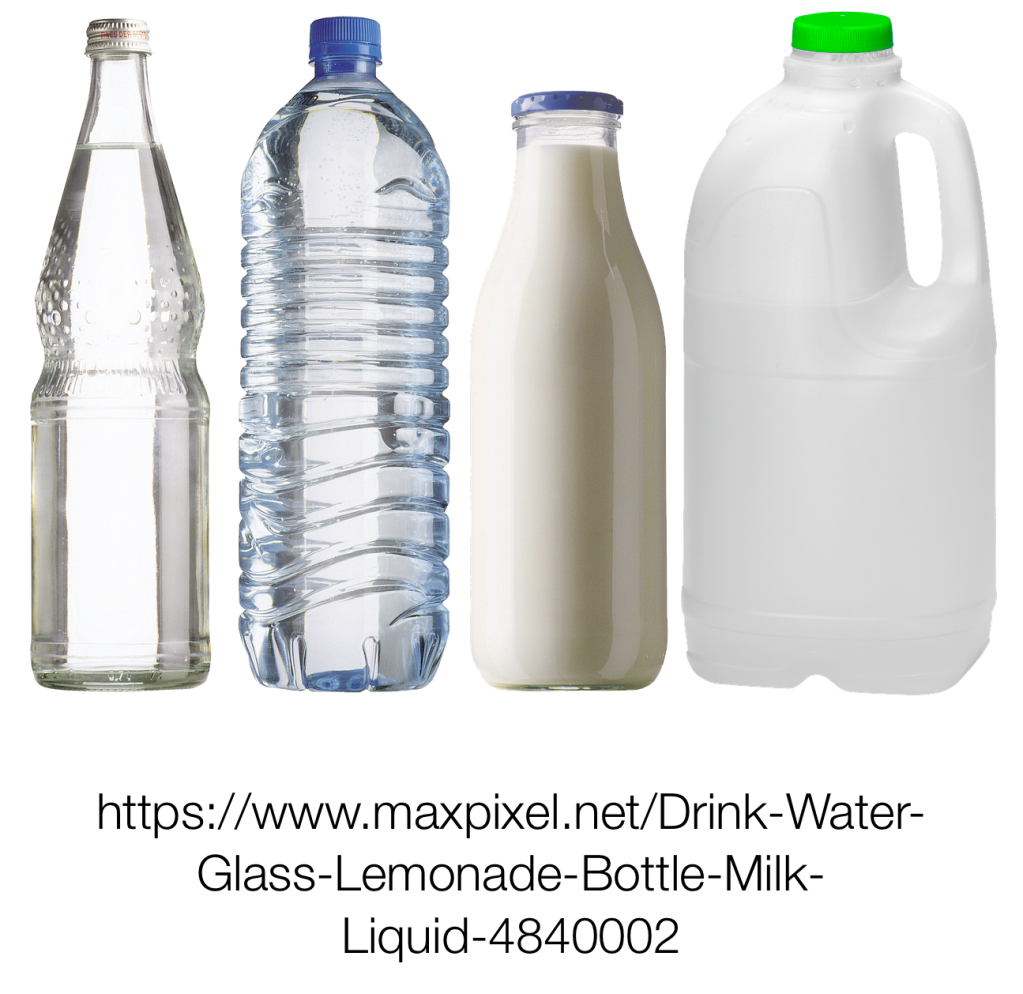
1. Some packaging is necessary: imagine taking home a pint of milk with no packaging! Milk is usually sold in plastic or glass or tetra-pacs containers – and in fact all these can be recycled (although the loop for tetra-pacs is not yet fully closed), whilst glass milk bottles can be reused some 60 to 70 times before being recycled.
2. But some packaging is not. Do apples need to come in plastic bags (even if they are a compostable plastic substitute)? Loose fruit and vegetables can simply be picked up, weighed and popped into you own shopping bag/ basket.
3. For some items such as strawberries and raspberries, the packing prevents the items becoming damaged and potentially inedible . The carbon footprint of the packing may outweigh the carbon footprint of wasted food. Punnets are often made of PET plastic which can be fully recycled into a new punnet but the film on top is not so readily recycled – the Co op has just introduced a recycling scheme which accepts all scrunchable plastics.
4. Some packaging is excessive! Biscuits that come in a plastic tray inside a plastic sleeve, inside a cardboard box …. Refusing to buy such items is the best response – and can feeling very satisfying. You might instead make you own ‘up-market’ biscuits with zero packaging
5. Some packaging cannot be recycled such as polystyrene or, in the case of black plastic, is routinely incinerated/ sent to landfill because the recycling machinery finds black hard to detect!
6. But if fruit and vegetables can be bought packaging free, what about other things such as pasta or dried fruit? Soap or washing up liquid? There is a growing number of refill stores where customers can buy loose goods, decanting what they want into either their own reusable jar or container, or into a paper bag.




 The Green Tau