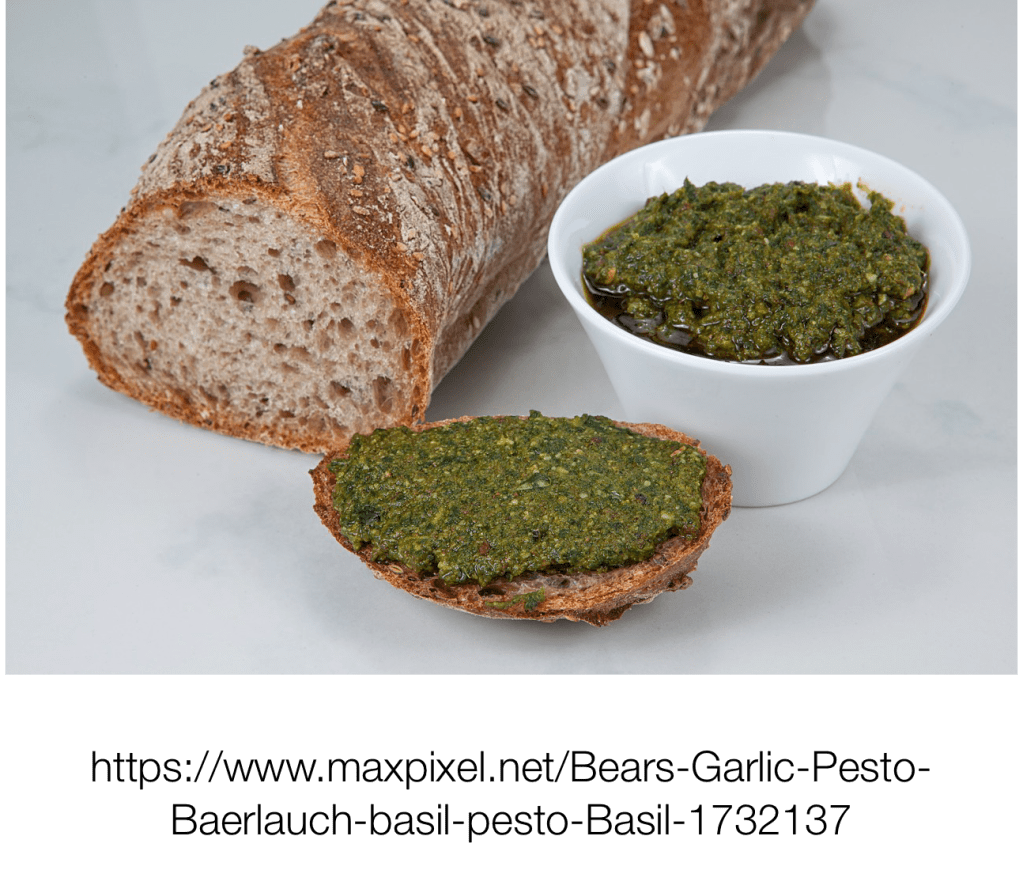
Action 25. Try out a new vegan recipe or have a go at this recipe for vegan pesto.
Vegan Pesto
In a food processor grind 50g of almonds till coarsely chopped.
Add to the processor 1 or 2 cloves of garlic, the juice of 2 lemons and 100ml of olive oil.
Add 500ml of green leaves such as rocket, nasturtium leaves or basil – or a mix of such peppery tasting leaves. (If the leaves are torn into smaller pieces it will enable the mixture to process more easily).
Blitz everything until it is a thick paste.
You can add more oil and lemon juice if you want a slacker paste.
If you are not using the pesto immediately, store in a covered jar in the fridge.
Governments and businesses do certainly exert control over various aspects of what can and cannot do, yet we may be surprised how much we can do to reduce our individual – and therefore to our national – carbon footprint.
The WWF estimates that the production and consumption of food accounts for 20% of the UK’s green house gas emissions which currently equates to 82 million tonnes a year – say roughly 1.5 tonnes per year person. By changing how we eat and shop, we can substantially reduce these emissions.
Reduce the amount of meat and dairy products you consume. Globally 58% of GHG emissions for food arise from the production of meat and dairy items. Agricultural animals have to be fed, and to ensure good productivity, their food is nutrient rich including items such as soya beans. Large amounts of land and water are used in providing food and grazing, all of which comes with its own carbon footprint. Farm animals are also GHG emitters in their own right. Each cow emits 70 – 129kg of methane per year. Removing meat and dairy products from your diet can reduce you GHG emissions by 0.6 tonnes per year (Carbon Independent Calculator).
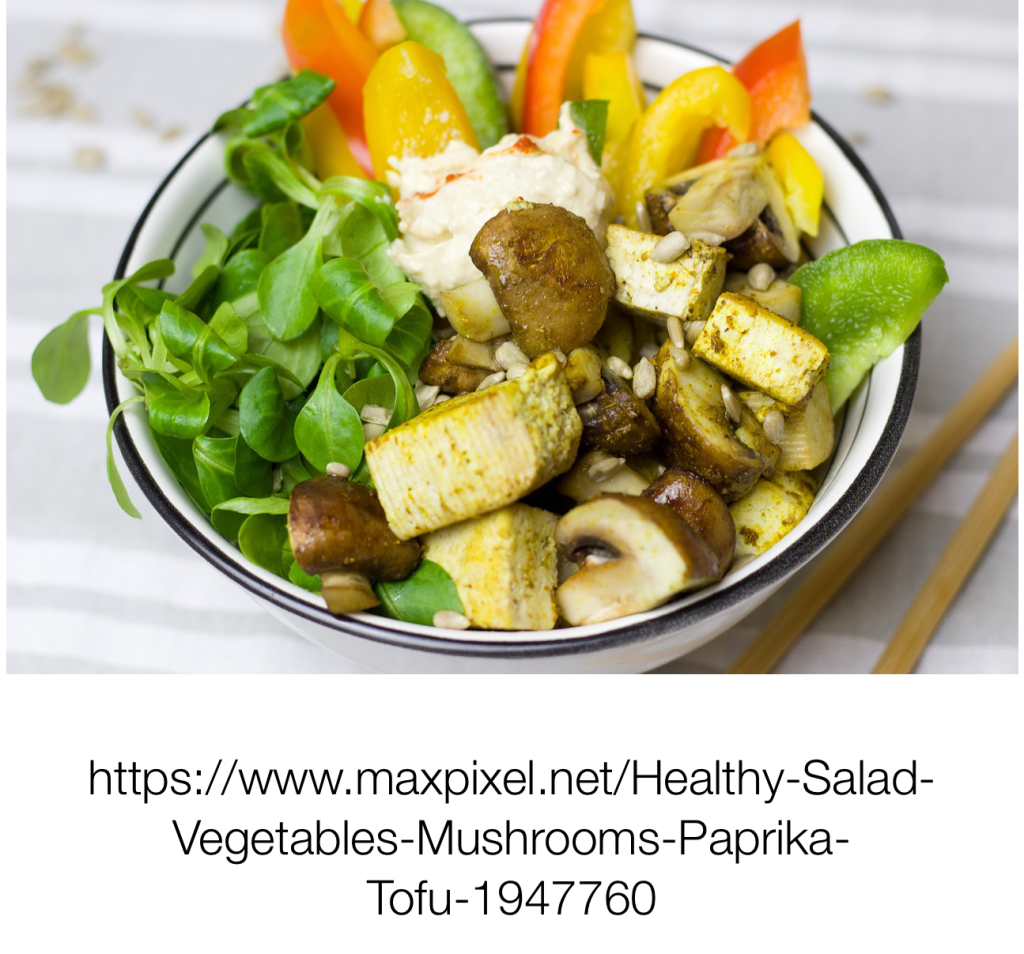
The alternatives to meat and dairy are to be found in eating beans, pulses and nuts as sources of protein and numerous minerals. Soya beans which are particularly rich in protein have traditionally been fermented to produce foods such as tofu. Soya beans – as well as almonds, hemp, coconut, oats etc – are also used to create dairy replacement items: milks, butter, yogurts, cream, ice cream etc as well cheeses. Ideally one wants to buy products that are locally produced. Hodmedod specialises in selling beans and pulses, seeds (chia etc) and grains (including quinoa) that are grown here in the UK. There is a growing number of UK based producers of plant based milks. Milk and More, a reinvention of the traditional milk delivery service, sells freshly bottled oat milk that comes from Lancashire.
Choose organic foods. Organic food production because it avoids mineral fertilisers, ensures improved soil conditions such that the soil retains a higher proportion of carbon than do other soils. This carbon sequestration reduces the carbon footprint of organic foods vis a vis non organic ones. Choosing organic foods can reduce your GHG emissions by 0.7 tonnes a year. It can be difficult deciding between organic vegetables from Europe versus local non organic items,
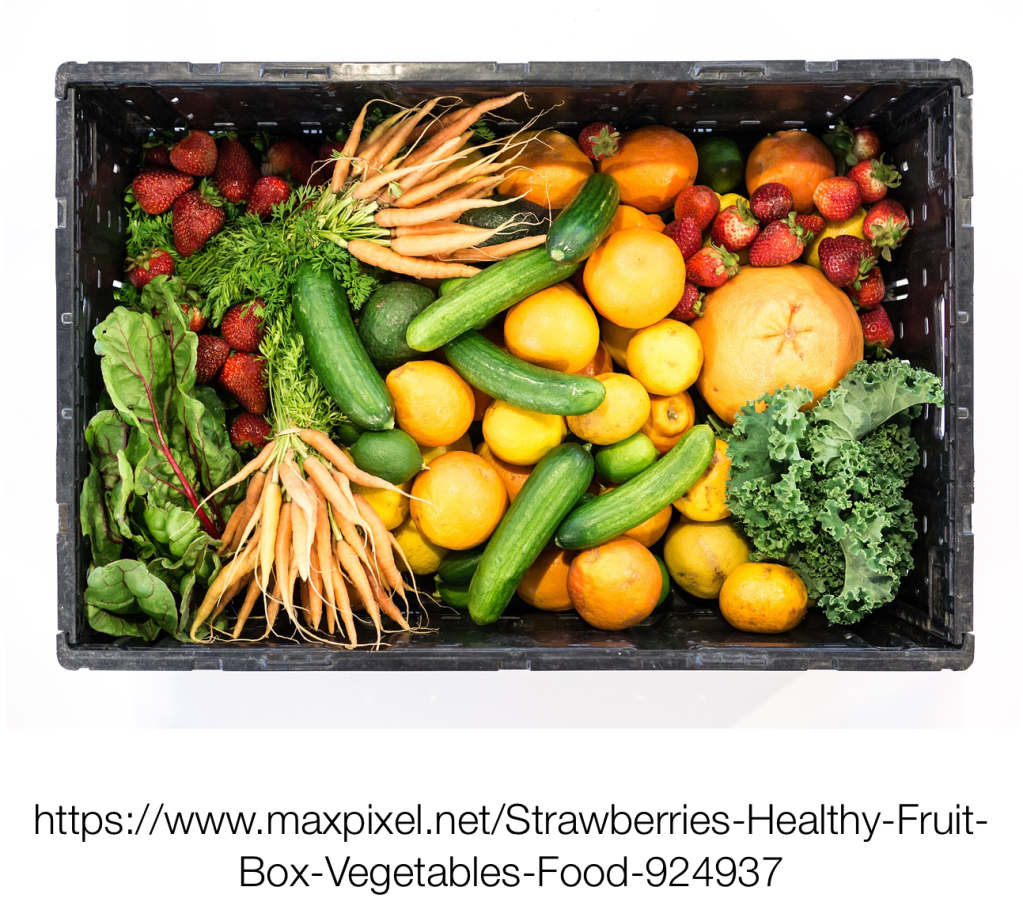
Buy locally grown food – or eat home grown food. Locally grown food has a lower carbon footprint because the distance the food is moved is less and therefore transport inputs are less. This is especially true when food stuffs are imported by air and often includes the import of out of season foods from the Southern Hemisphere such as asparagus and blue berries. Eating locally produced food can reduce your GHG emissions by 0.4 tonnes per year. There is a growing number of veg box schemes where farms make a weekly delivery of vegetables straight from the farm to your front door, which reduces transport emissions and food waste. OddBox specialises in fruit and veg boxes that collect together fruit and vegetables that would otherwise go to waste either at the farm or in the wholesale market.
Avoid food processing and packaging. Ready meals packed in plastics can have a disproportionately higher carbon footprint than meals freshly made from raw, unpackaged ingredients. Reducing the amount of packaged and processed food you consume can reduce your GHG emissions by 0.5 tonnes.
Minimising food waste. Throwing away food rather than eating it is obviously wasteful and a misuse of GHG emissions. Planning daily or weekly menus, using a shopping list, only buying and cooking the portions you will eat, careful storage of food etc are all ways fo reducing food waste. (For more details see the Eco Tips post of 9th August). Cutting food waste can reduce you GHG emissions by 0.5 tonnes per year. If you compost food waste such as the outer leaves of cabbages, banana skins and tea bags you can reduce your GHG emissions by a further 0.2 tonnes.
How you cook your food will also impact on your carbon footprint. Putting on the oven to bake one potato is more carbon intensive than boiling or pan frying the same potato in a pan. This aspect of your carbon footprint will be considered in a later post looking at household energy consumption.
We often say we are what we eat. If we eat with a conscience for what is good for the planet, and what is good for human and animal welfare, we will be part of the growing movement creating a better world for all.
In many religious and cultural traditions there is a practice of saying thank you before or after a meal. This recognises our dependence upon others for what we eat, whether that is the cook, the farmer, the retailer or above all, God as creator. Saying Grace at meals is one way of being more aware of the providence of the food we eat.
As we sit to eat this meal, we give thanks for all have been involved in its preparation.
For the farmers and the worms, bees and pollinating insects, for shelf stackers and retailers, for those who cook and those who wash up,
and for the bountiful diversity of our God-given world. Amen.
NB I have swopped between the terms carbon footprint and green house gas GHG emissions as if they are the same thing which they aren’t. Strictly speaking our carbon footprint measures our carbon emissions whereas GHG emissions includes all gas emissions but of which carbon dioxide is the largest.
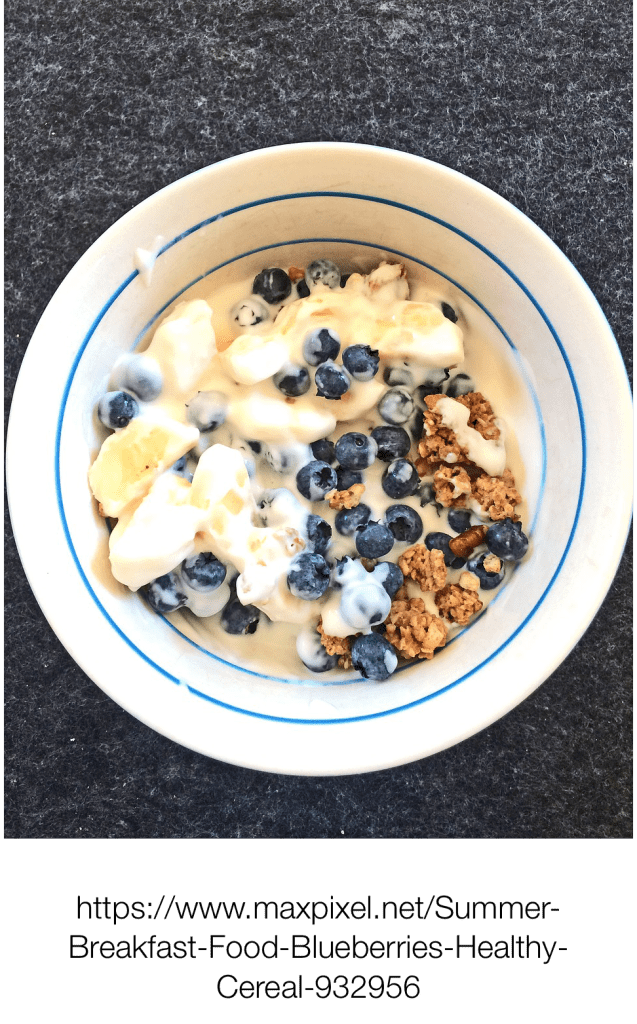
Action 18: Swop dairy products for plant based ones. Many people opt for oat milk flat whites when they go to a cafe. Why not opt for oat milk at home – on your cereal, in your coffee, and when making cakes, sauces and custards?
Most margarine is entirely plant based but did you know you can get plant based butter? It looks and tastes like butter and has the same consistency as butter making it ideal for making pastry, cakes and crumbles.
Swop to plant based yogurts – including extra thick Greek style yogurt – cream and ice creams. With the same mouthfeel and consistency of their dairy opposites, they taste really good, and with the options of different plant based ingredients such as coconut milk, almond milk or soya milk they offer a variety of taste experiences. I particularly like coconut based vanilla ice cream.
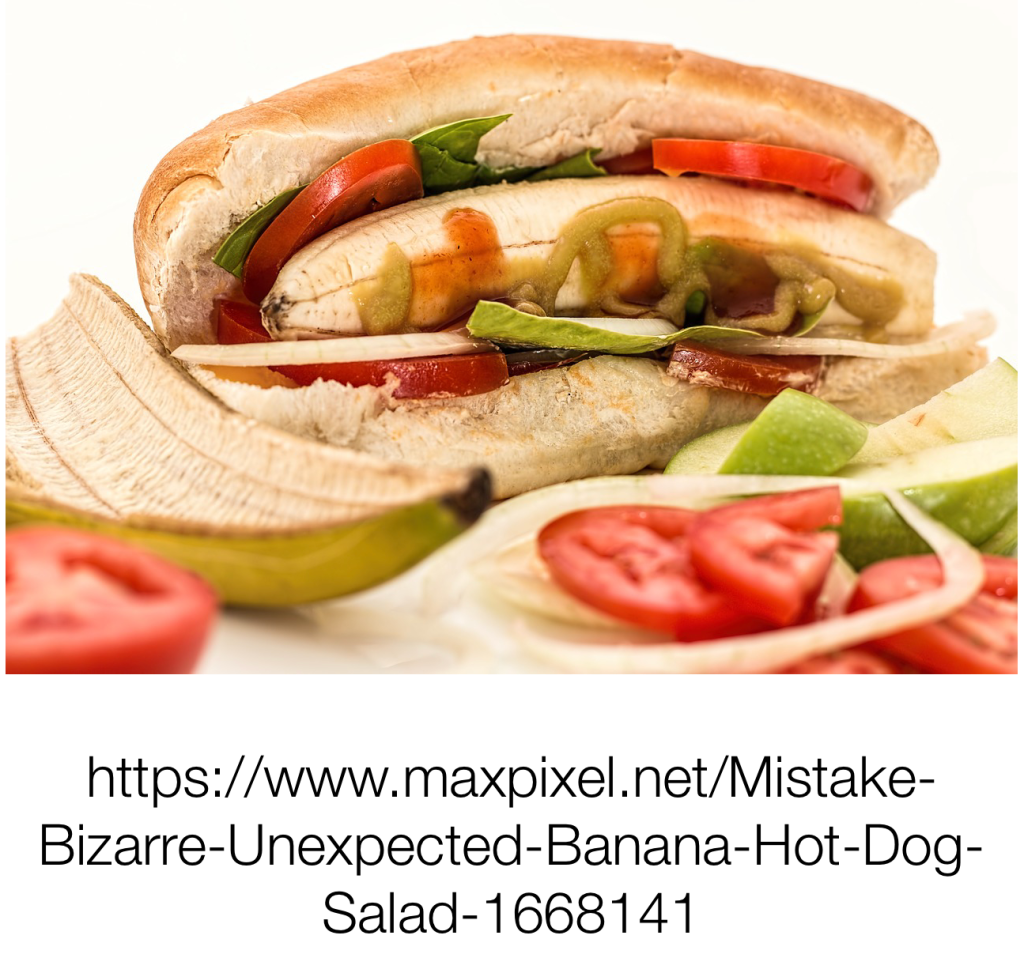
Action 16: Go out for a vegan picnic. Sandwiches are the basis of a picnic and most bread is vegan. Vegan options for spreads include plant based butter/ pesto/ mayonnaise/ tapenade/mustard. Add fillings such as vegan cheese (nut-based cheeses are good for protein), hummus, mushroom pate. Add slices of vegetable such as red pepper, radishes, grilled aubergine or courgette, nasturtium leaves, cress or rocket or add chutney/relish. Or try a banana hot dog roll? Pack sandwiches in greaseproof paper or fabric wraps. Pack fruit and pieces of vegetables that can be eaten with fingers and again see if you can avoid plastic packaging. Fill flasks with either hot or cold drinks. Pack some vegan cakes – rock buns, muffins etc – or a bar of chocolate to finish.
Action 10:. Swop oat milk for dairy milk. Dairy milk produces a carbon footprint of 3kg/ litre compared with 0.9kg/litre for oat milk (BBC carbon footprint calculator). Oats grow well in a temperate climate such as ours in Britain. Oatso, Made By Land and and Pure Oaty are all UK produced oat milks. Some oat milks are fortified with vitamins and minerals to mimic those in dairy milk but you can obtain these from other sources too. Using oat milk in coffee, on cereal, in cooking and baking is an easy way to reduce your carbon footprint!
You might try the equally delicious oat yogurts, fromage frais and creams that are available.
Action: One of the key ways in which we can reduce our carbon footprint is by eating more plant based foods and less meat and dairy products. Swopping plant based milk and butter in baking is one easy way to make the change without even noticing. I am always surprised that even though most cafes offer plant based milk, very few offer a selection of – or even just one – vegan cakes!
So here I a recipe for vegan rock buns.
Ingredients
250g raising flour ( I use wholemeal flour plus baking powder)
75g vegan butter (unlike margarine this has the hard texture of butter)
1tsp grated nutmeg
1 tsp egg replacement powder (eg Free and Easy)
50g sugar
75g dried fruit – eg raisins
Oat milk
Method
Cut the butter into cubes and rub into the flour.
Add remaining dry ingredients and mix.
Add just enough milk to bind the whole into a stiff mix. (If it is too soft, the buns will look more like cookies than rocky buns).
Place in rough spoonfuls onto a greased baking tray. It will make about 10 or 12.
Bake in a pre-heated oven at 175C for 15 to 20 minutes until lightly brown.





 The Green Tau