3rd April 2022
Isaiah 43:16-21
Thus says the Lord,
who makes a way in the sea,
a path in the mighty waters,
who brings out chariot and horse,
army and warrior;
they lie down, they cannot rise,
they are extinguished, quenched like a wick:
Do not remember the former things,
or consider the things of old.
I am about to do a new thing;
now it springs forth, do you not perceive it?
I will make a way in the wilderness
and rivers in the desert.
The wild animals will honour me,
the jackals and the ostriches;
for I give water in the wilderness,
rivers in the desert,
to give drink to my chosen people,
the people whom I formed for myself
so that they might declare my praise.
Psalm 126
1 When the Lord restored the fortunes of Zion, *
then were we like those who dream.
2 Then was our mouth filled with laughter, *
and our tongue with shouts of joy.
3 Then they said among the nations, *
“The Lord has done great things for them.”
4 The Lord has done great things for us, *
and we are glad indeed.
5 Restore our fortunes, O Lord, *
like the watercourses of the Negev.
6 Those who sowed with tears *
will reap with songs of joy.
7 Those who go out weeping, carrying the seed, *
will come again with joy, shouldering their sheaves.
Philippians 3:4b-14
If anyone else has reason to be confident in the flesh, I have more: circumcised on the eighth day, a member of the people of Israel, of the tribe of Benjamin, a Hebrew born of Hebrews; as to the law, a Pharisee; as to zeal, a persecutor of the church; as to righteousness under the law, blameless.
Yet whatever gains I had, these I have come to regard as loss because of Christ. More than that, I regard everything as loss because of the surpassing value of knowing Christ Jesus my Lord. For his sake I have suffered the loss of all things, and I regard them as rubbish, in order that I may gain Christ and be found in him, not having a righteousness of my own that comes from the law, but one that comes through faith in Christ, the righteousness from God based on faith. I want to know Christ and the power of his resurrection and the sharing of his sufferings by becoming like him in his death, if somehow I may attain the resurrection from the dead.
Not that I have already obtained this or have already reached the goal; but I press on to make it my own, because Christ Jesus has made me his own. Beloved, I do not consider that I have made it my own; but this one thing I do: forgetting what lies behind and straining forward to what lies ahead, I press on toward the goal for the prize of the heavenly call of God in Christ Jesus.
John 12:1-8
Six days before the Passover Jesus came to Bethany, the home of Lazarus, whom he had raised from the dead. There they gave a dinner for him. Martha served, and Lazarus was one of those at the table with him. Mary took a pound of costly perfume made of pure nard, anointed Jesus’ feet, and wiped them with her hair. The house was filled with the fragrance of the perfume. But Judas Iscariot, one of his disciples (the one who was about to betray him), said, “Why was this perfume not sold for three hundred denarii and the money given to the poor?” (He said this not because he cared about the poor, but because he was a thief; he kept the common purse and used to steal what was put into it.) Jesus said, “Leave her alone. She bought it so that she might keep it for the day of my burial. You always have the poor with you, but you do not always have me.”
Reflection
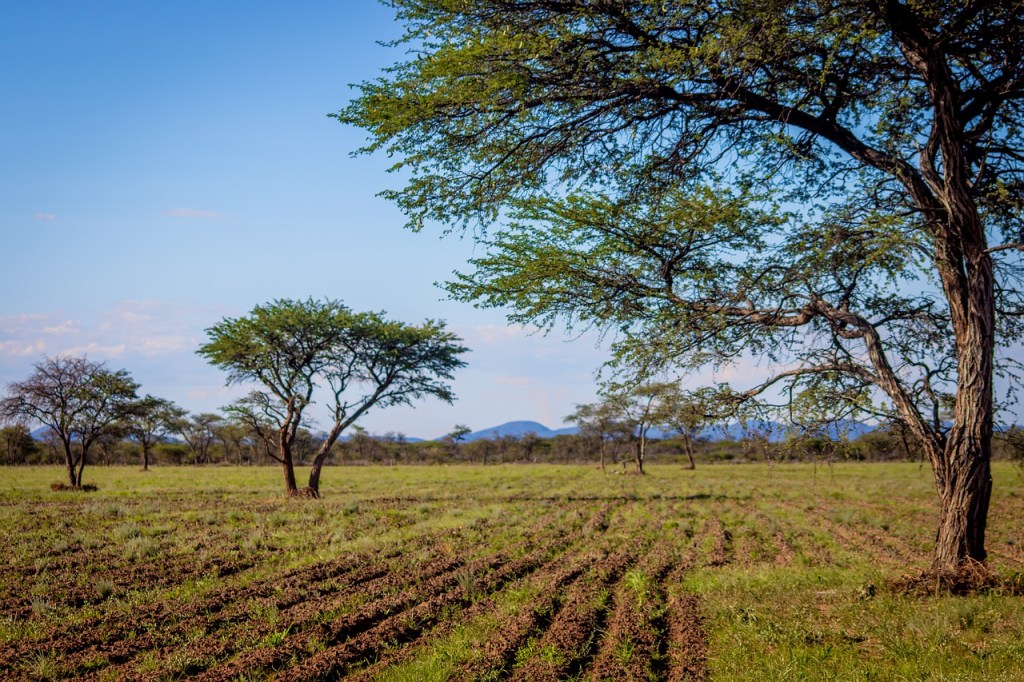
The passage from Isaiah tells us that war and military strength are not the solution to problems in the kingdom of God. They are not solutions that bring in God’s reign. God’s way is new, is different, says the prophet. Perhaps not new to God but new to humans who are slow to perceive it! Wake up humans! God’s way inhabits the natural world, creating what is needed for life – water in dry areas, paths where it’s rough, things that bring life to creatures and people alike. The psalmist knows that when we recognise these occasions of restoration and transformation – those occasions when we align our ways with God’s ways – they will be times of joy and laughter and flourishing.
How is it that we can seem to slip in and out of God’s kingdom, or more accurately, in and out of being aligned with God’s reign, God’s way?
Paul in his letter to the Christians in Philippi, recalls how in the past he had closely cherished his Jewish heritage and assiduously followed its practices which he had been taught would keep him in alignment with God. But all that guarantee he has now forgone having found something even better: the life he knows through Jesus Christ. Faith in Christ brings resurrection – and resurrection means new life, means a new way of experiencing life, means a new way of living. It is a life not limited to this world and our mortal time frame.
The story related In John’s Gospel takes place on the eve of Palm Sunday, on the eve of the most momentous week. Jesus, in John’s gospel, is a figure confident of his own destiny, who sees and understands how that destiny is going to pan out. Jesus has already raised Lazarus from the dead; Jesus has declared, “I am the resurrection and the life. Anyone who believes in me will live, even after dying. Everyone who lives in me and believes in me will never ever die”. This is the eve of the week in which Jesus will ride publicly in to Jerusalem; in which he will continue to declare his message that he is the light of the world; that through belief in him, people will have eternal life – new life which is not of this world; that he will be raised up for all to see in what will be his culminating hour of glory. It is a week that will end with his burial.
In the scene John depicts, there are two contrari protagonists. On the one hand Mary who it seems understands how this week will unfold, and Judas who it seems is either oblivious, or wilfully ignoring, what the state of play. Mary recognises the importance of what is going to happen and pours out this expensive ointment as her best acknowledgement of who Jesus is and of what he represents. It is her expression of adoration and love. It witnesses to her belief that what is to come will be worth so much more than this perfume. Judas, on the other hand, just wants to come across as the good guy – the one standing up for the poor. What Judas has failed to understand is that what the poor need is not just extra alms now, but system change.
“I am the way and the truth and the life”: Jesus is the true system change.
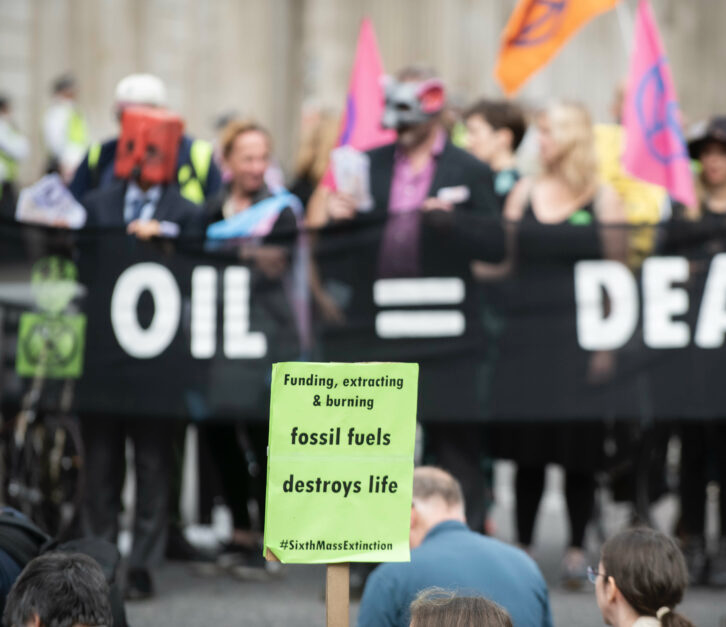
System change is what the world still needs. In the UK where an increasing number of people are facing poverty, what is needed is not just increased benefits, but a system change in which everyone is awarded a wage on which they can genuinely live, in which goods are produced and sold at a price that reflect their true cost, in which animals reared as food are given genuinely good lives, in which taxes paid genuinely reflect the person/ company’s ability to pay, in which the real cost of fossil fuels is recognised and in which economic policies really do focus on zero carbon emissions.
System change is about aligning the world’s systems to God’s ways – not just some of the time, but all of the time!