Action 51: When the Count Down began some six weeks ago, one of the first actions was to talk to a friend about the climate crisis. Why not repeat the action? You could talk about the things you have done and learnt over the last 50 days.

Action 51: When the Count Down began some six weeks ago, one of the first actions was to talk to a friend about the climate crisis. Why not repeat the action? You could talk about the things you have done and learnt over the last 50 days.
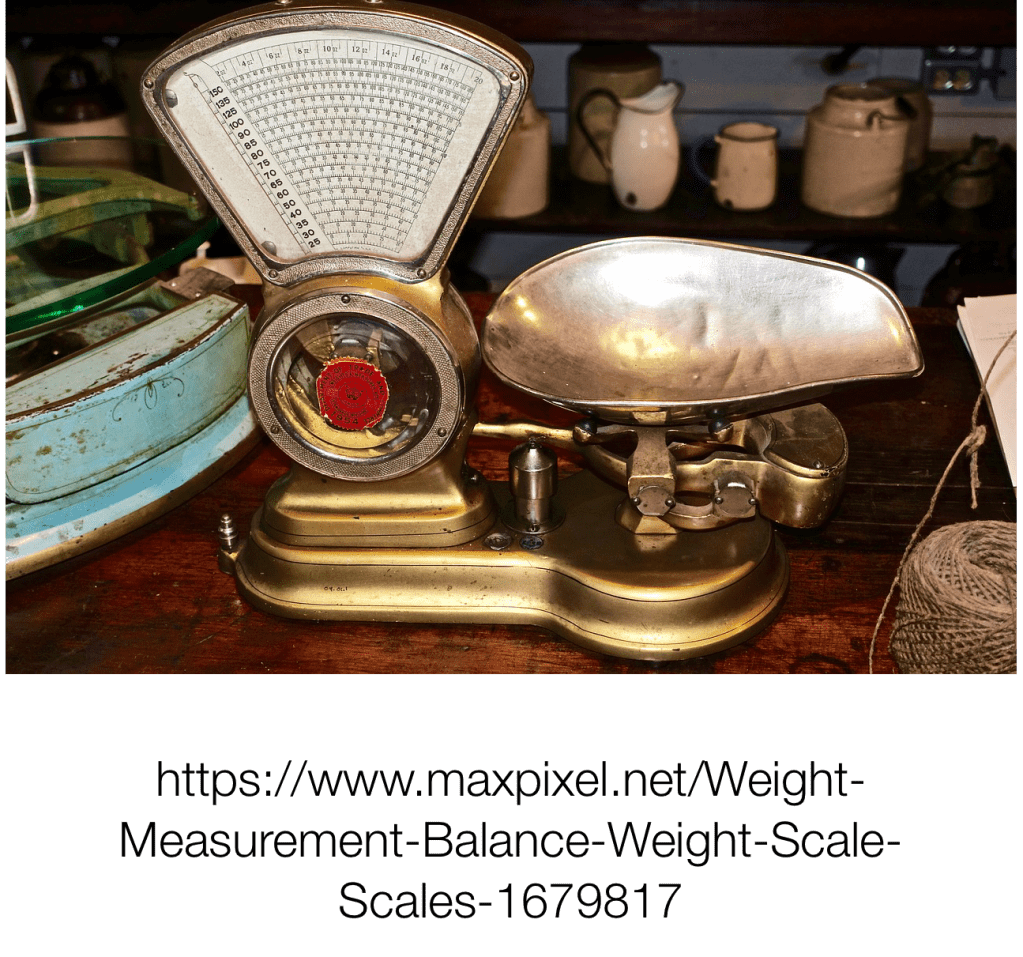
Action: Find what is the oldest thing in your home. Where did it come from? What is its purpose? Is it still useable or is it now an object of beauty? We can conserve valuable resources by giving things a longer life.


Action 50: Half way! Children are most at risk from the effects of climate change. Their age makes them vulnerable to diseases and heat stress, but more importantly they will living for longer with the consequences of the climate crisis. Sign UNICEF’s petition asking Governments to act on the behalf of children.
Action 49: This is the season for apples. If you – or your neighbour – has a surplus, use some to make mincemeat. It will have matured nicely by Christmas.
Chop 500g of apples into small pieces – leave the skin on but discard the core – and place in a large bowl. Add the juice of 2 lemons. Add a teaspoon each of nutmeg, mace and cinnamon – or use ready mixed spice. Add 800g of dried fruit: use a mixture of raisins, figs and apricots. Chop the figs and apricots into small chunks: this is easily done using a pair of scissors. Add 250g of sugar.
Traditionally mincemeat includes suet – vegetarian or otherwise but I choose to omit this as there is usually plenty ty of fat in the pastry and the brandy butter.
You can also add a couple of tablespoons of brandy but this is optional. Mix all together. Leave the mixture in the bowl for 3 or 4 days stirring each day – cover with a tea-towel. Put into jars and it will keep for several months. We keep some back to make for triangle mince pies for Trinity Sunday.


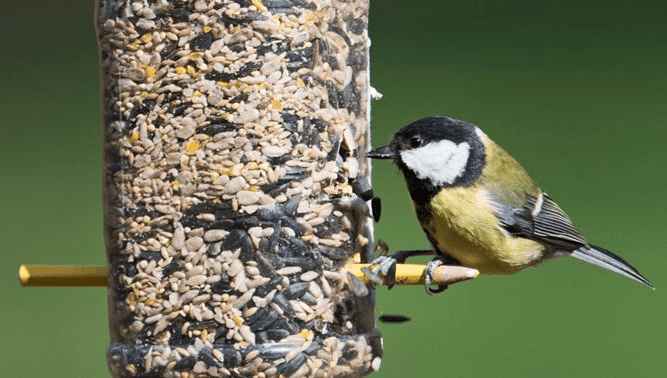
Action 46: Set up a bird feeding station in your garden. Use a selection of bird feeders that will hold different sorts of bird food – suet cakes, seeds, peanuts etc. These will need to be hung from a pole or the branches of a tree. You can include a bird table for those birds prefer to eat from a flat surface but you may find everything gets eaten by pigeons – try a table with a roof to lift access. Locate your bird feeders where they cannot readily be accessed by cats but can be accessed by you, as you will need both to keep them filled and to regularly take them down for a good clean. Mouldy food is not good for birds. The RSPB has instructions for DIY bird feeders: https://www.rspb.org.uk/fun-and-learning/for-kids/games-and-activities/activities/make-a-recycled-bird-feeder/
Also include a shallow bowl for water. Birds need fresh drinking water.

Action 47: Green your pension: this article comes from The Guardian
There’s an estimated £2.6tn invested in UK pensions. You might not know it, but much of it funds environmentally harmful industries and activities such as fossil fuels or deforestation. Your pension may not seem like a powerful eco tool, but according to research by Make My Money Matter, Aviva and Route2, getting a green pension can be 21 times more effective in cutting your carbon footprint than giving up flying, going veggie, and switching to renewable energy combined. In fact, this research shows it’s the most powerful step an individual can take to reduce their carbon. And it’s not just a high-impact activity – it’s also popular. More than two-thirds of us want our money to support people and the planet. By pressuring your provider to invest more sustainably, or finding a more climate-friendly option, you’ll be able to sleep easier knowing your pension is now a force for good.


Action 46: Knit something warm for winter: wrist warmers and beanies are easiest if you are a beginner. You could try a beret, leg warmers, scarf or, if you have the time, a jumper. You might like to use yarn made from recycled cotton (t-shirts!) linen or silk, or wool that comes from one of Britain’s rare breeds of sheep.

Action 45: Sign the ‘Time is Now’ petition. Join the UK’s largest climate action campaign group – a mix of individuals plus over 130 charities and climate change organisations. “Use your voice to tell politicians that you want a cleaner, greener, fairer future at the heart of plans to rebuild a strong economy.”


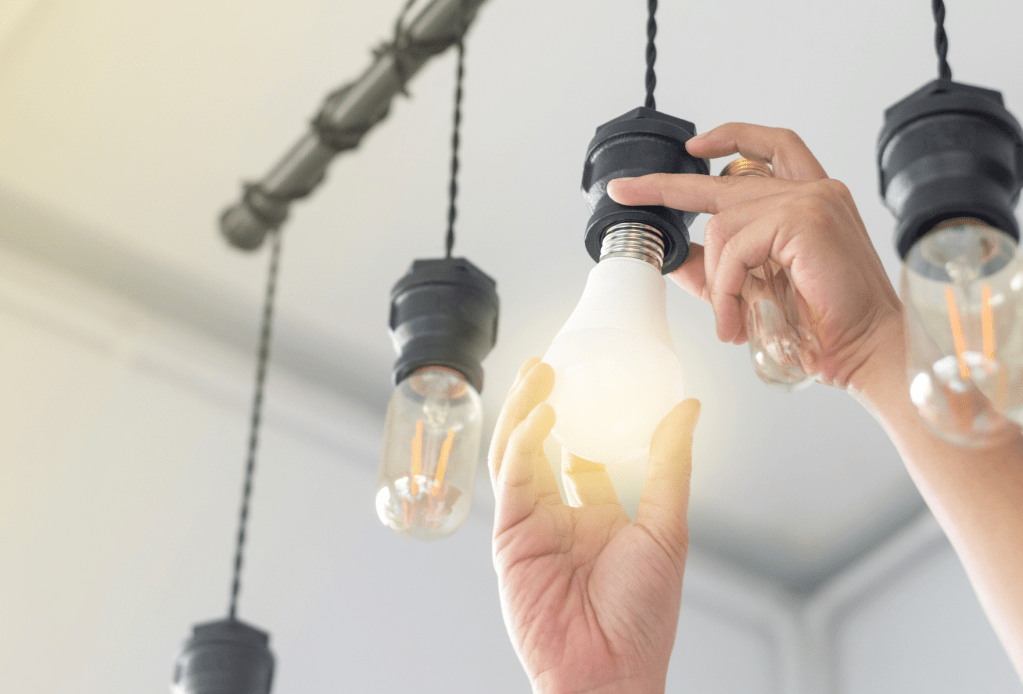
Action 44: Change any high energy light bulbs. Replace them with LED bulbs – these use the least amount of electricity and yet produce high levels of light (measured in lumen). The Energy Saving Trust provides a useful guide about LED lighting. https://energysavingtrust.org.uk/how-get-best-out-energy-efficient-lighting/ And they also remind us that turning lights off when not in use is another easy way of saving energy.

Action 43: Practice darning. It is a useful way of repairing socks, jumpers, woolly hats as well as small holes in other items of clothing. For an easy guide look at https://www.thesprucecrafts.com/how-to-darn-a-sock-1106645 or for inspirational darning https://tomofholland.com/2013/01/22/darning/

 The Green Tau