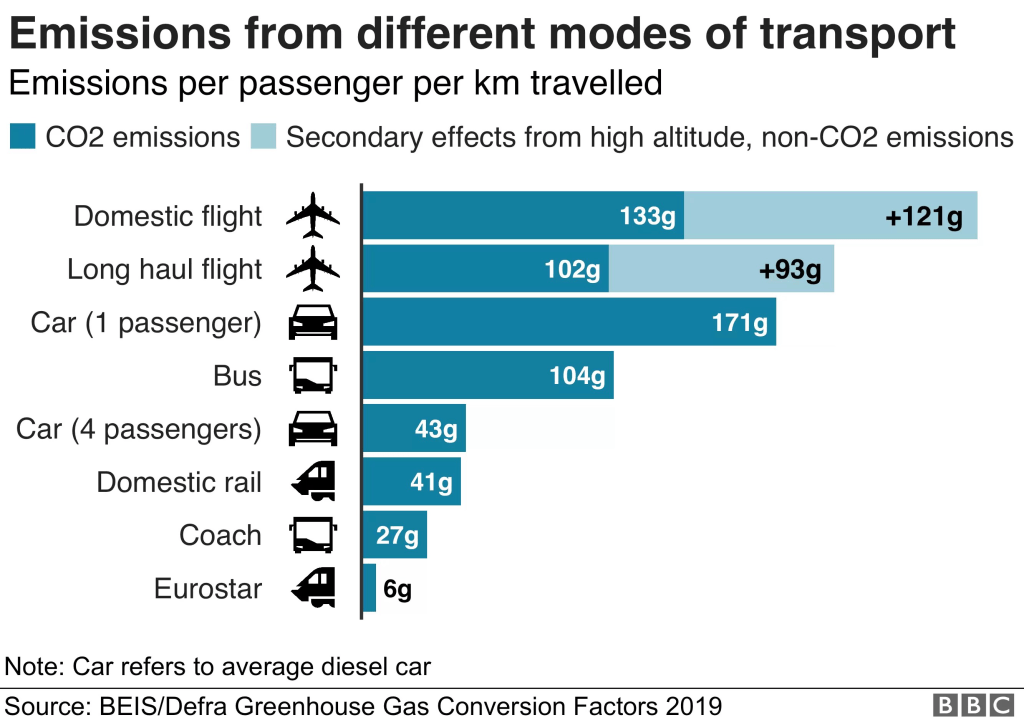
A good example of the link between high income consumers and high carbon footprints, is air travel. Aviation accounts for 2.5% of global CO2 emissions (2) yet in anyone year only 5-10% of the world’s population boards a plane. And even within that minority who do fly, most of the flights are undertaken by an even smaller percentage of frequent flyers. In the UK (a country producing the third highest level of air flight emissions after the US and China) 70% of flights are taken by just 15% of the population. (1)
Does it have to be this way?
No – there are alternatives to air travel. Rail travel has a significantly smaller carbon footprint, and for travel within Europe and potentially across other continents, is practical mode of transport. However current investment plans and tax/ subsidy policies favour air travel over rail.
Government policies could start with the premise that the number of air flights needs to be reduced (or at the least kept at current levels). Shaping policies around that would include developing alternative modes of transport for people and goods, enabling manufactures to adapt to different transport network, encouraging different models of tourism.
Today sees the start of the final round of negotiations at the Global Plastics Treaty taking place in Busan, Korea. The aim is to reach a global agreement to cut plastic production. At present it is predicted that global plastic production will increase by 300% by 2050 whilst consuming between a fifth and a third of our remaining carbon budget. (1)
Whilst recycling is a key part of reducing production, even the fossil fuel industry now agrees that recycling is not easy and will not be possible in many cases. (2)
Whilst the Prime Minister said that the new NDC target would not impact daily life, we will have to make adjustments – but these need not necessarily be uncomfortable, or expensive or impractical adjustments. We will be important parts of the process of change; we will need to count on ourselves and each other in making them.
Here is an interesting thought about making repairs: “There is the planet to consider. The sociologist Pierre Bourdieu might have considered mending my socks to be an act of resistance against the culture of fast-moving consumer goods; the environmental catastrophe of high capitalism” (1)
Do our holidays adversely impact on the environment? Googling eco friendly holidays, I am surprised how many website focus on the eco credentials of the destination but not the mode of travel. This is not always the case and some websites do give advice on flight free holidays. Nevertheless the transport element of our holidays usually contributes most to its environmental impact.
“Global tourism accounts for about 8% of total greenhouse gas emissions and transport between origin and destination explains three quarters of this impact” (1) Cutting out flying will benefit the environment most. After that saving has been made, cutting back on the distance travelled will also have an impact. (2)
For a change of emphasis, I plan over the next few weeks to look at some of the things we do as a household to live more sustainably. Maybe what we do might prompt some thoughts for you, and maybe you will have some ideas to share as well.
I follow a vegan diet and as I am the main cook, all home cooking is vegan!
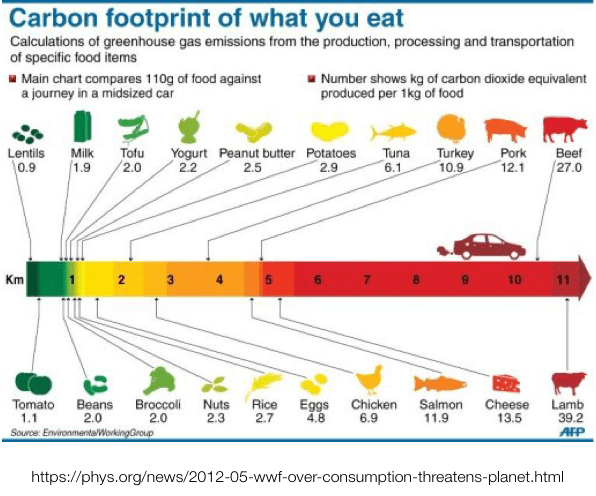
Vegan diets have a smaller carbon footprint and cause less damage to the climate – research suggests somewhere in the region of 75% less! The food grown for vegan diets uses less water and less land – largely because of the significant amounts of land and water needed to grow feed for farm animals. Needing less land has two benefits – first the ability to grow more food for a growing population, and second the ability to set aside more farm land for rewilding and restoring levels of biodiversity.
I also chose a vegan diet on the grounds of animal welfare. Even eating a vegetarian diet involves the slaughter of young animals – principally male chicks and male calves – as well as the likelihood that the females will have stressful lives of repeated birthing.
I can see that for some people raising low intensity livestock can be a key part of a farm’s ecology, and that eating small amounts of meat and dairy would be consistent with that.
To get a feel for the size or scope of carbon emissions, we can look at how much each nation produces. These figures represent the emissions produced in each country – including for items that are then exported – and does not include the emissions of goods produced in other countries (ie emissions attributed to imports). Nor do the national figures allow for international aviation and shipping so these are shown separately.
Global carbon footprint for 2022 – 37.14 giga tonnes; varying from an average of 37.6 tonnes per person for someone living in Qatar, to 0.1 tonnes for someone living in Malawi, Rawanda or Sierra Leone*
UK carbon footprint for 2022 – 318 million tonnes; an average of 4.7 tonnes per person*
How about a virtual state visit? It would save on costs and carbon emissions for both the visitor and the recipient. It does actually happen! Earlier this week I received an email telling me that such a visit had been made to Paraguay.
Particularly relating to food, you might choose to reduce – or cut out completely – animal products from your diet. You might choose to only what is in season to avoid importing food over long distances. https://greentau.org/2021/08/14/green-tau-issue-12/
You might support charities such as Practical Action that help poorer farmers change their practices to adapt to the new and more extreme climates – https://practicalaction.org/
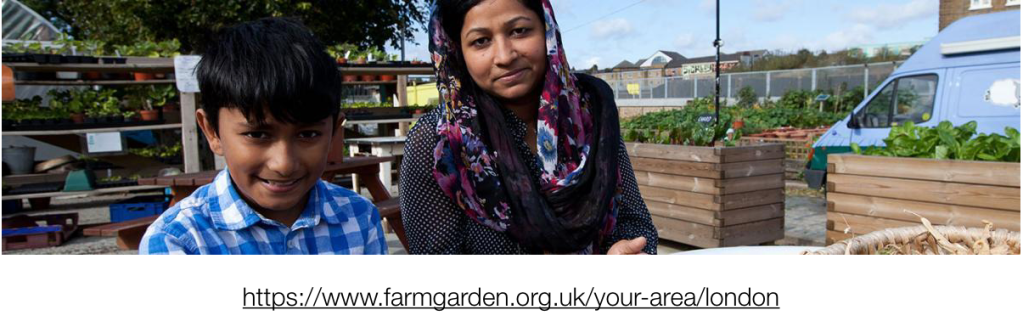
3. Paying a fair price for the food we eat. You might buy direct from a farm or a group of farms, or via a local vegetable box scheme. You might support a local farmers’ market. You might buy from a local independent green grocer. Similarly you might buy milk etc from a milk round where the price reflects the cost to the farmer. For cheeses, look to buy from small scale producers via a local cheese shop. And again buying fair trade options for imported foods can help ensure a fair price for the producer. Alternatively look out for products – coffee beans and chocolate in particularly – that have been sourced directly from the grower. These are often available through local independent shops and cafés.
Another option would be to subscribe to the OddBox fruit and veg scheme which buys food stuffs that would otherwise go to waste because they are misshapen, because the supermarket doesn’t want the crop, or because the crop has been too large or too small for the supermarket buyer – https://www.oddbox.co.uk/
4. Buying from local producers and local retailers helps to improve local supply chains.
5. Again the best approach to improving global food security and ensuring there is enough food for everyone is to reduce – or cut out completely – animal products.
“Cutting meat and dairy products from your diet could reduce an individual’s carbon footprint from food by two-thirds, according to the Oxford study, published in the journal Science.” https://www.bbc.co.uk/news/science-environment-46459714
Major institutions are helping people make this change in lifestyle by serving less or no meat in their canteens. In 2022 Stirling became the first UK university to ban the sale of meat in its campus food outlets. This year Cambridge University has voted to do likewise. Newcastle Hospitals has meat free Mondays, which is an approach followed by various schools and colleges.


 The Green Tau