We can improve the sustainability of the clothes we wear by considering on how and when we wash them. Washing clothes uses significant amounts of water and energy. Often we throw clothes in the washing basket without considering whether they actually need washing. (There are some things like pants and socks that we might want to wash daily, but they are the exception). After one of two wears a shirt or jumper may not be dirty! Wooden jumpers do better if they are aired rather than repeatedly washed. If we only wash items when they are dirty , we will run the washing less often saving water and energy. We will save even more energy if it means using a tumble dryer less. If you can, air drying whether inside or outside, is preferable to using a tumble dryer.
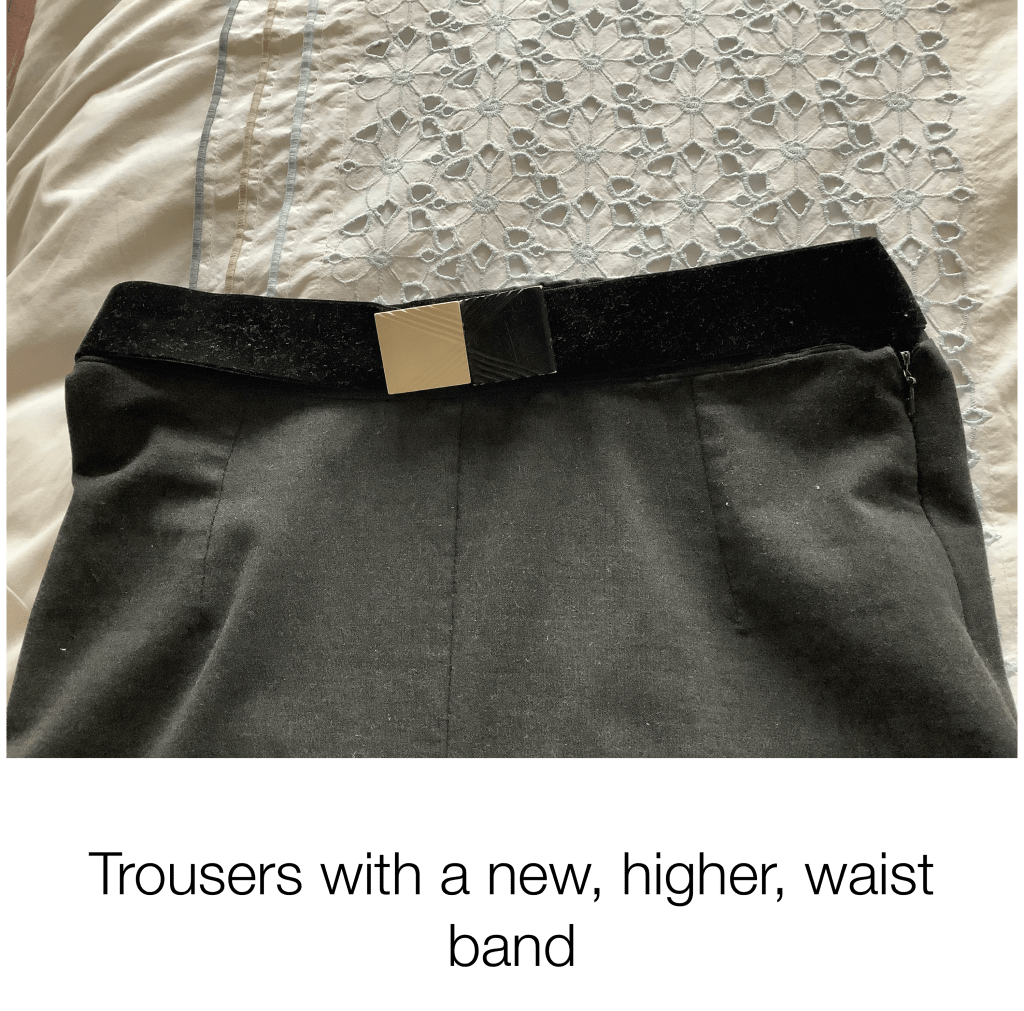
Upcycling is a popular way of extending the life of the clothes we wear. Trousers worn at the knees can become a pair of shorts. Flared trousers can be tapered, or straight trousers can acquire a flair. A plain T shirt can be embroidered with a pattern or a message. Skirts can be shortened – or lengthened if you add new material below the hem line. Dresses or trousers can become skirts. Sometimes it may involve downgrading – the pair of jeans that has patches on the knees and patches on the buttock area is likely to become useful gardening gear!
Mending and repairing items to extend their life applies to clothes too. Catching up a hem that has come unstitched, sewing a button back on, re stitching a gap/e in a seam, replacing a zip or patching a hole are straight forward repairs. Slightly more tricky but not impossible, you can turn cuffs and collars inside out when they being to wear.
“One summer we set ourselves a zero waste challenge – we would try and live
for two weeks without producing any waste – i.e. nothing that goes into the dustbin. Whether it be food stuffs we used in the kitchen, cleaning materials around the house or tubes of toothpaste, the aim was to only use things that do not produce any non-recyclable waste. No bought bread unless the bag it came in could be recycled; no pre-packed fruit and vegetables unless all the packaging – including the film around the recyclable plastic box could be recycled – no mouthwash unless all the packaging including the plastic wrapper around the lid could be recycled.
In preparation we had reviewed how things we bought were packaged and what things usually went into our dustbin. Some things that were not waste free we decided we could do without for a couple of weeks. For things we did want we hunted for alternatives. The latter in itself proved an rewarding experience.
Tea whether bags or loose, often comes with an inner plastic wrapper. Seeking alternatives sources of tea we came across a tea shop, My Cup of Tea, where without blinking an eyelid, they weighed out the tea and tip it into our tea caddy. A number of coffee roasters are similarly happy to pour their beans into our tin. Each time there is an interesting conversation about waste free living. Where we couldn’t find a waste free alternative, we learnt to make our own. Pasta almost invariably comes in plastic or plastic-lined packaging, so had fun we brushing up our pasta making skills.
Week one and our un-recyclable waste was limited to: the plastic seal from under the milk bottle top, a blister packs from medication, a sticking plaster, the plastic film from a pack of pate, several mars bar wrappers, the plastic seal from an jar of instant coffee, a plastic envelope from a greeting card, and a plastic lined bag for coffee beans.
To achieve this level of zero waste we had had to make compromises on other principles. Whilst supermarkets do sell some loose fruit and vegetables, their organic produce is nearly always is pre-packed in plastic. Whole Food sells loose nuts, dried fruits, grains and pulses but not from fair trade sources.
The zero waste experiment prompted us to look at the life cycle of daily objects such as toothbrushes which routinely go into landfill. We bought bamboo ones which can be composted. It is made us think about the costs of recyclable waste. Is the single use of a bottle that will then be recycled – taken by lorry to a separating plant and the possibly shipped across to Asia for reprocessing before being made into a new container – really good for the environment? Should we instead look for reusable packaging? A durable bottle filled from the tap instead of a plastic bottle of water from the shop, a washing up liquid bottle that can be refilled, refillable ink cartridges, a fountain pens…..?”
The above is a reflection of my family’s experiment with zero waste some four years ago. It is interesting to note that some of the things that were going into our refuse bin then, we would now recycle. Blister packs for pills go to the recycling collection point at Superdrug, and the plastic film and wrappers would now go to the soft plastic recycling point at the Coop or Tescos. Only the sticking plaster would still go into the refuse bin.
More important has been how the experiment changed the way shopped. We discovered that with the zero waste experiment, not only did we put less in our refuse bin, but we also put less in our recycling bins too. We had been actively looking for unpackaged goods, and that mindset continues with us today.
All packaging incurs a cost financially and with respect to the environment, and a further cost when it is either thrown away as refuse or is recycled as new sources of raw material. Consuming less packaging is almost invariably a good thing!
Tips for swopping to a zero waste lifestyle:-
Make a commitment to trying the zero waste approach for a fixed short term period.
Plan for the time period in advance: Do a survey of your refuse bin: what things are you routinely throwing away?
What things might you have to do without for your agreed fortnight/ month?
What alternatives could you buy instead? Check out local markets and smaller independent shops – often they are are more flexible in what they expect of customers.
Search for local bulk stores – also known as refill stores – where you decant
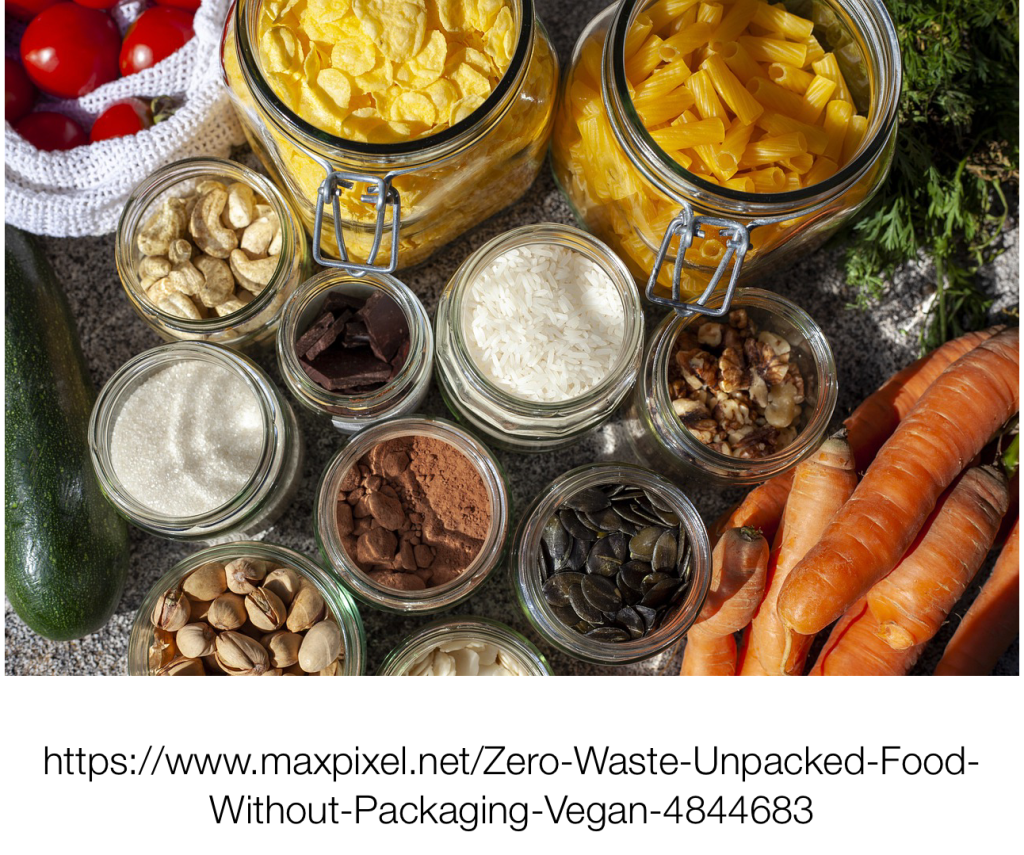
from large dispensers the ingredients you want to buy, filling up your own containers or paper bags etc. The range of items on sale is quite surprising, from powder turmeric to pasta, from olive oil to chick peas, from oats to cocoa nibs, from ground almonds to hair shampoo.
Ready made foods often have more packaging to protect them in their finished status: could you buy the raw ingredients with less packaging and make your own? Have a go at making your own biscuits, bread, pastry etc?
Buying in bulk may reduce the proportionate amount of packaging. I bake bread and buy flour in 6kg sacks. A 500ml pot of yogurt has less packaging than 4 individual tubs – or make your own in reusable glass jars.
Fruit and vegetable box schemes often use minimal packaging.
Change your mind set: if you normally reach for plastic snack bar to keep you going, get the habit of having a banana or a handful of nuts instead. If you need a packed lunch, make a sandwich to take or buy a bread roll rather than opting for the plastic-packed ready made sandwich. If you’re going out for an ice-cream look for one that is served fresh in a cornet rather than one that’s pre-packed in plastic. Develop an aversion for crisps and individually packed biscuits.
And if you feel that something you buy is over packaged, send the packaging back to the manufacturer with a query about its necessity.
These tips focus primarily on food, but the same issues apply to other things too – roles of sticky tape and sticks of glue that come in plastic packaging; paper, cards and note books wrapped in plastic; pants and socks in individual plastic bags etc.
Advocates of zero waste lifestyles are often as keenly focused on following a plastic free lifestyle too. Friends of the Earth have list of ideas to change to a zero plastic waste lifestyle – https://friendsoftheearth.uk/plastics/living-without-plastic
I am a small part of a local sewing group – The Scrubbery – making NHS scrubs. Recently an engineer visited the central hub so that people could bring in their sewing machines for a service/ overhaul. Serving and maintaining equipment that we use is an important way of extending the life of such items – a good way of maintaining a more sustainable lifestyle.
Buying and eating local foods means different things depending what you are consuming. Local honey in East Sheen can mean honey that comes from hives in Richmond Park. Local greens and salads can mean picked fresh from your garden, allotment or even window sill. Local vegetables might be those grown in Surrey, Sussex or Kent. One day local fish might mean eels or salmon from the Thames!
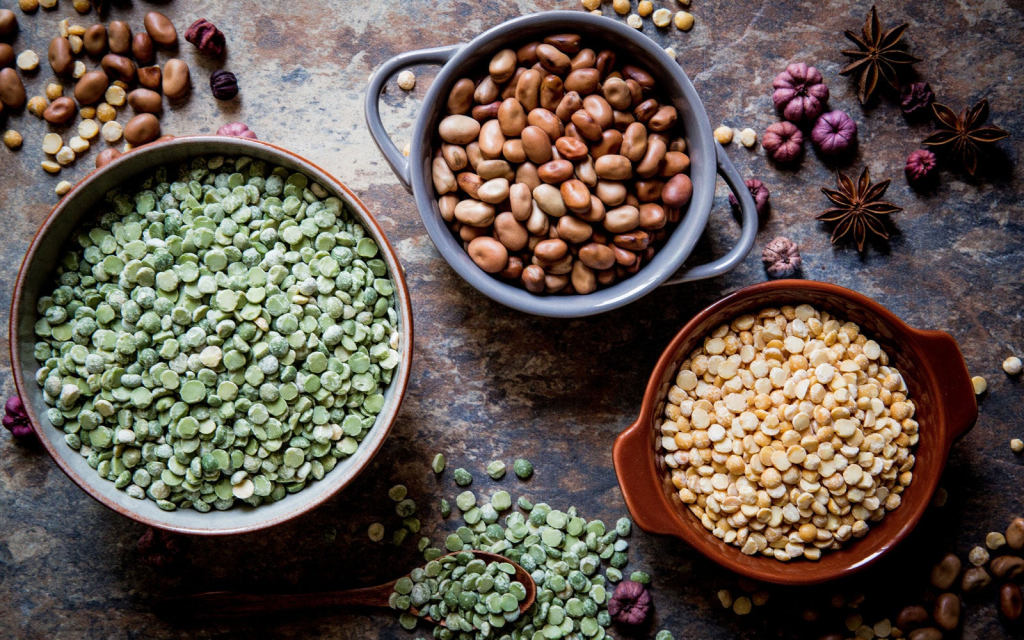
What about the main stay of a plant based diet, beans and pulses? Visits to the supermarket might make you think they in’s grow in China. In fact a great variety of beans and pulses are grown here in the UK – green lentils, chick peas, Carlin peas, fave beans, blue, green and yellow peas, and even Black Badger peas. Hodmedod specialises in sourcing and selling UK grown produce especially peas, beans and lentils, but also chia seed, quinoa, and seaweed. Buying local is easier than you might think.
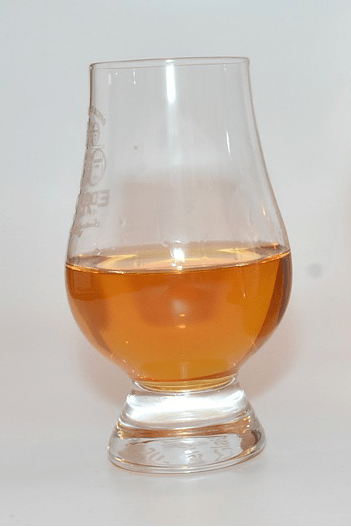
Burns Night is a time for poetry, haggis and whisky. Whisky production uses lots of energy in the distilling process much of which comes from fossil fuels. The Scotch Whisky Association is leading an industry wide campaign to address this – although their net zero target of 2040 is not inspirational. https://www.scotch-whisky.org.uk/insights/sustainability/
That said two distilleries have or are about to become net zero companies: Mc’Nean and Bruchladdich. The more consumers seek out net zero companies, the more companies will follow this trend.
Bin collection day. Today our landfill bin is going out. This is its first outing for about 7 months. Some years ago we experimented with zero waste. Whilst we our waste output is not zero, we have been able to substantially reduce it – and at the same time we have not seen an increase in the amount that goes into our recycling bins.
Zero Waste is the idea that nothing should end up as land fill, in an incinerator or being washed out to sea/ caught in a tree/ blown onto a mountain top as rubbish. Whatever is left after we have consumed something should be recyclable so that nothing is wasted. Zero waste means not buying/ consuming more than you need. Zero waste means cradle-to-cradle or closed loop design of all we consume.
Why is waste an issue?
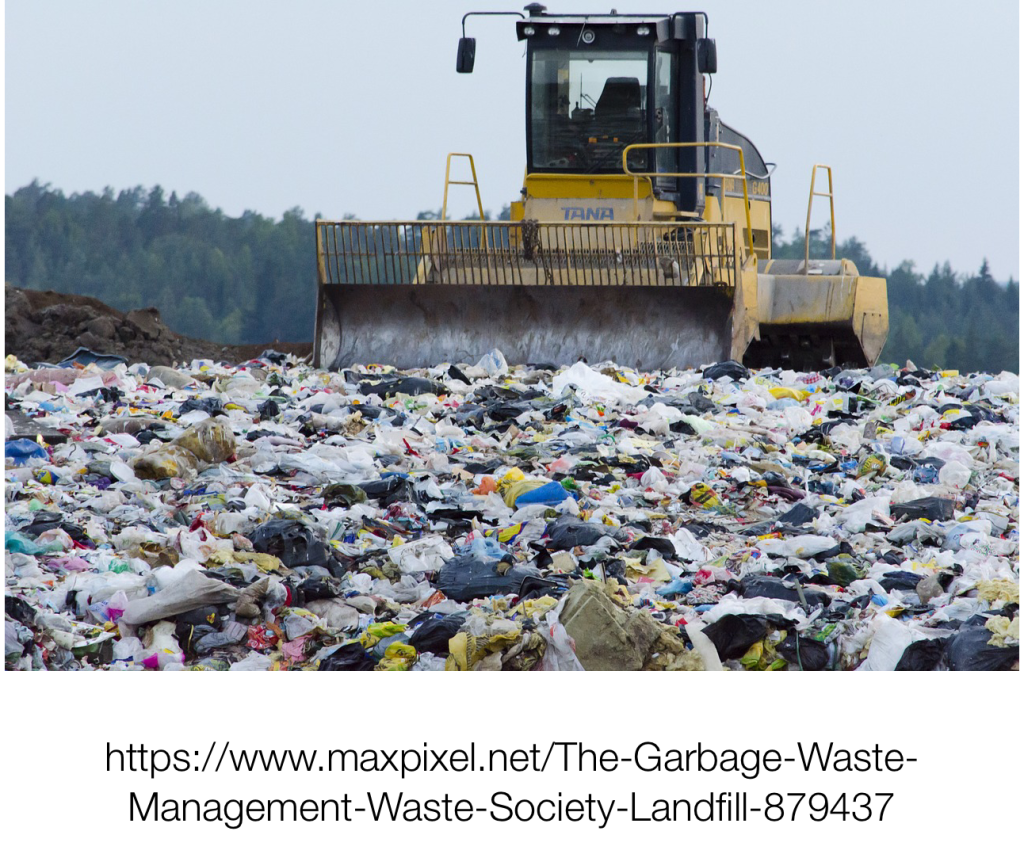
Waste that we throw away has to be disposed of. Historically waste was buried in midden heaps or burnt on the household fire or thrown onto the street or into a nearby river. The amount of waste was generally small enough that this was not impractical. As towns grew and as the amount of things people could acquire and casually discard grew, so waste became a problem. As long as amongst the waste there were things that could be recycled for financial gain, there were people who would take on the waste problem. In the 18th century urban areas had business known as ‘dust yards’ where rubbish was collected and sorted to,extract what could be resold – bones for knife handles and glue, coal ash for bricks etc. When waste became a potential health hazard, the authorities intervened. In 1846 the Nuisance Removal and Disease Prevention Act set up the first regulatory waste management system operate by municipal boards. The Public Health Act of 1875 required all householders to put their rubbish in bins for weekly collection.
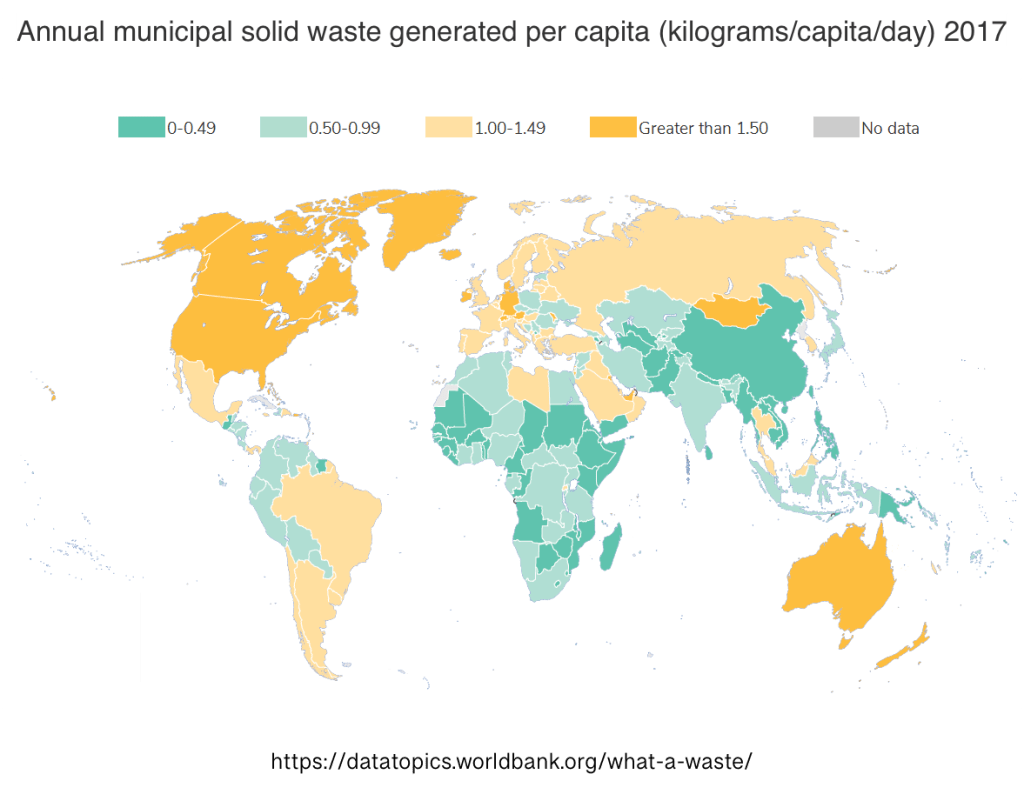
Having a system for taking waste away doesn’t reduce the amount of waste produced. The amount of waste we produced has grown exponentially. Globally (circa2016) we produce 2.01 billion tonnes of municipal waste a year (ie waste from households, shops and small businesses collected by local authorities – as opposed to waste generated on an industrial scale such as in mining, farming , manufacturing). The average of 0.74 kg per per person per day masks a range from 0.11kg to 4.55kg. Typically it is the less developed countries that generate least waste whilst it is nations such as Denmark, the USA, New Zealand, the most. Here in the UK we averaged 392kg (2017) down from 425kg in 2010. As more countries become increasingly developed/ westernised, the World Bank estimates that average per capita waste will increase to 3.4kg per day by 2050 – a projected annual total of 3.4 billion tonnes.
Waste and its disposal can cause various pollution and health concerns. Uncollected waste can be a source of infection. It can attract vermin and scavengers that may further transmit infections. It can block drains and water ways causing flooding. It can produce chemicals that pollute water supplies. It can create unpleasant odours as well dangerous gases that irritate and damage lungs or that can enter the blood steam and cause further forms of ill health. It can be blown across land, lodging in trees and branches where it may injure wildlife as well domesticated animals (n Richmond Park deer die each year from eating rubbish). It can end up in the middle of oceans or on remote mountain tops. It may end up as waste polluting the seas – this is especially true of discarded marine nets.
Most waste is collected but that doesn’t eradicate the health and pollution risks. Most will either be incinerated producing noxious fumes and health debilitating small particulates as well as CO2, or goes into some form of landfill which depending upon the level of safeguards in place, will still be a cause of much pollution. Buried waste in landfill also produces methane. Globally only 13.5% of municipal waste is recycled (https://datatopics.worldbank.org/what-a-waste/trends_in_solid_waste_management.html).
The world’s stock of resources – in particular raw materials such as minerals, but also things such as water, timber, peat, helium gas – is finite. We cannot carry on manufacturing and consuming at current levels. In 2021 Earth Overshoot Day – the day when we have consumed as many resources as the world can annually regenerate – fell on 29th July (https://www.overshootday.org/). On the one hand we need to find ways of consuming less, and in the other – or at the same time – we need to ensure we extract and recycle as much as we can from what we throw away. This imperative to use less and recycle more applies as much to industry as it does to individual consumers. And much of the burden must lie within the industries, for it is here that designs can be adapted so as a) to use less resources and b) to ensure ease of recycling when the product reaches its end of life.
What is needed is cradle-to-cradle or closed-loop design, production and recycling. Whilst the onus for this lies with the industries, consumers do have a role to play. We can do our research and only buy, where possible, items that come from closed-loop system. This could be milk in glass bottles that are collected and reused by the milk company. It could be clothes that the maker takes back when they expire and use to create new clothes. It could be paper or cardboard that are collected and processed into new paper and cardboard. We can be conscientious about collecting, sorting and recycling everything we use. And on the way, we can extend the life of the things we use by reusing and repairing them. We can aim for a 100% zero waste lifestyle.
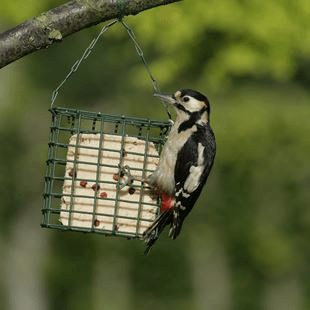
Watching birds come into the garden is a great pleasure. Providing them with food, water and places to shelter (and later to nest) is rewarding. Birds are vulnerable to viruses so it is important to keep clean the places where they are fed.






 The Green Tau