Counting on …. Day 78

28th January 2022

Mending and repairing items to extend their life applies to clothes too. Catching up a hem that has come unstitched, sewing a button back on, re stitching a gap/e in a seam, replacing a zip or patching a hole are straight forward repairs. Slightly more tricky but not impossible, you can turn cuffs and collars inside out when they being to wear. 

Practical if not a glamorous repair

There are plenty of web sites that will show you how to make repairs if you are not sure – and give you new ideas too. https://sewguide.com/clothing-repair-mending-tears/

See also repairing sheets https://greentau.org/2021/09/20/count-down-58/

And  darning https://greentau.org/2021/09/03/count-down-41/

Counting on … day 51

4th January 2022

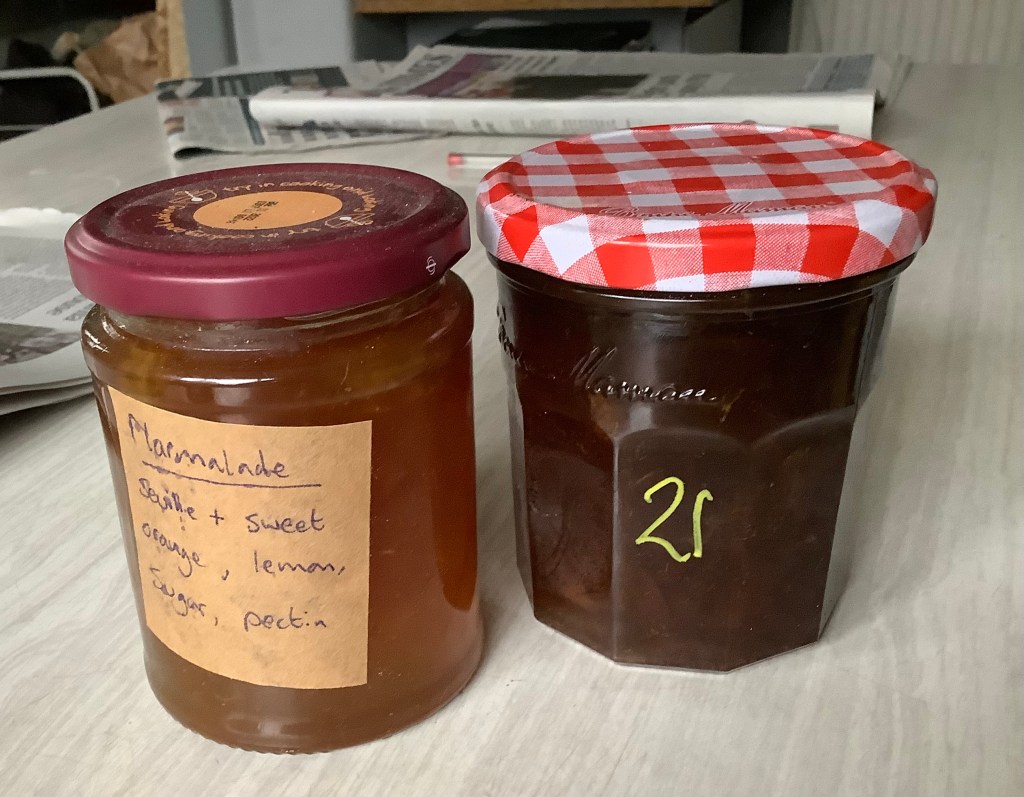
Seville oranges that are the key ingredient of marmalade are now in the shops and as they are a seasonal crop, now is the time to buy them and make marmalade. This recipe is adapted from one belonging to my great aunt.

7 Seville oranges

1 sweet orange

2 lemons

3kg sugar with pectin

Cut fruit into quarters and boil until skin is soft. If you have a slow cooker this is ideal – just put the fruit and 5 pints of water into the slow cooker, cover with its lid and leave gently simmering for 4 to 6 hours as necessary. If you are using a large saucepan, cover fruit with 7 pints of water and bring to the boil, uncovered. You will find the 2 pints of additional water will evaporate during the boiling.

Allow fruit to cool, slice the fruit thinly discarding all the pips as you find them. 

Put sliced fruit, the strained water/ juice and sugar into a large pan, bring to the boil whilst stirring (to prevent the sugar from burning). Boil, stirring frequently until setting point is reached. If possible use a jam thermometer. Otherwise test by dripping a small amount onto a cold plate. As it cools the mixture should form jelly like surface that wrinkles when pushed. 

Pour into sterilised jars and seal. 

Counting On … day 16 

29th November 2021

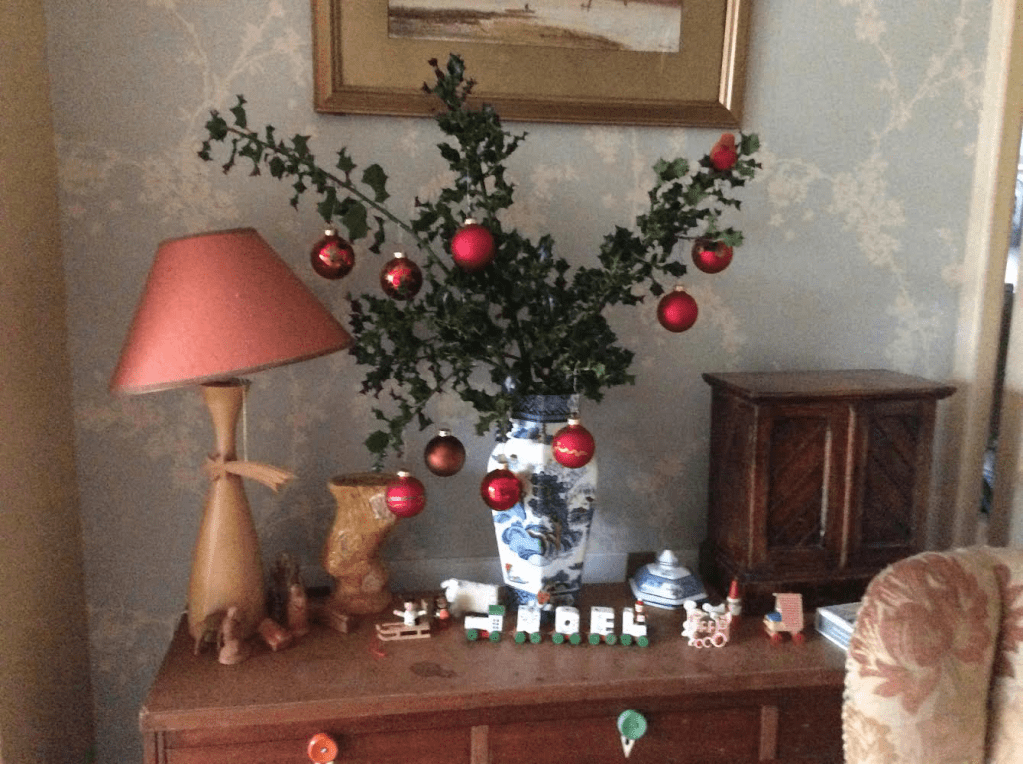
Things we find around us can be used to create alternative and wonderful Christmas decorations. Rather than buying a Christmas tree, a more sustainable option might be to find a decorative branch or twiggy stick  that you can take from your garden. This you can decorate with baubles and the like (often people have collections of decorations going back over many years and embed with happy memories). Or you can make new decorations and I’ll be suggesting some of the next few days.

Counting On … 

15th November 2021

“Every year we produce about 3% more waste than the year before. This might not sound much but, if we carry on at this rate, it means that we will double the amount of waste we produce every 25 years.”

One of the facts from C B Environmental’s fact sheet – do check out the rest of the facts. 

If we aim to live sustainably then we must aim to use only our fair share of resources – both a fair share  when shared across the globe, and a fair share when measured across time. At present we we use the earth’s resources faster than they can be replenished. 

In 2019  each person in the UK on average threw away (via waste bins to landfill sites) 392kg of rubbish. (https://www.statista.com/statistics/322535/total-household-waste-volumes-in-england-uk-per-person/

How can we reduce that? 

  • Make a note of what you throw in the bin each week. 
  • Could any of it be recycled instead? 
  • Could any of it be avoided by buying alternative products? Eg ones with less packaging or with less non recyclable packaging. Or buy products with a longer life? Or buy less if what you buy is not being used?
  • Repeat and see if you can reduce the number of things going into the bin the next week.
  • Alternatively weight the rubbish that goes into your bin each week: Using the suggestions above, can you reduce it week on week?

Count Down

Action 15: Reduce food waste.

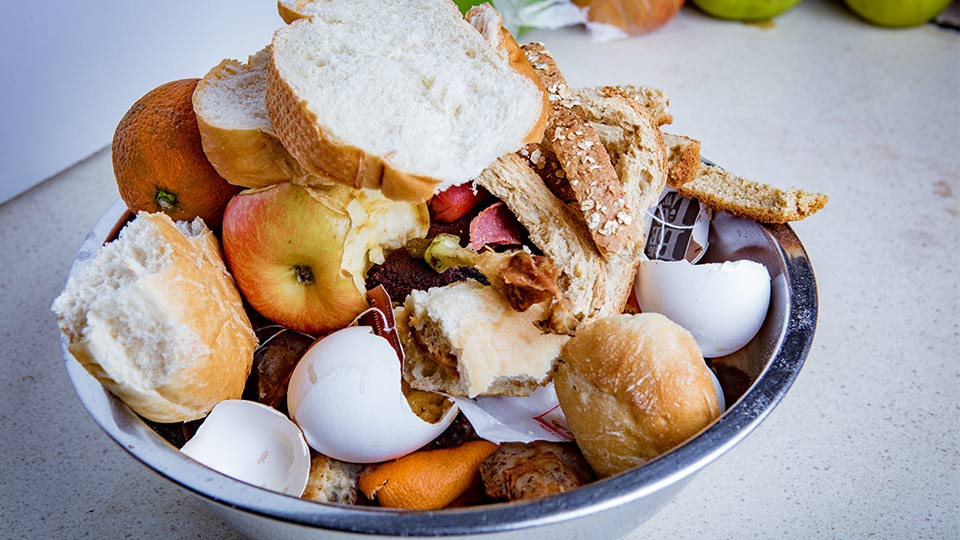
Food waste is a drain on finite resources. It unnecessarily uses water and other agricultural inputs. It creates unnecessary excess amounts of greenhouse gases – about 25 million tonnes a year just from the UK.

7.2% of all food harvested in the UK goes to waste or exists as a food surplus that is fed to animals, redistributed via food charities or is repurposed as bio-based materials. (WRAP 2019). Horticulture – the growing of fruit and vegetables – is the largest contributor. To ensure supermarkets are always fully stocked, farmers grow more than may be needed. Consumer demand is fickle: changes in the weather, recipes made popular by celebrity chefs etc can lead to sharp swings in demand for specific fruits and vegetables. In addition a proportion of the fruit and vegetables will be rejected on grounds of size and appearance. 

2.9% of the UK’s food waste takes place in the retail sector. Most of this waste is of products that have reached their best before or sell by date. Increasingly the latter food stuffs are redirected to food banks and other local food charities. Supermarkets often stock more than they need to ensure that what the consumer wants is always available on the shelf. 

70% of all food waste in the UK comes from what is thrown away by us, the householders. We most frequently throw away potatoes, bread, milk, tomatoes, bananas and slices of ham.