
Counting on … day 1.218

17th November 2023

In September of this year, the Sycamore Gap Tree was, through criminal action, chopped down. Previously a 400 year old oak was felled in Northamptonshire to make way for road improvements. A 600 year old oak was felled in Peterborough because it was damaging nearby buildings. A 250 year old wild pear tree was felled In Warwickshire to make way for HS2. 

Should we treasure trees as much as we treasure buildings? Are they not an as important part of the landscape? 

The Woodlands Trust is pressing “the UK, Scottish, Welsh and Northern Irish Governments to protect our most important trees by:

  • Legally protected heritage status for some of our most ancient and important trees
  • Strong, consistent policy protection for old trees  
  • More support for land managers to care for ancient and veteran trees”

If you would like to add your name to their petition, here is the link –

https://campaigns.woodlandtrust.org.uk/page/99702/petition/2

The Woodlands Trust also has ideas for home made Christmas gifts – https://www.woodlandtrust.org.uk/blog/2023/10/homemade-christmas-gifts/?utm_campaign=3328841_E23COM041_Newsletter_Dynamic&utm_medium=email&utm_source=E23COM044&utm_content=Christmas-Crafting&dm_i=2D76,1ZCJT,6HXEUF,71JUC,1
Counting on … day 1.217

16th November 2023  

The lead author of the study into the health (or rather threatened health) of our woodlands, published in  ‘Forestry: An International Journal of Forest Research’, is Dr Eleanor Tew, head of forest planning at Forestry England and visiting researcher at the University of Cambridge. Whilst the threat of a collapse of our woodland ecosystems is possible, it is not inevitable. “We do have time to make a difference, and there is a lot we can do to make our forests more resilient,” said Tew, who described the paper as a “call for action”… The forestry industry has to plan in advance …. an average conifer in a plantation can take up to 60 years to reach maturity, and a broadleaf up to 150 years. “Forestry has always been about planning for the long-term, and we’re at a time of huge change,” said Tew. Solutions [could] include increasing the diversity of tree species within a wood, planting trees of different ages, promoting natural regeneration and managing deer populations.”(1)

The Forestry Journal published advice from ConFor the forestry’s  industry wide body  to improve tree planting:-

  • a coordinated UK-wide approach to the 30,000-hectare target, currently not in place;
  • planting targets to be clearly linked to delivering other policy objectives – mitigating climate change, supporting biodiversity and delivering rural jobs and growth;
  • clear targets to use more home-grown wood – the UK is the second highest global net importer of wood after China, and using more wood will lock up more carbon (2)

Growing timber for domestic use – eg construction, furniture making etc seems logical. Maybe we can help by specifying such products if we are making such purchases. 

(1) https://www.theguardian.com/environment/2023/nov/08/uk-forests-face-catastrophic-ecosystem-collapse-within-50-years-study-says-aoe?CMP=Share_iOSApp_Other

(2) https://www.forestryjournal.co.uk/news/18834822.confor-calls-urgent-action-tackle-uk-tree-planting-failure/

Counting on … day 1.216

15th November 2023

At a time when there may be fewer jobs in UK-based mining and steel making, there are opportunities for more people to work in the forestry industry. 

At a recent Forestry Conference, Chris Williams the CEO of the Royal Forestry Society commented that a “Lack of woodland management is a major cause of biodiversity loss in the UK. We have a skills shortage. Between 2021 and 2025, 10 per cent of forestry workers will retire.” 

The Forestry Journal goes on to report on possible solutions that were discussed:- 

“What can we do?  Increase the number of forestry courses. Include forestry/agroforestry modules within land-management courses. Run courses where they are easier to reach (London/Birmingham). Offer a graduate conversion course, a PGCF (a postgraduate certificate in forestry?) and work with the EFRA committee and the agricultural sector. Adapt: create new pathways into the industry for the neurodiverse, care leavers and ex-military personnel: promote the positives: improve pay.”

“The RFS offers career roadshows, blogs celebrating women in forestry, careers advice. They develop pathways into industry with universities and participate in the Forestry Skills Forum. “The Green Tree badge initiative hopes to engage one million children (via school, Scouts, Guides, or family) in activities that raise awareness of forestry. If you don’t reach that eight-year-old, you won’t reach the 18 -year-old. Make it easier to find the sector and for people to get on board.” (1) 

  1. (https://www.forestryjournal.co.uk/features/forestry-journal-features/23914844.forestry-conference-2023-focuses-industry-skill-shortages/)

Counting on …day 202

3rd June 2022

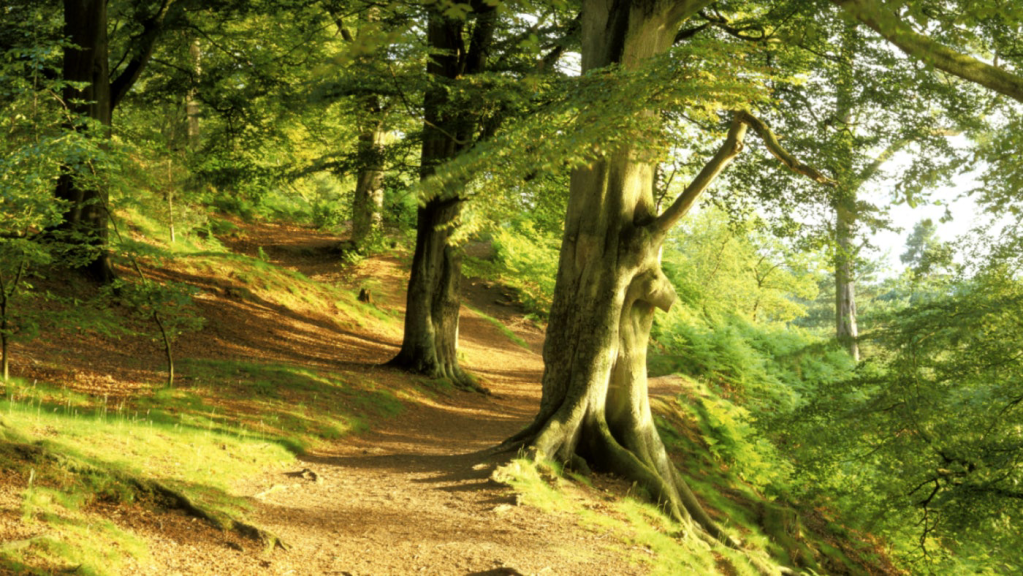
Forest bathing is the Japanese practice of immersing oneself in nature, especially in forests and paying particular attention to how that environment engages the five senses. Kate Bast, writing for Mental Health Today (https://www.mentalhealthtoday.co.uk/blog/awareness/forest-bathing-how-returning-to-the-trees-can-decrease-symptoms-of-anxiety) says forest it is like a “balm” for mental health and that it has the ability to slow down the fight, flight or freeze response, which is so often on high alert for those with anxiety.  Forest bathing, Bast said also softens the intensity of symptoms such as ‘rumination’ which is something that often plagues those living with depression.

The  Forest Bathing Institute offers guided sessions, including ones at Kew Gardens – https://tfb.institute/. The National Trust also offers a guide for self guided sessions –https://www.nationaltrust.org.uk/lists/a-beginners-guide-to-forest-bathing

Why not have a gentle walk in your nearest area of woodland?