Living Sustainably; Protecting the Earth; Loving God
Author: Judith Russenberger
Environmentalist and theologian, with husband and three grown up children plus one cat, living in London SW14.
I enjoy running and drinking coffee - ideally with a friend or a book.
Action 93: A week to go until the start of the COP26 conference on climate change. We shall be expecting a lot from world leaders: radical plans, actions and financial input. We too need to be part of the solution. What radical action could you take to make your life style more sustainable?
Having a concern for the environment is also about taking note and taking care of it. For today’s activity I have made a collage with leaves and seeds. There are so many lovely colours and shapes of leaves at this time of year, and so many different types of seeds: conkers and acorns, thistledown and apple pips. Taking time to notice and admire what is around us in the natural world is important – and what we see and love, we are far more likely to protect.
Having made my collection of leaves and seeds, I took a sheet of coloured paper. Then I arranged the leaves on the paper … looked at them … moved them around … until at last I had a pattern I liked. Then I used some glue to hold them in place.
I also took a photo as the leaves will not last for ever.
I like the idea of making something without having to buy lots of things. The less we have to buy, the less damage we do to the environment.
The reading from Jeremiah is so upbeat and full of joy. God is bringing together all God’s people, from the very ends of the earth, those who have been disadvantaged and sidelined, the marginalised, the young and the old. God will bring them back together, console and lead them, caring for them as a loving parent. The passage begins with a call to the leaders that they should praise God and pray for salvation. Will our nations’ leaders do the same for us at COP26? There are plenty of people around the world waiting for a time of celebration!
The Letter to the Hebrews reminds us that we have in Jesus the ultimate companion, guide and priest. The one who will always be with us, who will always be the means of our salvation, and who will always intercede on our behalf. At times of seeming hopelessness, we need to be reminded of this certainty.
It is not often we learn the names of the people that Jesus encounters. We hear of the woman with haemorrhage but not her name, of the paralysed man – ditto, the Syro-Phonecian woman, Peter’s mother-in-law: all are anonymous. But here we know the man’s name and that of his father too, and we know where he lives: he is Bartimaeus, son of Timaeus, resident of Jericho. He is a beggar so maybe life’s opportunities have passed him by. As a crowd gathers along the road side, people are less than generous towards Bartimaeus. They scold him for calling out to Jesus – are they embarrassed by him? Do they think people like him should be kept in the background? Do they think Jesus should only meet upright, ‘proper’ people?
If so, they have not been paying attention. Jesus is often sought out by the vulnerable, the excluded, the despised, and each time his response to them is always focused on their needs, full of love and compassion. Once Jesus has responded to Bartimaeus’s call, the crowd shifts its approach and now encourages Bartimaeus to get up and meet Jesus. How fickle a crowd can be!
Jesus’s question to Bartimaeus is interesting. He doesn’t assume that what Bartimaeus wants is sight – indeed may be Bartimaeus’s first desire was to be heard. People labelled as disabled, don’t always see their difference as something unwanted, as something they wish to be rid of. Rather what they may want acceptance and understanding, an place of equal standing in society. In this instance, Bartimaeus does want to regain his sight, he wants to see again. It transpires that what Bartimaeus doesn’t want to do is to stay where he is. He doesn’t want to remain by the roadside on the way into Jericho, the butt of people’s shifting opinions. He wants to go with Jesus, to follow him and become part of the transformative society that Jesus is creating.
In that there is a message for us. What do we want, both for ourselves and our society – our world? And can we be part of the change? Next Sunday sees the start of COP26 in Glasgow. Decisions made there have the potential to transform for the better, the lives of so many. Let us make sure our voices are heard, our wishes declared.
Action 92: Take time for a walk and take time to pay attention to what’s around. In Richmond Park this morning I saw both parasol mushrooms and hare bells – and afterwards learnt the difference between common puff balls and earth balls – the latter are poisonous.
The dangers of the climate crisis are real, but we can all be part of the solution. The single most important thing we can do is to reduce our carbon footprint to net zero.
Today’s activity is about things go down. In this case a marble – but hopefully it will also be your carbon footprint too!
For this activity you will need a cereal packet, some thin card – eg another food packet – a stapler, scissors and glue. To finish you will need a flat board such as a cork table mat or chopping board, and some tape.
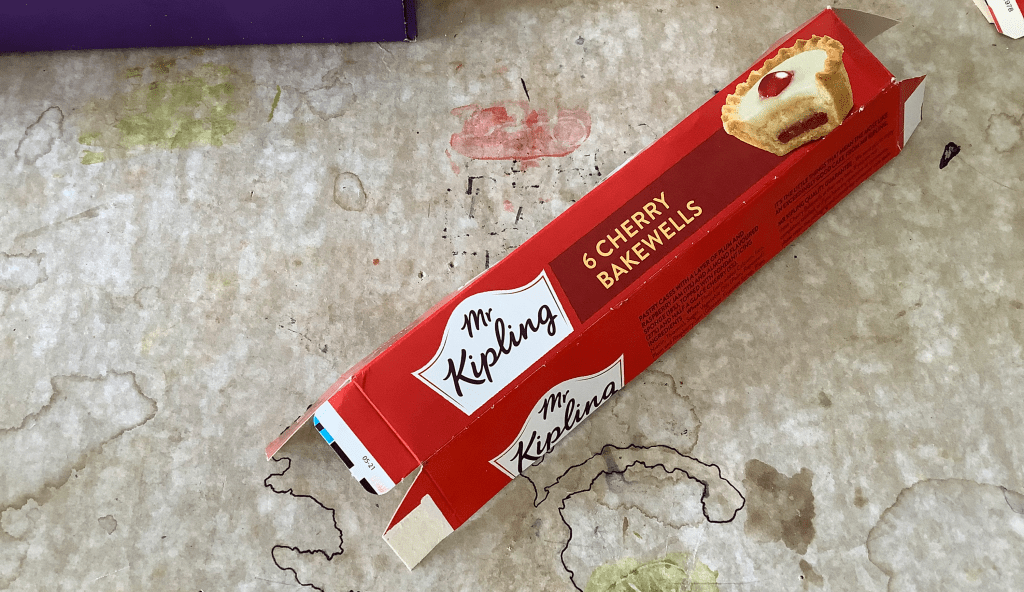
Cut the thin card (mine is a cake packet) into three strips that are a little longer than the width of the cereal packet and about 6cm wide. This you bend into box-shaped gutter. The side of my packet comes ready folded into this shape.
Fold and staple the flaps at one end of the gutter.
At the other cut a gap in the base of the gutter and then fold and staple the end flaps.
Once all three gutters have been made, glue these to the side of the cereal packet. Angle the gutters so that they slope downhill with the gap/ hole at the lower end.
It may help if you unstick the bottom of the cereal packet so that you can lay it flat.
Cut out triangles of plain paper to fill the gaps between the gutters. On these you draw some pictures or write a message – as I chose to do. Glue these onto the cereal packet.
To make the marble run stable, we are going to fix it to a flat board – I used an old chopping board. If you haven’t already, unstick the bottom flaps of the cereal packet and spread them out. Place the cereal packet on the board and tape the flaps down. Now your marble run should be stable. If it still a bit wobbly put a packet of sugar or a tin of baked beans inside the cereal packet to weigh it down.
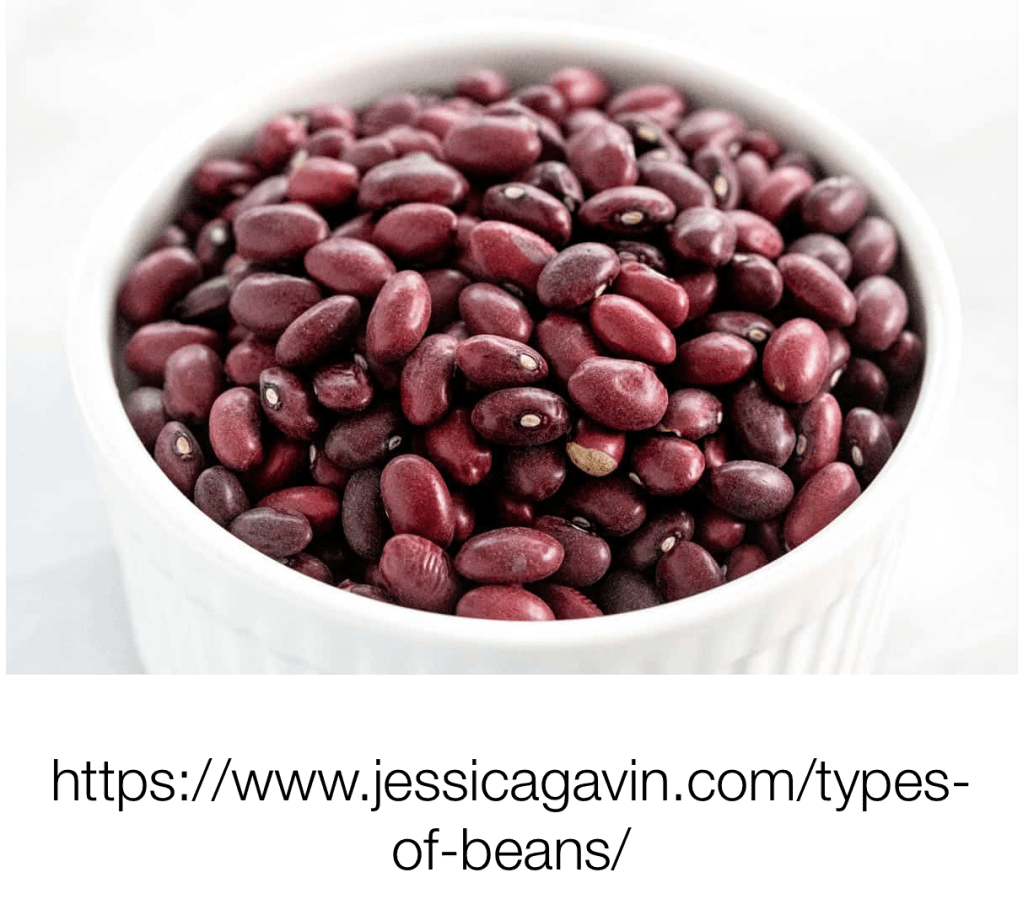
Action 91: can you challenge yourself to a plant-based November? With squashes and pumpkins and mushrooms and brassicas very much in season, lots of delicate and hearty meals await you. Try out a hole range of different plant-based proteins – fava beans, pinto beans, cannelloni beans, Puy lentils, Carlin peas, blue peas, black badger peas, tofu, walnuts, almonds …. I am sure you can have a different one each day!
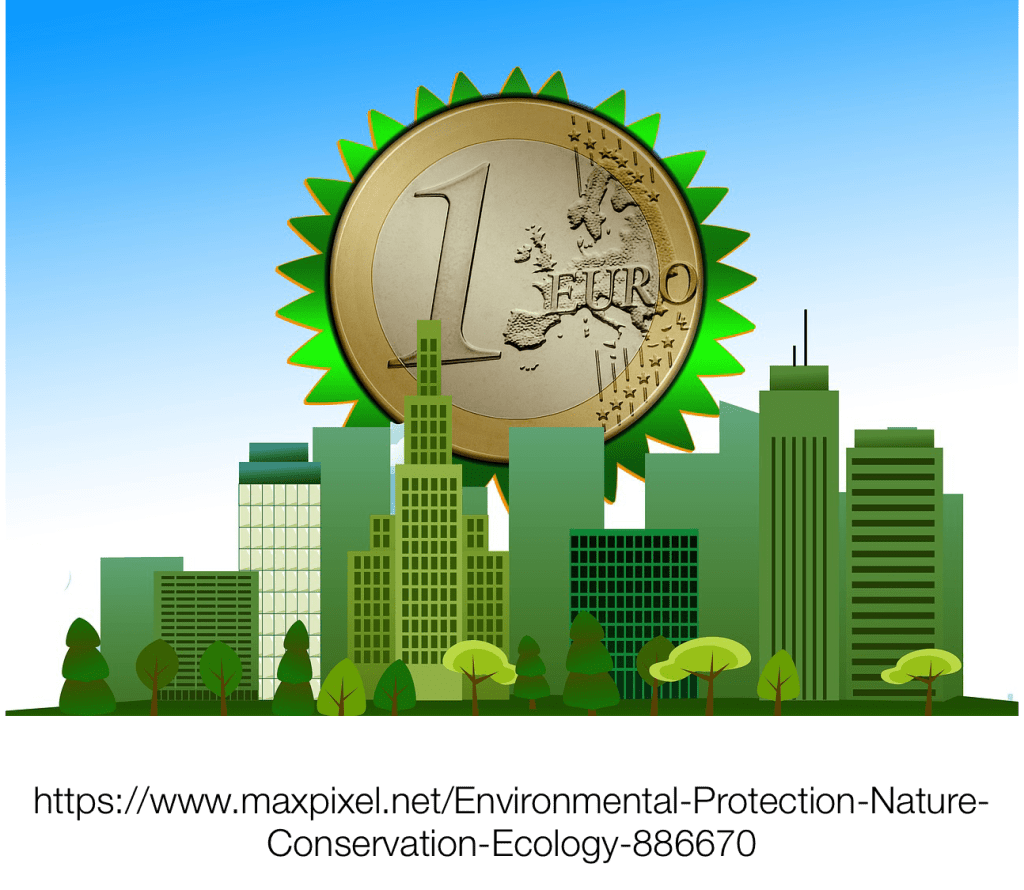
There is very little in this world that doesn’t somewhere along the line involve money – or as we might more politely phrase it, finance. Our response to the climate crisis is no exception. For whilst there are things we can do that don’t cost a single penny – like walking instead of taking the car, or turning down the thermostat, or not eating meat – there are many more things we need to do that do cost. We need to bring to a halt extraction of oil, coal and gas and instead create jobs and industries around renewable energy, heat pumps, electrical vehicles and charging points. We need to invest in public transport and reduce considerable the aviation industry – and we need to invest in retraining and creating green jobs. We need to shift the emphasis of agriculture from animal to arable farming. We need to restore and expand the rewilding of land and seas so they can become larger, more effective carbon sinks. We need to insulate our homes, offices, public buildings – even places of worship. We need improve provision for floods, droughts, wild fires, storms, heat waves and cold snaps, so that people, properties and ecosystems are protected. The list goes on and so does the need for finance.
However much these measures may cost, we must keep in mind what would be the cost of doing nothing: ie the cost of even more infrastructure to cope with ever increasing temperatures, and extreme weather conditions; the cost of relocating homes, businesses and whole communities as sea levels rise; the rising cost of food as all important pollinating and pest destroying insects are lost; the rising cost of food and water as water shortages rise; the loss of life from extreme weather events and the rising number of excess deaths from heat waves and cold snaps; the growing need to relocate whole communities as rising temperatures make large areas of land uninhabitable.
And on the other hand we should keep in mind all the positive spin offs from investing in a greener world: better health as people walk and cycle more, eat less meat and dairy products, enjoy more green spaces that enhance mental well being, live in warmer, dryer homes, breathe less polluted air.
So what is happening about finance to tackle the climate crisis? Here are some examples and policy statements for the global to the individual level.
*UN Climate Finance: ‘The Convention, the Kyoto Protocol and the Paris Agreement call for financial assistance from Parties with more financial resources to those that are less endowed and more vulnerable. This recognises that the contribution of countries to climate change and their capacity to prevent it and cope with its consequences vary enormously.’
‘According to October 2019 data from the World Bank , the world will need to make significant investment in infrastructure over the next 15 years –around US$90 trillion by 2030. But it can recoup those investments. Transitioning to a green economy, it found, can unlock new economic opportunities and jobs. An investment of US$1, on average, yields US$4 in benefits.
‘In addition to reducing emissions, making infrastructure more resilient avoids costly repairs and minimises the wide-ranging consequences of natural disasters on the livelihoods and well-being of people, particularly the most vulnerable, as well as on businesses and economies. And a shift to low-carbon, resilient economies could create over 65 million net new jobs globally out to 2030.
International Monetary Fund: ‘Long term institutional investors can help with rebalancing and redistributing of climate related risks and maintaining financial stability. Hedging instruments (e.g., catastrophe bonds, indexed insurance) help insure against increasing natural disaster risk, and other financial instruments (e.g., green stock indices, green bonds, voluntary de-carbonisation initiatives) can help re-allocate investment to “green” sectors.’ https://www.imf.org/en/Topics/climate-change/green-finance
* World Economic Forum: Green finance is blossoming. Globally, the green bond market could be worth $2.36 trillion by 2023. It is regarded as a way of meeting the needs of environmentalism and capitalism simultaneously – but what is green finance and how does it work? Typical projects that fall under the green finance umbrella include:
* The Bank of England: ‘Climate change affects our planet, our economy and our financial system. As such, climate change is relevant to the Bank of England’s central mission to promote the good of the people of the United Kingdom by maintaining monetary and financial stability.’
* All banks are likely to offer customers finances for green projects subject to their normal risks assessment. However some banks – green/ ethical banks – make finance such projects the main stay of their work and at the same time consciously choose not to invest in projects that are harmful to the environment. For example Triodos Bank claims to be ‘one of the most sustainable banks in the world. We make money work for positive social, environmental and cultural change.’
Good with Money notes that: ‘channelling money into companies and initiatives that solve big global problems may be a win-win scenario. For instance, well-run businesses fighting climate change are benefitting from public and private commitments to clean infrastructure. Some are even starting to outperform their badly-managed, polluting rivals, which means bigger profits for investors to put towards meaningful long-term goals.’ https://good-with-money.com/wp-content/uploads/2021/08/The-Good-Guide-to-First-Time-Investing-FINAL.pdf
*Pension providers, insurance companies, mortgage providers, investment and savings companies, all invest money for the benefit of their customers. As consumers we can ask whether these funds are invested so as to benefit the environment or whether they are investing in companies that are damaging the environment, such as those in the fossil fuel industries.
Make My Money Matter says: ‘Your pension is powerful. There’s £2.6 trillion in UK pensions – and that’s your money. But it’s being invested on your behalf, without your say. That means your hard-earned savings are likely driving deforestation and funding fossil fuels. As a result, your money has a carbon footprint – just like you.We’ve looked at how big that footprint is, and the answer is pretty scary. The carbon footprint of the average pension is 26 tonnes…’ https://makemymoneymatter.co.uk/21x/
* Personal spending: we, as consumers, can be seen as investors. When we choose what to spend our money on, we are expressing our preference, our support for that product or service, that market or industry. Whether we are buying petrol or a bus ticket, whether we are buying an air ticket or train ticket, whether we are buying locally grown apples or imported grapes, dairy milk or oat milk, we are influencing the way money will be invested and its impact on our environment.









 The Green Tau