Falling in Love 11

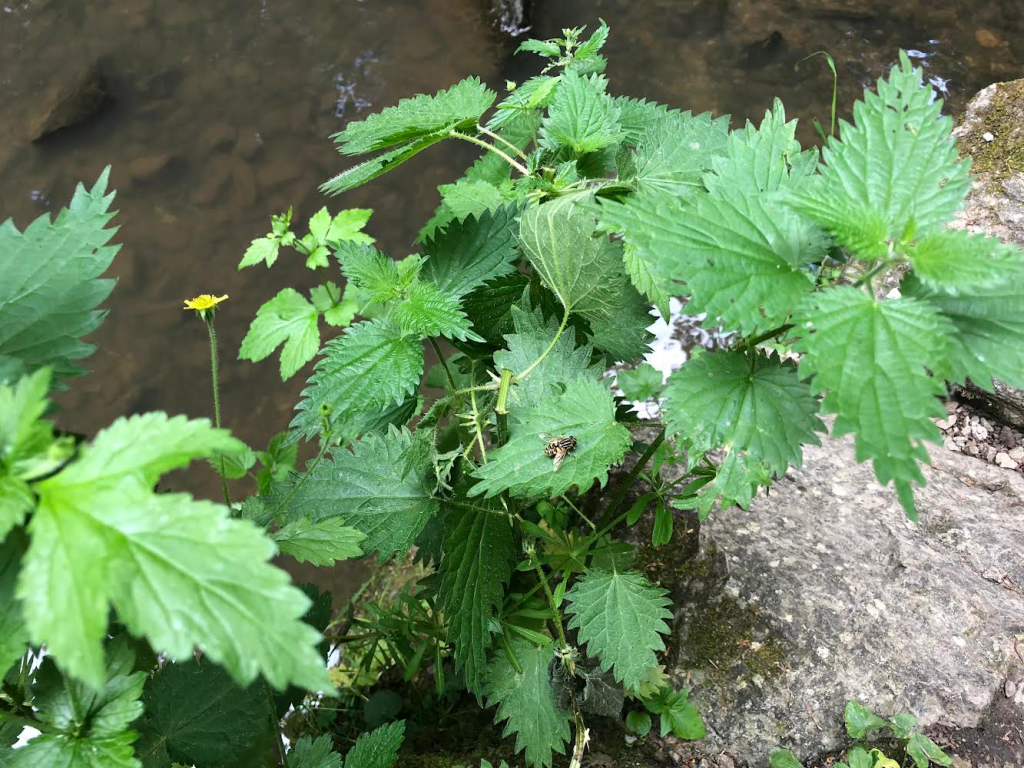
Nettles are often seen with irritation or distaste because they sting – roses of course have sharp thorns! Nettles however are an excellent food source for various insects, especially for caterpillars. Red admiral, peacock, small tortoiseshell and comma caterpillars are all fans of nettles. Young nettles are popular with aphids and therefore with ladybirds too. Nettles can be a key plant in wild life friendly gardens. 

Nettles are also good for humans to eat, especially when the  leaves are young and tender, and are a good source of vitamins A, C and D as well as minerals such as calcium, magnesium and iron. 

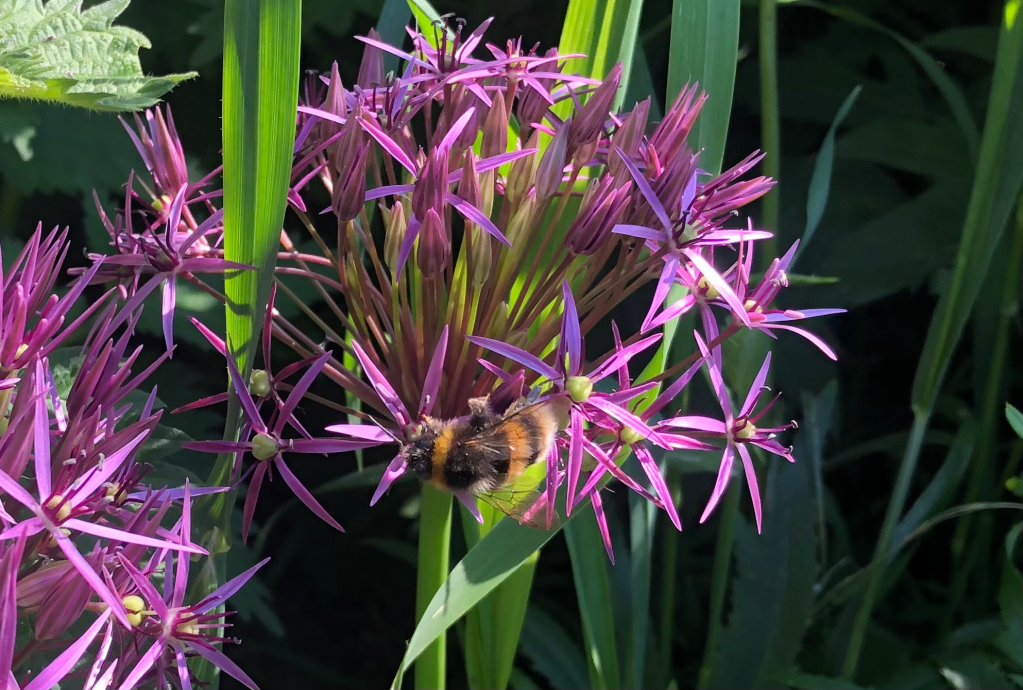
The world around us is full of curious, beautiful and amazing things. As small children our curiosity and our amazement knew no bounds. Every day would produce novelties- things to see, things to chew or eat, things to grab and hold, things to poke and explore. 

As we have grow older we have often lost that sense of wonder. Things that were new have become mundane. In the rush to be busy, small things flop below the radar. Decorum dictates that we shouldn’t prod or lick things and, unless we’re wine tasters, swirling stuff around our mouth and spitting are frowned upon. Stopping suddenly just to look is discouraged – it interrupts the flow of traffic. Daily routines take over. 

And our love for the world wains and falters. 

The season of creation-tide runs from 1st September till 4th October, the Feast of St Francis. Let’s fall in love again with creation. 

The Green Tau: issue 16

10th September 2021

The Appliance of Science

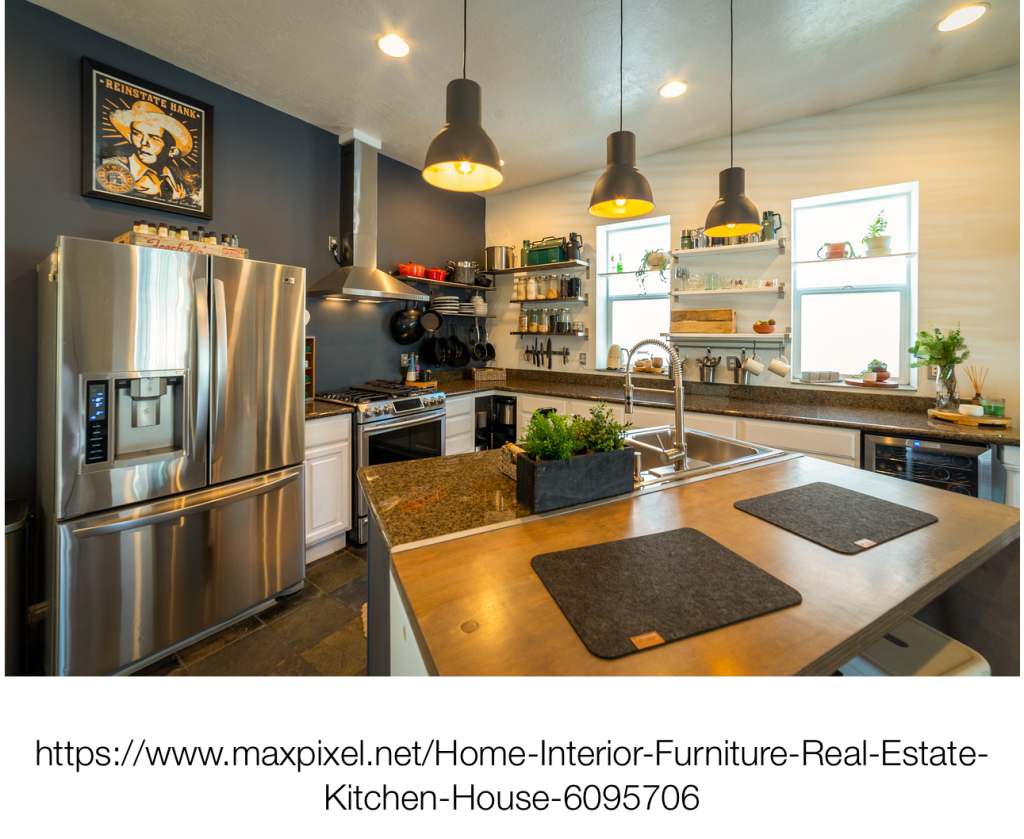
Heating consumes most of our household energy and consequently carbon budget. Of the remainder  some is used for heating water – for baths, showers etc – but most is used in the kitchen: about 60% on average. The typical kitchens contain a cooker, kettle, fridge and washing machine. There may also be a freezer and a tumble dryer. And then any number of smaller appliances which can take up so much space – coffee machine, blender, mixer, toaster, juicer, rice steamer, slow cooker, waffle maker, sandwich maker, bread maker, deep fat fryer, ice-cream maker, coffee grinder, electric whisk, soup maker, griddle … 

Think of an average day in the kitchen. Boil the kettle for a hot drink: approx 25g CO2 per mug of hot water; pop bread in the toaster: 75g; microwave a bowl of porridge: another 25g; run the dishwasher: 275g (70 minute programme); run the washing machine: 400g (100 minute cycle) plus 20 minutes in the tumble dryer: 250g; brew a fresh coffee with the coffee machine: 50g; bake a cake: 750g; half an hour’s ironing: 350g; make supper (eg pasta, sauce and vegetables) using three hot plates 250g; put another load through the dishwasher: 275g; boil the kettle for a bedtime hot drink: 25g. That adds up to  2750g. Meanwhile the fridge is contributing 1250g per day and the freezer 750g, giving a total of 4750g.

If we move around the home, we have the computer and the TV which might each be another 250g CO2 per day, the vacuum cleaner, mobile phone chargers (most homes have more than one), internet hub, Alexa,  hair dryer, pressure shower etc. Plus all the light fittings. 

Perhaps it is not surprising that energy consumption in our homes accounts on average for 22% of the UK’s national carbon footprint. But if we are to achieve the UN’s targeted  45% reduction on CO2 emissions  by 2030 – and net zero by 2050 – we need to find ways of reducing our personal footprint.  We can change the way we use our household appliances and next week’s Eco Tips will look at ways of making efficiency savings. 

We can use more energy efficient appliances – but is buying something new the best answer if that means throwing away equipment that is old but still working? 

Every appliance we buy, large or small, has already produced a carbon footprint  by virtue of its manufacturing, and distribution.  Information on the size of these footprints is not readily forthcoming. This may in part be because often these appliance – or their components – are manufactured elsewhere in the world. Current accounting procedures would allocate these carbon costs to the country of production and not the country of consumption. 

As well as considering the manufacturing carbon footprint of the appliance, we also need to consider the life span of the appliance. A fridge that has a life of 20 years will better repay its carbon footprint, than a fridge that is only used  for 5 years. Sadly many appliances now seem to have a very short life. Whereas a fridge or cooker might have lasted 30+ years, modern day equivalents have an expected lifespan of 10 -13 years. Even then they may not serve their full span as in out throw away society, many are discarded as part of the popular pastime of kitchen refurbishment. 

The UK has one of the highest rates of throwing away electrical appliances. In 2019 this was almost 24kg of waste per head.  Less than 20% of our electrical waste (e waste) is currently recycled  with the rest going to landfill with the potential harm of toxic chemicals leaking out, whilst at the same time failing to salvage valuable metals and other elements that could be reused. E waste will be a future topic for Green Tau. 

NB Recent EU legislation requires that electrical appliances should a, be repairable and b, that manufacturers should provide spare parts for up to ten years after a model has gone out of production. The UK introduced similar legislation in July of this year, although manufacturers have a two year window in which to bring in these changes. 

Falling in Love 10

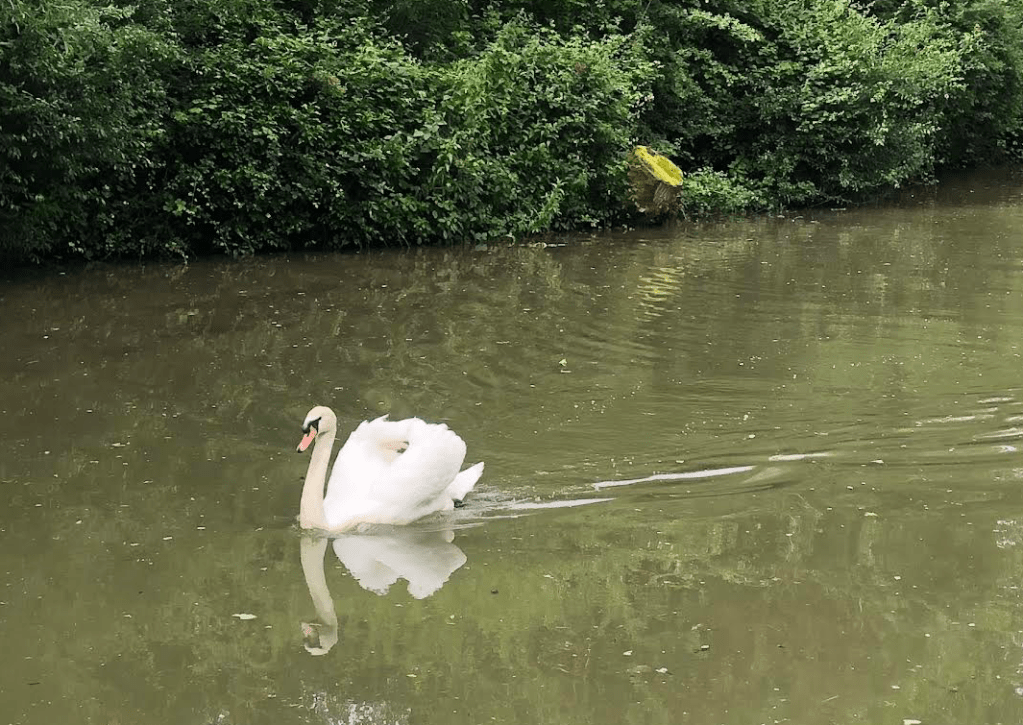
Swan on the Grand Union Canal, leamington

We often see swans as birds of great beauty but we know that both beneath their calm demeanour is a pair of fast paddling feet, and that their initial appearance as cygnet underplays what they will finally be like. 

Things are not always as they first appear.


The world around us is full of curious, beautiful and amazing things. As small children our curiosity and our amazement knew no bounds. Every day would produce novelties- things to see, things to chew or eat, things to grab and hold, things to poke and explore. 

As we have grow older we have often lost that sense of wonder. Things that were new have become mundane. In the rush to be busy, small things flop below the radar. Decorum dictates that we shouldn’t prod or lick things and, unless we’re wine tasters, swirling stuff around our mouth and spitting are frowned upon. Stopping suddenly just to look is discouraged – it interrupts the flow of traffic. Daily routines take over. 

And our love for the world wains and falters. 

The season of creation-tide runs from 1st September till 4th October, the Feast of St Francis. Let’s fall in love again with creation. 

Count Down

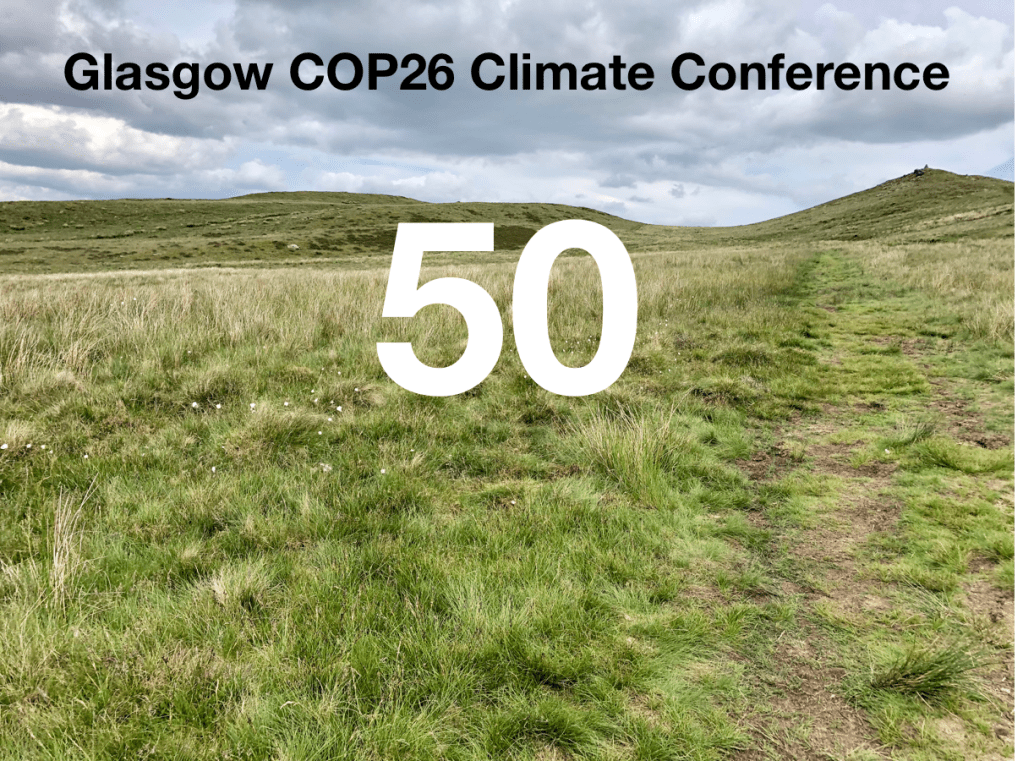
Action 50: Half way! Children are most at risk from the effects of  climate change. Their age makes them vulnerable to diseases and heat stress, but more importantly they will living for longer with the consequences of the climate crisis. Sign UNICEF’s petition asking Governments to act on the behalf of children. 

https://act.unicef.org.uk/page/86419/petition/1

Falling in Love 9

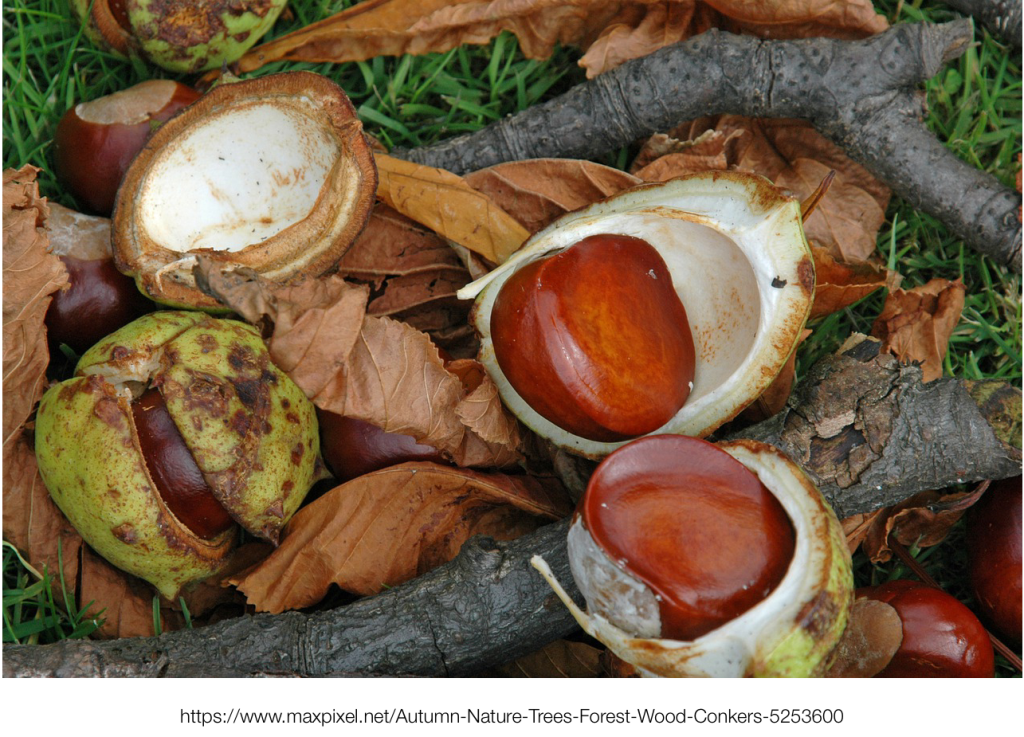
Conkers are a children’s favourite, to be collected and hoarded. Its smooth highly polished skin and round shape is irresistible

Even for adults – aren’t we just grown up children – the appeal remains. The conker comes with an apt lesson: the shiny beauty is short lived – beauty can not be hoarded. 

The world around us is full of curious, beautiful and amazing things. As small children our curiosity and our amazement knew no bounds. Every day would produce novelties- things to see, things to chew or eat, things to grab and hold, things to poke and explore. 

As we have grow older we have often lost that sense of wonder. Things that were new have become mundane. In the rush to be busy, small things flop below the radar. Decorum dictates that we shouldn’t prod or lick things and, unless we’re wine tasters, swirling stuff around our mouth and spitting are frowned upon. Stopping suddenly just to look is discouraged – it interrupts the flow of traffic. Daily routines take over. 

And our love for the world wains and falters. 

The season of creation-tide runs from 1st September till 4th October, the Feast of St Francis. Let’s fall in love again with creation. 

Count Down

 Action 49: This is the season for apples. If you – or your neighbour – has a surplus, use some to make mincemeat. It will have matured nicely by Christmas.

Chop 500g of apples into small pieces – leave the skin on but discard the core – and place in a large bowl. Add the  juice of 2 lemons. Add a teaspoon each of nutmeg, mace and cinnamon – or use ready mixed spice. Add 800g of dried fruit: use a mixture of raisins, figs and apricots. Chop the figs and apricots into small chunks: this is easily done using a pair of scissors. Add 250g of sugar. 

Traditionally mincemeat includes suet – vegetarian or otherwise but I choose to omit this as there is usually plenty ty of fat in the pastry and the brandy butter. 

You can also add a couple of tablespoons of brandy but this is optional. Mix  all together. Leave the mixture in the bowl for 3 or 4 days stirring each day – cover with a tea-towel. Put into jars and it will keep for several months. We keep some back to make  for triangle mince pies for Trinity Sunday. 

Green Tau Reflection

Life choices that bring blessings 

“You have heard that it was said, ‘An eye for an eye and a tooth for a tooth.’ But I say to you, Do not resist an evildoer. But if anyone strikes you on the right cheek, turn the other also;  and if anyone wants to sue you and take your coat, give your cloak as well; and if anyone forces you to go one mile, go also the second mile. Give to everyone who begs from you, and do not refuse anyone who wants to borrow from you. Matthew 5:38-42

The above comes from the Beatitudes: Jesus’s teaching to the crowds on the approach to life that would bring its own blessings. 

An eye for an eye and a tooth for a tooth sounds very mercenary. A contractual arrangement in which neither side looses out. A fair’s fair deal that leaves no space for argument not for generosity. It has the feel of a fixed price market. Anyone who tried to pay more than the asking price would be a fool. Yet Jesus invites the listener to be that fool. To pay more than the asking price. To give more that is required or demanded. To act in a way that undermines the normal way of doing business. It is a radical counter-cultural way of being that will bring its own blessings.

In the world of the climate crisis, old ways of doing things will have to change, old traditions and  old  norms will be replaced by new ways. Heating homes with gas will be history; the supermarket run in the car and the lift to school will disappear; holidays won’t start at the airport; strawberries will be a treat for the summer not Christmas.

Change like this can be hard to accept. After a life time in which cars have become the default means of transport, it is hard to rethink in terms of walking times. After a life time in which air travel has become part and parcel of the holiday package, it is hard to rethink in terms of trains and local destinations. After a life time in which seasonal food describes food linked to sporting/ social events, it is hard to re shape our eating round a annual cycle of what is currently in peak production: raspberries in June, plums in August, avocados in February. 

Change can be expensive as new practices, new products are scaled up and developed. The bonus of economies of scale take time to kick in, the benefits of lower energy bills will be felt gradually over the years whilst the initial cost of new equipment – heaters, electric cars, solar panels – may be steep.  

Following Jesus’s teaching, we can become trend setters, living a new lifestyle, adopting ways that will curb GHG emissions and restrain the climate crisis. We can lead by example and do things that are not the norm, that are not (yet) fashionable. We can choose to walk or cycle that bit further than usual rather than going by car. We can refuse to buy the plastic wrapped fruit or sandwich. We can explore the UK rather than the world. We can decline avocados in summer and strawberries in winter. 

Those of us with money can invest in carbon neutral technology, we can buy the eco friendly products and services, and we can do so generously, supporting producers as well as the climate. Train travel can be more expensive that going by car or plane, but we can choose the climate friendly option. Organic food may be more costly – now – but we can choose it over cheaper products that are less environmentally friendly.

Jesus asks that when we choose how to live, that we choose to think of the needs of others and be ready to meet their needs first. The results? A transformed world!

Falling in Love 8

Something we will probably only ever see in a picture or on film, is an iceberg . Icebergs are huge lumps of fresh water ice  that have broken away from an ice shelf or glacier. Icebergs float because frozen fresh water is less dense than sea water. Most of the iceberg will be submerged in a ratio of 1:7. Currently the largest iceberg is A-76 – which is in the Weddell Sea in Antarctica – is 170 km in length and 25 km wide!

Most icebergs are white but can be various shades of blue – or even black – depending on the amount of air and impurities in the ice.


The world around us is full of curious, beautiful and amazing things. As small children our curiosity and our amazement knew no bounds. Every day would produce novelties- things to see, things to chew or eat, things to grab and hold, things to poke and explore. 

As we have grow older we have often lost that sense of wonder. Things that were new have become mundane. In the rush to be busy, small things flop below the radar. Decorum dictates that we shouldn’t prod or lick things and, unless we’re wine tasters, swirling stuff around our mouth and spitting are frowned upon. Stopping suddenly just to look is discouraged – it interrupts the flow of traffic. Daily routines take over. 

And our love for the world wains and falters. 

The season of creation-tide runs from 1st September till 4th October, the Feast of St Francis. Let’s fall in love again with creation. 

Count Down

Action 46: Set up a bird feeding station in your garden. Use a selection of bird feeders that will hold  different sorts of bird food – suet cakes, seeds, peanuts etc. These will need to be hung from a pole or the branches of a tree. You can include a bird table for those birds prefer to eat from a flat surface but you may find everything gets eaten by pigeons – try a table with a roof to lift access. Locate your bird feeders where they cannot readily be accessed by cats but can be accessed by you, as you will need both to keep them filled and to regularly take them down for a good clean. Mouldy food is not good for birds. The RSPB has instructions for DIY bird feeders: https://www.rspb.org.uk/fun-and-learning/for-kids/games-and-activities/activities/make-a-recycled-bird-feeder/

Also include a shallow bowl for water. Birds need fresh drinking water.

If …

Soil Plant Hands Growth Environment Nature Dirt

If we are called us to beat swords into plough shares,  

we are also called to turn military jobs into green ones.

If we seek to establish peace,

we must generously offer both love and practical gifts. 

If we shift from passive to active travel, from cars to cycles,

we shall need cycle paths and secure shelters.

If we replace petrol engines with electric motors, 

we must also turn petrol stations into recharging points.

If we swop meats for a vegan diet, 

we must also turn beef farms into arable farms,

sheep fells into woodlands,

dairies into nut fromageries.

If we switch to green electricity,

our pension funds must invest in renewable energy.

If we green our pensions, 

surely we will green our banks too.

Creator God, help us to see the changes we must make,

Give us the wisdom to support them, 

the energy to achieve them 

and the joy to celebrate them.

Amen.