Eco Tips

Active Travel

 Active travel is getting from A to B using our own person power – be that

pedalling a cycle, wheeling a chair, pushing a scooter or simply putting one foot in front of the other. It gets us from home to school/the shops/ the gym/ the railway station … and back. It keeps us fit and it keeps our environment fit – free from air pollution, congestion and carbon emissions. 

  • Dress for the weather:
    • waterproof shoes/ boots;
    • waterproof over trousers and jacket
    • sunhat/ beanie/ helmet
    • gloves, scarf
    • comfortable shoes
    • something reflective for after dusk
  • Maintain your wheels
    • keep tyres fully pumped
    • get a puncture repair kit
    • clean and oil chain and gears regularly
    • check and adjust/ replace brake blocks
    • boom a regular 4-6 monthly service
    • invest in a extra strong bike lock
    • use bike lights from and back
  • Carrying things – eg shopping
    • Fit your cycle with panniers or a basket
    • find a basket that is comfy to lift and hold
    • try a pull along basket/ trolley
    • use a back pack to spread the load more evenly
  • Route planning
    • Find local cycle routes where you feel safe with other traffic.
    • Cycle with a friend if initially you lack confidence
    • Choose a route that you will enjoy walking/cycling.
    • Find out where there are short cuts for when you in a hurry
    • Work out how long your active journey will take and leave in good time.
  • Make active travel a habit
  • Fuel
    There is never such a thing as too much cake, only not enough active travel! 

Count Down

 Action 11: Carry a keep cup when you go out.

In Britain we get through  2.5 billion single use coffee cups each year. Each cup – typically made of paper with a thin plastic layer – has a carbon footprint of 60.9g and that is before it leaves the cafe. Only 1 in 400 will be recycled with the remainder ending up in landfill, further adding to their carbon foot print. Each year single use coffee cups produce 152,000 tonnes of carbon dioxide – the equivalent to the output of 33,300 cars. 

https://www.theguardian.com/environment/2020/apr/26/why-britains-25-billion-paper-coffee-cups-are-an-eco-disaster

Sunday Reflection

1st August 2021

Proper 13: Exodus 16:2-4,9-15; Psalm 78:23-29; Ephesians 4:1-16; John 6:24-35

Photo by Pixabay on Pexels.com

Do we eat to live or live to eat? 

Do we hunger for more than just food? 

How do we find happiness, purpose, understanding, and fulfilment in our daily lives?

The Israelites – migrants seeking a better life – are, according to the Book of Exodus, quickly disillusioned with what their new alternative life offers. The grass is not greener on this new side of the Red Sea, and however constraining life was in Egypt, they feel that their old life had its compensations. What they don’t seem to have realised is that this new life is about following God, being shaped and sustained by God, about becoming God’s people. It is a life that is going to feel different, that will have different priorities and different benefits. It is a life in which they will encounter and know God in new and richer ways. Their need to eat is not just about a daily filling of stomachs. Rather it is about developing a relationship with God in which they realise that God is the one who meets their daily needs, including but not limited to, daily meat and bread. Each day they are going to be invited to meet and give thanks to God as they collect their food. God is offering to be a constant presence in their lives, sharing with them a taste of heaven.,

Today’s Psalm is a recapping of the story from Exodus. The manna, the bread from heaven, is delightfully called the bread of angels. 

The writer of Ephesians (not Paul himself but someone writing as if they were Paul) could well have been writing to the Israelites. Both the migrating Israelites, the Ephesians and we ourselves are being urged to lead a life worthy of our calling – a calling to be the people of God, to be God-shaped people – and the writer lists virtues we should therefore practice. Yet even though we are all called to be one in body and spirit, the writer also reminds us that we equally are all unique, each being recipients of different gifts that will enable us to grow into that one body that unites us all in Christ. That is our vocation, to become here on earth the loving presence of Christ.

Our reading from John’s gospel follows on after the feeding of the 5000. The writer of the gospel describes both this, the turning of water into wine, and Jesus’s various healings, as signs not miracles. Signs point us to new ways of doing things and new ways of understanding things. 

The crowd, still wanting more (although they are perhaps not sure more of what) have continued to keep a tab of Jesus’s movements and to tail him. When they catch up with him, Jesus criticises them – or is he gently teasing them? – that what they are really after is more food so they can fill their stomachs, rather than seeking ways to new life. Jesus suggests that as long as he feeds them they aren’t really bothered about who he is or where he has come from. 

This prompts them to think about their religious obligations and they ask what they should do to perform the works of God. Have they been so busy eating that they have not been listening? When Jesus says they should believe in – ie so believe in what that person does and says, that they too do the same – the one whom God has sent. They  twig that he is talking about himself but don’t put two and two together and realise that having followed Jesus and been present with him, they should have understood this. They ask therefore for a sign as if none had been given so far. Maybe the bread they ate on the hillside seemed too mundane and earthly: not something that was heavenly like manna. 

Jesus tells them that heavenly bread is bread given to them by God, is bread that gives life to the world. And yes, they say, yes that is exactly the bread we want!

I am that bread, the bread of life, says Jesus. I am offering you myself. Take from me – feed on what I teach, emulate what I do, let me feed you daily and fill your every need – then you will never be hungry, never thirst, never go unsatisfied.  

Jesus is the bread of life. By imbibing what Jesus is, we will become the living, loving presence of Christ on earth.

In Jesus we find the meaning of life. With Jesus we find happiness, purpose, understanding, and fulfilment in our daily lives.

Feed on that which gives you life.

Count Down

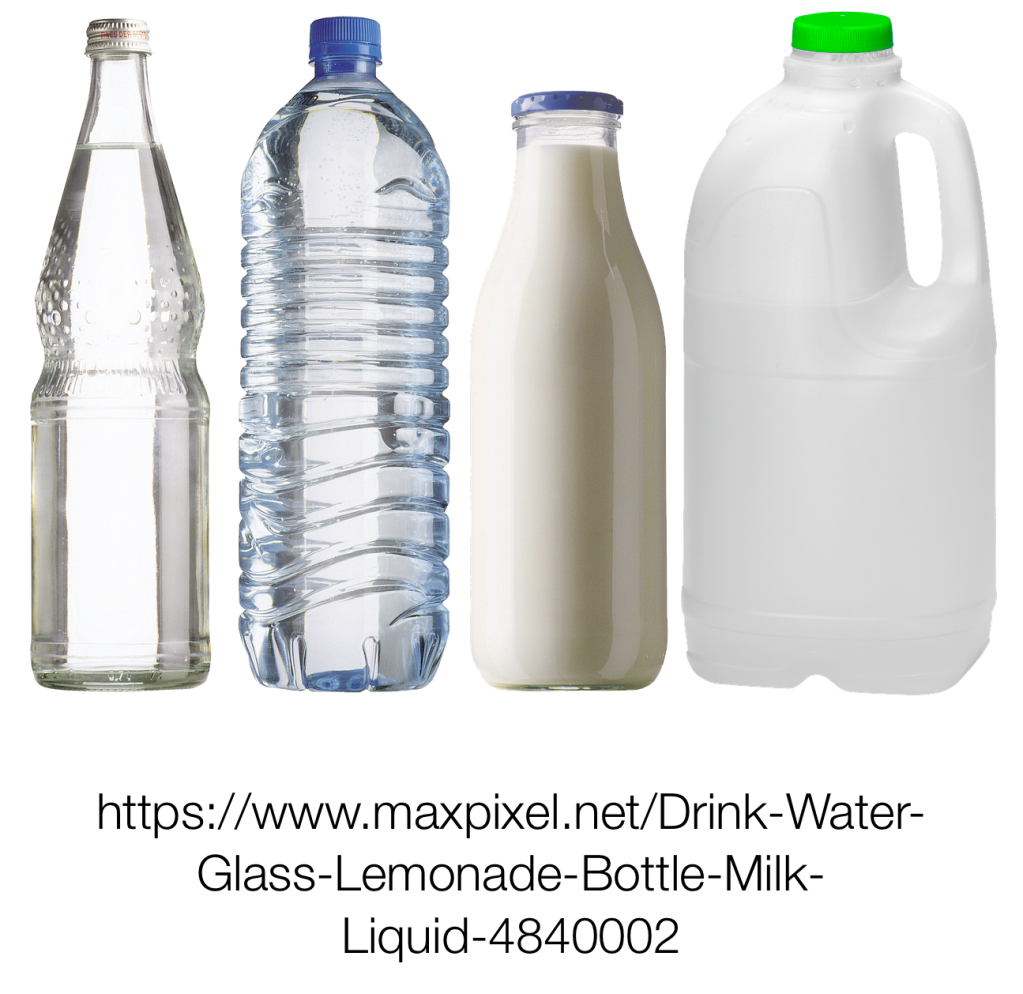
 Action 10:. Swop oat milk for dairy milk. Dairy milk produces a carbon footprint of 3kg/ litre compared with 0.9kg/litre for oat milk (BBC carbon footprint calculator). Oats grow well in a temperate climate such as ours in Britain. Oatso, Made By Land and and Pure Oaty are all UK produced oat milks. Some oat milks are fortified with vitamins and minerals to mimic those in dairy milk but you can obtain these from other sources too. Using oat milk in coffee, on cereal, in cooking and baking is an easy way to reduce your carbon footprint!

You might try the equally delicious oat yogurts, fromage frais and creams that are available.

Count Down

 Action 9: Write to your local supermarket and ask what are their  plans for reducing their carbon emissions. What targets do they have and how will they measure their progress?

Morrisons have been proactive on this front. In 2019/20, they reduced operational carbon emissions by 28% (2017 baseline) and plan further reductions of 33% by 2025, 53% by 2030 and net zero by 2040 (2017 baseline). 

Count Down


 Action 8: The climate crisis is affecting the whole world. Sometimes in the UK it can seem as if the effects of the crisis are minimal – although recent flash floods and heat waves are changing this -so why not  choose a country somewhere else in the world -eg in the Pacific or the Arctic – and find out how life there is being changed.

Count Down

 Action 7: Growing your own food. One way of reducing the carbon footprint of what we eat is to grow our own food. A daily salad of 50g of lettuce eaten over the course of a year will create 10kg of carbon dioxide if UK grown, or 20kg if imported from Europe. Salads like cress, rocket and mustard are easy to grow at home on a window sill or in the garden. For extra colour grow nasturtiums – both leave and flowers are edible as are the seeds which can be pickled like capers.

Far away and near at hand

The floods were far away

Now there near at hand. 

How long before I wet my feet 

and take a stand?


The heat was far away.

Now it’s close to home.

How long before I own the fact 

and finally begin to act?


Hurricanes were tropical.

Now they’re topical.

How long before I feel my guilt 

and understand the world we’ve built? 


Our climate is changing –

Far away and near at hand. 

Holy God, redeem our failings

and strengthen our resolve:

far away and near at hand.

Count Down

Action 5: 22% of the UK’s carbon  emissions come from domestic use (Energy Savings Trust, 2021). Change your energy supplier to one who specialises in producing and supplying green – ie renewable – energy and make a significant dent in your domestic carbon emissions. Leading  green energy suppliers include Ecotricity, Good Energy Group, Green Energy, Bulb and Octopus.

Photo by Pixabay on Pexels.com

Count Down

Action 4: Being self-informed, being curious about what is happening, where and why, helps us to have a better understanding of climate change. This week cut out any articles you find in the newspaper (cut and past if you read on line) about climate change and make a display with them. Looking at the overall picture may give you new insights. Why not share them?