Lent Reflection

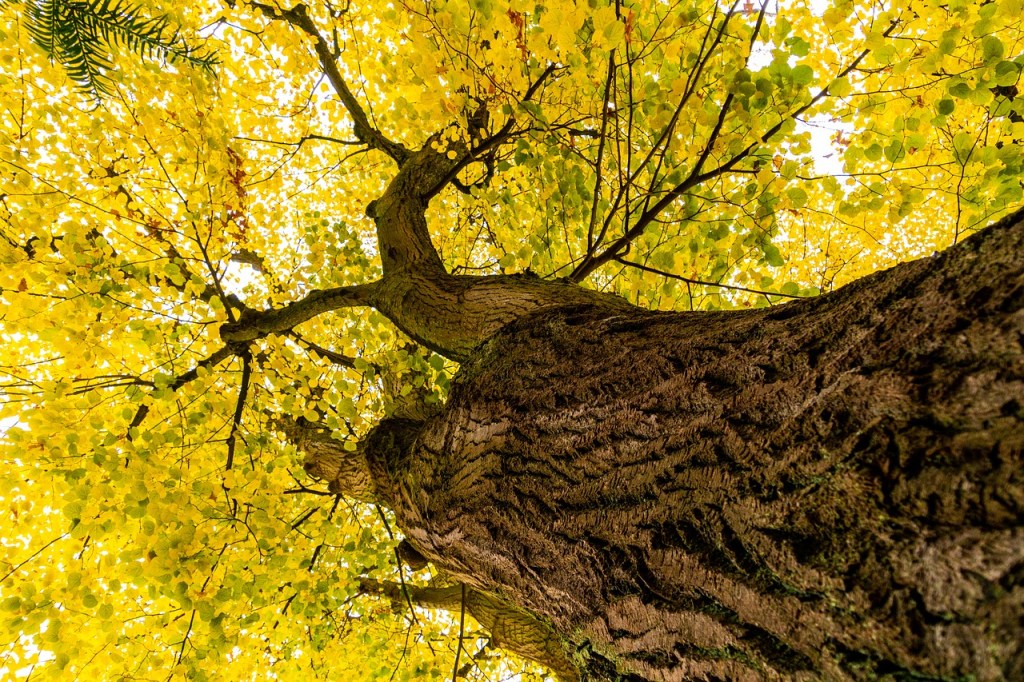
Linden Autumn Fall Color Bright Yellow Linde http://www.maxpixel

The lime or linden tree – tilia – europaea – is native to Britain. It grows to a height of 25m. Its blossom – providing nectar for bees and other insects – has a sweet smell that can be enjoyed in July. The finely trained white wood is very suitable for carving as it doesn’t warp, and it is also used to make sounding boards and keys for pianos. The bark can be used to make ropes and its flowers for tisanes.  

The lime tree’s heart shaped leaves gives rise to its association with virtues such as love, peace and truth. In some European countries lime trees were planted to celebrate the winning of liberty. 

For to be free is not merely to cast off one’s chains, but to live in a way that respects and enhances the freedom of others. Nelson Mandela 

For you were called to freedom, brothers and sisters; only do not use your freedom as an opportunity for self-indulgence, but through love become slaves to one another. Galatians 5:13

Lent Reflection

The Fruit Of The Hazel Hazel Hazelnut Summer http://www.maxpixel

The hazel tree – corylus avellana – can grow up to 12m in the wild and live for 80 years, but if coppiced in can live for several centuries. Coppiced hazel woods provide safe places for ground nesting birds, whilst they are also key environments for dormice who eat both the nuts in autumn and, in the spring, the caterpillars that feed on hazel leaves. The hazel’s yellow catkins are a sign of spring and an early source of food for bees.

Hazel wood is very flexible and ideal for making woven hurdles, baskets and spars for thatching. Its flexible branches are also used for water dowsing. Coppiced wood provides strong poles for fencing, walking sticks and furniture making. Hazel wood is also used to make gypsy clothes pegs. 

Hazels are also grown for their nuts, although most nuts used in the UK are imported.

The mystic Julian of Norwich saw in a vision something that looked as small and as insignificant as a hazelnut:- [The Lord] showed me a little thing, the size of a hazelnut, lying in the palm of my hand, and to my mind’s eye it was as round as any ball. I looked at it and thought, ‘What can this be?’ And the answer came to me, ‘It is all that is made.’ I wondered how it could last, for it was so small I thought it might suddenly disappear. And the answer in my mind was, ‘It lasts and will last because God loves it; and in the same way everything exists through the love of God.’

We love because God first loved us. 1 John 4:19

Lent Reflection

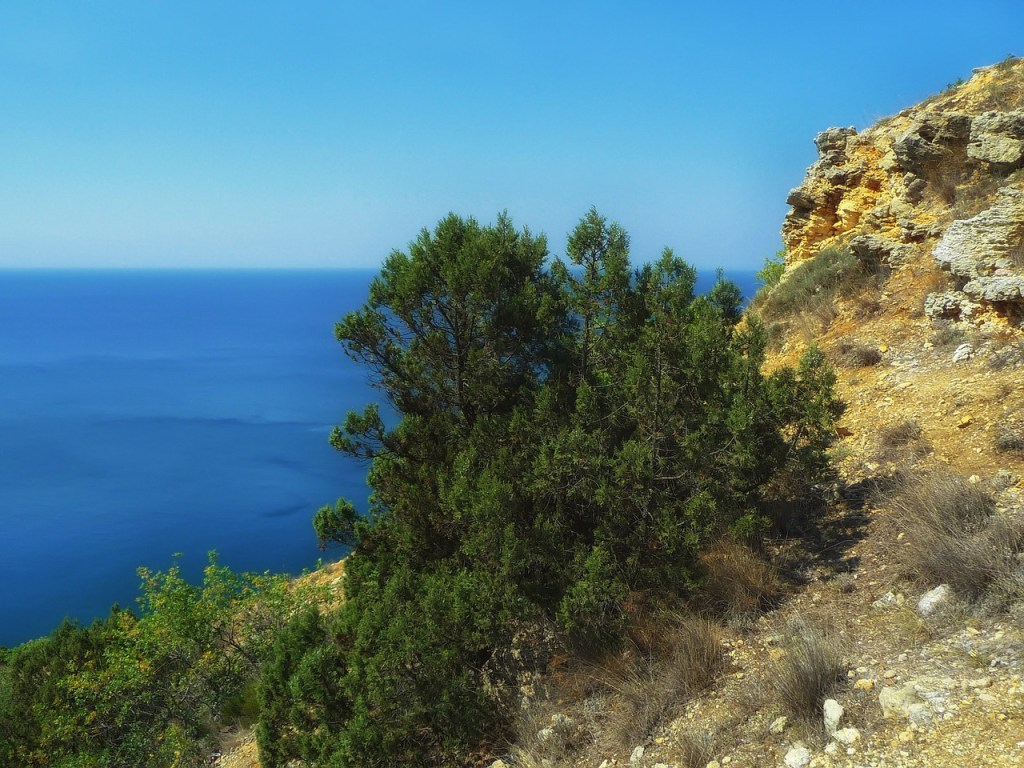
Ocean Tree Nature Cliff Outside Sea Greek Juniper http://www.maxpixel

Juniper – juniper us communis – is a shrub-like tree growing up to a height of 10m but with a life span of 200 years. Its berries provide food for birds, as well as for cooking – and for flavouring gin. Traditionally juniper was used to ward of evil spirits. In Renaissance art, juniper represented chastity. In the Book of Kings, Elijah, when fleeing from Queen Jezebel, finds a place of sleep under a juniper bush and is waited upon by an angel.

The Spirit of the Lord is upon me, because he has anointed me to proclaim good news to the poor. He has sent me to proclaim freedom for the prisoners and recovery of sight for the blind, to set the oppressed free… Luke 4:18

Rest is not idleness, and to lie sometimes on the grass under trees on a summer’s day, listening to the murmur of water, or watching the clouds float across the sky, is by no means a waste of time. J Lubbock 

Lent Reflection

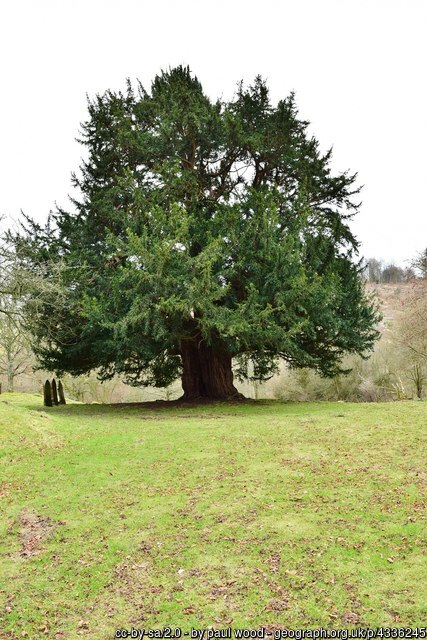
The yew tree – taxis baccata – is native to Britain. The yew is the most long-lived of all European trees and many are more than 1000 years old. Its evergreen leaves and seeds are highly poisonous- although not the red flesh surrounding the seed. The latter is popular with birds and squirrels. Its longevity and toxicity have made it symbolic of both immortality and doom. Its strong wood has favoured its use for making long bows. More recently yew leaves have been found to contain compounds that can be used to treat cancers. 

“The yew tree is the most important of all healing trees, it said. It lives for thousands of years. Its berries, its bark, its leaves, its sap, its pulp, its wood, they all thrum and burn and twist with life. It can cure almost any ailment man suffers from, mixed and treated by the right apothecary.” Patrick Ness, A Monster Calls

My flesh and my heart fail, but God is the strength of my heart and my portion for ever. Psalm 73:26

Lent Reflection

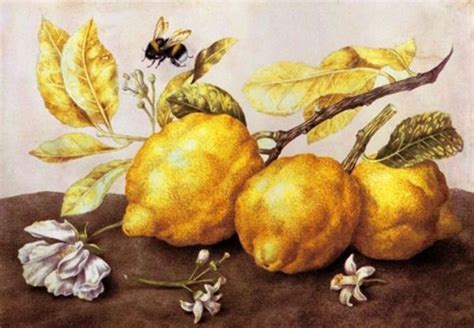
Still life with lemons and a bee, Giovanna Garzoni, 1600-1670

The lemon tree – citrus limon – is an evergreen native to Asia. Its fruit is widely used in cooking and has cleansing and healing properties. An ‘etrog’ or citron (the fruit of the wild lemon) is one of the four fruits used in the Jewish New Year celebration of Succoth – the fruit of one of ‘the goodly trees’ (Leviticus 23:40)

Roses and violets from summer gardens, sun-drenched Sicilian lemons squeezed of their juice and mingled with juniper from the frozen north. Saffron threads and gold leaf from the Indies waited to be turned into something magical. And contained deep within all this was a smile that flooded him with warmth … Laura MadeLevine, The Confectioner’s Take

A cheerful hearts is a good medicine, but a downcast spirit dries up the bones. Proverbs 17:22

Lent Reflection

https://www.pinterest.co.uk/pin/582160689307976534/

The mustard seed tree? One of Jesus’s famous parables concerns a mustard seed which he likens to the kingdom of heaven. A person plants a single mustard seed – the smallest of all seeds – which then grows into the largest of all trees. It is so large that within its branches all the birds of the air find a place to nest. In The Great Storm by Nick Butterworth, Percy the Park Keeper finds places in a single oak tree for all the animals whose homes were lost in the storm. His final action is to plant an acorn to become the oak tree for the future. 

The tree grew great and strong, its top reached to heaven, and it was visible to the ends of the whole earth.Its foliage was beautiful, its fruit abundant, and it provided food for all. The animals of the field found shade under it, the birds of the air nested in its branches, and from it all living beings were fed. Daniel 4: 10-12

Someone is sitting in the shade today because someone planted a tree a long time ago. Warren Buffett

Lent Reflection

Flowers Wesel Wild Cherry Plant Auesee Spring http://www.maxpixel

The wild or bird cherry – prunus avium – is a British native. Its name refers to the roles birds play in its propagation: birds that eat the fruit whole often deposit its stone (seed) further afield. The tree grows to a height of 30m and can live for about 60 years. Its wood is strong, hard and honey coloured. Traditionally the wood was sued for casks and vine poles.

Cherry blossoms is highly valued in Japan where its brief flowering is a reminder of joy and the transience of life. Yet as the flower holds that which becomes the cherry, it is also a reminder of new life to come.

So of anyone is in Christ, there is a new creation: everything old has passed away; see, everything has become new! 2 Corinthians 5:17

In the cherry blossom’s shade there’s no such thing as a stranger. Kobayashi Issa

Lent Reflection

The English, or field, elm tree – ulmus minor Atinia – grows to a height of 30m and can live for more than 100 years. Its wood is strong with a tight grain making it water resistant. It was widely used in the last for water pipes, as well as for wheel hubs, furniture, floorboards and coffins. Cities such as Bristol and Reading has mains water delivered through elm pipe work.

World wide 1 in 9 people do not have clean water: Water Aid

Then he said to me, ‘It is done! I am the Alpha and the Omega, the beginning and the end. To the thirsty I will give water as a gift from the spring of the water of life.’ Boom of Revelation 21:6

Lent Reflection

Green May Green Leaves Spring Tree Forest Wood http://www.maxpixel

The beech – fagus sylvatica (Fagus being the Celtic god of beech trees) – will grow to a height of 40m and live for several centuries; even longer if coppiced. The dense leaf canopy produced by the beech tree provides a habitat beneath for various rare plants such as the red helleborine. As beech trees come into leaf late in the spring, beech woods are an ideal habitat for English bluebells. Beech tree also play host to a truffle fungus: the fungus provides the tree with nutrients and in return benefits from the sweet sap of the tree. Beechmast – beech nuts – can be by eaten humans although being high in tannins have a bitter taste. This does not prevent other creatures from eating the mast, and is said to be popular with pigs.

Beech wood is widely used for furniture, kitchen utensils, and tool handles. Beech bark was used for writing on – poor man’s vellum – and this may give rise to its association with knowledge and writing. 

The earth is filled with you love, Lord; teach me your decrees  … Teach me knowledge and good judgement, for I trust your commands. Psalm 119: 64, 66

If knowledge is not put into practice, it does not benefit one. Muhammad Tahiti-ul-Qadri 

Lent Reflection

Graze Trees Landscape Mood Nature Fence Sky http://www.maxpixel

The poplar tree – populous nigra  – grows to a height of 30m and lives for about 200 years. It has distinctive triangular pointed leaves which provide food for many moth caterpillars, whilst its early spring catkins provide food for bees and other insects. Its white soft finely grained, shock resistant wood is traditionally used for matches, floor boards, carts and clogs, as well as nowadays for wine boxes, pallets and artificial limbs. 

The poplar tree has strong roots which gives its symbolic association with resilience, rootedness and security. 

‘I hereby command you: Be strong and courageous; do not be frightened or dismayed, for the Lord your God is with you wherever you go.’ Joshua 1:9

“I’m planting a tree to teach me to gather strength to me deepest roots.” Andrea Koehler Jones, The Wish Trees