Lent Reflection

9th April 2022

In the UK the broom is considered a shrub rather than a tree and in its cultivated forms has decorative yellow and red blooms. Native to North Africa and the Middle East is another member of the broom family known as the retama broom. The retama raetam or white weeping broom, grows to a height of 3m and up to 6m in spread. As well as being able to photosynthesise through its leaves, it can also photosynthesise through its stem which enables it to grow in hot, dry conditions. Its fruits (pea-like) and flowers provide food for goats, and its branches have been used as fuel since ancient times. Its deep roots help stabilise sandy soils.

In the Jewish tradition, the tree under which Hagar leaves Ishmael to die, for they had run out of water, is said to be the broom tree. It is also the broom tree (although alternatively it is said to have been a juniper tree!)  under which the despairing Elijah also lies down having fled from Jezebel’s murderous rage. Both Hagar and Elijah then receive refreshment from God. The broom tree is thus said to symbolise renewal.

Create in me a clean heart, O God, And renew a steadfast spirit within me. Psalm 51:10

Source: https://bible.knowing-jesus.com/topics/Renewal

“What is the scent of water?” “Renewal. The goodness of God coming down like dew.” Elizabeth Goudge, The Scent of Water

Lent Reflection

8th April 2022

Young Tree Date Palm Plantation Phoenix Dactylifera http://www.maxpixel

The date palm – phoenix dactylifera – has been cultivated since ancient times, possibly originated in what is now Iraq. They were and are grown for their fruit which are eaten fresh and dried or made into syrup, wine or vinegar. The date palm needs about 8 years before fruiting but once mature can produce 70kg of fruit or more. Date palms can live for up to 150 years.

The date palm has been used as a symbol of prosperity and triumph. Palm leaves were carried in the triumphal victory processions in Rome, by followers of Jesus when he entered Jerusalem, and are in art works are symbolically carried by martyrs.

For the Lord takes pleasure in his people, he adorns the humble with victory. Psalm 149:4

It is the nature of the strong heart, that like the palm tree it strives ever upwards when it is most burdened. Philip Sidney

Prayers for the ecosystems of North America

Friday 8th April 2022

Happy are those  who do not follow the advice of the wicked. They are like trees planted by streams of water, which yield their fruit in its season,  their leaves do not wither. In all that they do, they prosper. Ps 1:1a,3

You Lord, are the source of all good things: 

We praise you.

You call us to tend and care for your creation: 

May we strive to do your will.

You have made us as brothers and sisters with all that lives: 

May we live together in peace.

A Reading Proverbs 22:16-18

Oppressing the poor in order to enrich oneself, and giving to the rich, will lead only to loss. The words of the wise: Incline your ear and hear my words, and apply your mind to my teaching; for it will be pleasant if you keep them within you  if all of them are ready on your lips.

Each Friday during Lent we will focus on a different continent; this week North America

North America extends from the tiny Aleutian Islands in the northwest to the Isthmus of Panama in the south. The continent includes the enormous island of Greenland in the northeast and the small island countries and territories that dot the Caribbean Sea and western North Atlantic Ocean. In the far north, the continent stretches halfway around the world, from Greenland to the Aleutians. But at Panama’s narrowest part, the continent is just 50 km across. North America can be divided into five physical regions: the mountainous west, the Great Plains, the Canadian Shield, the varied eastern region, and the Caribbean. Mexico and Central America’s western coast are connected to the mountainous west, while its lowlands and coastal plains extend into the eastern region. Within these regions are all the major types of biomes in the world. https://www.nationalgeographic.org/encyclopedia/north-america-physical-geography/

Glory to God 

Creator of successions of mountains ranges:

We praise you for the awe and wonder of these regions, 

their reminder that we are but humans.

We marvel at the power of water to carve out canyons 

and the power of water to generate energy.

Glory to God

Creator of forests and plains:

We praise you for the richness of their biodiversity, for tall prairie grasses and even taller trees; 

for the smallest grasshoppers to the mighty bison, 

for the whistling marmots and black bears that huff and grunt.

Glory to God

Creator of rivers, lakes and wetlands:

We praise you for the Great Lakes and the fresh water they contain, 

for the Mississippi River and the fertile soil it nurtures, 

and for the wetlands of the Everglades, the 360 plus species of bird  

and the plump grandeur of the manatees.

Glory to God, 

Creator of tundra and ice: 

We praise you for the ingenuity of life that adapts to the extremes of climate and geography.

We marvel at the diversity of life – lichens and moss, polar bears and caribou, 

and the many migrating birds such as the Arctic tern.

Merciful God,

Creator of human kind, 

Forgive our greed that has mined land and sea for fossil fuels, jeopardising our future.

Forgive our greed that industrialises farming, destroying soils and draining lakes. 

Forgive our greed that turns animals into commodities and disregards their sentient nature. 

Forgive our greed for consumer goods that strips the earth’s reserves.

Merciful God,

Creator of our brothers and sisters:

Forgive the casualness with which we let the rich grow richer 

and the poor poorer.

Forgive the casualness with which we let the rich break the laws 

and yet still penalise the poor.

Forgive the carelessness with which we discard what we buy 

ignoring the meagre pay of those who labour. 

Guiding God,

Source  of all wisdom, 

Transform our hearts and minds, turn the direction of our hands and feet 

so that with alacrity and commitment we will reform our lives 

and live only in harmony with your creation. 

Amen.

The Grace

 Counting on … day 145

8th April 2022

Tomorrow Extinction Rebellion will be standing up for action to halt the climate crisis. Be brave and show your support, if not with for XR, then with other climate action groups or even just as one individual showing solidarity with all the other individuals who are equally passionate about saving our world.

 Counting on …day 144

7th April 2022

Hope is a great gift. It gives us the confidence to smile and keep going, even

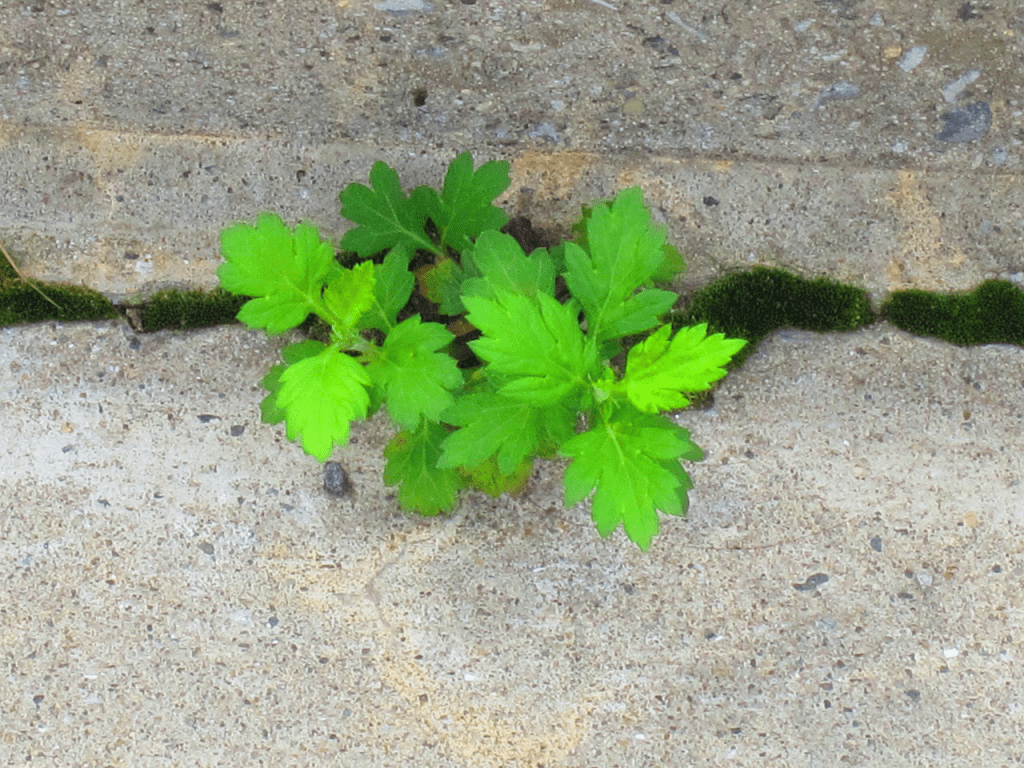
when the odds seem stacked against us. Hope is often to be found in small things. A weed, against the odds, pushing up between the paving stones.  Spotting a first ladybird. Taking time to enjoy the aroma of a fresh cup of coffee. 

Lent Reflection

7th April 2022

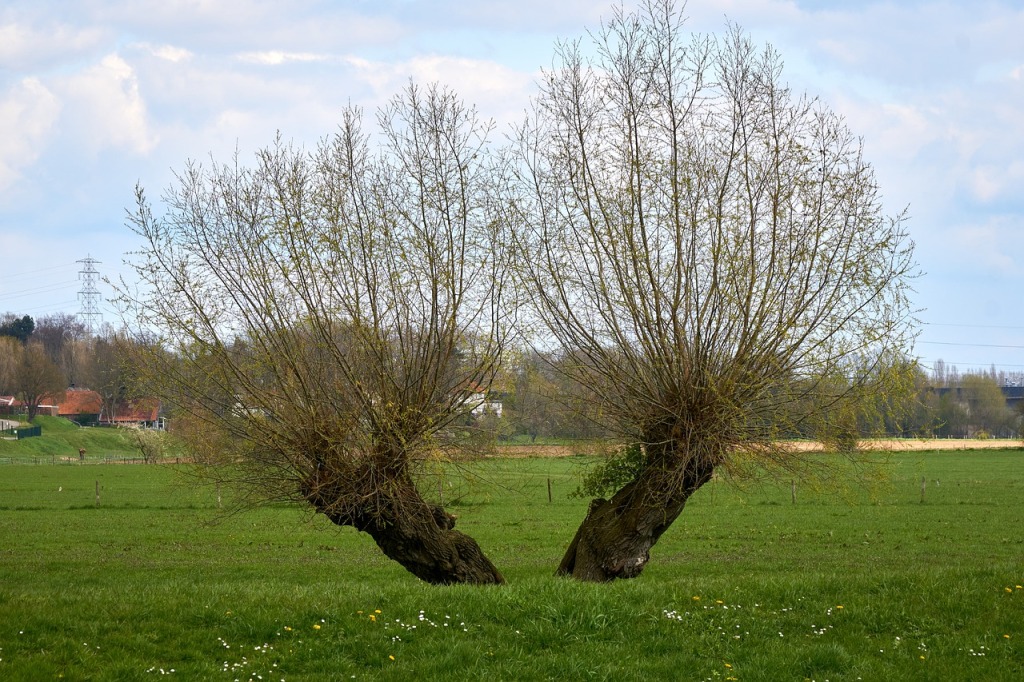
Wilderness Trees Willow Outdoors Nature http://www.maxpixel

The willow – salix – is commonly found growing near water. The flexible branches, particularly of the osier willow, are used for weaving all manner of baskets from cribs to coffins. Willow can be woven into living sculptures, tunnels and play houses. It is used in encasements to protect river banks. Its flexibility is also out to use in the making of cricket bats. 

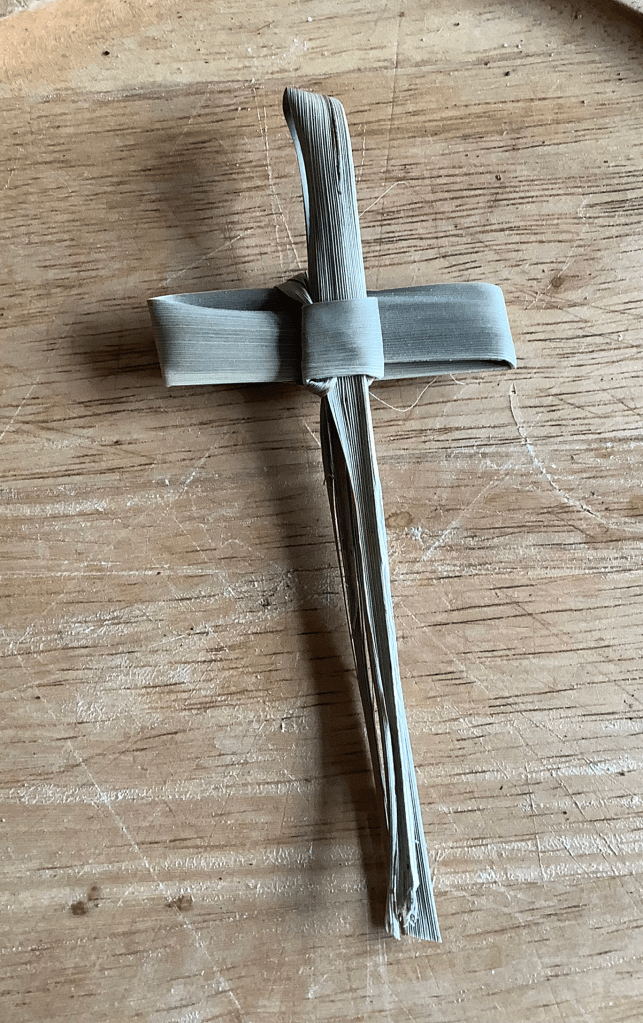
The goat and green willows both have silky grey flowers that look like a cat’s paw and are commonly known as pussy willow. Across Europe willow branches are often carried in lieu of palms on Palm Sunday. Being one of the first to produce blooms in early spring, pussy willow is seen as a symbol of new life. 

Willows are associated with both grief and joy.

By the rivers of Babylon, there we sat down and wept, when we remembered Zion. Upon the willows in the midst of it we hung our harps. Psalm 137:1-2

Remember to weave a bit of joy into your life each day. Joni T Ross

The Green Tau: issue 41 

6th April 2022

On Monday the IPCC produced the third and final part its reports assessing where we are as world vis a vis the climate crisis. The news is not good. “It’s now or never, if we want to limit global warming to 1.5C,” said Prof Jim Skea, a co-chair of the report. “Without immediate and deep emissions reductions across all sectors, it will be impossible.” 

Clearly what is needed is system change. As previously discussed (https://greentau.org/2022/04/05/the-green-tau-issue-40/) governments are seldom willing – outside of emergencies such as war – to make system changes unless they feel that is the direction in which the voters have already moved. System change needs social change – and that means a change of heart at the level of the individual, ie the average person on the street. Is the average person on the street ready to accept the changes in lifestyle that ‘immediate and deep emissions reductions across all sectors’ will entail? And if not how can we bring about a change of heart?

Issue 40 looked at civil action  which, whilst making demands of government, seeks also to stimulate a pro-active response from the public. The action of groups such as XR and Just Stop Oil may raise awareness of the immediacy and scale of the crisis. Their action may embolden others to join in – reassuring them that they are not lone voices crying out in the wilderness. Certainly previous XR protests have seen support for the movement grow. But is it enough? Has it brought about the  widespread change of heart needed? Are there other ways?

  • ‘Be the change you wish to see in the world’ – to paraphrase Gandhi. If we live our lives as would be necessary to achieve net zero, making the cuts and changes that makes our life sustainable, then we are a living example of how a life could look – and others may follow. 
  • Walk the talk – a phrase used by John Gummer, the chair of the UK’s  Climate Change Committee, reflecting in the aftermath of COP26. We can only be credible in asking others to respond actively to the crisis, if we are already doing so. 
  • Climate anxiety, which notably is growing amongst children and young people, can only be genuinely assuaged by us if we are walking the talk. If we are not, then we are effectively deriding their concerns.
  • Bucking the trend – be proud, be confident that you are doing the right thing and more people will be interested in what you are doing. Don’t hide your light under a bushel but be upfront about the changes you are making to your lifestyle and why.
  • Have a dream – think, imagine, envisage what the ideal world world look if those ‘deep emissions reductions across all sectors’ had taken place. What would be the highlights, the sources of pleasure, the things of beauty?
  • Take strength from knowing that, even if not else is, at least you are doing the right thing. Living a counter-cultural life does need strength and confidence. For many it is where their Christian faith brings its own courage. 
  • If no one changed, change would never happen. There has to be the first one to take the first step, to set out on a new path – if it’s you, congratulations, you’re a star! You are the beacon for others to follow.
  • Strength in numbers – find others who are changing their lifestyle, maybe informally or through an existing climate/ creation care organisation. Support and encourage one another, gain strength from being part of a group, part of a community, part of a movement. 

Who can we make what we are doing attractive to others? How can we engage others in the conversation? How can we enthuse and encourage others? 

Talking about it – with friends and family, with neighbours and colleagues, with shop staff and sales people, with teachers and parents at the school gate,  with people in church, at the gym, in clubs and pubs – any time we might engage in conversation. Be a story teller. Write about it, share it on social media. Post photos. Wear it as a badge on your sleeve, lapel, bag, hat.

Flaunt it! 

Frequently we will find our efforts stymied by the system. When we are, we need to needle those who can effect change. Ask for the change needed when shopping. Contact the managers, the suppliers, the producers. Even if they can’t effect change immediately, the constant reminder that change is needed will spur them on. And when change does happen, acknowledge it gratefully and make sure others also know. Write to your MP and your local councillors. The more an issue is raised, the greater will be the incentive for them to take note and push for the system change we need.

Is it enough? I know I often feel that what I do is ineffectual, that it is energy expended for no positive outcome. Should I give up and just look after the plants and creatures that live in our garden while I can, and simply wait for the disaster that is coming?

Counting on … day 143 

6th April 2022

Yesterday the IPCC produced the third and final part its reports assessing where we are as world vis a vis the climate crisis. The news is not good. “It’s now or never, if we want to limit global warming to 1.5C,” said Prof Jim Skea, a co-chair of the report. “Without immediate and deep emissions reductions across all sectors, it will be impossible.”

Write to your MP and to your local Council – how are they going to respond? What immediate and deep emissions reductions will they make possible? Ask the same question of businesses. And we must ask the same question of ourselves.