Tree ferns in a courtyard at the Royal Academy, London
With a bright sun overhead, the fronds of the tree fern appear as black silhouettes of intricate detail.
The world around us is full of curious, beautiful and amazing things. As small children our curiosity and our amazement knew no bounds. Every day would produce novelties- things to see, things to chew or eat, things to grab and hold, things to poke and explore.
As we have grow older we have often lost that sense of wonder. Things that were new have become mundane. In the rush to be busy, small things flop below the radar. Decorum dictates that we shouldn’t prod or lick things and, unless we’re wine tasters, swirling stuff around our mouth and spitting are frowned upon. Stopping suddenly just to look is discouraged – it interrupts the flow of traffic. Daily routines take over.
And our love for the world wains and falters.
The season of creation-tide runs from 1st September till 4th October, the Feast of St Francis. Let’s fall in love again with creation.
Action 61: Recycle blister packs used for packaging tablets and pills. Superdrug have recycling collection points in all their stores. And not does that just recycle material that would otherwise go to waste, it also earns money which supports the Marie Curie charity.
Nature provides its own patchwork. How many flowers can you identify here?
The world around us is full of curious, beautiful and amazing things. As small children our curiosity and our amazement knew no bounds. Every day would produce novelties- things to see, things to chew or eat, things to grab and hold, things to poke and explore.
As we have grow older we have often lost that sense of wonder. Things that were new have become mundane. In the rush to be busy, small things flop below the radar. Decorum dictates that we shouldn’t prod or lick things and, unless we’re wine tasters, swirling stuff around our mouth and spitting are frowned upon. Stopping suddenly just to look is discouraged – it interrupts the flow of traffic. Daily routines take over.
And our love for the world wains and falters.
The season of creation-tide runs from 1st September till 4th October, the Feast of St Francis. Let’s fall in love again with creation.
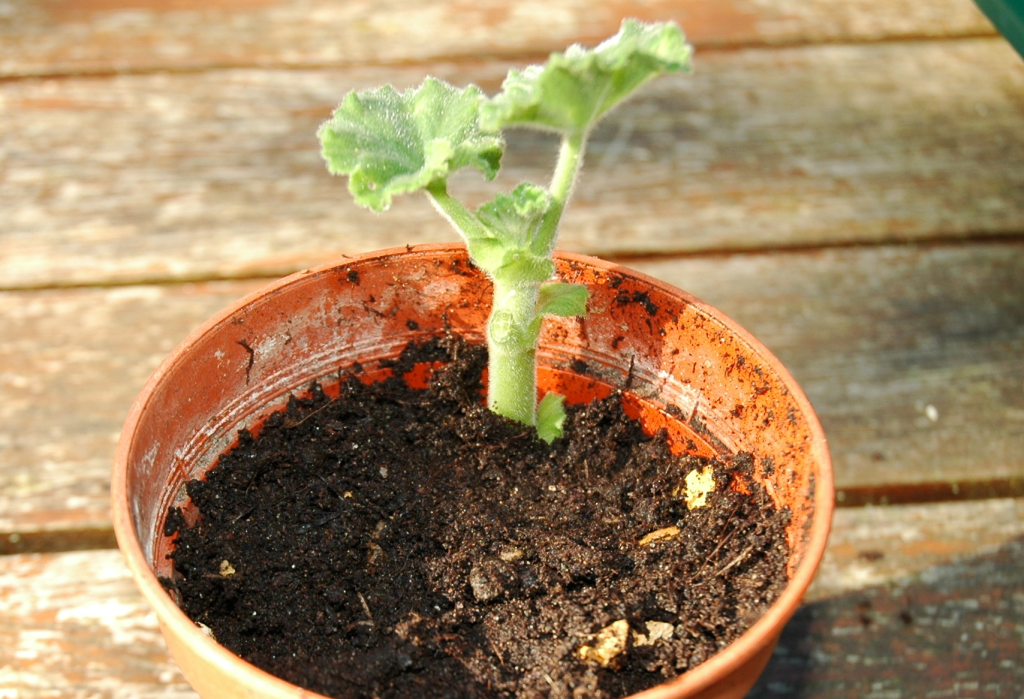
Action 60: Make geranium cuttings. By cutting of a healthy branch from a geranium plant, and potting it up, you can grow a whole new plant. These can be overwintered indoors ready for the spring.
‘A dog is for life, not just Christmas.’ A message created 40 years ago by the Dogs Trust and still valid today. The Trust encourages people to think carefully before buying a puppy, to thoroughly research the implications of being a dog owner, understanding the needs and demands a dog will make and assessing whether these are compatible with the family’s own lifestyle. And remembering that ability to,love and care for the dog needs to be there for the whole of its life span.
Each year scientists calculate how much resources are being used globally and the rate at which those resources are being renewed. Are we using more resources than the planet can sustain or less? In 1987 the first recorded Earth Overshoot Day was 23rd October. This year (2021) it was 29th July. We are consuming way more resources than the earth can sustain. In such a world we need to give the same consideration when we buy and use things, as we do when we buy a new pet.
Only buy what you need and want. Don’t feel forced into buying something you won’t feel happy with.
Consider the life of the thing: will you use it to its full life span? If not, can you see an obvious way in which you could pass it on so that it can continue to be used? Books can readily be passed on to another reader, children’s clothes to another family.
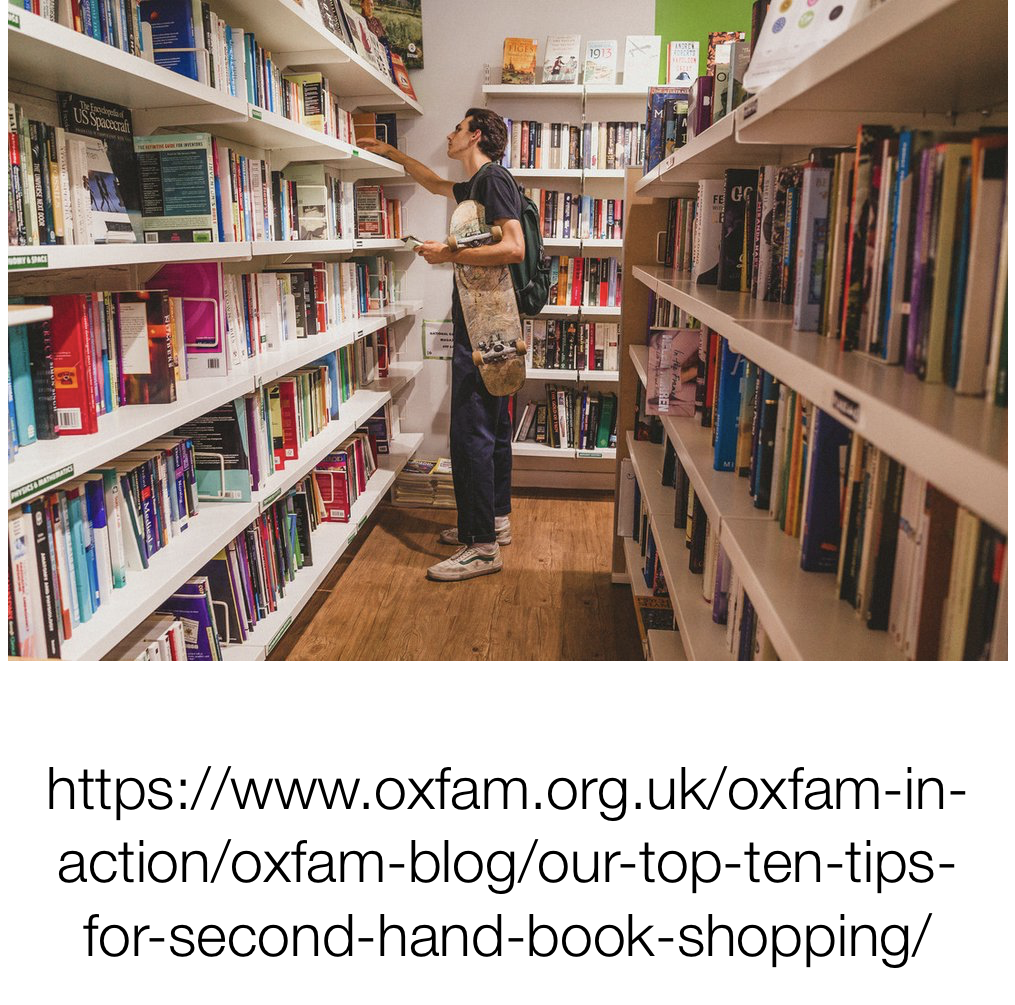
Be willing to buy second hand/ pre-loved items.
Be willing to rent, borrow or share things.
Research before you buy. Is the item ethically produced? Is it durable? Is it easy to repair? What is its carbon footprint? Can it be recycled when its life ends?
A well designed item may cost more: can you be a patron of good design and workmanship?
An item made with long lasting materials may cost more, but balanced out over its life time, it may be more economic too.
Extend the life of what you buy by ensuring you use it properly and keep it well maintained. Eg keep shoes clean and well polished. Regularly clean and service cycles. Don’t over wash woollen goods.
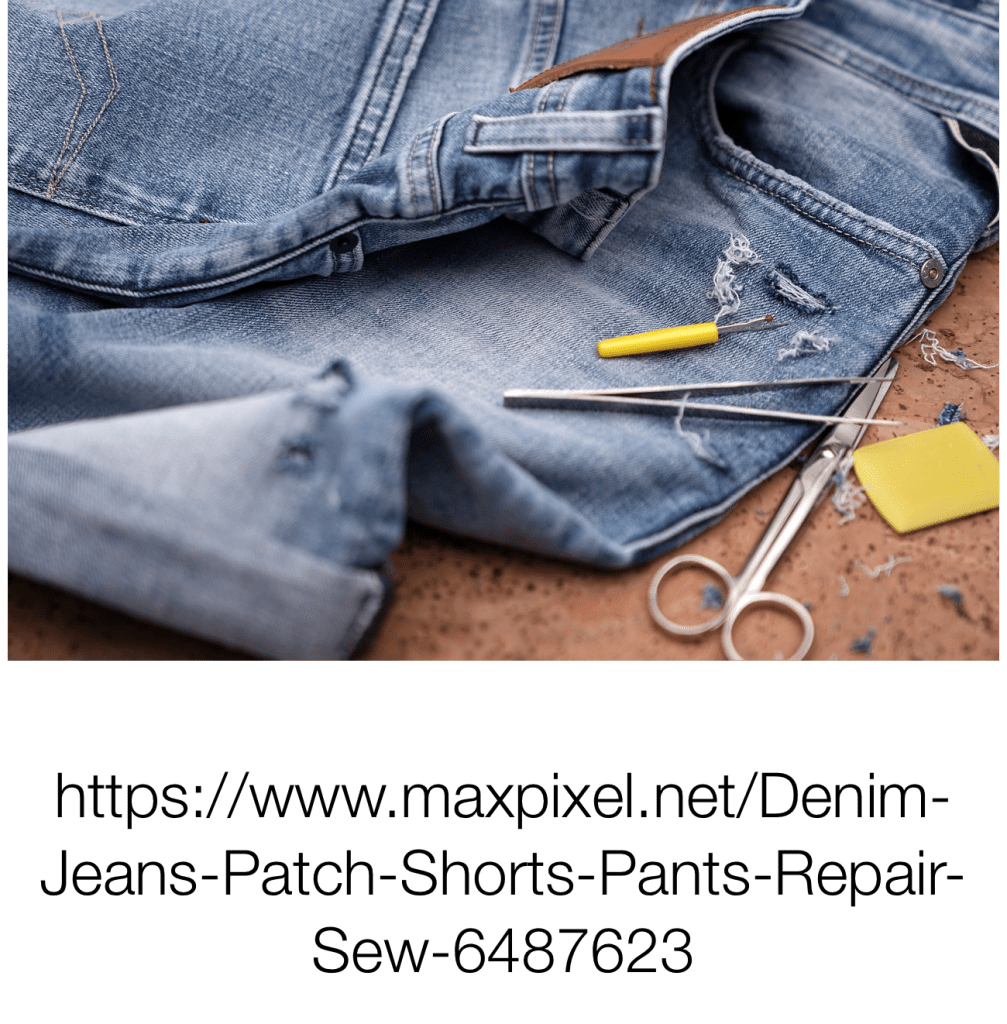
Repair things that break. Some things you will be able to repair yourself. Others may need to help of an expert. There is growing trend for repair cafes where even fiddly electronic items can be mended.
Think about the end life of what you are buying. Can you recycle it once its life has come to an end? If not is there something else that is recyclable that you could buy instead?
Is what you are buying made for a sustainable or recycled material?
Single purpose items may be ideal, but might you get more value from something that serves a multiple of purposes?
Can we repurpose things when their initial use has come to an end?
Do all gifts need to be things? Could you gift experiences or services instead? Do we always need to give things to show our love or thanks?
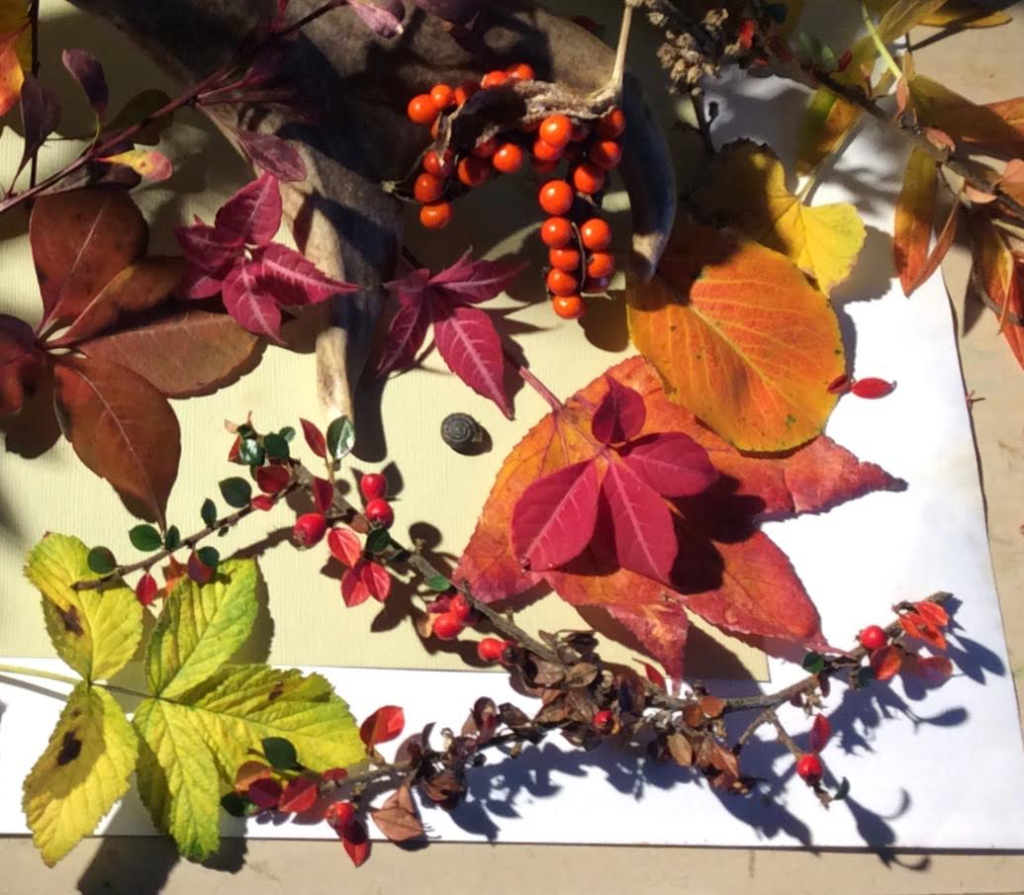
Autumn is as colourful as spring: lime, auburn, puce, burgundy, russet, amber, carmine, copper, gold, ochre, chestnut, saffron, coral.
The world around us is full of curious, beautiful and amazing things. As small children our curiosity and our amazement knew no bounds. Every day would produce novelties- things to see, things to chew or eat, things to grab and hold, things to poke and explore.
As we have grow older we have often lost that sense of wonder. Things that were new have become mundane. In the rush to be busy, small things flop below the radar. Decorum dictates that we shouldn’t prod or lick things and, unless we’re wine tasters, swirling stuff around our mouth and spitting are frowned upon. Stopping suddenly just to look is discouraged – it interrupts the flow of traffic. Daily routines take over.
And our love for the world wains and falters.
The season of creation-tide runs from 1st September till 4th October, the Feast of St Francis. Let’s fall in love again with creation.
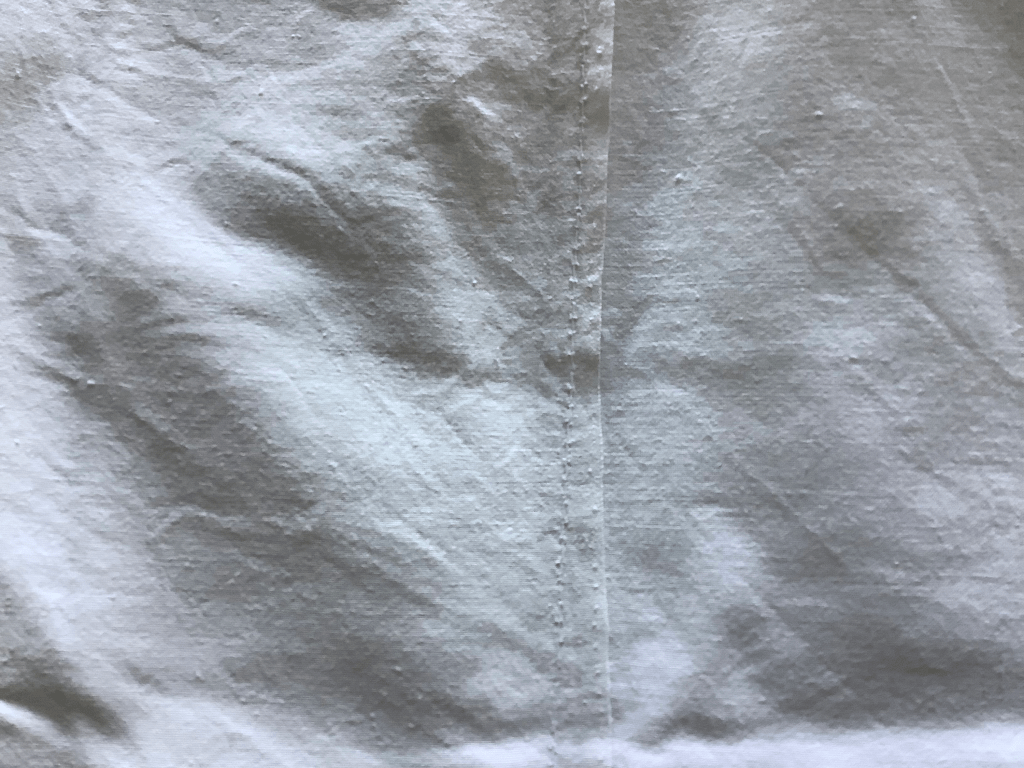
Action 59: Turn sheets edge to centre. When sheets become worn and thin in the middle, cut them in half length ways. Hem the raw edges and then stitch together the two outer edges. The outer edges of the sheet will have plenty of life left in them.
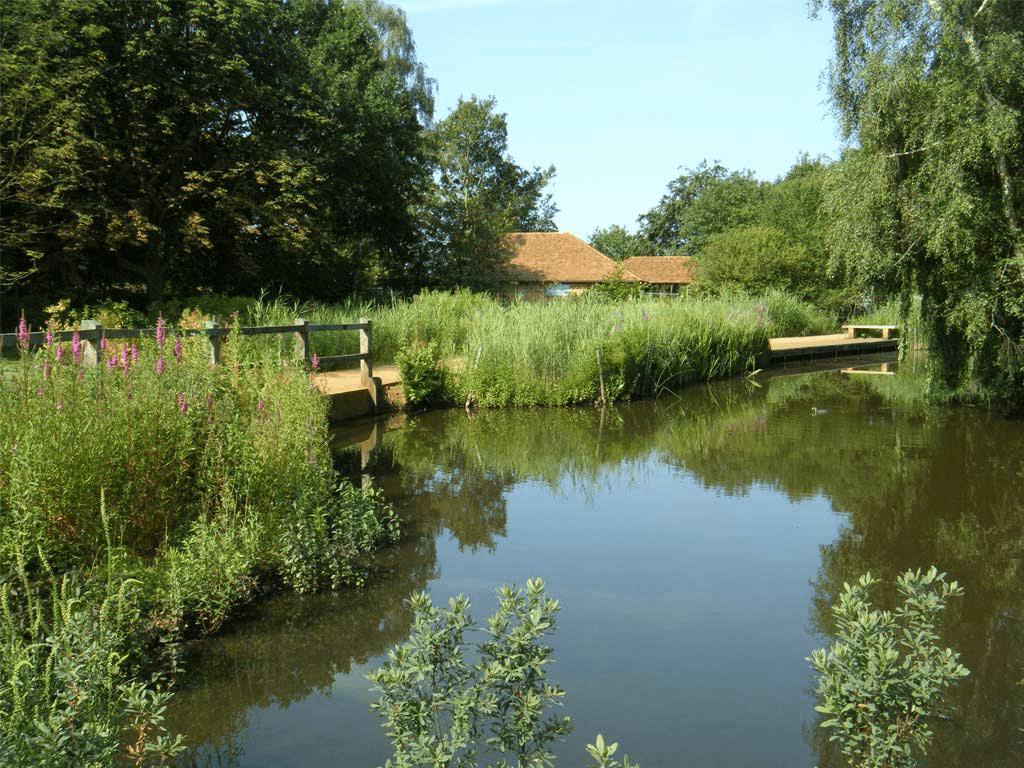
Still waters run deep. Ponds, deep and not so deep, are niche habitats for a whole variety of plants, insects, amphibians, and fish. But looking into the water it is the world above that we see again in a near perfect reflection. It is as if the pond chooses to hide its inner life.
The world around us is full of curious, beautiful and amazing things. As small children our curiosity and our amazement knew no bounds. Every day would produce novelties- things to see, things to chew or eat, things to grab and hold, things to poke and explore.
As we have grow older we have often lost that sense of wonder. Things that were new have become mundane. In the rush to be busy, small things flop below the radar. Decorum dictates that we shouldn’t prod or lick things and, unless we’re wine tasters, swirling stuff around our mouth and spitting are frowned upon. Stopping suddenly just to look is discouraged – it interrupts the flow of traffic. Daily routines take over.
And our love for the world wains and falters.
The season of creation-tide runs from 1st September till 4th October, the Feast of St Francis. Let’s fall in love again with creation.
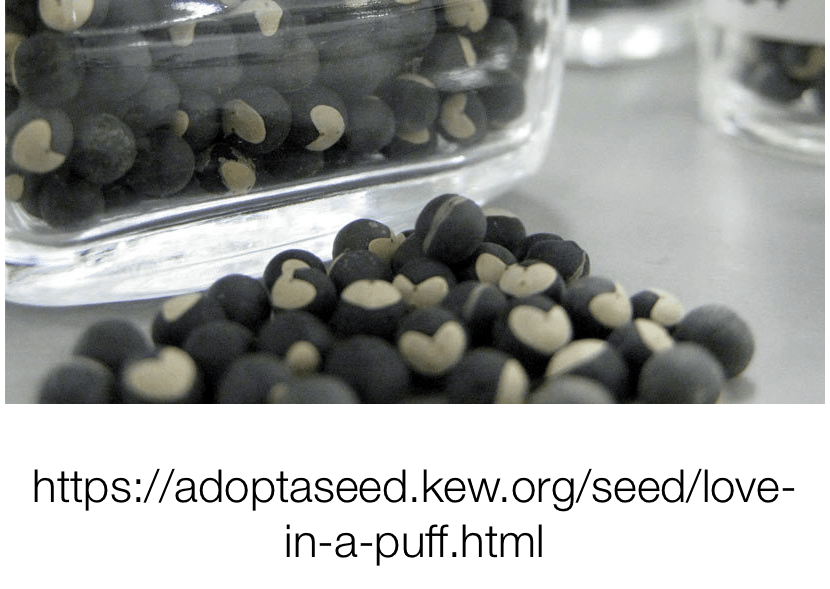
Action 58: Sponsor a seed bank. Climate change and the destruction of natural habitats is threatening many plant species with extinction. Seed banks, such as the one at Kew, collect and safeguard seeds from as many plants as possible to ensure that they are not lost forever.
Third Sunday of creationtide: Deuteronomy 8. 7-18, Matthew 6.25–33
Reflection
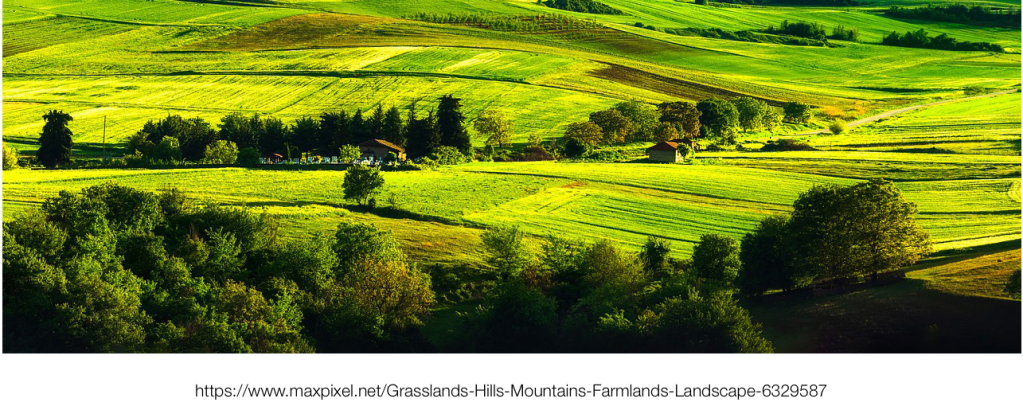
The writer of Deuteronomy describes a landscape that is rich, verdant and bountiful. A land so well stocked with natural resources that the people will not have to worry about living fulfilled, sustainable lives. Surely nothing could threaten such a well endowed life style?
Yet the writer gives them three warnings.
Don’t forget God by failing to keep God’s commandments. It is only by sticking to those commands, those ways of living, that the people will be able to maintain their relationship with God.
Don’t forget that when you lived in a place of scarcity- ie the wilderness – it was only through God’s intervention that you had enough to eat and drink.
Don’t credit yourselves with your success. It is not because of your efforts that you now love lives of riches and comfort. It comes from God’s doing.
We, like the Israelites, have been blessed with a beautiful world with vast resources sufficient to meet our needs. Certainly I am sure that has been God’s intention in creating this world with its wonderful interconnected ecosystems. But somewhere, somehow we have strayed from the path, from the right way of doing things. We have failed to keep God’s commandments.
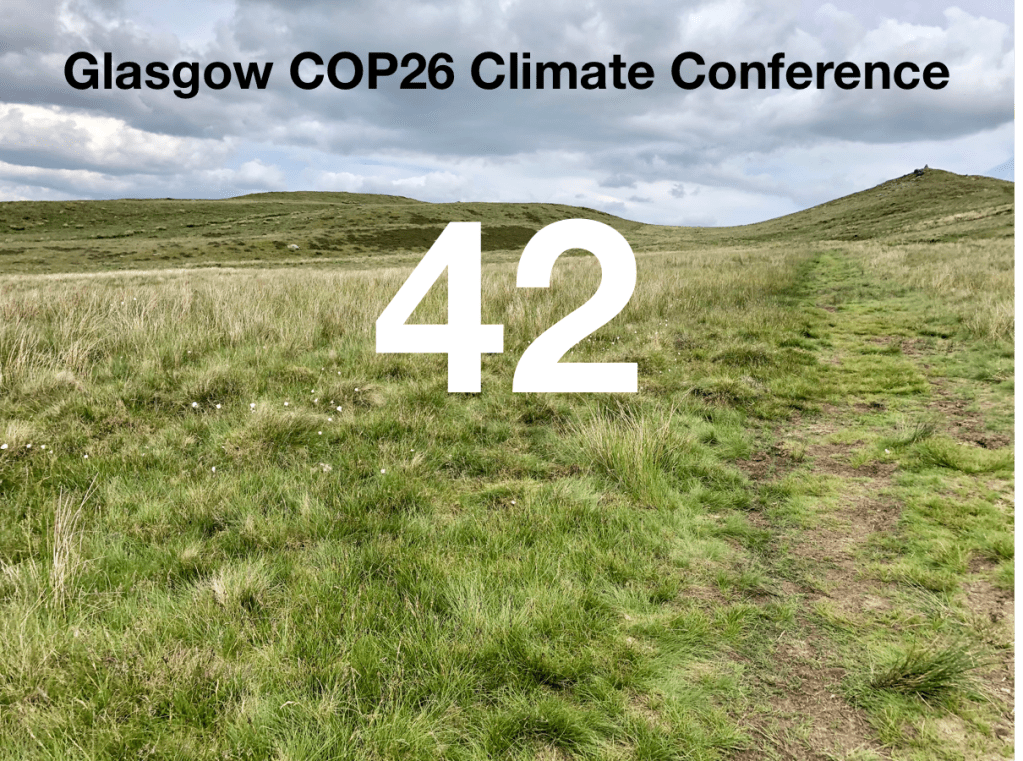
Every year since 1987 scientists have calculated how much of the world’s resources we are consuming and the amount by which the earth can renew those resources, and setting one against the other they have determined the date each year at which we are consuming more than the earth can replenish. If the earth was bank account, this would be the day at which we would go into the red. In 1987 Earth Overshoot Day was 23rd October. Since then Earth Overshoot Day has occurred earlier and earlier. This year it was 29th July!
It is hard to comprehend that in little more than half a year we have consumed a full year’s worth of the resources that the earth can generate. It is patently not sustainable. Can it be reversed if we limited our consumption? The answer is certainly yes if we have the will, or if we are forced by circumstances. In 2020, the year of the pandemic, the date did recede – by a good three weeks to 22nd August.
The passage from Matthew’s gospel asks us if life is more than food and clothes? I wonder what life means for you?
I wonder what life means for a family dependent on food aid in Afghanistan? I wonder what life means for a family in the UK who is relying on the £20 top up to Universal Credit?I wonder what it means for the person forced to use a food bank?
The United Nations tells us that the world produces more than enough food to feed the its population, but poverty and other barriers to access leave many people unable to afford or obtain food. Problems with markets forces and distribution networks means that food rots in the field or is otherwise wasted, without reaching the consumer. There are real problems about poverty and equality and over consumption that arise from our current unsustainable lifestyles, political policies and business practices. Sadly even the birds are loosing out. Habitat loss and climate change are both conspiring to limit food and places to nest for many bird species.
Four times in today’s gospel Jesus says, Do not worry! Worrying does not help. It will neither add an hour to your life nor a inch to your height (translations vary). Instead says Jesus, Strive for the kingdom of God. If we live according to God’s ways, if we can bring God’s rules into play, if we can establish heaven on earth, then will everyone have food and clothes and all the necessities of life. The we will fairly share the earth’s resources, not plundering them but sustaining them.
Let’s spend some time this week considering what we eat, the clothes we wear, the resources we use. Are they sustainable, do they prejudice the access of others to their fair share? Does our lifestyle meet God’s injunction that we should tend and care for the earth? Does it meet God’s injunction that we should love our neighbour as ourself? Does it meet the command that we should with all our being love God?





 The Green Tau