Action 23: Cycles of all shapes and sizes benefit from regular cleaning and maintenance: and you are rewarded with a speedy and comfortable ride. Even in the summer cycles get dirty and the recent heavy rain we have had will have added more grime and mud to the frame and moving parts. Once cleaned, lightly oil the chain. Check brakes and adjust or replace as necessary: in wet weather well adjusted brakes are an essential safety measure.
As the nights begin to draw in, make sure that you have a set of functioning front and rear lights.
Governments and businesses do certainly exert control over various aspects of what can and cannot do, yet we may be surprised how much we can do to reduce our individual – and therefore to our national – carbon footprint.
The WWF estimates that the production and consumption of food accounts for 20% of the UK’s green house gas emissions which currently equates to 82 million tonnes a year – say roughly 1.5 tonnes per year person. By changing how we eat and shop, we can substantially reduce these emissions.
Reduce the amount of meat and dairy products you consume. Globally 58% of GHG emissions for food arise from the production of meat and dairy items. Agricultural animals have to be fed, and to ensure good productivity, their food is nutrient rich including items such as soya beans. Large amounts of land and water are used in providing food and grazing, all of which comes with its own carbon footprint. Farm animals are also GHG emitters in their own right. Each cow emits 70 – 129kg of methane per year. Removing meat and dairy products from your diet can reduce you GHG emissions by 0.6 tonnes per year (Carbon Independent Calculator).
The alternatives to meat and dairy are to be found in eating beans, pulses and nuts as sources of protein and numerous minerals. Soya beans which are particularly rich in protein have traditionally been fermented to produce foods such as tofu. Soya beans – as well as almonds, hemp, coconut, oats etc – are also used to create dairy replacement items: milks, butter, yogurts, cream, ice cream etc as well cheeses. Ideally one wants to buy products that are locally produced. Hodmedod specialises in selling beans and pulses, seeds (chia etc) and grains (including quinoa) that are grown here in the UK. There is a growing number of UK based producers of plant based milks. Milk and More, a reinvention of the traditional milk delivery service, sells freshly bottled oat milk that comes from Lancashire.
Choose organic foods. Organic food production because it avoids mineral fertilisers, ensures improved soil conditions such that the soil retains a higher proportion of carbon than do other soils. This carbon sequestration reduces the carbon footprint of organic foods vis a vis non organic ones. Choosing organic foods can reduce your GHG emissions by 0.7 tonnes a year. It can be difficult deciding between organic vegetables from Europe versus local non organic items,
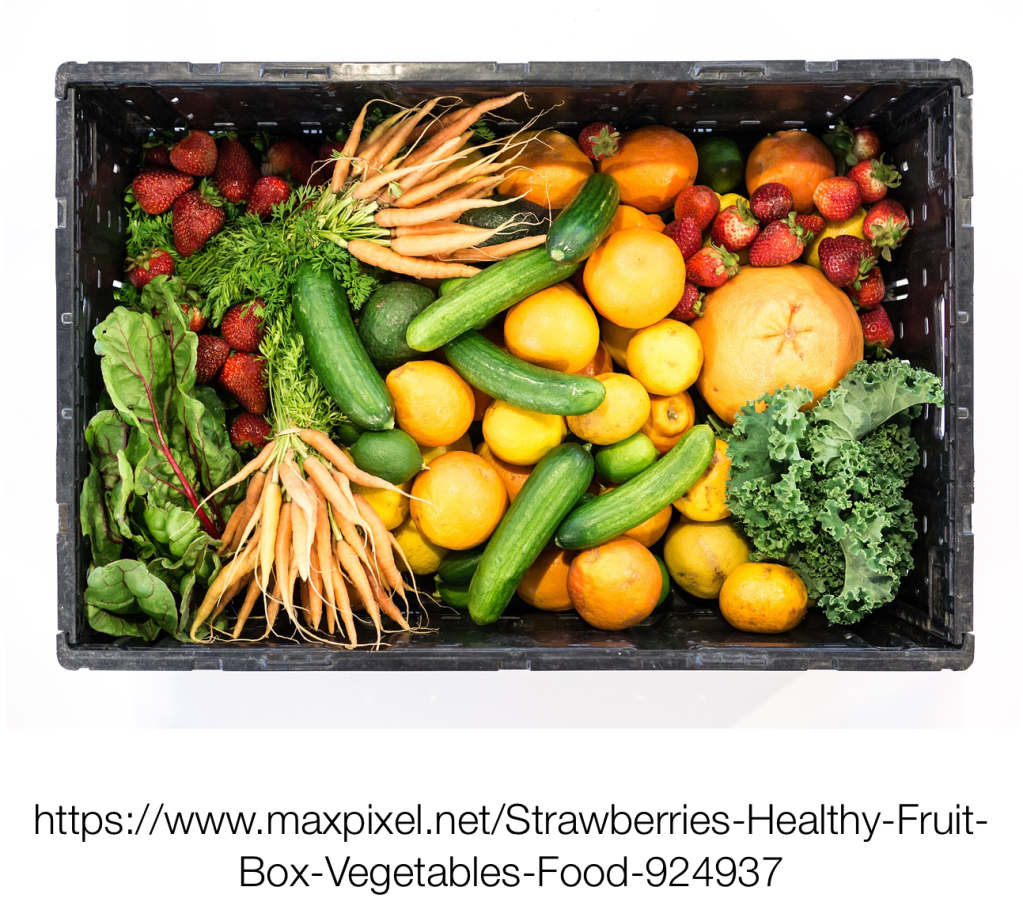
Buy locally grown food – or eat home grown food. Locally grown food has a lower carbon footprint because the distance the food is moved is less and therefore transport inputs are less. This is especially true when food stuffs are imported by air and often includes the import of out of season foods from the Southern Hemisphere such as asparagus and blue berries. Eating locally produced food can reduce your GHG emissions by 0.4 tonnes per year. There is a growing number of veg box schemes where farms make a weekly delivery of vegetables straight from the farm to your front door, which reduces transport emissions and food waste. OddBox specialises in fruit and veg boxes that collect together fruit and vegetables that would otherwise go to waste either at the farm or in the wholesale market.
Avoid food processing and packaging. Ready meals packed in plastics can have a disproportionately higher carbon footprint than meals freshly made from raw, unpackaged ingredients. Reducing the amount of packaged and processed food you consume can reduce your GHG emissions by 0.5 tonnes.
Minimising food waste. Throwing away food rather than eating it is obviously wasteful and a misuse of GHG emissions. Planning daily or weekly menus, using a shopping list, only buying and cooking the portions you will eat, careful storage of food etc are all ways fo reducing food waste. (For more details see the Eco Tips post of 9th August). Cutting food waste can reduce you GHG emissions by 0.5 tonnes per year. If you compost food waste such as the outer leaves of cabbages, banana skins and tea bags you can reduce your GHG emissions by a further 0.2 tonnes.
How you cook your food will also impact on your carbon footprint. Putting on the oven to bake one potato is more carbon intensive than boiling or pan frying the same potato in a pan. This aspect of your carbon footprint will be considered in a later post looking at household energy consumption.
We often say we are what we eat. If we eat with a conscience for what is good for the planet, and what is good for human and animal welfare, we will be part of the growing movement creating a better world for all.
In many religious and cultural traditions there is a practice of saying thank you before or after a meal. This recognises our dependence upon others for what we eat, whether that is the cook, the farmer, the retailer or above all, God as creator. Saying Grace at meals is one way of being more aware of the providence of the food we eat.
As we sit to eat this meal, we give thanks for all have been involved in its preparation.
For the farmers and the worms, bees and pollinating insects, for shelf stackers and retailers, for those who cook and those who wash up,
and for the bountiful diversity of our God-given world. Amen.
NB I have swopped between the terms carbon footprint and green house gas GHG emissions as if they are the same thing which they aren’t. Strictly speaking our carbon footprint measures our carbon emissions whereas GHG emissions includes all gas emissions but of which carbon dioxide is the largest.
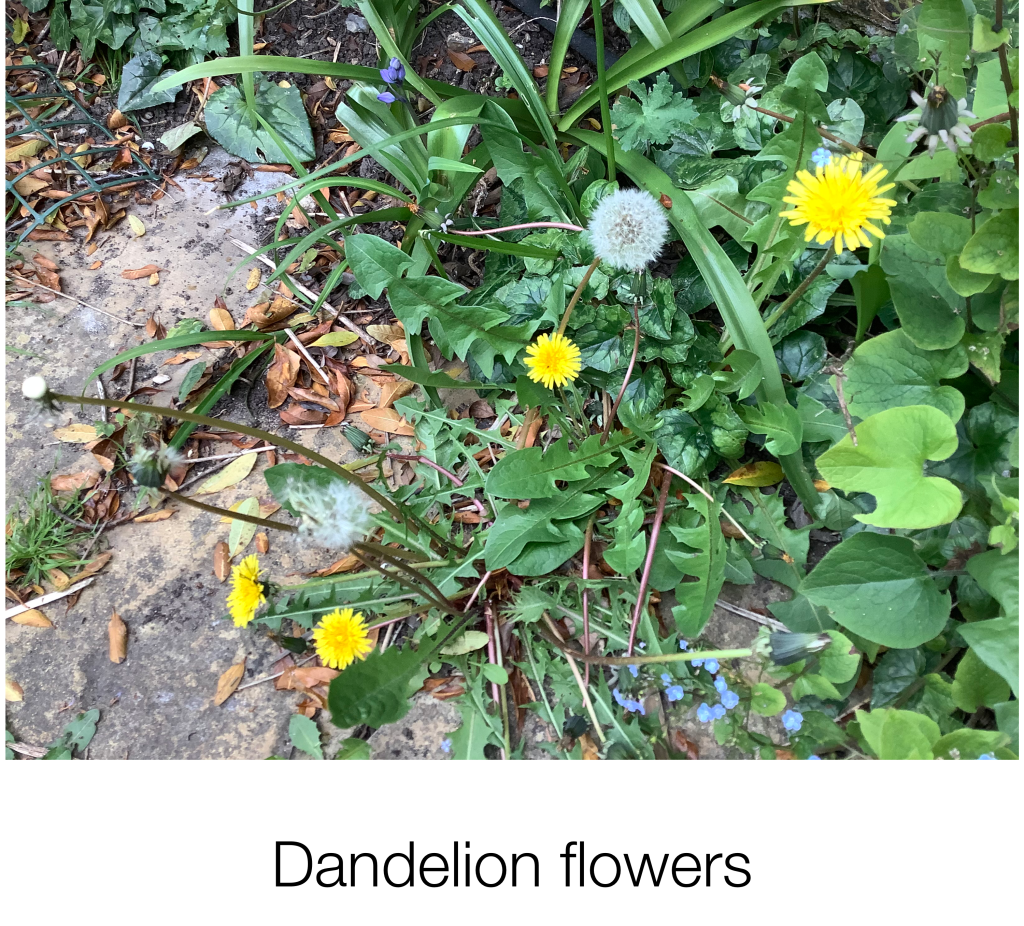
Action 22: Love things we do not own. Look round your garden or your nearest park and choose a plant – a flower or a tree – and spend time admiring it, paying it attention. If we are to be truly motivated to care for the world around us, we need to fall in love with it. This year I have been drawn to the weeds that grow in the garden and see them now as wild flowers.
Consuming less is one clear way of reducing our carbon footprint. Consuming less is not about being parsimonious nor being a kill joy.
Consuming less can involve buying second or hand – pre-loved items. It is equally about ‘loving’ what we do have. Why not look through your wardrobe or your cupboard and pick out a favourite item that you have had for a long while, and appreciate its personal history.
Action 20: Take a photo of the youngest person in your family – this is my 4 month old grand nephew. How old will that person be in 2030? By then we hope the world will have reduced our greenhouse gas emissions by at least 55% below 1990. This should keep the rise in global temperatures to 1.5C. Try and imagine what their world then will be like? Will summers be even hotter and even wetter than now? Will there be more and stronger storms and floods? Will houses be better insulated? Will they have been adapted to cope with heat waves? Will transport system be all electric? Will they have been adapted to cope with floods and landslides? Will there still be the same diversity of wild plants and animals that we see now or will some have been pushed out of their niche in the ecosystem by climate change? Will schools be solar powered? Will school leavers be finding jobs in a burgeoning green sector?
What kind of future are we creating for the next generation?
4..5 million tonnes of food is wasted by UK households each year – that equates to 12.5 million tonnes CO2. Avoiding waste is about only buying what is actually going to be eaten within the shelf life of the food stuff.
Plan meals
plan a daily menu or a weekly menu. This way you will know what food/ ingredients you need.
think about portion sizes: eg portion of protein = 30g nuts, 2 eggs, 90g meat, or 150g cooked beans or pulses.
check which ingredients you already have and which additional items you need to buy.
Make a shopping list and use it: buying extra may be storing up future waste.
Think about using alternative or substitute ingredients.
if a recipe asks for peas and you haven’t any, can you use chopped courgette/ apple/ dried peas?
if celeriac is on your shopping list but not in the shop, can you buy carrots/ parsnips/ sweet potato instead?
Plan your meal according to what you already have.
Rather than buying a complete set of ingredients, create a recipe that uses what you already have.
Use up ingredients that are in your fridge that would otherwise go out of date. Try the internet for ‘fridge clearing’ recipes.
If you have left leftovers from a previous meal, incorporate them into today’s meal
Make good use of a glut. If you have an excess amount of a food or if there is a really good offer at your local shop, have a go at food preserving . Excess fruit can be bottled, made into jam, or made into chutney. Excess vegetables can be pickled, fermented or made into chutney.
Store all food stuffs carefully so as to keep them fresh and maintain their life. Some foods – like potatoes – are best kept in breathable (paper/ cotton) bag that excludes light. Some are best kept in bags – eg carrots and root vegetables – to stop them drying out. Some are best kept in the fridge such as cucumbers and lettuces. Some are best kept out of the fridge such as apples and tomatoes.
If you shop locally and buy locally produced foods, less food is likely to be wasted in the distribution chain. Try a fruit and veg box scheme that comes direct from the farm.
Be ready to buy small or oddly shaped fruit and vegetables that would otherwise be discarded. Some fruit and veg box schemes such as OddBox, specialise in sourcing products that are either small, misshapen or surplus to demand.
Buy and eat food that is in season.
Have a few recipes that use only store cupboard ingredients so that you can always make a meal with what’s in the house. Eg spaghetti with a tinned tomato and haricot bean sauce, garnished with black olives.
Action 18: Swop dairy products for plant based ones. Many people opt for oat milk flat whites when they go to a cafe. Why not opt for oat milk at home – on your cereal, in your coffee, and when making cakes, sauces and custards?
Most margarine is entirely plant based but did you know you can get plant based butter? It looks and tastes like butter and has the same consistency as butter making it ideal for making pastry, cakes and crumbles.
Swop to plant based yogurts – including extra thick Greek style yogurt – cream and ice creams. With the same mouthfeel and consistency of their dairy opposites, they taste really good, and with the options of different plant based ingredients such as coconut milk, almond milk or soya milk they offer a variety of taste experiences. I particularly like coconut based vanilla ice cream.
I feel a lot of sympathy for Elijah. Prior to where we meet Elijah in today’s reading he has been extremely busy. Elijah lived during the reign of King Arab who is described as the king who did more evil than all the other kings before him. He was a king who definitely did not walk in their ways of God! God has seen all that has happened and tells Elijah that, as a consequence, no rain nor even dew shall fall on the land. The land will be afflicted by a drought that will last for years.
Pausing a moment it is worth reflecting that for decades, if not more, we residents of planet earth have increasingly mistreated and plundered the earth damaging both its climate, its ecosystems and and its most vulnerable creatures. We have not followed the ways of God. And now we are increasingly aware that our folly is causing problems that affect us directly – floods, heat waves, wars, covid etc.
Back to Elijah. He follows God’s instructions as to how and where he will find sustenance, and sees at first hand the effect the delight has on the land and in its inhabitants. After three years of drought God sends Elijah to speak with Ahab (who is finally feeling the effects of the drought. Those who are rich and/or powerful usually find ways of minimising the inconveniences that cause others to suffer) and to reprimand him for all that he has done wrong. Like many business leaders and investors today, Ahab still believes that his model of life – worshipping the Baals and sacrificing children – is the only right one. So Elijah sets up a competition, challenging the priests of Baal to prove the efficacy of their gods.
This must have taken great determination on Elijah’s part. He was just the one lone voice speaking out against the falseness of the Baals and their rule of life. God was certainly with him and strikes the winning shot – a fire bolt from heaven – on Elijah’s behalf, but yet it still must have been stressful to the point of exhaustion for Elijah. The single handed, Elijah destroys all the false prophets. And once again he challenges Ahab to repent. Ahab instead seeks guidance from his equally wicked wife, Jezebel, and somehow it is her cursing of Elijah, that breaks the camel’s back. Elijah fears for his life and flees into the wilderness.
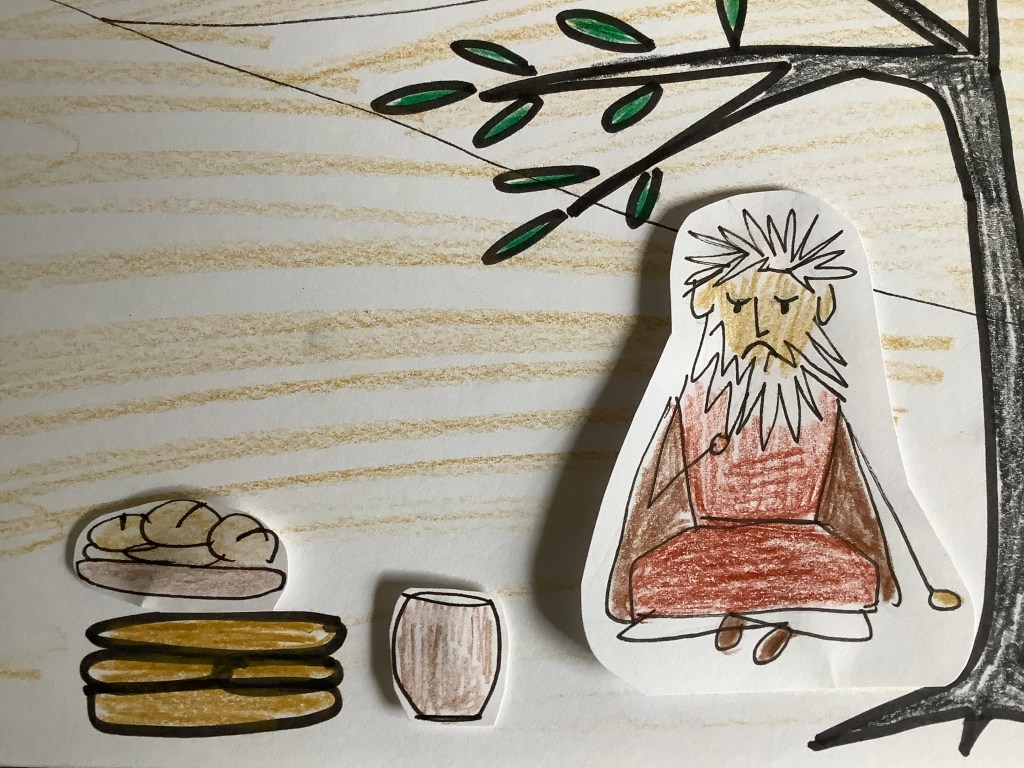
So we come to today’s episode. Elijah is ready to give up and die. Have you ever felt yourself to be at that point of exhaustion, of despair, of self doubt? Elijah curls up under a broom tree – an evergreen bush which because of its deep roots and narrow leaves can survive in arid environments and provides a welcome place of shade for travellers. Having spoken out-loud his grievance, his desperation, he is finally able to sleep. Owning up to ourselves and to God about what troubles us is a good starting point. After he slept, God wakes Elijah and provides him with food and water. He eats and drinks and once more sleeps. God waits and then wakes him a second time, prompting him to eat and drink, so as to be ready for the next stage of his journey – his life. One rabbi has noted the similarity between ‘rothem’ the Hebrew for broom and ‘rachem’ Hebrew for compassion. God has compassion on Elijah. God knows that what he needs is sleep and food and only when those needs have been satisfied does God suggest to Elijah that he journeys to God’s holy mountain of Horeb where the two will engage in a much deeper spiritual experience.
So I think it can be for us. Being open and honest about how we feel, understanding when we need rest, accepting support especially physical comfort even when we feel spiritually drained. God is concerned for our total wellbeing, physical and spiritual, and often we have to satisfy the first before we can address the second.
Today’s Psalm aptly describes Elijah’s experiences. ‘Taste and see that the Lord is good’ both physically and spiritually.
The passage from Ephesians is entitled in NRSV Rules for the New Life. Rules for a new life were certainly what Ahab and his people needed. I think they are also what we need for living a new climate friendly, all-inclusive people friendly, sustainable life. The passage reminds us that we are interconnected, and that the way we each act has repercussions for everyone, and further more affects our relationship with God.
The reading from John’s gospel continues to explore the idea of Jesus as the bread of life. Believing in and following his ways, have both physical and spiritual benefits. Jesus feeds and heals people physically and spiritually. Jesus by his very nature is a two way conduit between earth and heaven, between God and human kind, between the present day and eternity. This is something the Jews, the hearers of Jesus’s message find hard to understand and accept. For them, he is just a local boy – a local who has become a popular crowd puller but nevertheless surely still just someone like them? Is there something about needing to be ready, to be open, to seeing God at work in our everyday environment? Perhaps of finding the spiritual in the physical and the physical in the spiritual?













 The Green Tau