Counting on …day 173

5th May 2022

Access to green and blue spaces is important for our own physical and  mental health as well as being good biodiversity. The Green Space Index by Fields in Trust found that more than 2.5 million people lived more than a 10-minute walk from the nearest area. The Office for National Statistics reports that one in eight households (12%) does not have access to a private or shared garden. 

Campaigners are calling on the Government to do more to ensure everyone has access to green spaces.  https://action.wildlifetrusts.org/page/97830/petition/1

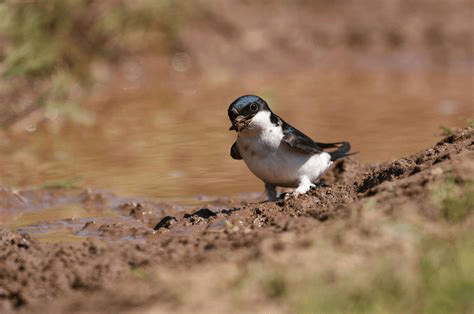
Welcoming Garden Birds

The sparrow is still the most commonly observed garden bird but we have not seen one for about 20 years in our garden.

Can we do more to encourage bird populations that frequent our gardens?

  • Fresh water – provide a bird bath, pond or shallow bowl of fresh water for both drinking and bathing. Bowls and baths should be regularly cleaned and topped up with fresh water. 
  • Food – providing food is an easy way of attracting birds. Commercially produced bird food offers a wide range of seed and fat based foods. Some are specially adapted so that spilt seeds do not sprout so preventing a mini grain field growing under your bird feeder. Different foods can attract different birds. For example nyger seeds are popular with goldfinches. 
  • Growing bird food – you can provide bird food by growing it in your garden. Goldfinches like eating the seeds from dandelion heads, from teasels and from lavender bushes (leave the ‘dead’ seed heads in place). Blackbirds like apples. Starlings like the berries from the mahonia bushes and yew trees. Blue tits and great tits like eating aphids and other insects that congregate on plants stems and shoots.
  • Hygiene – birds can be killed by germs that multiply when bird feeders become fouled by bird droppings and by stale/ rotting food. Regularly cleaning bird feeders is important, as is removing stale food. The ground underneath bird feeders can also become foul so it is good to regularly move their positions and to clean the area underneath them.
  • Shelter – hedges and shrubs provide welcome places of shelter especially for small birds such as wrens and sparrows.  Bushes can provide a safe place from which birds can check out the safety of a  bird feeder before darting out. 
  • Nesting boxes provide a particular form of shelter. Different birds have different requirements. Blue tits need boxes with only a small opening, whilst robins prefer a wider opening. Swifts and martins need high level nesting places. Hygiene again is important: winter is a good time to clean  old nesting boxes ready for the new season. 
  • Variety of habitats – by learning more about different bird species, we can understand better the habitats they prefer and how we can shape our gardens to better meet their needs. Black birds for example are ground feeders. They eat grubs and worms that they pull from the soil. Short, rather than long, grass makes this easier. Black birds can’t hang from bird feeders but they can perch on bird tables. Sparrows and wrens like hedges. Starlings like tall trees where they gather and survey the land.

Counting on ….day 171

2nd May 2022

No Mow May!

This month we are encouraged not to mow our lawns. And here’s why:

On a single day in summer, one acre of wildflower meadow can contain 3 million flowers and produce 1 kg of nectar sugar for pollinators. But since the 1930s, we have lost nearly 7.5 million acres of flower-rich meadows and pastures. Just 1% of our countryside now provides this floral feast for pollinators. Against this loss, habitats such as lawns have become increasingly important. With 15 million gardens in Britain, our lawns have the potential to become major sources of nectar. 

Sign up and find out how many pollinators your lawn can support: https://nomowmay.plantlife.org.uk/sign-up/

Prayers for the ecosystems of North America

Friday 8th April 2022

Happy are those  who do not follow the advice of the wicked. They are like trees planted by streams of water, which yield their fruit in its season,  their leaves do not wither. In all that they do, they prosper. Ps 1:1a,3

You Lord, are the source of all good things: 

We praise you.

You call us to tend and care for your creation: 

May we strive to do your will.

You have made us as brothers and sisters with all that lives: 

May we live together in peace.

A Reading Proverbs 22:16-18

Oppressing the poor in order to enrich oneself, and giving to the rich, will lead only to loss. The words of the wise: Incline your ear and hear my words, and apply your mind to my teaching; for it will be pleasant if you keep them within you  if all of them are ready on your lips.

Each Friday during Lent we will focus on a different continent; this week North America

North America extends from the tiny Aleutian Islands in the northwest to the Isthmus of Panama in the south. The continent includes the enormous island of Greenland in the northeast and the small island countries and territories that dot the Caribbean Sea and western North Atlantic Ocean. In the far north, the continent stretches halfway around the world, from Greenland to the Aleutians. But at Panama’s narrowest part, the continent is just 50 km across. North America can be divided into five physical regions: the mountainous west, the Great Plains, the Canadian Shield, the varied eastern region, and the Caribbean. Mexico and Central America’s western coast are connected to the mountainous west, while its lowlands and coastal plains extend into the eastern region. Within these regions are all the major types of biomes in the world. https://www.nationalgeographic.org/encyclopedia/north-america-physical-geography/

Glory to God 

Creator of successions of mountains ranges:

We praise you for the awe and wonder of these regions, 

their reminder that we are but humans.

We marvel at the power of water to carve out canyons 

and the power of water to generate energy.

Glory to God

Creator of forests and plains:

We praise you for the richness of their biodiversity, for tall prairie grasses and even taller trees; 

for the smallest grasshoppers to the mighty bison, 

for the whistling marmots and black bears that huff and grunt.

Glory to God

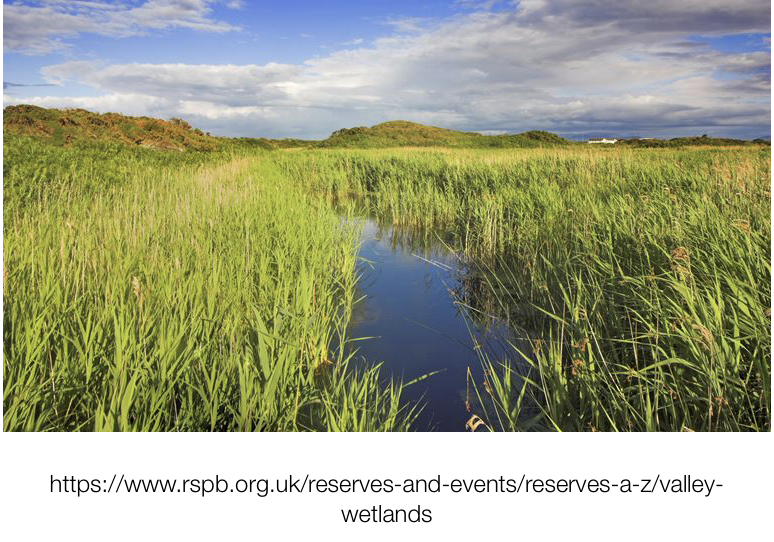
Creator of rivers, lakes and wetlands:

We praise you for the Great Lakes and the fresh water they contain, 

for the Mississippi River and the fertile soil it nurtures, 

and for the wetlands of the Everglades, the 360 plus species of bird  

and the plump grandeur of the manatees.

Glory to God, 

Creator of tundra and ice: 

We praise you for the ingenuity of life that adapts to the extremes of climate and geography.

We marvel at the diversity of life – lichens and moss, polar bears and caribou, 

and the many migrating birds such as the Arctic tern.

Merciful God,

Creator of human kind, 

Forgive our greed that has mined land and sea for fossil fuels, jeopardising our future.

Forgive our greed that industrialises farming, destroying soils and draining lakes. 

Forgive our greed that turns animals into commodities and disregards their sentient nature. 

Forgive our greed for consumer goods that strips the earth’s reserves.

Merciful God,

Creator of our brothers and sisters:

Forgive the casualness with which we let the rich grow richer 

and the poor poorer.

Forgive the casualness with which we let the rich break the laws 

and yet still penalise the poor.

Forgive the carelessness with which we discard what we buy 

ignoring the meagre pay of those who labour. 

Guiding God,

Source  of all wisdom, 

Transform our hearts and minds, turn the direction of our hands and feet 

so that with alacrity and commitment we will reform our lives 

and live only in harmony with your creation. 

Amen.

The Grace

The Green Tau: issue 39

4th April 2022

If gardens became nature reserves

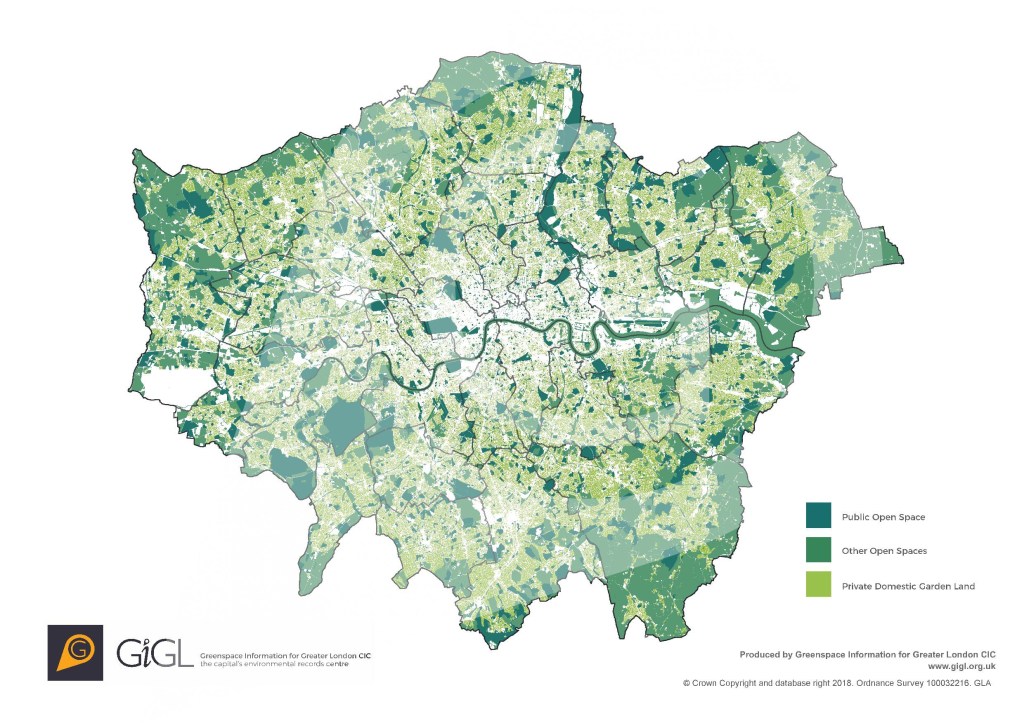
Did you know that the ordinary domestic garden makes up one third of all green space in London? 

According to Greenspace Information for Greater London, GiGL roughly  47% of Greater London is ‘green’, of which 33% is natural habitats within open space and an additional 14% is estimated to be vegetated private, domestic garden land. https://www.gigl.org.uk/keyfigures/ This is not just true of London, but for the whole country. According to the RHA ‘Private garden space in Britain cover about 728,900 hectares so their potential as a haven for wildlife is considerable’.   If each garden were actively managed as a nature reserve just think what an impact that would have on biodiversity and environmental wellbeing!

https://www.gigl.org.uk/wp-content/uploads/OpenSpace-POS-PrivateGardens2018.jpg

Domestic gardens can offer a diversity of plants and micro habitats making them ideal environments for a wide diversity of insects and beetles, birds and other small creatures. 

A diverse range of plants can not only provide food and shelter for a great number of birds, insects and other creatures, they can also be chosen to provide a year round supply of blooms that ensure  constant supply of food for insects – and a good supply of insects will ensure food for other creatures further up the food chain.

A variety of height and density of plants and planting, including trees and bushes, climbers and creepers, ground cover and grasses will again meet the needs of diverse range of fauna. Areas of both shade and sun, warm hollows and places giving shelter from the wind will be appreciated. Further micro habitats can be provided with the addition of ponds or bog gardens, log piles and dry stone walls.

Encouraging wildlife is also about avoiding things that can cause damage such as pesticides, herbicides and slug pellets, and the use of peat which comes at the expense of peat bogs which are an exceedingly valuable habitat in their own right. 

Many creatures will need more than the space offered by one garden. Their normal habits maybe to move or roam over a wide area – hedgehogs for example can travel up to 2km as part of their nighttime forays. Whilst robins may guard one garden as their territory, other birds such as swallows, long tail tits, and jackdaws will feed across a much wider area. Gardens can act as corridors and stepping stones linking one garden to the next as well as linking into wider green spaces such as parks and commons. Small holes at ground level will allow hedgehogs to travel from one garden to the next, whilst trees, shrubs and climbers will provide safe stopping off places for small birds.

Gardens also benefit our own well being. The National Open Gardens Scheme identifies 5 ways in which we can benefit from our gardens – https://ngs.org.uk/gardens-and-health-week/

  1. Do something (physical) – gardening itself, or playing, doing yoga, making a bug hotel, painting
  2. Do nothing! Spend time relaxing, just observing what’s there, de-stressing 
  3. Be alone – your garden can be an escape form the  demands of world and work. Find a quiet corner that is your personal retreat.
  4. Be sociable – share the garden with friends, chat over the fence, take tea together, eat meals outside, play games 
  5. Go natural – look at the shapes and colours, absorb the scents, feel the textures, listen to the sounds

For those without gardens, house plants can be equally beneficial and rewarding – https://ngs.org.uk/a-haven-of-houseplants/

Gardens are places to grow food and make us aware of the journey from fork to plate. Growing food encourages us to eat more healthily. Growing your own salads, herbs and soft fruits can significantly reduce the carbon footprint of what you eat.

Gardens can also protect us from some of the effects of the climate crisis. Gardens with plenty of vegetation will add moisture to the air making it feel comfortable during hot weather and trees of course provide shade as do climbing plants trained over pergolas. Climbing plants can shade walls from the sun and keep the building cooler, whilst plants trained around windows can cast shade that cools the room inside.  Gardens are good at both absorbing rainwater especially if there plenty of soft areas – lawns, flowerbed and vegetable plots – rather than hard surfaces such as pavements, patios and compressed soil. Gardens with plenty of plants are good at slowing the rate at which water drains into the water table as leaves and roots trap and delay the rain. Longer grass is better in this respect than short grass, and will equally better withstand periods of drought. Both absorbing and delaying the rate of water  flow reduces the risk of flooding. You can even be proactive by emptying water butts in advance of heavy rainfall. 

Gardens are natural carbon sinks. Trees, plants and lawns all absorb carbon as they grow. So does a well tended soil. This is a soil that is not over worked or compacted but rather is well supplied with hummus that makes the soil home for a multitude of worms, beetles, bugs, bacteria and fungi, all busily absorbing carbon and releasing nutrients into the soil. Further ideas for reducing the carbon footprint of your garden include composting garden and uncooked vegetable food waste, recycling canes and flower pots etc, growing plants from seeds, and using hand rather than power tools – https://www.gardenersworld.com/how-to/grow-plants/how-to-reduce-your-carbon-footprint-in-the-garden/ Or visit the RHS web site https://www.rhs.org.uk/gardening-for-the-environment/low-carbon-gardening/the-low-carbon-garden 

“When we garden, not only do we make the world a more beautiful place, we also improve local biodiversity, cool overheated cities, mop up pollution and mitigate against flooding, all while improving our own health and well-being, which together have been shown to directly determine how effectively our society functions. Plants are key solutions to pretty much every major problem that faces our species today.” https://www.theguardian.com/lifeandstyle/2022/feb/26/green-planet-how-gardening-can-save-the-world

Gardens as nature reserves

4th April 2022

Gardens are our very own nature reserve right on our doorstep!  

There are many ways in which we can boost their biodiversity and make them even more environmentally friendly (space permitting).

  • Let your garden grow wild at the edges
  • Choose plants so that there is always something in flower throughout the year.
  • Create different habitats with trees and shrubs, ground-cover and climbers
  • Maintain plant cover over all the soil to protect; have different layers of planting. 
  • Use intercropping techniques, sowing fast growing vegetables between those that need more space, eg radishes between cabbages, or eggplant daises between leeks. 
  • Install a water butt 
  • Leave seeds heads and dead stalks in place over winter
  • Use hand tools rather than power tools 
  • Plant some soft fruit bushes or strawberries or rhubarb

P

  • Plant a fruit tree

Prayers for the ecosystems of Asia

Week of 1st April

Happy are those  who do not follow the advice of the wicked. They are like trees planted by streams of water, which yield their fruit in its season,  their leaves do not wither. In all that they do, they prosper. Ps 1:1a,3

You Lord, are the source of all good things: 

We praise you.

You call us to tend and care for your creation: 

May we strive to do your will.

You have made us as brothers and sisters with all that lives: 

May we live together in peace.

A Reading Psalm 95: 1-5

O come, let us sing to the Lord;
    let us make a joyful noise to the rock of our salvation!

Let us come into his presence with thanksgiving;
    let us make a joyful noise to him with songs of praise!

For the Lord is a great God,
    and a great King above all gods.

In his hand are the depths of the earth;
    the heights of the mountains are his also.

The sea is his, for he made it,
    and the dry land, which his hands have formed.

Each Friday during Lent we will focus on a different continent; this week Asia. 

Asia (the eastern half of the Eurasian supercontinent) is the largest of the world’s continents, covering approximately 30 percent of the Earth’s land area. It is also the world’s most populous continent, with roughly 60 percent of the total population. It comprises five major physical regions: mountain systems; plateaus; plains, steppes, and deserts; freshwater environments; and saltwater environments. The Himalayas are so vast that they are composed of three different mountain belts. The northernmost belt, known as the Great Himalayas, has the highest average elevation and includes Mount Everest, which stands at 8,849m. The glaciers of the Tibetan Plateau contain the largest volume of ice outside the poles and feed Asia’s largest rivers. Approximately 2 billion people depend on the rivers. Lake Baikal is the deepest lake in the world, containing 20 percent of the world’s unfrozen freshwater. It is also the world’s oldest lake, at 25 million years old.  https://www.nationalgeographic.org/encyclopedia/asia/

Glory to God 

Creator of mountains and glaciers:

We praise you for the awe and wonder of these regions, 

their reminder that we are but humans.

We thank you for the life giving water they provide for peoples far below.

Glory to God

Creator of rivers and wetlands:

We praise you for the Tigris and the Euphrates, 

for the Fertile Crescent and the roots of human civilisation.

We praise you for the  Ganges and Brahamaputra rivers, 

and for the biodiversity of the Sundarban wetland with its huge mangrove forest. 

Glory to God, 

Creator of Steppes and deserts:

We praise you the ingenuity of animals and peoples, adapting to the extremes of climate.

We praise you for yaks and bactrian camels and for livelihoods sustained by trade.

Glory to God, 

Creator of flora and fauna:

We praise you for rich diversity of flora, for the many fruit trees – oranges and peaches –

and the beautiful flowers of China – roses and camellias, peonies and hibiscus. 

We praise you for  the wildlife of the Sundarban wetlands  – birds and  monkeys, monitor lizards and Bengal tigers. 

Merciful God,

Creator of human kind, 

Forgive our greed that destroys ancient forests in favour of logging for timber and wood pulp. 

Forgive our greed that destroys biodiverse rain forests in favour of oil palm plantations.

Merciful God,

Creator of our brothers and sisters:

Forgive the casualness with which we ignore their plight when faced with war and oppression, 

their poverty  when corporate greed takes away their livelihoods 

and their hunger when climate change decimates their crops.

Merciful God, 

Creator of climates and seasons,

Forgive our foolishness that creates both drought and flood.

Forgive our foolishness that destroys mangroves that protect shorelines 

and the forests that stabilise soils and lock in carbon

Guiding God,

Source  of all wisdom, 

Transform our hearts and minds, turn the direction of our hands and feet 

so that with alacrity and commitment we will reform our lives 

and live only in harmony with your creation. 

Amen.

The Grace

The Green Tau: issue 37 

17th March 2022

Natural Wealth

We usually think of wealth in terms of money. Maybe we have an image of a vault full of coins and precious jewels like that of Harry Potter’s at Gringotts Bank.  Today I want to focus on natural wealth by which I mean the stock of natural resources that the earth provides for us. These natural resources range from water, air and soil,  plants and animals, to rocks and minerals.  The World Bank describes these things as being ‘natural capital’   which points to their use as means of generating something more. This is not an inappropriate concept. It fits with the repeated phrase used in Genesis chapter 1, ‘Be fruitful and multiply’. In creating the world, God was creating a thing that would grow and reproduce, diversify and abound, prosper and flourish.

What the two terms, natural wealth and natural capital, may point to is that natural resources can be misused  diminishing wealth and productivity. Let’s look at a couple of examples.

Soil

Soil is a natural resource to be found in all parts of the world. It should be valued as a key part of the world’s natural wealth. Soil enables plants to grow. Without plants we would starve and so too would all other creatures. Without plants, our atmosphere would suffer: carbon dioxide would cease to be absorbed and oxygen produced. Soil absorbs water preventing flash floods. Soil is home to wealth of biodiversity – moles, worms, ants, mites, fungus, bacteria etc. it is the nesting place for puffins and shearwaters, for rabbits and foxes.

Soil was not created ready formed. Soil is the result of the erosion of rocks creating small mineral particles; the decaying  of plant and animal remains; the addition by water of further chemicals; and the digging, mixing, tilling action of creatures as diverse as ants and worms, birds and badgers. When soil is being newly formed such as on lava outcrops or newly exposed rock surfaces, or where shores have been exposed, pioneer species of plants will begin the soil making process, to be replaced overtime by other plants, insects and animals as the soil’s fertility increases. 

However the wealth of the soil can be lost. If it looses its protective plant covering, it can be blown or washed away. If its goodness is used to grow successive generations of plants without that goodness being replaced, it becomes a non-fertile dust. If is infused with poisons (pesticides, herbicides etc) the biodiversity within the soil will lost and with it the ability of the soil to process and absorb decaying plant and animal material that gives the soil its fertility.  If it is overridden by heavy equipment, its structure is crushed, spaces for air and water are lost and with it, the soil’s ability to support life forms. Across the world, as self destructive as it may seem, humans misuse the soil: deforestation; monoculture; use of increasingly large and heavy farm equipment; use of insecticides, herbicides and overuse of artificial fertilisers; destruction of the infrastructure for biodiversity (hedgerows, verges, copses); over grazing etc. All these contribute to the destruction of the soil. 

All soil, cultivated or not, needs to be protected. Where it is cultivated it needs to be carefully tended and fed, and its structure and maintained. 

Forests

Forests are another key part of the natural wealth of the planet. Forests stabilise and protect soils. They are home to a great variety of different plants (more than just trees!), animals, birds, insects and many other living things. They provide humans with timber for building (homes, railway tracks,  bridges etc), for furniture, tools boxes. Timber for making paper and card, for making fabrics (eg viscose). Fruit, nuts and saps for food, as well as saps that are used to make rubber and resins. Many forest plants have medicinal uses. Forests provide shade which can be used to protect vulnerable crops (eg shade grown coffee). Tree cover can protect the soil for either drying out or being washed away, and sylvan farming techniques utilise this value of forests. Forests slow the flow of water so reducing the risks or scale of flooding. Forests absorb carbon and contribute considerably counterbalancing the excesses of carbon dioxide generated by human lifestyles.

And yet the wealth of our forests is being diminished. 

‘Forests cover 31 percent of the global land area – 4.06 billion hectares… Between  2015 and 2020, the rate of deforestation was estimated at 10 million hectares per year, down from 16 million hectares per year in the 1990s.  Agricultural expansion continues to be the main driver of deforestation and forest degradation and the associated loss of forest biodiversity… Large-scale commercial agriculture (primarily cattle ranching and cultivation of soya bean and oil palm) accounted for 40 percent of tropical deforestation between 2000 and 2010, and local subsistence agriculture for another 33 percent.’  https://www.fao.org/state-of-forests/en/

Oil

Oil, like coal and gas, is a substance formed over many millennia in very precise circumstances that coincided hundreds of millennia ago. It is a highly adaptable material that can be used not just as an energy source, but also to make products as diverse as lipstick and fertilisers, and of course, plastic. Plastic has proved a very useful material being cheap, light, non perishable, highly mouldable etc. However oil was formed by locking away carbon deposits over hundreds of thousands of year but which we are now released into the atmosphere in just three centuries. This rate of release is far more greater than the ability of the atmosphere to safely contain it. Oil has become the biggest human pollutant. Oil extraction, through oil leaks etc is also a cause of  localised pollution. And in addition we are now aware of the polluting effects of the plastics we have produced – micro particles of plastic have been found in all parts of the planet as well as in animals, fish, birds and human beings. Oil whilst appearing to offer many benefits, has and continues to damage the earth.

Unlike soils, which can be rescued and regenerated, and forests that can be replanted and restored, oil – and other minerals that we extract from the earth – is a non renewable resource. For those those things for which oil-based products are beneficial, we should make every effort to recycle and reuse all that we do have.

Natural wealth is a gift from God, a gift of creation. We should not squander or degrade it. Rather we should cherish and nurture it. This should determine how we use that wealth, how we care for the soils and the forests, how we use – or rather don’t use oil -and how we recycle and reuse plastic items.

Whilst the level of care given to our natural wealth may vary between nations (and this could be for any number of reasons such as economic policies, poverty, heritage), the distribution of natural wealth across the planet is independent of  national boundaries and its distribution could be viewed as inequitable. Some countries have large areas of fertile soil conducive to growing wheat, corn or rice. Others have soils and climates conducive to the growth of forests. Some countries have large reserves of minerals such as iron ore, lithium and gold. Some countries have large reserves of fossil fuels. Some have tides, rivers and reservoirs suitable for producing hydro electricity, or climates suitable for wind and solar power. More recently we have realised that some countries have reserves of natural wealth that excel as carbon sinks: forests, peat bogs, mangroves, kelp forests. What we have not perhaps resolved is how we share this global wealth fairly – other than through economic markets – or how we share the responsibility of caring for this wealth, and ensuring that we pass it on us diminished to future generations.  

Whilst wealth and money are not, per se, the same thing, putting a monetary value on natural wealth helps countries and people to recognise the value of natural wealth and to shape their actions accordingly. The World Bank has been working on an Ecosystem Accounting framework that allows countries to assess the services contributed by natural wealth and give them a monetary value. By having a standardised system countries can  calculate how the natural wealth contributes to their GDP. “This is a huge step towards seeing nature as an economic asset that needs to be managed and preserved to ensure sustainable growth. For example, the Government of Cambodia asked the World Bank to provide the economic rationale behind preserving 65% of the country’s forests as protected land. While some benefits were  obvious, it did not have the economic analysis to fully justify such a  wide-ranging decision. Using ecosystem accounting, the World Bank team supported the Government of Cambodia in quantifying a suite of services that forests offer  –  water, agriculture and hydropower, ecotourism and carbon storage – for the Pursat River Basin in the Cardamom Mountains in Cambodia. The analysis revealed that economic gains from preserving the forests was five times higher than cutting them down for charcoal production or agriculture. It also found that the benefits to other economic sectors derived from forest ecosystems are 20 times higher than the cost of maintaining them”. https://blogs.worldbank.org/voices/giant-leap-towards-measuring-natures-contributions-economy

The British Government, too, is developing the use of ecosystem accounting. ‘The Office for National Statistics estimate that England’s woods and forests deliver a value of services estimated at £2.3 billion annually. Of this figure, only a small proportion – 10% – is in timber values. The rest of the value derives from other more ‘hidden’ benefits to society, such as human recreation and air pollution removal, which improve health, and carbon sequestration which can help combat climate change’. https://www.gov.uk/government/news/natural-capital-tool-launched-to-help-protect-the-environment If followed through, this should ensure that we – as a nation, as a society, as landowners and as business enterprises –  do actually value and safeguard our forests and woodlands. 

As individuals we can speak out for and protect our world’s natural wealth –

  • Be an ethical consumer 
  • Be an ethical investor whether that is with direct investments or via investments made on your behalf by your pension fund provider, insurers, bank etc.
  • Support nature conservation schemes, nature friendly farming research, alternative energy etc
  • Be a campaigner, make your voice heard 
  • Visit and enjoy local nature reserves and green or blue spaces. 

Visit https://greentau.org/2022/02/24/eco-tips/ for more  tips on being a sustainable consumer.

Counting on …day 115 

7th March 2022

Another potential garden pest is the aphid. There are about 500 different types of aphid in the UK, most of whom are partial to a particular type of plant: eg the mealy cabbage aphid likes brassicas, the black bean aphid likes broad beans,  and the plum leaf-curling aphid likes plum trees. Whilst they can damage young leaves that one hoped to eat, they do not diminish the  productivity of the plant as much as one would expect. On the other hand aphids do provide food for a large number of other insects – Lady birds, hover flies, lace wings, wasps, earwigs, and beetles. These insects themselves are a source of food for other creatures such as small birds. In other words aphids are an important part of the food chain and an important contributor to biodiversity. 

The RHS recommend various ways of curtailing aphids should that be necessary – eg early in the season when there are fewer predators at hand to keep numbers in check. https://www.rhs.org.uk/biodiversity/aphid-predators

 Counting on…113

5th March 2022 

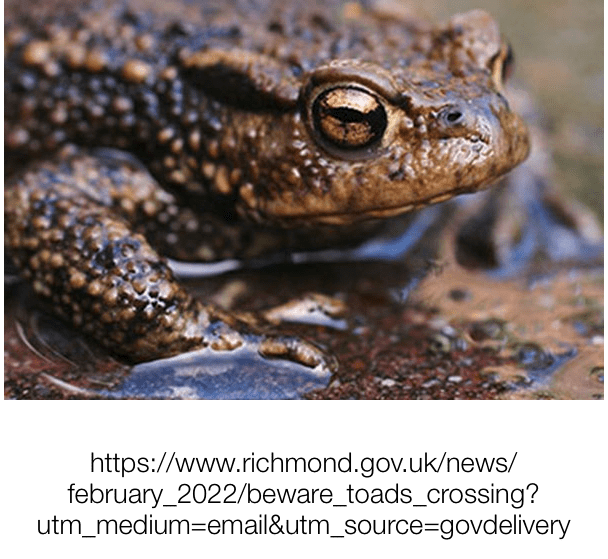
‘Toads which live on Ham Common are currently breeding and will make the 100-metre journey from their habitat to pools on the other side of the road to spawn for approximately three weeks.’ Our local council is temporarily closing this road to ensure the safety of the roads. Toad number have fallen by two thirds over the last 30 plus years largely because of the disappearance of ponds, ditches and wet ground which are part of their natural habitat. Toads are a gardener’s friend because they eat slugs and snails.