18th December 2021
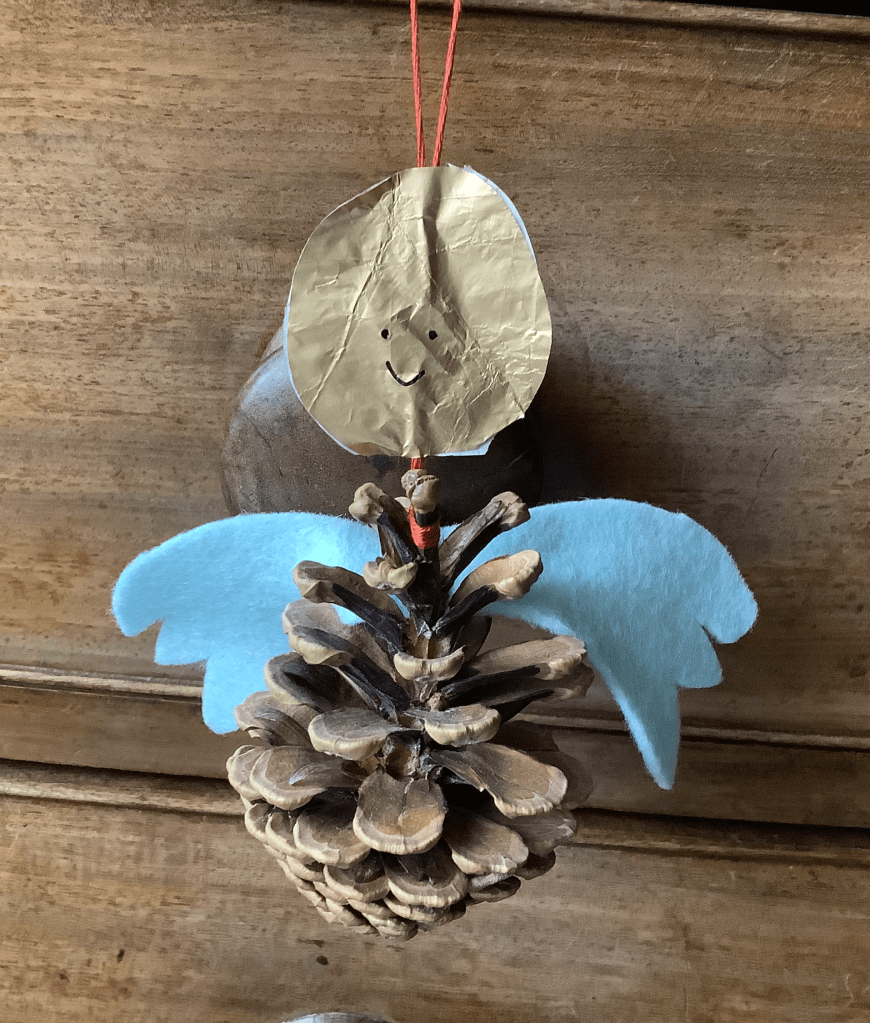
A pine cone angel: made from a pine cone, a gold paper/ thin card face all strung together with embroidery silk, and with wings made from felt and wedged into place (glue could be used for extra security).

18th December 2021
A pine cone angel: made from a pine cone, a gold paper/ thin card face all strung together with embroidery silk, and with wings made from felt and wedged into place (glue could be used for extra security).
9th December 2021
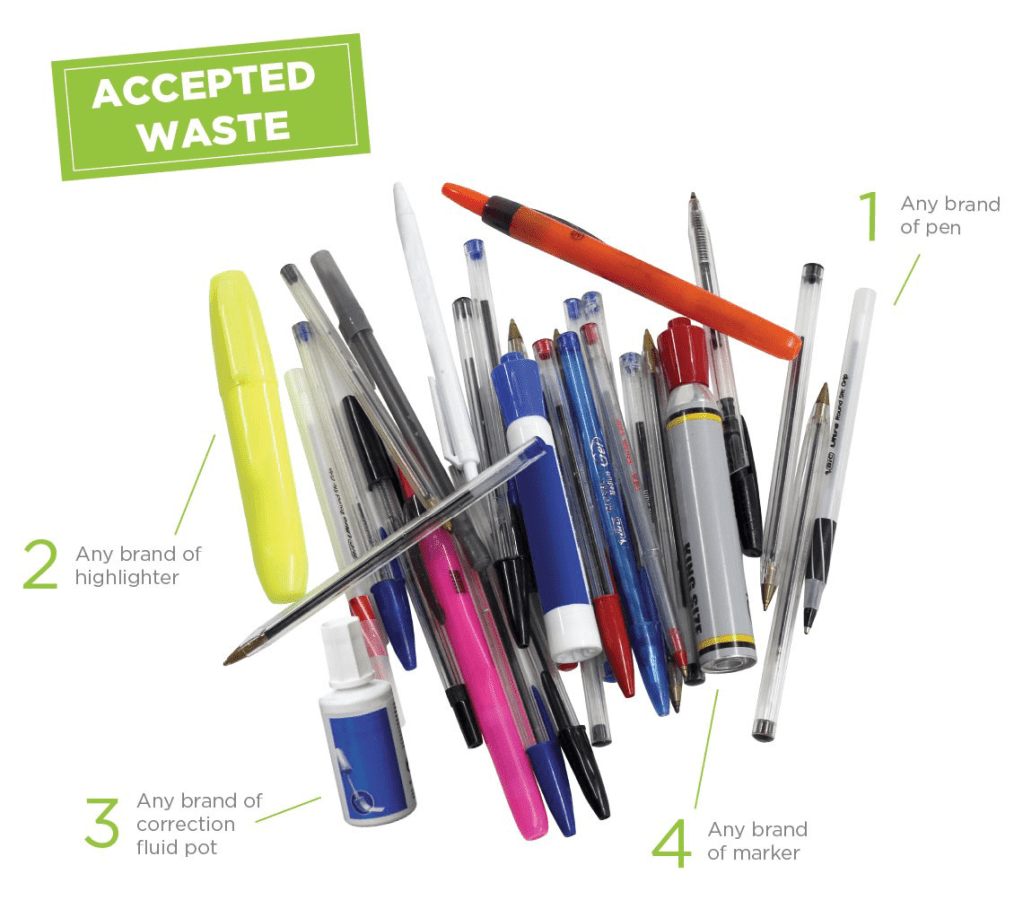
Pens can be recycled at Ryman stores who participate in the Terra Cycle scheme. This includes all writing instruments (except for wooden pencils and chalk) are accepted : Any brand of pen, felt tip, highlighter, marker, correction fluid pot, correction tape, mechanical pencil and eraser pen regardless of their composition.
Reduce reuse and recycle are the three “R”s for the well being of the environment. In the run up to Christmas use the three “R”s as often as possible. Take wrapping paper, for example:-
Reduce = buy less: it is easy to think I’ll just buy an extra roll in case we run out, only to find three half used rolls from last year.
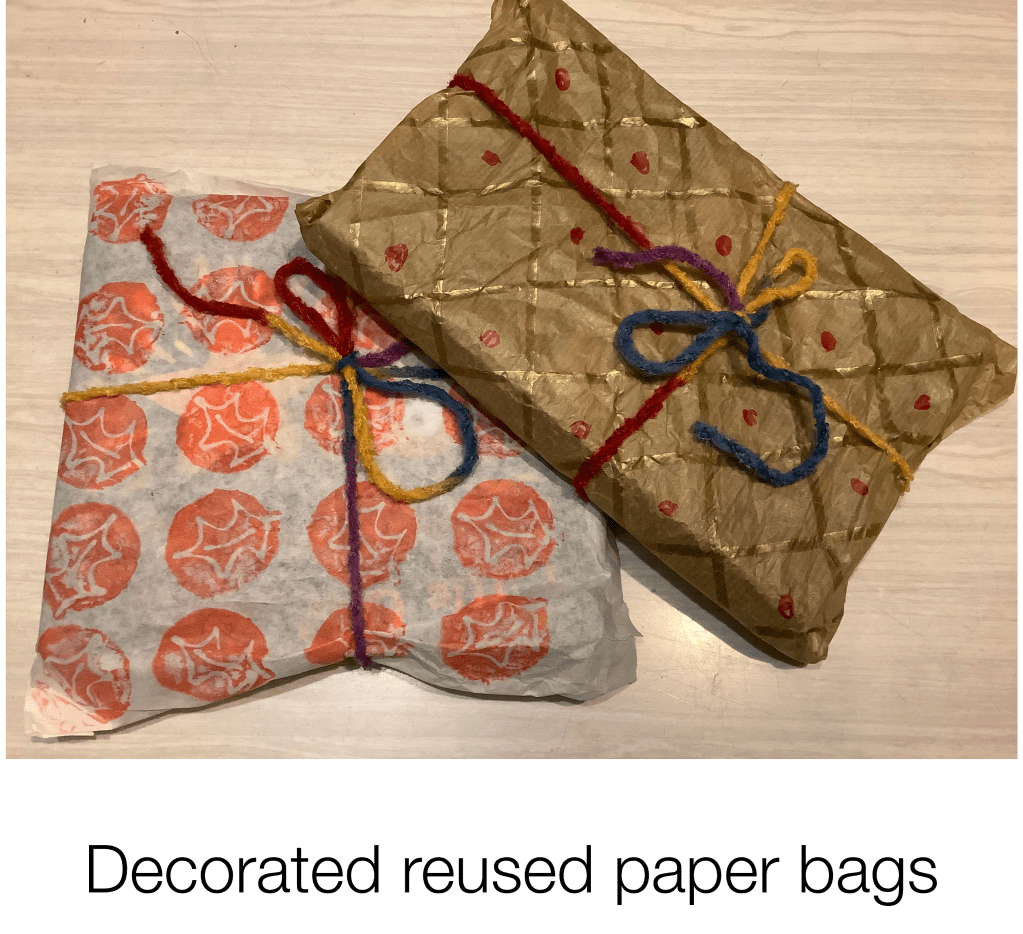
Reuse = make a habit of keeping wrapping paper after unwrapping your gifts. Flatten and fold it neatly ready to be reused. You can ease the future re usability of paper by using string or ribbon or elastic bands rather than sticky tape. You can also reuse things like paper bags or sheets of newspaper as wrapping – the Guardian’s middle page is often a full spread picture which can make an ideal gift wrapper.
Recycle = when the paper is beyond reusability, recycle it. NB plastic coated paper cannot be recycled – if after scrunching the paper it springs back, it most likely has plastic in it.
2nd December 2021
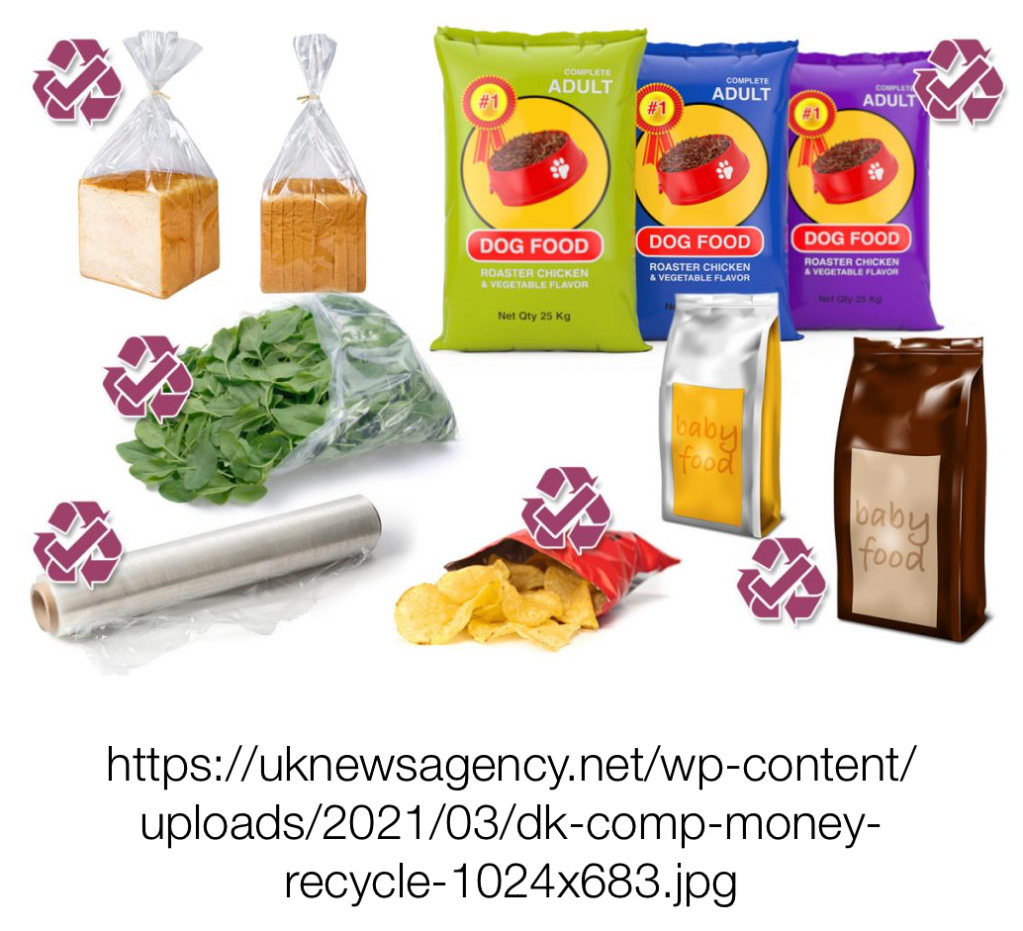
Updating an earlier Count Down action, more supermarkets are now collecting soft plastics for recycling. Soft plastics are best described as scrunchable plastics – plastics you can scrunch up without them cracking or shattering – such as plastic pouches for coffee beans, wrappers from packets of biscuits, the film from the top of a plastic tray, crisp packets, and plastic bags for rice and pasta. Most Coop stores collect soft plastics including those in Putney and Twickenham.; and some Tesco stores including Tesco Metro in Richmond. A trial is being operated by some Waitrose stores but not as yet here in London.
NB compostable packing even if it looks and feels like plastic can’t be recycled as plastic. Instead it should go in your compost bin or food waste bin.
E-waste
29th November 2021
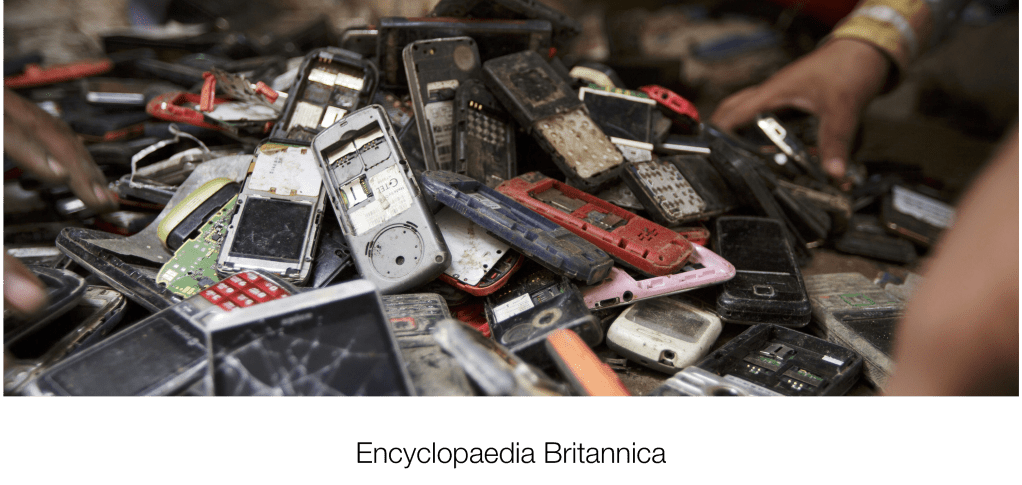
Material Focus estimates that as a result of Black Friday and Cyber Monday 5 million electrical items will either be thrown away or will simply be hoarded unused in a drawer or at the back of the cupboard.
What makes us so wasteful?
Is it the power of advertising? Is it the ‘keeping up with the Jones’s’? Can we not create an alternative fashion message that says sustainability is best, that longevity is beautiful, that minimalism is key?
Is it the lure of cheap bargains?
But perhaps they’re only cheap for those who buy now, with purchasers during the rest of the year making up the shortfall via higher prices? Perhaps only cheap when we don’t take into account the cost arising from damage to the environment? Perhaps only cheap because large numbers of the workforce have received pitifully low wages?
Is it the built in obsolescence of the items we buy? Phones whose batteries die after a few years? Software that can’t be updated? Things that cannot be repaired?
All this electrical and electronic waste is termed e-waste*, waste that ends up in landfill sites. There it can be a cause of pollution as poisonous chemicals leak out into the soil and water systems. And at the same time, it throws away valuable metals such as gold and silver, platinum, copper and cobalt, necessitating the mining of such metals in parts of the world where the safety of the workers and the environment receive little attention. (Maybe in years to come we shall be excavating land fill sites to recover valuable re sources.)
Globally the UK is one of the biggest producers of e-waste, second only to
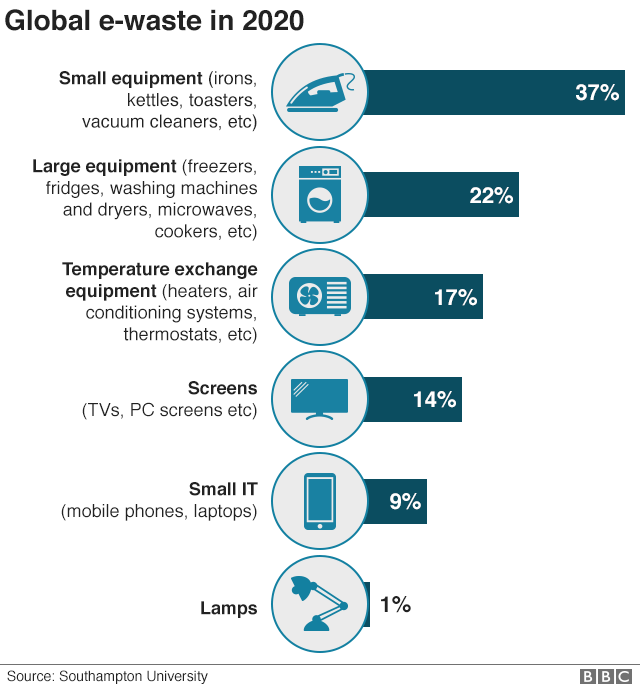
Norway. Each of us on average generates some 23kg of e-waste whilst the European average is just 16kg. We might think e-waste is dominated by last year’s iPhone but surprisingly it is items like kettles and irons that contribute most. Perhaps these are items are not designed to have a long life, or maybe because they’re are relatively cheap we don’t bother repairing them.
How can we reduce e-waste?
*(I feel there should be another e-waste descriptor for electronic junk mail, all those unwanted adverts, the photos we store in the cloud and never look at, films and books we download but don’t watch or read, the unnecessary emails we send – especially those long chains of emails that don’t need to re-forward the previous messages, or the send-all emails when only a few people need the message! These all have their own – albeit small – carbon footprint).
0.3g CO2e: A spam email
4g CO2e: A proper email
50g CO2e: An email with long and tiresome attachment
https://www.bbc.com/future/article/20200305-why-your-internet-habits-are-not-as-clean-as-you-think
28th November 2021
Even though it is late November there are still plenty of autumn leaves around – on the ground if not so many on the trees. And what amazing shapes and colours there are!
Why not collect some? And then press them between the pages of a heavy book to stop them curling up. Leaves and dried seed pods can be threaded onto embroidery silks to make beautiful and ecological decorations.

14th November 2021

Governments and world leaders have not take action that matches up to the structures of the scientists. Now it is up to us as the people. We are not insignificant. We have money to spend – albeit not as much as governments and the top “5 percenters” – and we have voices with which to speak out.
Consumer power saved dolphins from tuna nets, saved puffins by ending the use of sand eel oil in biscuits, saved veal calves and hens from cages, saved whales by ending the use of whale oil in cosmetics, saved minks from becoming fur coats … Consumer power has swung behind campaigns to wear seat belts, to give up smoking, to end drink driving. Now consumer power is seeing the end of single use plastic straws and plastic bags. Consumer power is feeding the growth of organic and vegan foods, and the popularity of vintage clothing. Consumer power is even increasing the number of cycles on the roads.
We can continue to use our money strategically to shape the world we want to live in. We can band together for greater effect. We can boycott products and service – even entire lifestyles – than damage our future.
We can be influencers and game changers. We can set the example, we can be there trail blazers. We can show others – individuals like ourselves, small businesses and big businesses, schools, civic groups and faith centres, local councils and governments – that this is the way we want to live.
We can write letters and petition. We can make posters and banners. We can write articles, we can blog and vlog. We can hold coffee mornings and parties. We can sing and we can be theatrical. We can inform and enthuse. We can demonstrate. We can speak out and we can speak up.
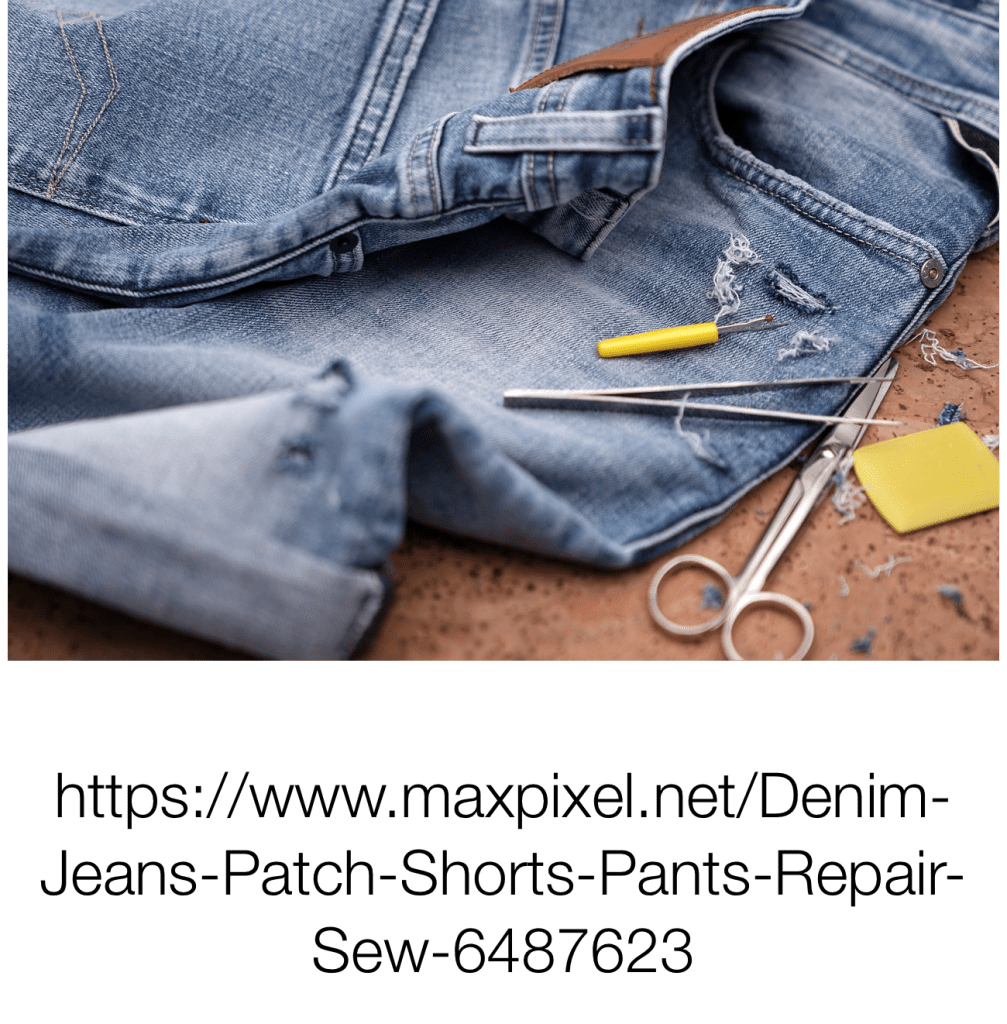
We can also be game changers by not spending money! Not everything we do, not everything we enjoy has to cost money. And things that are free seldom have a carbon footprint! A walk in the park. A chat with a friend. A wave to a neighbour. Giving presence not presents. Sharing and lending. Swopping and exchanging. Upcycling and cycling. Swishing and re fashioning. Repairing and recycling. So telling and singing. DIY and home baking. Growing and preserving.
We may feel that as one individual we can’t make a difference. We may be unsure what is the best action we can take. We may fear that we might fall under the bewitchment of green wash. We may fear that our best intentions may prove to be unwittingly destructive. We may be overwhelmed by choices before us, the flood of information that is out there, that we don’t even know where to start.
That is why we need to come together, to find like minded companions. To learn from one another, to encourage and support each other. To know that together we can make positive change a reality.
Next week’s Eco Tips will list some of the many organisations and groups that can help you find answers and/ or provide a framework for eco living.

How we use, spend or save our money, makes a difference.

Action 61: Recycle blister packs used for packaging tablets and pills. Superdrug have recycling collection points in all their stores. And not does that just recycle material that would otherwise go to waste, it also earns money which supports the Marie Curie charity.

‘A dog is for life, not just Christmas.’ A message created 40 years ago by the Dogs Trust and still valid today. The Trust encourages people to think carefully before buying a puppy, to thoroughly research the implications of being a dog owner, understanding the needs and demands a dog will make and assessing whether these are compatible with the family’s own lifestyle. And remembering that ability to,love and care for the dog needs to be there for the whole of its life span.
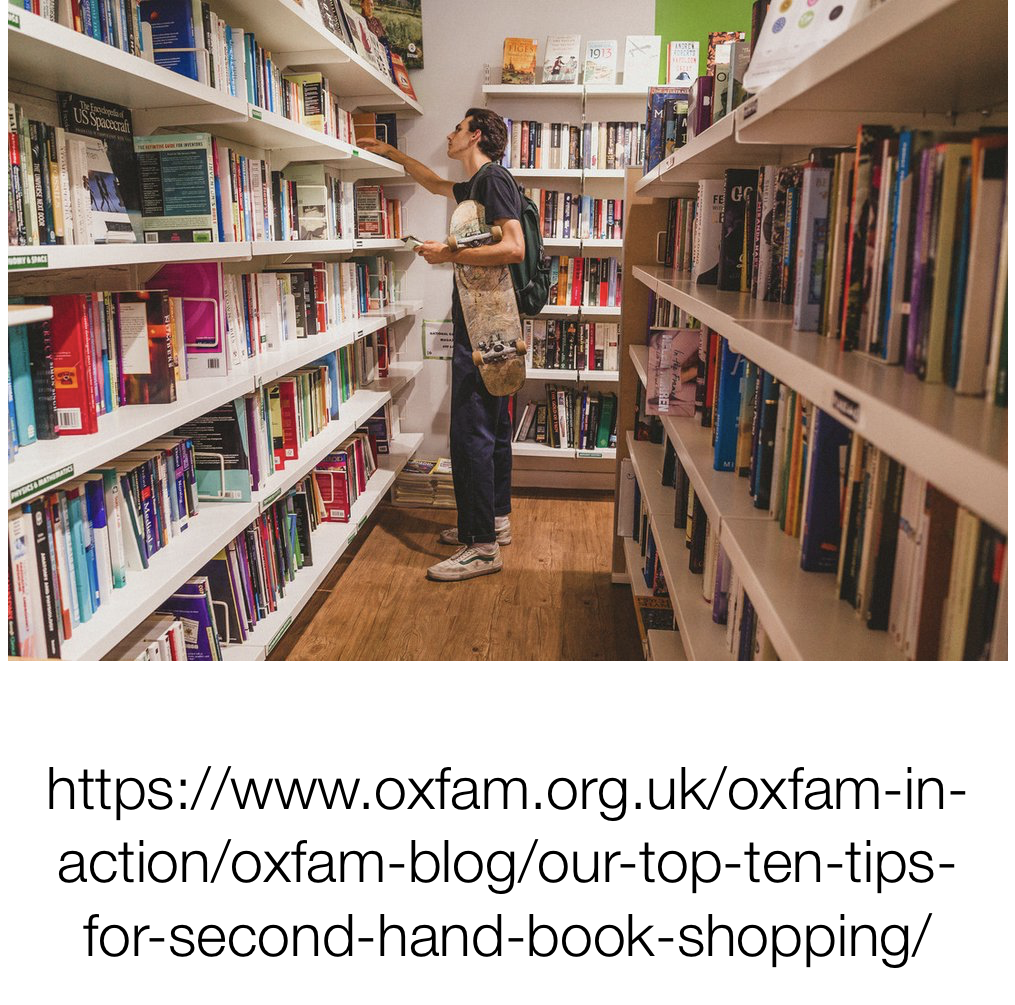
Each year scientists calculate how much resources are being used globally and the rate at which those resources are being renewed. Are we using more resources than the planet can sustain or less? In 1987 the first recorded Earth Overshoot Day was 23rd October. This year (2021) it was 29th July. We are consuming way more resources than the earth can sustain. In such a world we need to give the same consideration when we buy and use things, as we do when we buy a new pet.

 The Green Tau