Counting on 2026 …. Day 55

8th June

I am lucky enough to have space to grow strawberries and raspberries. I don’t garden with any particular skill but I do enjoy buying a bag of straw each year from the pet shop, explaining that it is for my strawberries!

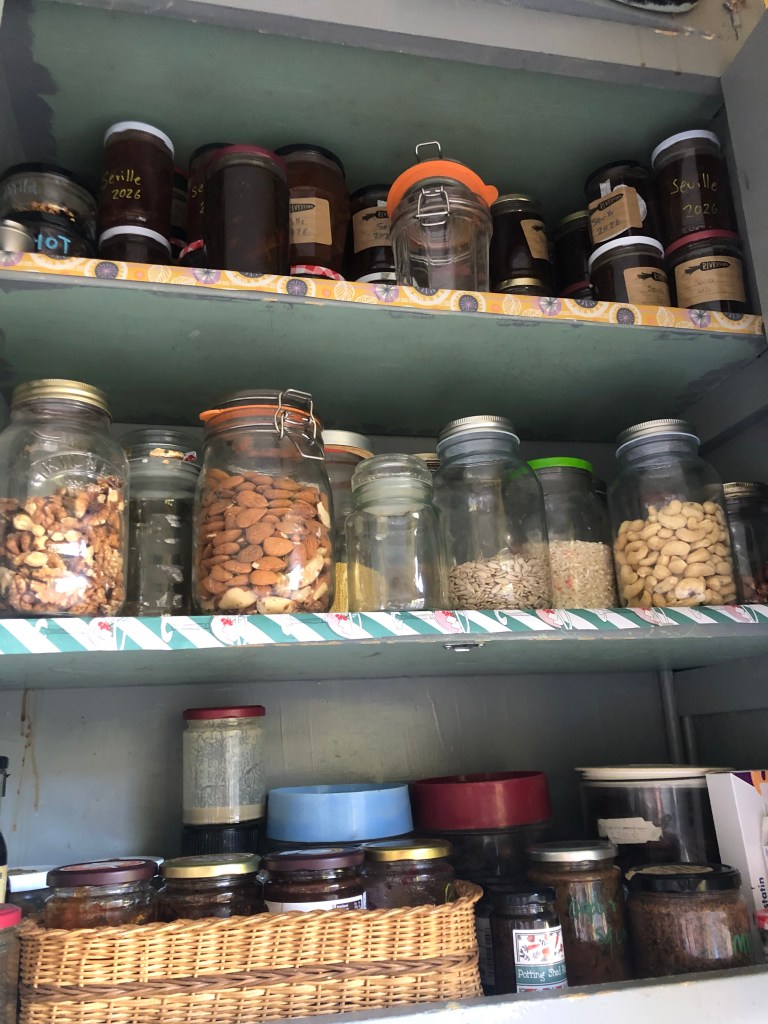
Now is peak fruiting time and every day I pick a pudding bowl of raspberries and strawberries. Those we don’t eat fresh I turn into jam – and in the winter I shall enjoy that taste of summer!

Growing fruit keeps me in tune with the seasons – I guess one would find the same with a traditional greengrocers too or a seasonally-minded veg box scheme. Growing fruit encourages me to preserve the excess: having grown it, I don’t want any to go to waste. 

Eating what is in season and preserving what is in season for later in the year, builds up our resilience. It helps make for a more sustainable lifestyle.

Counting on 2026 …. Day 54

5th June

“When communities know how to grow food, cook together, preserve harvests, repair tools and build things with their hands, they rediscover agency. They are no longer only consumers within vast systems. They become participants in shaping the places where they live.

“These practices also nurture imagination. They remind us that the future is not only determined by distant institutions. It grows through the habits and relationships people cultivate together.” (1)

Somehow – and there never seems to be enough time or enough volunteers and participants – we do need to learn these skills. If we learn them as a community we can share the learning responsibilities. We won’t each have to learn each skill, just ensure that enough of us learn some of the skills the skills, so that between us as a community we are properly equipped.

  1. https://substack.com/home/post/p-190602804

Counting on 2026 …. Day 53

4th June

Another quote from the Hazelnut Community: “Develop practical skills (kitchen, carpentry, machine repair, food processing, sewing, etc.) Teach these skills to children and friends, neighbours.” (1) 

I have recently had a go at mending our shed door – re-securing cross pieces where the factory installed staples had apart, this time using screws. A little auger that had come from a pst generation proved very useful in starting the holes, and an equally vintage screw driver finished the job. 

This makes me wonder a) where one would get such tools today and b) are such vintage tools hidden away in the backs of sheds/ drawers/ attics waiting to the be revitalised?

 a) they are available and are known as gimlets. b) yes and are available via vintage web sites.

(1) https://substack.com/home/post/p-190602804

Counting on 2026 …. Day 51

1st June

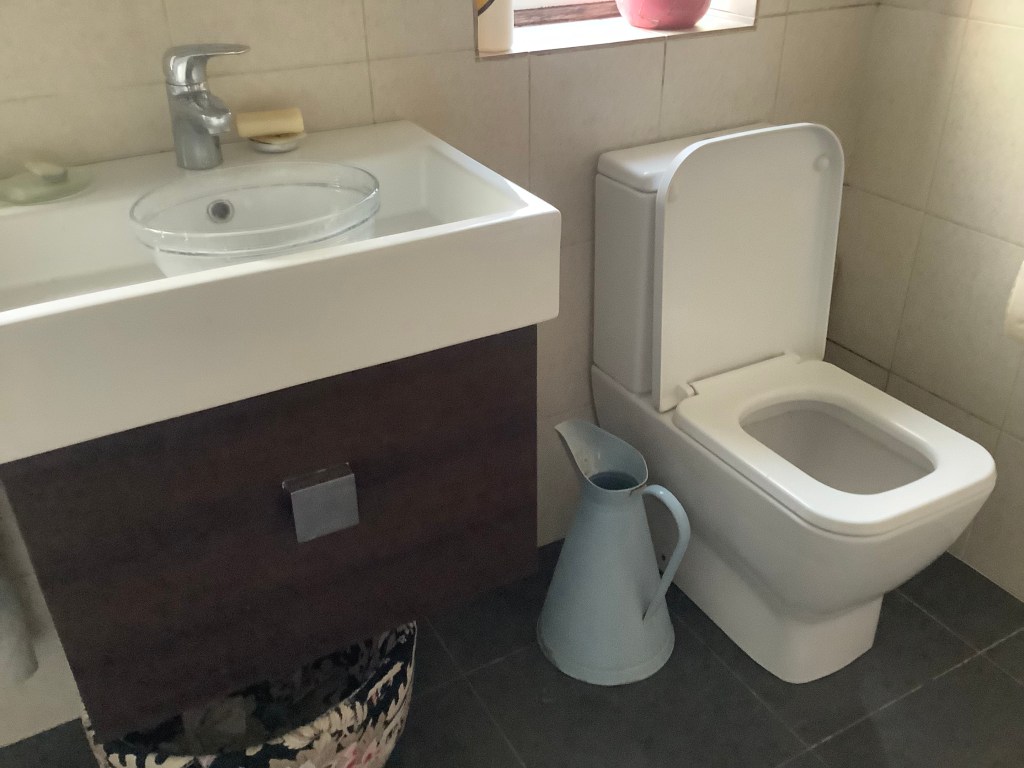
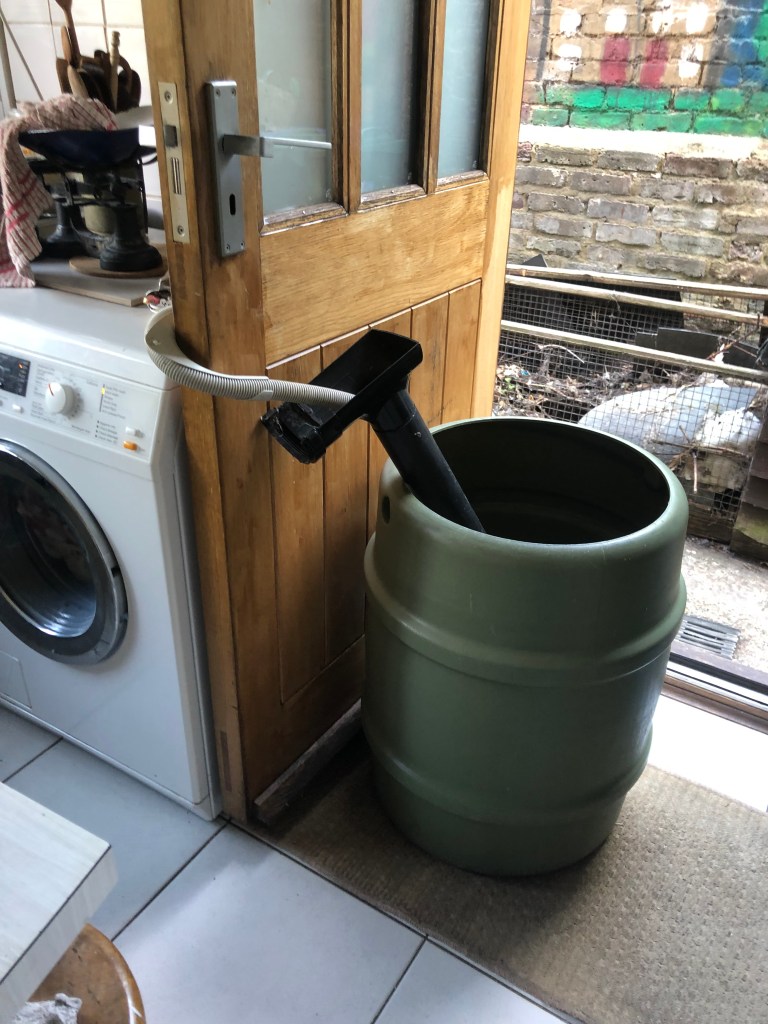
One step on from a water butt would be a rainwater harvesting system. This in essence is a large wtwr storage tank that collects and stores all the rainwater from your roof. Unlike a water butt it includes a filtration system to keep the water clean and a pump so that you can use the water for flushing toilets and running the washing machine – as well as watering the garden. 

Given the imbalance between winter and summer rainfall, and the increasingly likelihood of droughts and water shortages, such systems will become increasingly common and practical, and will increase our personal resilience and our community resilience.

For more information – https://www.renewableenergyhub.co.uk/main/rainwater-harvesting-information/rainwater-harvesting-information

Counting on 2026 …. Day 50

29th May

Caring for our water system is about caring for the environment and helping ensure that the system is resilient. Increasingly our weather is going to comprise wet winters with period heavy rainfall, and hot dry summers. 

Collecting rainwater in water butts helps in two ways. The obvious way is by providing a supply of water for the times when there is little rain – this can be used for watering the garden, or in times of real drought, can be used to flush toilet etc. 

The second way is to relieve pressure on the water drainage system by delaying the sudden rush of water into the system. This does presume your butts re empty before the storm comes – so there maybe some necessary preparation work before hand. You can install a water butt which releases one half of its content slowly over time leaving spare capacity for more water – https://uk.getwatersmart.com/product/buttinabox-butt-in-a-box-200l-waterbutt-kit-354

Or you can get  smart water butt! https://aquaiot.co.uk/smart-water-butts-rainwater-defence-against-flooding/)

Further reading – https://climateconnectionsplymouth.co.uk/wp-content/uploads/2025/05/Slow-the-Flow-booklet-FINAL4.pdf

Counting on 2026 …. Day 49

28th May

Caring for water is to be mindful of what goes down the drain. Waste water systems – drains, sewers etc – are not intended as general rubbish bins! 

They are not places for alien chemicals. Using only eco friendly laundry and washing up liquids makes sense. Nor are they places for wet wipes, paper towels or paper serviettes – these are design to be strong and absorbent and doing that means they  likely block the drain!

They are not places for oil and grease – wipe excess oil from pans etc using a paper and put that in your compost heap or food bin. Nor are they the place for paints, white spirit, varnish etc. Your local authority should have disposal facilities for these.

Drains are also not the place for waste food – this should go in your compost heap or food bin (the latter only should be used for items like meat, fish etc).

Counting on 2026 …. Day 48

27th May

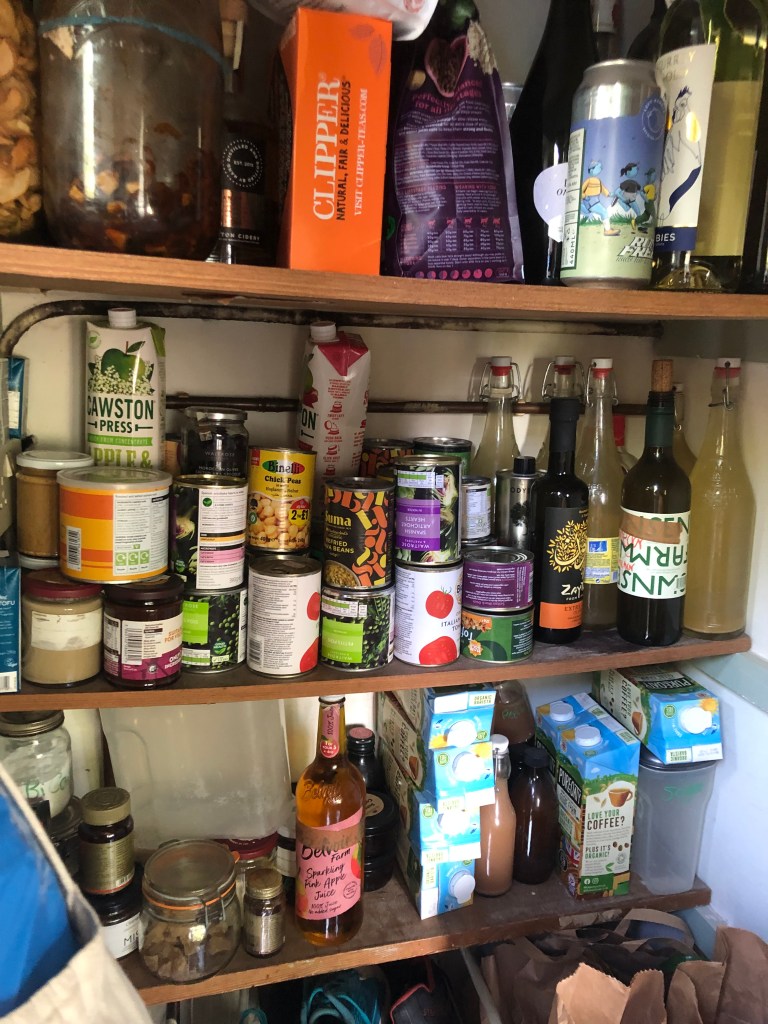
As part of being resilient, we aim to keep at least three days’ supply of food and water in the house. 

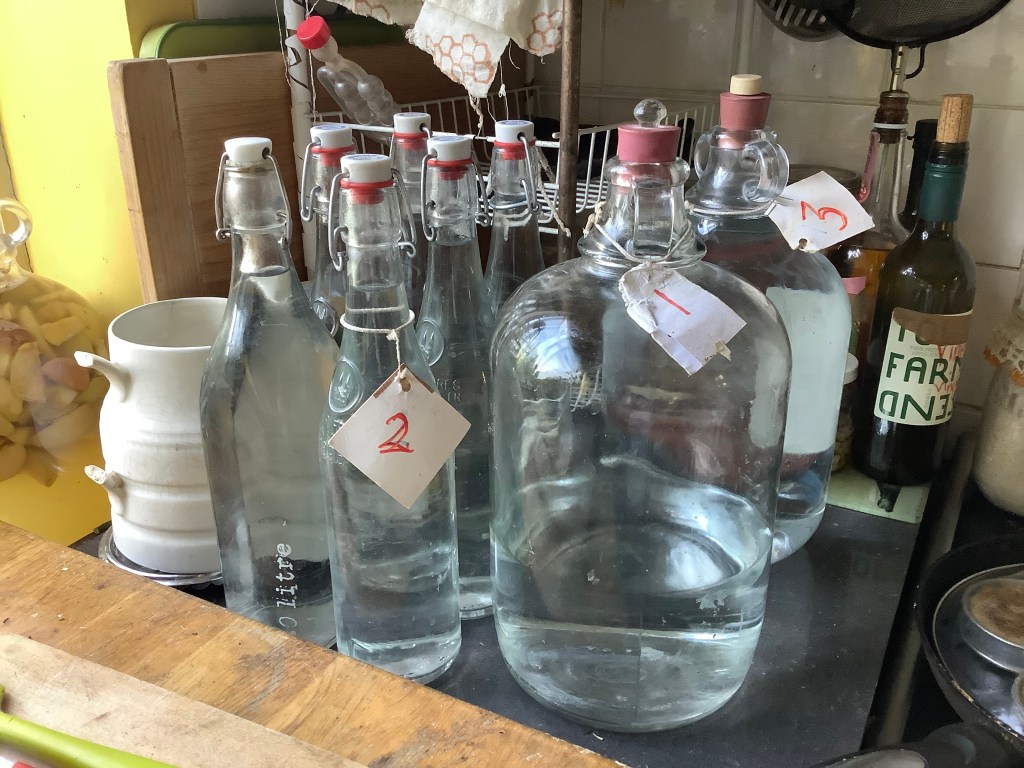
As part of these emergency supplies, I am loath to buy bottles of water which I would then have to replace when they reached their expired date – it would be expensive and would produce unnecessary waste. So instead we keep next to the sink a mixture of 1 litre kilner bottles and 4.5 litre Demi johns. These we use and refill on rotation (the bottles are numbered) to fill the kettle, make drinks, cook with and  wash up etc. The water in the bottles is thus seldom more than 24 hours old – and in this hot weather, we keep a couple of bottles in the fridge too.

Counting on 2026 …. Day 43

15th May

Living simply can sometimes be demanding! 

For me living simply is about making my own bread, cakes and biscuits, growing food in the garden, preserving the harvest for use during the rest of the year – making jam, chutney and pickles, bottling and drying fruit, making vinegar and maintaining a sour dough starter. In this way I hope to be closer related to the Earth, to reduce my ecological footprint, to eat more healthily, and be more resilient in the face of disruption.

I have been encouraged by further words from the Hazelnut Community:- 

“When a group of people gathers to make something from what the earth provides, they are participating in the ongoing life of creation. They are receiving from the earth, working with its processes, and redistributing what is made within the community.

“Making food, preparing remedies, and preserving what has been grown are not simply functional acts. They are ways of participating in the life of a world that is held within God.” (1)

  1. https://substack.com/home/post/p-190602804

Green Tau Issue 121

1 December 2025

Emergency resilience part-  1

How would – how will  – we cope with an emergency? The increasing scale of the climate and biodiversity – and the crisis in social injustice – means we may well be faced with any number of different and probably overlapping emergencies.

  • flooding that effects us and our homes directly or flooding that interrupts the services we rely upon – sewage disposal, clean drinking water, electricity, transport, access to shops, schools, medical centres, etc
  • Storms that damage our homes directly or which bring down trees blocking roads, cutting off power supplies and telephone cables, preventing access to shops, schools, medical centres etc. Storms are not limited to the winter months, and in summer months trees in full leave may catch more wind and be at a greater threat of falling. Hot, dry spells can put trees under stress increasing the likelihood that they may fall or loose branches. Whilst many parts of the UK now receive less rain than previously, it can more often come in a very intense rainfall where a significant amount of rain falls within a short time frame, and so trigger flooding.
  • Snow that likewise might disrupt services including electricity, transport, access to schools, shops, medical centres etc; which might actually block in our homes; and which when it may cause flooding and further disruption.
  • Cold snaps that can be particularly concerning for the old, the young and the frail, as people find it hard to keep warm. This will also be a particular concern for those with limited incomes who cannot afford to heat their homes. Like snow, frost and ice can make it more dangerous for people getting out and about – and again affecting particularly the old and frail. 
  • Heat waves are a particular concern for, again, the old, the young and the frail, whose bodies are less able to cope with high temperatures. And again people with limited incomes, living in small homes which may not have the capacity for through air currents or which may have large glass windows filling the majority of an outside wall, may particularly struggle to keep their homes cool. Such households are also less likely to have access to a garden and less likely to live in areas where tree-lined streets maintain lower temperatures.
  • Pandemic outbreaks are also more likely threats as global temperatures rise. Having experienced Covid we know how such an outbreak can create nationwide difficulties.

How will we know if an emergency is on the horizon? How much warning will we get? 

Keeping a check on the news and weather forecasts is a practical starting point.

You can sign up for weather alerts from the Met Office and from the UK Health Security Agency which can flag up weather conditions (such as heat waves) that may be a particular health risk. And everyone with a mobile 

phone will receive alerts from the Government in the case of  major emergencies. For more information visit the government webpage https://prepare.campaign.gov.uk/get-prepared-for-emergencies/alerts/

Emergency planning – local authorities will have emergency plans in place. Use a web search to find out what your local authority has in place. 

You will find that they in turn suggest that each household also prepares an emergency plans – what are the specific risks and difficulties that you might face? What is the best escape route from your home? Do you know where to turn off the water/ electricty/ gas supplies in your home? Who should you phone in an emergency?

If you get separated from other household members, where will you meet up? Are there two different places where you know you could be offered temporary accommodation? (And can you offer the same in reverse?) Do you have a first aid kit, emergency supplies, a Grab and Go bag? Are there neighbours you should look out for? Is there a community hub that would be a place to seek refuge?

Emergency planning will likely need to cover three different scenarios.

  1. Having to stay put in the home with no access to outside support. This might be the scenario if there were a heavy fall of snow or a period of very cold/ very hot weather, or the outbreak of a pandemic.
  2. Having to evacuate one’s home with little or no notice. This might be the scenario if there were a flash flood, a wild fire or a chemical leak.
  3. Not being able to get back home ( eg for those at work, at school, visiting friends etc) because transport has been disrupted by weather events or power outages etc.

The first scenario of staying put has given rise to the advice – given both here in the UK (low key) and across Europe (more loudly) – that households should maintain a stock of supplies that would meet their needs for 72 hours – three days.

The second scenario of having to leave in a rush, has given rise to the advice of preparing a Grab and Go bag.

The third scenario of not being able to get home is less often considered, but would probably give rise to something similar to the preparation of a Grab and Go bag – but who would want to carry that around? For those who regularly use a car, keeping a Grab and Go bag there would be a more convenient option. Maybe this option should be the Have to Hand kit?

72 Hour supplies – what might this include?

Food – this needs to be food with a long shelf life – dried and tinned as opposed to frozen (freezers don’t work during power cuts. If there were a power cut, it would also be sensible to ensure that much of the food is such that can be eaten with little or no cooking. Most tinned food can be eaten cold although some options may be more palatable than others. Oats can be eaten raw or after soaking. Dried fruit would be excellent as would biscuits, crackers and oat cakes, plus jam, yeast extract, nut butters etc. if you have a camping stove you would be able to make hot drinks and cook simple foods such as pasta, millet and quinoa. UHT milk and fruit juice, and tetrapacs of tofu and cream would be another addition. Pickles and saurkraut have a long shelf life, and you could also store bottled fruits and vegetables – maybe jars of olives? Dried food is another option – provided you have enough water. And a couple of bars of chocolate may be very welcome in an emergency!

To buy everything you need in one go might be too expensive but you could build up your stores over time. When you finish something you regularly use, replace it with two then you will have one to use and spare in hand. To ensure everything is in date, do use and replace what you have in your store cupboard on a regular basis. 

Hopefully even if you have to rely on your 72 hour supplies, there won’t be a power cut, and it would be sensible then to keep in your stores things you regularly use and enjoy. You might make sure you always have enough onions, root vegetables, apples and bananas to hand, packets of tea and coffee etc. If you do a big shop every week try and make sure that even on the day before you do that shop, you still have enough food to last 72 hours. Think of this as keeping a well maintained pantry! 

If you have pets, include in your stores enough food for them too.

Water – a minimum of 2.5-3 litres of drinking water per person per day is recommended by the World Health Organisation. You may also want to store extra water for washing etc – say 10 litres per person. You may have a cold water tank in your house that feeds the bathroom and toilets – if you don’t use the shower/ bath and only use waste water (eg washing up water) you may well have enough water there for hand and dish washing to last three days. But for drinking water you might store bottled water (make sure you keep checking it is  in date, or might refill clean demijohns with sufficient water for three days, and rotate and refill these on a daily basis. 

Another item you might add to your supplies would water sterilising tablets in case there is a risk that your tap water is temporarily tainted.

Medication – make you sure you always have at least three more day’s worth of any medication you take regularly. At the same time make sure you keep an upto date first aid kit, plus supplies of whatever painkillers, antihistamines, indigestion tablets, sore throat medications etc that you would normally use. As well as keeping an upto date first aid kit, add in a first aid manual and if you can, undertake some first aid training.

Torches and radio – in the event of a power cut, having fully charged torches and a radio will be useful and either spare batteries or opt for a windup torch/ radio. A fully charged power bank for recharging mobile phones would  also be useful. You might consider a solar powered power bank.

 Clothes etc –  you might want to stock up on extra layers so that in case of a power cut and/ or cold snap, you can keep warm – fleeces, woollen hats, extra thick socks, blankets and sleeping bags,  thermal underwear etc. Equally you may already have enough in your cupboards. Assuming you not coping with a power cut, but cold weather, hot water bottles are good for warming beds and making people feel cosy.

Wellington boots would be good and maybe a snow shovel.

In the summer, wet towels to hang over the windows can help cool your home – as can closing both curtains and windows in the morning before it gets hot and opening them in the evening to allow in cool air. Maybe some traditional paper fans would also be useful.

Hygiene – make sure you have a sufficiency of toilet paper, hygiene products, toothpaste etc to last three days – which perhaps really means don’t leave replenishing your normal stocks until the last minute. A bucket would be useful for collecting waste water from any washing of hands or plates, or for rainwater which can be used to flush toilets if the is an outage/ shortage of water. Another addition for your stores, would be hand wipes and sanitiser – again do check their dates and use and replace them as necessary. 

Entertainment – maintaining mental as well as physical health is important. Being stressed is wearing and doesn’t always help us to make good decisions. If we are housebound for three days we may also get bored. Books, playing cards, jigsaws are all self sufficient when it comes to electricity. Telling stories, playing words games, charades etc are also good options. And maybe pencils and paper for more games, doodles etc.

Grab and Go bag – what might that contain? The following suggestions come from West Berkshire Council.(1) 

Ideally they should fit into an easy to carry rucksack.

  • essential/prescribed medication, plus asthma and respiratory aids
  • hearing aids
  • glasses/contact lenses
  • useful phone numbers – have these as a paper copy in case your phone runs out of battery 
  • mobile phone and charger
  • house and car keys
  • money and credit cards
  • first aid kit
  • basic toiletries (for example: toothbrush and toothpaste, sanitary towels)

Other essential items (this will vary according to your needs and the weather):

  • supplies for babies and small children
  • food, milk formula, drinks you use, food bowls, sterile bottles, sterilising tablets
  • change of clothing
  • nappies and wipes
  • toys, books and activities
  • food and water (canned or dried food, snacks, bottled drinking water)
  • special food needs
  • clothing and equipment
  • warm, wind and rainproof clothing
  • strong shoes for outdoors
  • waterproof torch and spare batteries (check regularly)
  • radio and spare batteries (check regularly) (perhaps you could consider getting wind-up torches and radios)

Other items to consider:

  • copies of insurance documents
  • anti-bacterial hand wipes/gel
  • blankets and sleeping bags
  • sun hats and sunscreen
  • rubbish bags
  • thermos flask

The  Red Cross also suggests a whistle and pencil and paper. 

Another useful item might be a high viz vest. 

Some of these items I would keep permanently in handy bag – and check and replace items on a regular basis – but I’m not sure I would be able to justify keeping a separate set of waterproofs, clothes, phone charger etc there too. Maybe I could use the Grab and Go bag to store my phone charger when I’m not using it. Maybe I could keep the bag next to where I keep my waterproofs. Maybe I could keep spare blankets, sleeping bags etc in with my 72 hour supply pantry so that everything is one place ready to grab. 

Have to Hand kit – this sounds like it would be a subset of the Grab and Go bag, and might therefore contain some of the following.

  • essential/prescribed medication, plus asthma and respiratory aids
  • hearing aids, glasses/contact lenses – I always wear my varifocals. What I will do is put my spare glasses in the Grab and Go bag.
  • useful phone numbers – I will put these into my diary which I always take when going 
  • mobile phone and charger – these I do routinely carry when going out
  • house and car keys – ditto but for car keys substitute bike keys
  • money and credit cards – ditto
  • first aid kit – this I think would be more than I want to carry daily. When I am out and about in London I feel I can rely on there being first aid kits in shops, offices, stations etc.
  • basic toiletries (for example: toothbrush and toothpaste, sanitary towels) – 
  • Waterproofs if rain is forecast, and/or sunhat and sunscreen in summer
  • strong shoes for outdoors
  • waterproof torch and spare batteries (check regularly)
  • radio and spare batteries (check regularly) (perhaps you could consider getting wind-up torches and radios)
  • Snack and refillable bottle of water – plus the reuse cup I carry for coffee.
  • Pen 

( 1) https://www.westberks.gov.uk/article/40632/Creating-an-Emergency-grab-bag