Any alterations made to reduce carbon emissions need to be sustainable in the long term. Simply switching all combustion engines for electric ones is not sustainable as each new electric engine will make unsustainable demands on rare minerals. Further mining such minerals where they are found in less developed countries often leads to the exploitation of people and pollution of the land.
Sustainability can be improved by the frequency with which a vehicle is used. A car that spends most of its life parked in the road, is not a sustainable use of limited resources, where as a bus or train that is in frequent use, carry larger numbers of people is a more sustainable option.
Active travel is always a good option with low emissions and significant health benefits!
Do our holidays adversely impact on the environment? Googling eco friendly holidays, I am surprised how many website focus on the eco credentials of the destination but not the mode of travel. This is not always the case and some websites do give advice on flight free holidays. Nevertheless the transport element of our holidays usually contributes most to its environmental impact.
“Global tourism accounts for about 8% of total greenhouse gas emissions and transport between origin and destination explains three quarters of this impact” (1) Cutting out flying will benefit the environment most. After that saving has been made, cutting back on the distance travelled will also have an impact. (2)
Some years ago, I took the decision not to fly and Paul has fallen in with this, even though he still regrets the places he may not now visit, and listens with a bit of envy when others tell of their latest overseas holiday.
What we do do is to travel by train, both here in the UK and across Europe – and have done for many years, both with all three children from when they were young, to now when it is just two of us. You can, from London, reach Berlin and the Swiss Alps within the day – alternatively there are now a growing number of sleep services across Europe.
We no longer have a car. The one we had received little use in recent years – its main function being to take Paul’s model railway to exhibitions. We had very much decided that the car was only there for when there was no alternative means of getting from A to B – a decision that became a habit. Being both non ULEZ and increasingly prone to developing faults, Paul finally took the offer of scrapage for the car.
Living in London we have the advantage of a good public transport network which gets us most places and if need be we can take a taxi. Most of day to day travel is on foot or by cycle.
“A carbon tax is a tax levied on the carbon emissions from producing goods and services. Carbon taxes are intended to make visible the hidden social costs of carbon emissions. They are designed to reduce greenhouse gas emissions by essentially increasing the price of fossil fuels. This both decreases demand for goods and services that produce high emissions and incentivises making them less carbon-intensive.” https://en.wikipedia.org/wiki/Carbon_tax
Many definitions of a carbon tax say it is designed to address the social cost of carbon emissions which is interesting. There is certainly a social cost in terms of threats to the stability of social systems, but the carbon tax (surely?) should aim to tackled those threats -physical ones arising from adverse weather and rising sea levels, and economic ones rising from the adverse affects of climate change on growing crops, ensuring a healthy work force and protecting commercial buildings from damage.
The aim of a carbon tax should be to reduce and ultimately curtail the use of fossil fuels, whilst at the same time encouraging the development and use of alternative renewable energy. There will be a transition period as rapid changes cannot be made overnight.
For example, to make transport systems free of fossil fuels, needs the development and delivery of sufficient electric vehicles, associated charging points and a proportionate increase in renewable energy supplies. It might also need to develop a wider spread, more frequent and affordable public transport system as a means of making best use of the resources needed to make both vehicles and batteries. A carbon tax would be too blunt an instrument to achieve all these changes unless supported by legislation outlining the changes needed, and by grants and subsides to enable smaller and more vulnerable businesses and customers to make the transition.
The most environmentally friendly way of getting around is by walking or cycling – and it has the added benefits of being good for our physical and mental health. If you live in an area that is the equivalent of a 15 Minute City (https://greentau.org/2021/07/17/the-green-tau-issue-8-18th-july/) then it is easy to make all your daily journeys to the shops, the doctors, the gym, the school, the library, the park, the station on foot or by cycling.
Adopting active travel as your default mode of getting around may take a little practice at first. It is also worth sorting out the right clothes and equipment appropriate to different weather conditions, lighting levels and whether you need to carry things like shopping –
Public transport is also an environmentally friendly way of travelling – shared between users it makes best use of resources and road space. Of course it is easier switching from private car to public transport if you live an area with a good public transport network. Maybe experiment with a weekly car-free day or work towards a car-free Lent.
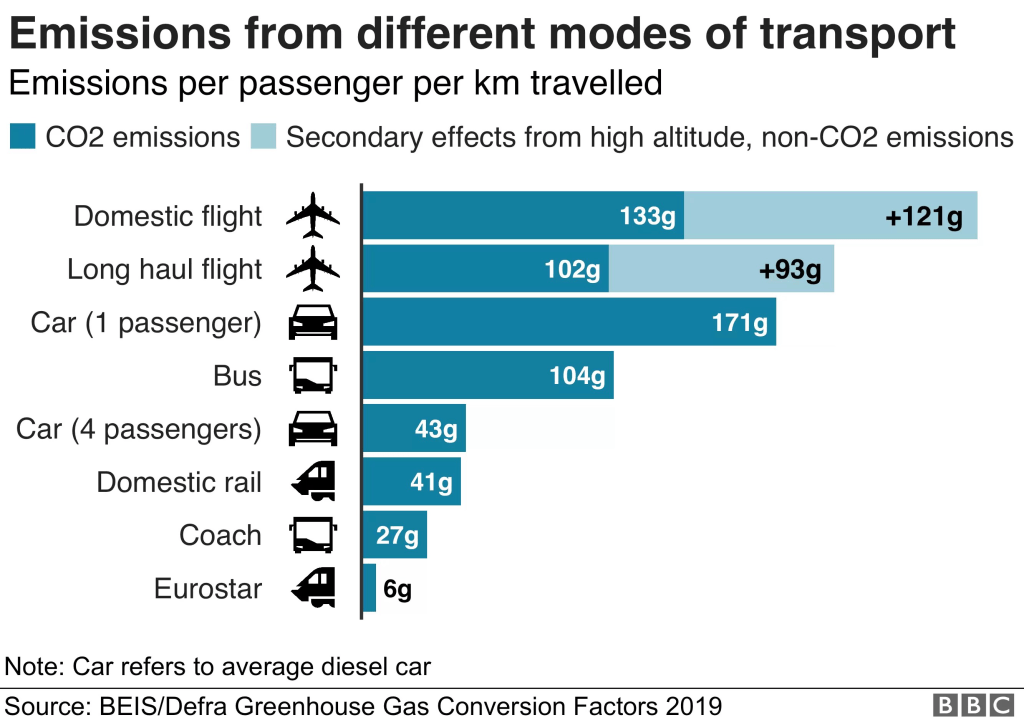
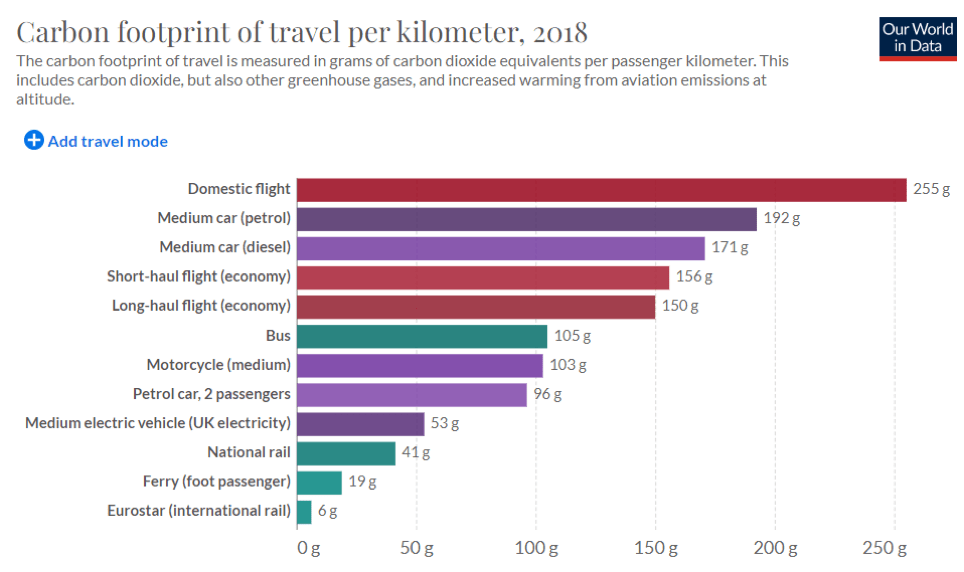
How we get from A to B has a significant impact on our carbon footprint. This chart shows the relative carbon footprint of different modes of transport.
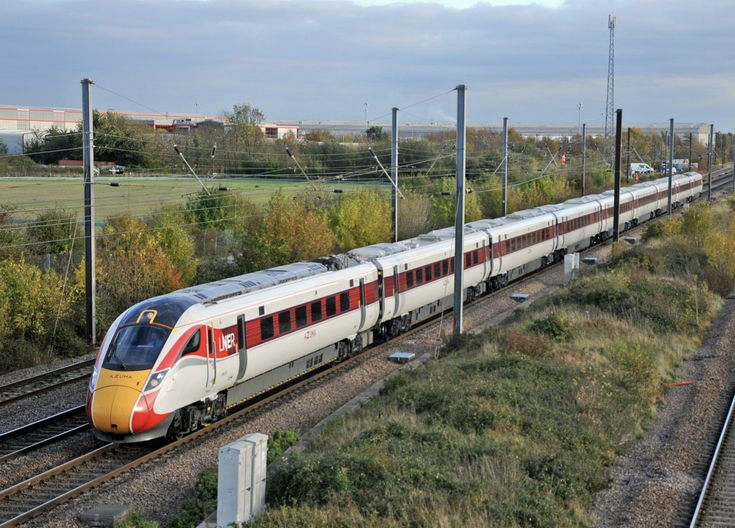
Action 32: Rail electrification – compared with 100% in Switzerland, 55% in France and 48% in Germany, only 38% of Britain’s railways are electrified. Trains across non electrified tracks are pulled by diesel engines enlarging Britain’s national carbon footprint. Why not contact the Department for Transport and ask what plans there are for increasing the amount of electrified rail track in the UK? To contact the Department use this link: https://www.smartsurvey.co.uk/s/ZVVFD6/
Transport in the UK (the getting from a to b and back rather than the transporting of goods) accounts for about 20% of the average person’s carbon footprint. If we are to achieve net zero by 2050, reducing – or actually zeroing – transport emissions is critical.
There are two key means of transport which are already carbon neutral: walking and cycling. Whilst long distance walking or cycling may not be the most practical ways of getting around, they are ideal means of making all those short journeys. Approximately 60% of journeys of less than 2 miles are currently made by car. Walking and cycling are not just good for the climate, they are good for our health too!
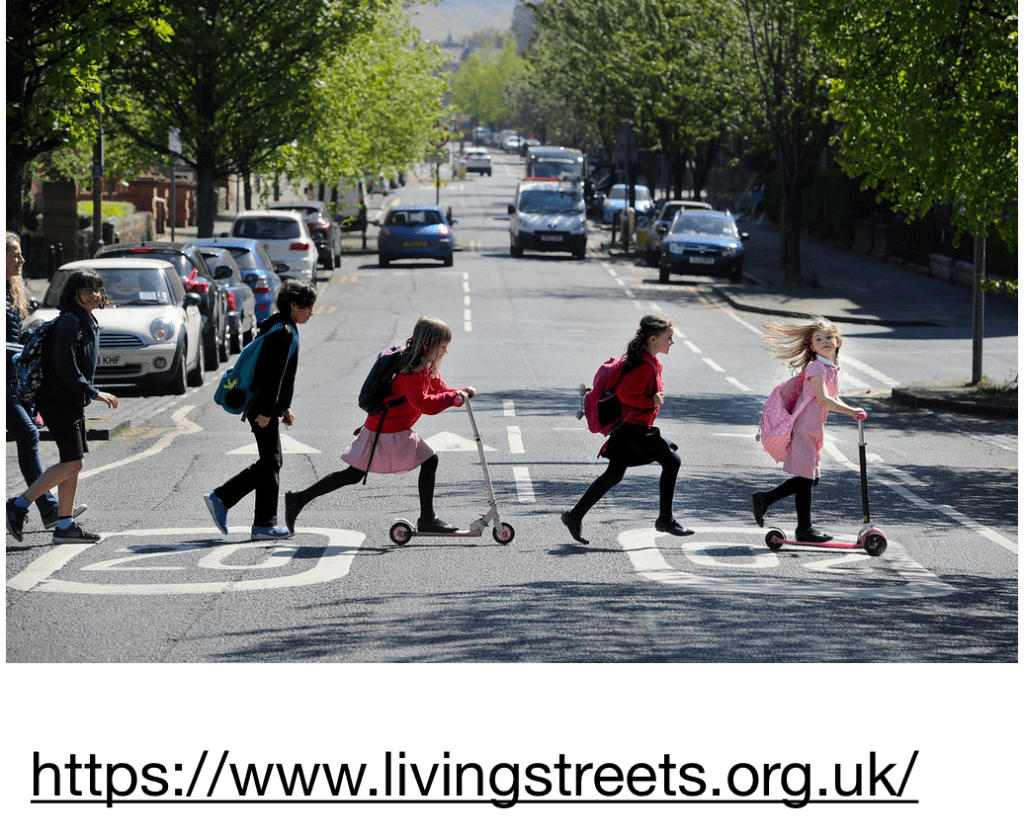
As well as walking and cycling ourselves, we can also be active in pressing our local authority and the government to do more to support cycling with the provisions of cycle lanes, cycle parking, cycling courses, subsidised cycles for those with disabilities and for those on low incomes. Living Streets is a charity that promotes and enables walking. One of its aims is to increase the number of children walking or cycling to school. A generation ago, 70% of pupils walked or cycled to school; now it is less than 50%.
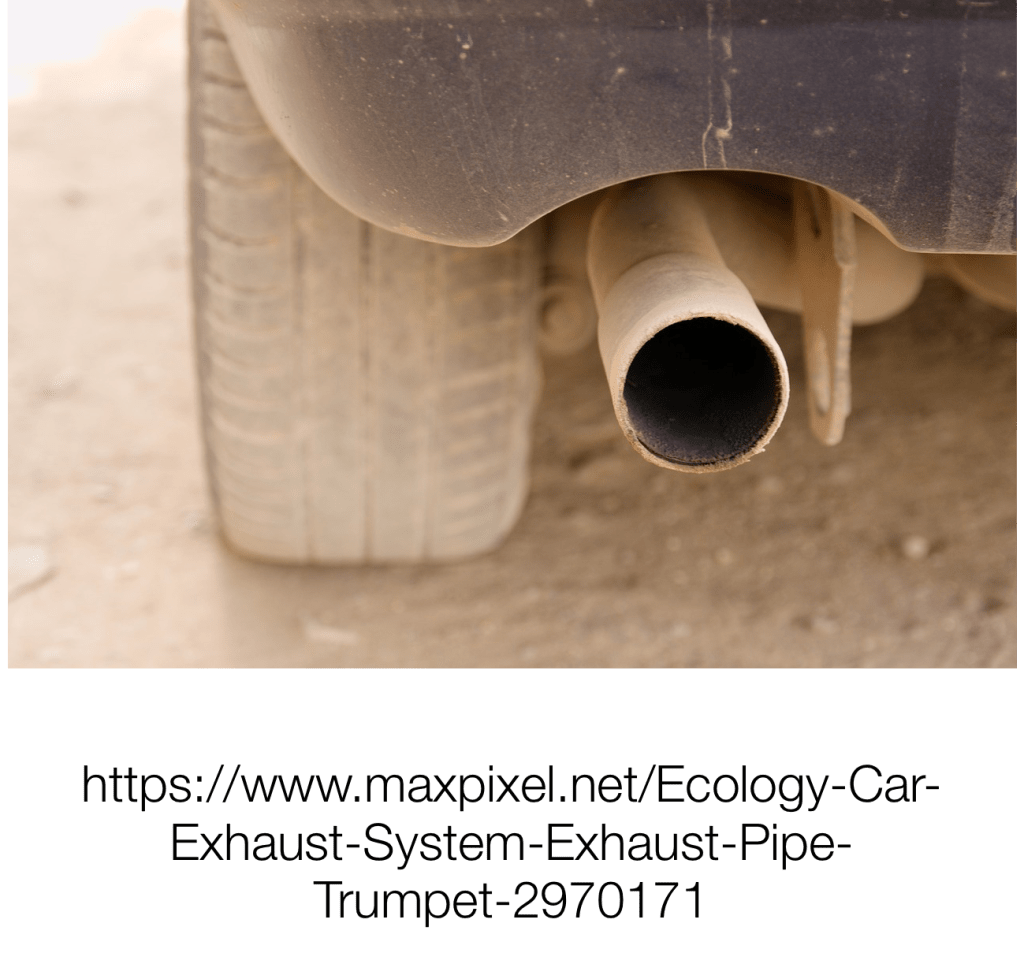
There are 32,697,408 cars on the road in the UK – and most are quite literally on the road – parked that is! Only 0.5% meet the ultra low emissions standard, ie hybrid vehicles that produce less than 75 grams of CO2 per kilometre from the tail pipe and electric vehicles that produce zero emissions. In other words most cars in the UK are heavy polluters both in terms of greenhouse gas emissions and in terms of air polluting chemicals and particulates. Air pollution caused the deaths of 15,000 people in 2019.
Reducing or eliminating the use of fossil fuel cars will substantially reduce the UK’s carbon footprint. Where journeys cannot be made on foot or by cycle, public transport offers a more carbon efficient alternative, whilst at the same time reducing congestion on roads. Most of Transport for London’s bus fleet are either electric or meet the ultra low emissions standard. Ideally similar policies should be implemented in other parts of the country. This is dependent upon Government disposition and funding. Levelling up should include levelling up access to frequent, reliable and affordable public transport.
Public transport includes trams (electric), coaches and trains. Disappointingly only 38% of the UK rail network is currently electrified compared with 55% in France and 100% in Switzerland. Nevertheless for UK rail passengers emissions average out at 35g per passenger km. This compares with 100g (small fossil fuel car) and 200g (large fossil fuel car) per car per km. Rail travel will
need to continue to grow to achieve net zero targets, replacing not only car journeys but air flights too. Short haul flights give rise to a particularly high level of emissions – 254g per passenger km. Travelling from London to Berlin by plane has a carbon footprint of 160kg compared with 40kg by train. Even by train, the journey can be made in a day, and increasingly there is now the option of making the journey overnight.
Long haul flights are an even greater concern vis a vis net zero targets. A return flight from London to New York emits around 3.3 tonnes of CO2 per person – ie about one third of the average carbon footprint for someone living in Britain. It is hard to see how continuing to make such journeys can be compatible with a net zero target – yet many people will have good reasons for wanting to do so – eg to visit close family. Some companies offer carbon offsetting packages where you pay to enable someone else to reduce their carbon emissions, or where you pay to plant trees etc that will at some future date absorb sufficient CO2 to equal what you have already generated. What it does not do is to eliminate or reduce carbon emissions in the present moment.
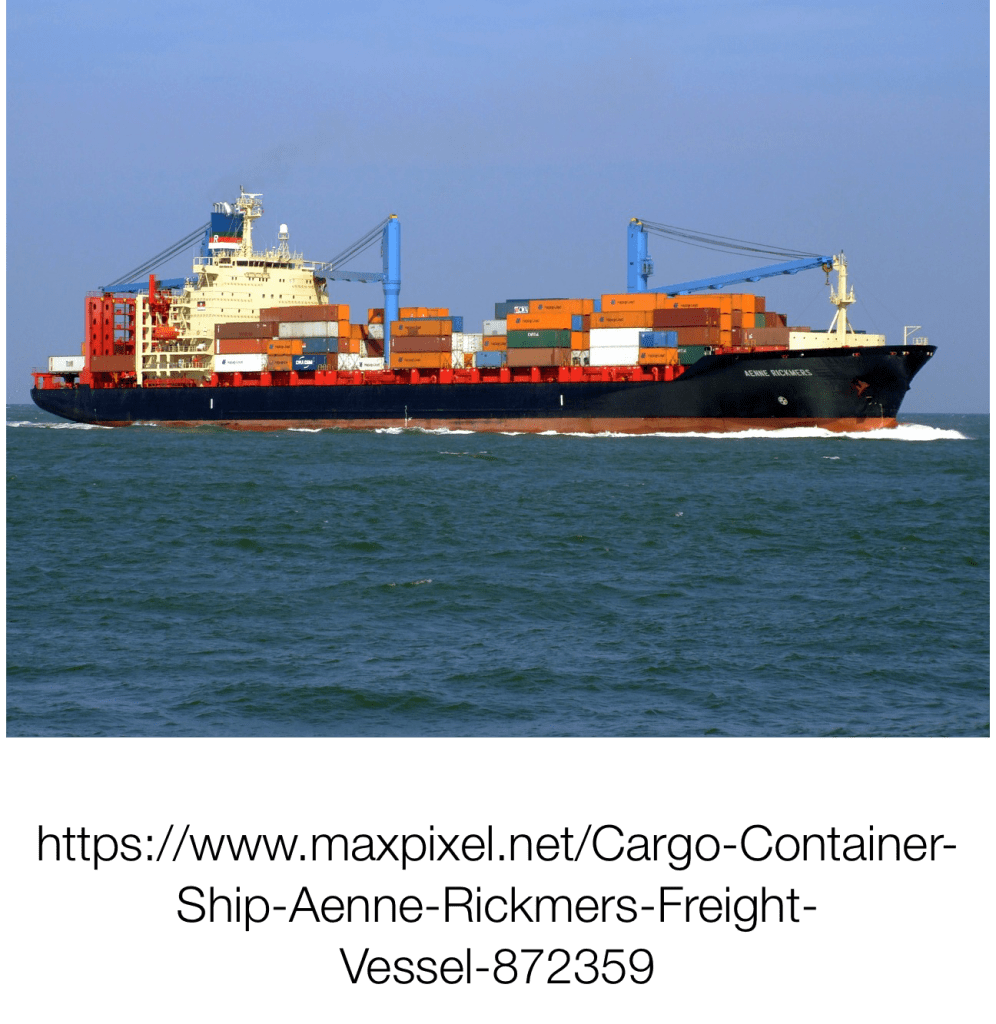
One alternative to long haul flights might be to travel by ship where destinations involve crossing oceans (it is possible to travel London to Singapore by train!) You can travel as a passenger on board a cargo ship: Liverpool to Newark takes 11 nights and costs from £1300. Whilst the carbon footprint of cargo ships is not great – 3 to 15 grams of CO2 per tonne cargo per km – the add on cost per passenger is minimal.
Reducing our carbon footprint to achieve net zero is demanding and will involve both substantial changes to the way we travel and imaginative ones too!


 The Green Tau