Living Sustainably; Protecting the Earth; Loving God
Author: Judith Russenberger
Environmentalist and theologian, with husband and three grown up children plus one cat, living in London SW14.
I enjoy running and drinking coffee - ideally with a friend or a book.
Cats are both attentive and self-contained. Alert when they wish, and asleep when they wish: they have no hang-ups about what they ‘should’ be doing. Christopher Smart, the eighteenth century poet describes his cat Jeoffry as having a daily routine that is a life prayerfully aligned with God.
The world around us is full of curious, beautiful and amazing things. As small children our curiosity and our amazement knew no bounds. Every day would produce novelties- things to see, things to chew or eat, things to grab and hold, things to poke and explore.
As we have grow older we have often lost that sense of wonder. Things that were new have become mundane. In the rush to be busy, small things flop below the radar. Decorum dictates that we shouldn’t prod or lick things and, unless we’re wine tasters, swirling stuff around our mouth and spitting are frowned upon. Stopping suddenly just to look is discouraged – it interrupts the flow of traffic. Daily routines take over.
And our love for the world wains and falters.
The season of creation-tide runs from 1st September till 4th October, the Feast of St Francis. Let’s fall in love again with creation.
Action 68: Enjoy porridge for breakfast. Porridge oats are the least processed of breakfast cereals and make an excellent hot start to the day. Oats are a good source of essential minerals and vitamins, provide slow release energy and help reduce cholesterol. I buy organic oats from Pimhill Farm which grows and mills its own grain: https://www.pimhill.com/
The longer we are able to use an appliance or piece of equipment, the more we recuse it’s carbon footprint: the carbon footprint of manufacture is spread over a greater number of years, and the carbon footprint of recycling it is deferred.
Before buying anything new, do some research to discover which make or model is most efficient to use, is durable and easy to repair.
Regular cleaning. Dirt and dust can all damage surfaces and wear moving parts.
Keeping your oven and hot plates clean, prevents burnt on food from reducing their heating capacity. Ditto for irons.
Remove crumbs from toasters – they can catch fire!
Dust the cooling coil of your fridge so that it can operate efficiently. (Working efficiently saves on energy and prevents premature wear of motor). NB there may also be a vent at the back off your microwave where dust can also build up.
Regularly defrost freezers and ice compartments to enable them to work efficiently.
Ensure there is a sufficient air space around both fridges and microwaves so excess heat can dissipate easily and enabling them to run efficiently.
Remove dust from ports and keyboards on mobile phones, tablets and computers.
Clean screens on mobile phones, tablets etc to maintain their touch sensitivity. Fingers are naturally greasy.
Invest in a protective case for your phone or tablet
Keep mobile phones, tablets etc up to date with software updates.
Remove unused apps as they will be a drain on your battery life.
Avoid letting mobiles phones, tablets etc get too hot (don’t leave them in the sun) not too cold.
Ideally don’t overcharge your batteries not let them run completely flat. The ideal is between 20% and 90%.
Replace the battery in your phone etc rather than buying new.
To conserve your battery turn off phones etc when not in use – eg at night time.
Clean seals around the doors of fridges, ovens and washing machines etc.
Replace seals when they do wear out.
Descale washing machines: the harder your water, the more frequently this will be needed.
Avoid over or under loading your washing machine.
Measure out laundry liquid – too much can lead to a build up in the machine
Empty pockets before washing to ensure small coins etc don’t get into your washing machine where they might cause damage.
Clean out the drain filter from your washing machine to prevent damage to the pump and / or flooding.
Descale kettles.
With LED televisions you can prolong the life of the screen by reducing the background level of lighting and by limiting the number of hours you watch.
Organise an annual maintenance check for your boiler.
Writing this, I am reminded that I should keep my gardening tools clean and the wooden handles re- oiled.
Close up mosses create their own landscape in miniature. And the closer we look, the more detail we see. Delicate fronds and feather-like leaves; small rounded pebbles; a semi decayed leaf; a spike of grass; the age-worn grain of the log.
The world around us is full of curious, beautiful and amazing things. As small children our curiosity and our amazement knew no bounds. Every day would produce novelties- things to see, things to chew or eat, things to grab and hold, things to poke and explore.
As we have grow older we have often lost that sense of wonder. Things that were new have become mundane. In the rush to be busy, small things flop below the radar. Decorum dictates that we shouldn’t prod or lick things and, unless we’re wine tasters, swirling stuff around our mouth and spitting are frowned upon. Stopping suddenly just to look is discouraged – it interrupts the flow of traffic. Daily routines take over.
And our love for the world wains and falters.
The season of creation-tide runs from 1st September till 4th October, the Feast of St Francis. Let’s fall in love again with creation.
Action 67: Learn a new skill: knitting, crochet, a language, bread making, fermenting, drawing, photography – something that helps you develop a greater engagement with the world.
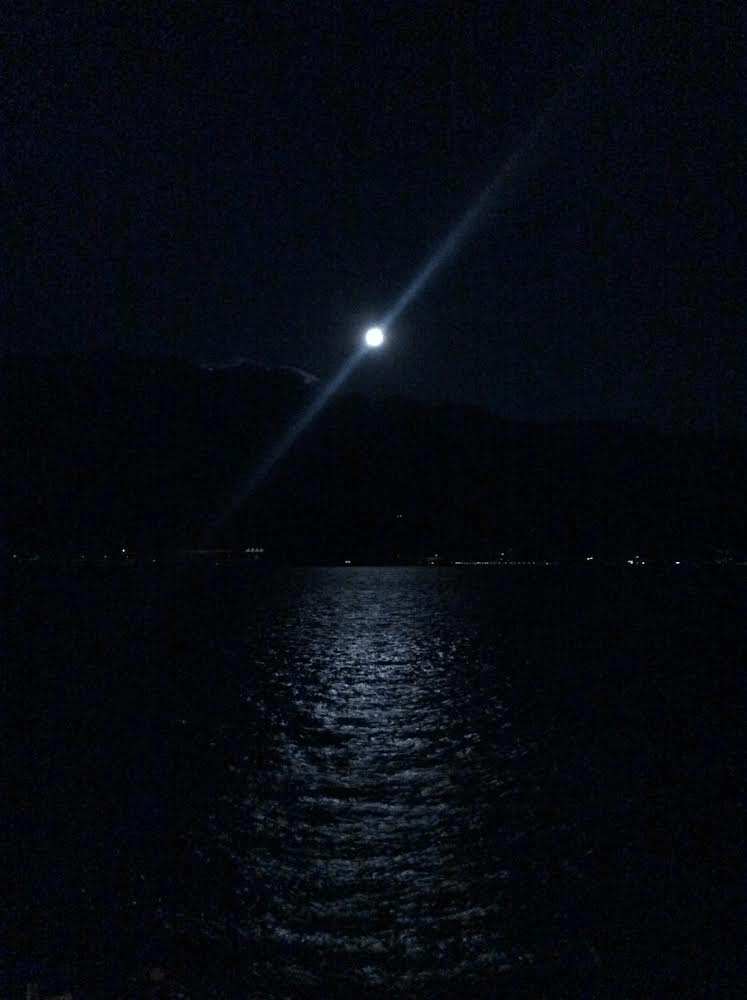
If sunlight is golden, moon light is silvery. Living in an age of electric lights, we have forgotten the importance of the moon as a source of light. Less intense than sunlight, moonlight still casts shadows. And as we move away from artificial light allowing our eyes to adjust, moonlight is certainly strong enough for us to walk along roads and across fields.
The world around us is full of curious, beautiful and amazing things. As small children our curiosity and our amazement knew no bounds. Every day would produce novelties- things to see, things to chew or eat, things to grab and hold, things to poke and explore.
As we have grow older we have often lost that sense of wonder. Things that were new have become mundane. In the rush to be busy, small things flop below the radar. Decorum dictates that we shouldn’t prod or lick things and, unless we’re wine tasters, swirling stuff around our mouth and spitting are frowned upon. Stopping suddenly just to look is discouraged – it interrupts the flow of traffic. Daily routines take over.
And our love for the world wains and falters.
The season of creation-tide runs from 1st September till 4th October, the Feast of St Francis. Let’s fall in love again with creation.
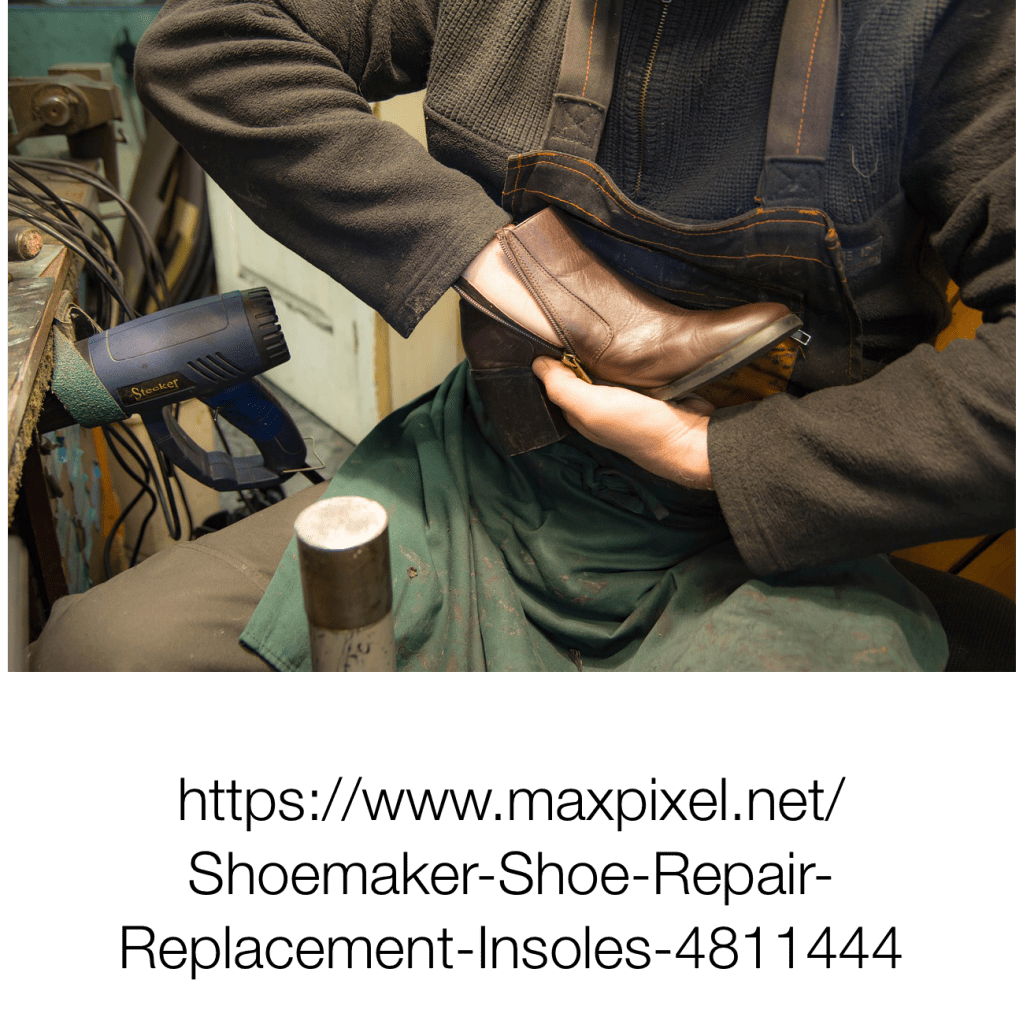
Action 66: Create a directory of local repair services. Use your own knowledge, the internet, suggestions from friends, and see if you can compile your own local directory – eg shoe repairs, washing machine repairs, sewing and tailoring repairs, watch repairs, cycle repairs …
26th September 2021: fourth Sunday of Creation-tide
Logo of the Climate Coalition
Ecclesiastes 3:1-8
For everything there is a season, and a time for every matter under heaven:
a time to be born, and a time to die;
a time to plant, and a time to pluck up what is planted;
a time to kill, and a time to heal;
a time to break down, and a time to build up;
a time to weep, and a time to laugh;
a time to mourn, and a time to dance;
a time to throw away stones, and a time to gather stones together;
a time to embrace, and a time to refrain from embracing;
a time to seek, and a time to lose;
a time to keep, and a time to throw away;
a time to tear, and a time to sew;
a time to keep silence, and a time to speak;
a time to love, and a time to hate;
a time for war, and a time for peace.
Romans 8:14-25
For all who are led by the Spirit of God are children of God. For you did not receive a spirit of slavery to fall back into fear, but you have received a spirit of adoption. When we cry, ‘Abba! Father!’ it is that very Spirit bearing witness with our spirit that we are children of God, and if children, then heirs, heirs of God and joint heirs with Christ—if, in fact, we suffer with him so that we may also be glorified with him.
I consider that the sufferings of this present time are not worth comparing with the glory about to be revealed to us. For the creation waits with eager longing for the revealing of the children of God; for the creation was subjected to futility, not of its own will but by the will of the one who subjected it, in hope that the creation itself will be set free from its bondage to decay and will obtain the freedom of the glory of the children of God. We know that the whole creation has been groaning in labour pains until now; and not only the creation, but we ourselves, who have the first fruits of the Spirit, groan inwardly while we wait for adoption, the redemption of our bodies. For in hope we were saved. Now hope that is seen is not hope. For who hopes for what is seen? But if we hope for what we do not see, we wait for it with patience.
Mark 4:26-32
He also said, ‘The kingdom of God is as if someone would scatter seed on the ground, and would sleep and rise night and day, and the seed would sprout and grow, he does not know how. The earth produces of itself, first the stalk, then the head, then the full grain in the head. But when the grain is ripe, at once he goes in with his sickle, because the harvest has come.’
He also said, ‘With what can we compare the kingdom of God, or what parable will we use for it? It is like a mustard seed, which, when sown upon the ground, is the smallest of all the seeds on earth; yet when it is sown it grows up and becomes the greatest of all shrubs, and puts forth large branches, so that the birds of the air can make nests in its shade.’
Reflection
The passage from Ecclesiastes is probably very familiar to us. It has a certain poetry to it that makes it easy to remember. It also has a sense of being down to earth and pragmatic. The writer is reminding us that these things will happen in the course of life; that we should expect them, anticipate and prepare for them. Preparing for things that one might reasonably expect to happen is something our current government is very bad at and we are suffering the consequences.
Much of the writings in the Bible are about cause and effect. If you do A, B will happen, but if you do X, Y will happen. If you follow God’s wisdom, you will be blessed; if you ignore God’s wisdom – if you mistreat your fellow humans, the land which you occupy or the creatures you live with – then you will bring suffering on your head. Yet it is a lesson we find hard to learn.
Collectively we have not ensured that all who work receive a fair wage, and now when we short of people willing to take on tough low paid jobs – in abattoirs, driving trucks, picking vegetables – we realise how important those workers to the smooth running of our economy. We have not cared for the soil we farm, and now find that all the fertilisers we have to add, are polluting our streams and rivers. We have not cared for the air we breathe, and now realise that air pollution is harming our health: 7 million people a year die from air pollution. We have not heeded the warnings of our scientists – those who study the way God’s world is responding to human activity – and continue to over consuming filling the atmosphere with excess quantities of carbon dioxide.
Cause and effect: these things are happening.
In the passage from the letter to the Romans, we have a somewhat involved argument from Paul. As he writes to the religious communities in Rome, he reminds them that all who are led by the Spirit of God – the Holy Spirit – are children of God. And it is a spirit of freedom not slavery.
As children of God, we are likewise co heirs, siblings with Christ, and are expected, like him, to share with the suffering in the world. Jesus did not ignore or deny the suffering that was in the world; rather he sought it out. He sought to understand where suffering came from, how it grew and persisted. And then he sought to transform it – healing the sick, feeding the hungry, releasing those held captive, and ultimately transforming death into resurrection. Paul writes not just of humans suffering, but of creation suffering. He talks of the ‘futility’ of creation. The Greek word can also be translated as ineffectiveness or emptiness.
Last week we noted the barrenness, the emptiness of the earth that revealed the need for water and for a tiller, in order that it might become a verdant garden. Unless the right resources and the right action are brought together, the progress of creation is ineffective or futile. In the same way our efforts to be fully human are futile unless we are led by the Spirit of God. Only with God’s Spirit, God’s wisdom can either we as humans or the earth as God’s amazing creation develop their potential – the potential that reveals God’s glory.
Paul goes on to write they ‘hope that is seen is not hope’ but I can’t help feeling that it helps to have some imagining, some image, of what it is you hope for. Jesus’s kingdom parables give us metaphorical but highly visual images of what the kingdom of God might look like. The mustard seed tree is one filled with hope. It portrays the kingdom as capable of immense growth and size such that all the birds of the air – everyone and everything – finds a place to lodge and live. It is an image of the kingdom as one of peaceful and sustainable co existence.
So let us be led by God’s wisdom, seek out and acknowledge the suffering in the world and act to transform them so that creation can flourish.
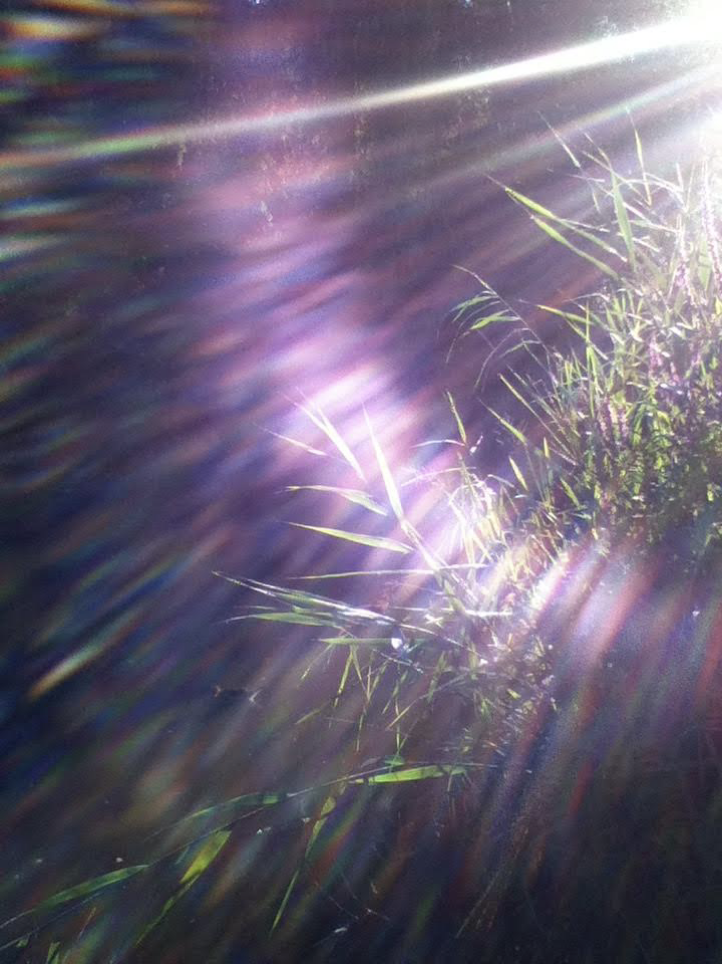
The sun is key to life on earth, providing heat and light and the energy for growth – photosynthesis in green plants and solar panels on roofs. Sunlight can warm our hearts and fill us with joy. Sunlight transforms the dull and boring into things of great beauty.
The world around us is full of curious, beautiful and amazing things. As small children our curiosity and our amazement knew no bounds. Every day would produce novelties- things to see, things to chew or eat, things to grab and hold, things to poke and explore.
As we have grow older we have often lost that sense of wonder. Things that were new have become mundane. In the rush to be busy, small things flop below the radar. Decorum dictates that we shouldn’t prod or lick things and, unless we’re wine tasters, swirling stuff around our mouth and spitting are frowned upon. Stopping suddenly just to look is discouraged – it interrupts the flow of traffic. Daily routines take over.
And our love for the world wains and falters.
The season of creation-tide runs from 1st September till 4th October, the Feast of St Francis. Let’s fall in love again with creation.
Action 35: Nature watch. If you have been greening your garden and setting up a bird feeder, why not make a point of watching out for who is visiting your garden. Hopefully different birds, and may be insects: bees and wasps are still active looking for food, and you may find some beautifully made spiders webs.








 The Green Tau