Count Down

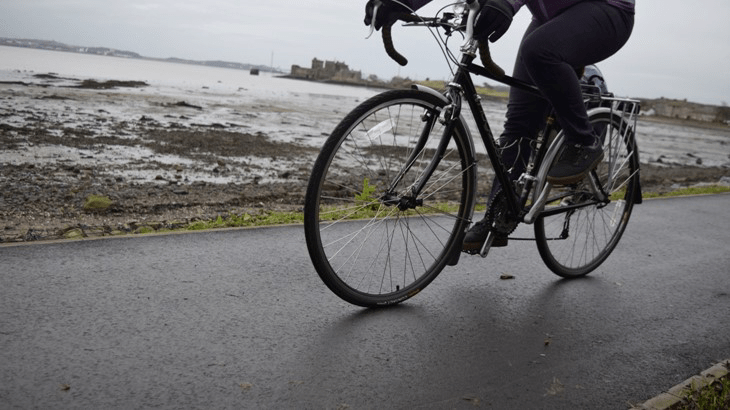
Action 54: Give your bike a thorough service so it is ready for the colder months ahead. Or book it in  with a bike shop for a service. 

With warm and water proof clothing you can enjoy cycling throughout the months ahead. Sustrans offers advice and tips on cycling and its benefits – https://www.sustrans.org.uk/our-blog/get-active/2020/everyday-walking-and-cycling/how-to-cycle-in-the-rain-look-after-your-bike-and-keep-yourself-dry/

Energy saving in the home

Reducing our carbon footprint in the home is essentially about reducing the amount of energy we use – whether that is for lighting, cooking a meal or having a wash. Here are some tips.

  • Turn off lights when they are not needed.
  • If you have an emersion heater, make sure it is well insulated. 
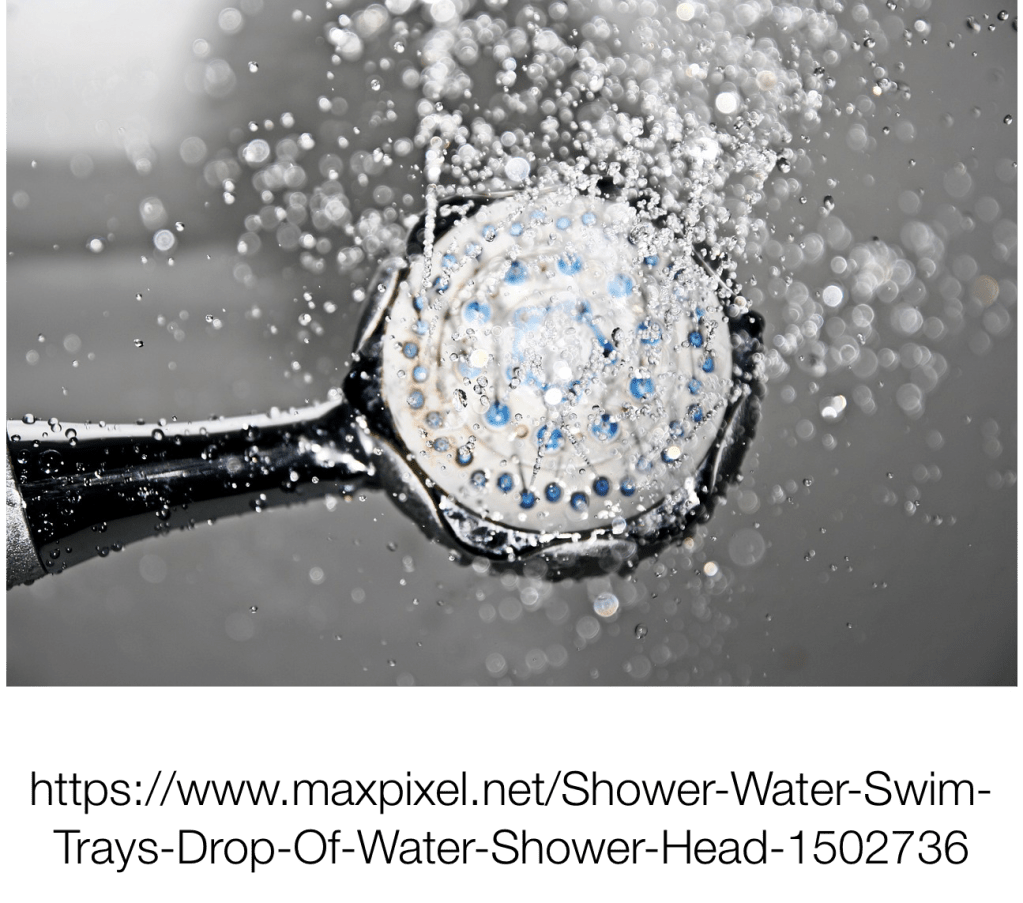
  • Have a shower rather than a bath. Limit the length of your shower time especially if it is a high pressure shower – a 9 minute pressure shower uses more energy than a bath!
  • Instead of a daily shower, wash with a flannel. We are seldom as dirty as we might think!
  • Dishwashers are meant to be efficient but are not always the most ecological way of washing up. A dishwasher uses 1KWh for a 70-100 minute programme. Heating 2 litres of water to fill a washing up bowl uses 0.2KW.
  • Boil only as much water as you need when making hot drinks.
  • When boiling with a pan on a stove use a lid to keep the heat in (except when cooking pasta as the water will boil over).
  • Limit how many pans you need to cook a meal. Try and reuse a hot plates whilst they are still hot.
  • Turn off the hot plate (if electric) before the cooking time is over so as to make good use of the heat in the hot plate.
  • If you are using the oven, plan to cook several things at once to make full use of the energy you are consuming.
  • Use a microwave for steaming vegetables, stewing fruit, making porridge/ custard etc.
  • Run your washing machine on its coldest setting and choose the shortest programme time.  
  • Only run the washing machine when it is full.
  • Don’t wash clothes until they need it: ie they smell sweaty, have a tide mark or spots. We have grown used to the idea of washing everything all the time!
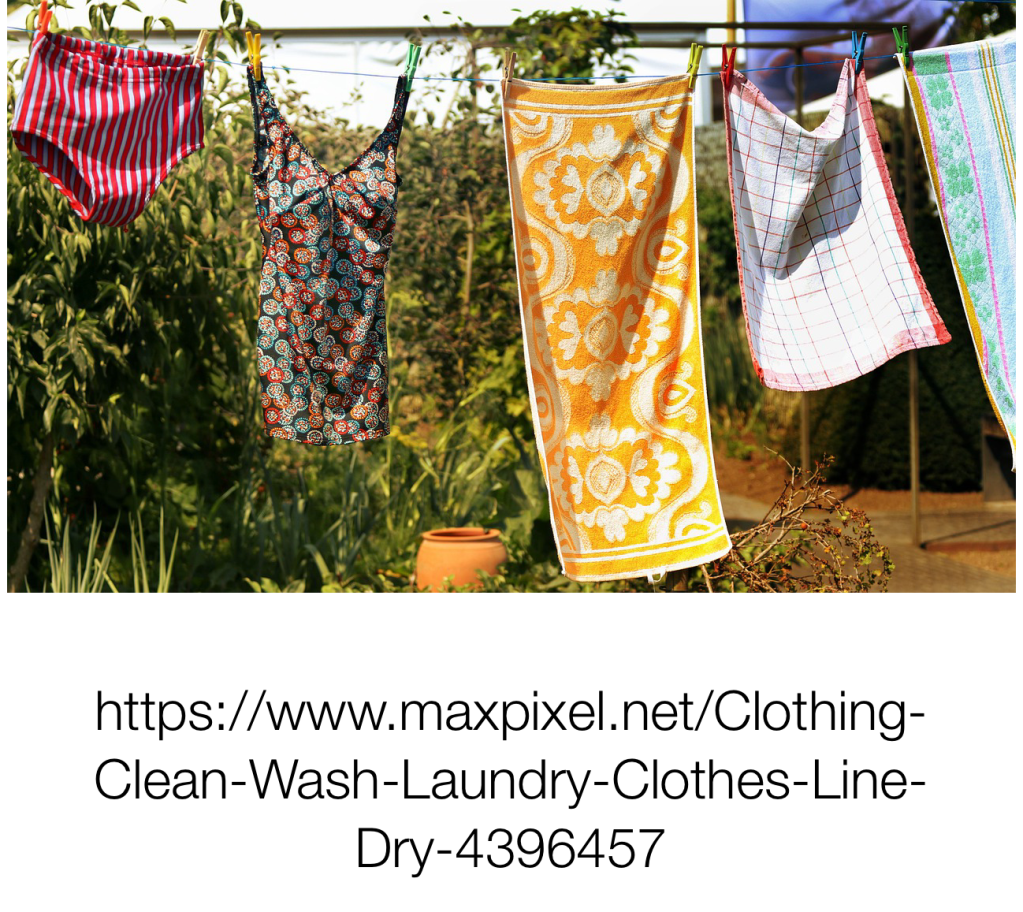
  • Hang washing outside to dry. Ideally wash things in the morning to allow plenty of drying time, especially in the winter.
  • When it’s raining, hang wet washing inside on a clothes dryer. 
  • Many kitchen appliances are labour saving but doing things by hand is good for arm muscles – and arm muscles can be applied for different  purposes obviating the need for lots of small appliances.
  • Similarly in the garden, manual appliances such as lawn mowers and brooms are good for exercise and fitness.
  • Turn off appliances when not in use as they will still be drawing a small amount of electricity. 
  • If you have solar panels choose to run electrical appliances when the sun is shining. The electricity will power these directly without any loss via the distribution system. 
  • Don’t buy new appliances until you need them. Do some research, which are ecological; which energy efficient; which have a long life; which are easily repaired if they break down? Check out Ethical Consumer’s advice: https://www.ethicalconsumer.org/ 
  • Consider buying second hand.
  • If you will only need an appliance for occasional use, consider borrowing one – eg via  neighbourhood app.

Count Down

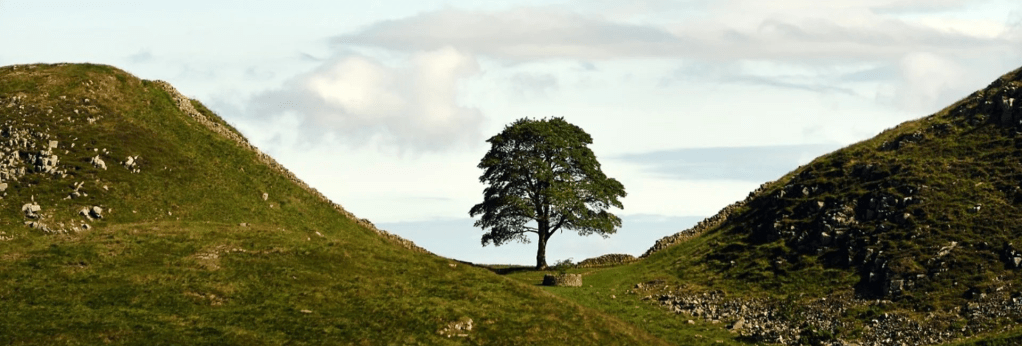
Action 52: Plant a tree. Autumn is a good time to plant trees – if you have space why not plant an apple tree in your garden? Alternatively why not sponsor a tree? Trees, as they grow, support many different creatures as well as absorbing carbon dioxide.  

The National Trust aims to plant 20 million trees by 2030: https://www.nationaltrust.org.uk/features/plant-a-tree?intcmp=plant_atree_summer21_propertypages_teaser

Falling in Love 14

The dog rose in full bloom is a thing of great beauty. And later in the autumn when its flowers are replaced with equally beautiful bright red hips – the ripening seed pods which are popular with wild birds. From classical times, its root is said to offer a cure for dog bites and this is the origin of its botanical name, rosa canina. During the Second World War its fruits were collected to make rosehip syrup which, being high in vitamins A, C, D  and E, was a useful addition for keeping the nation healthy. 

The world around us is full of curious, beautiful and amazing things. As small children our curiosity and our amazement knew no bounds. Every day would produce novelties- things to see, things to chew or eat, things to grab and hold, things to poke and explore. 

As we have grow older we have often lost that sense of wonder. Things that were new have become mundane. In the rush to be busy, small things flop below the radar. Decorum dictates that we shouldn’t prod or lick things and, unless we’re wine tasters, swirling stuff around our mouth and spitting are frowned upon. Stopping suddenly just to look is discouraged – it interrupts the flow of traffic. Daily routines take over. 

And our love for the world wains and falters. 

The season of creation-tide runs from 1st September till 4th October, the Feast of St Francis. Let’s fall in love again with creation. 

Falling in Love 13


A small lady bird, possibly a five spot ladybird. Ladybirds are welcomed by gardeners as one of their favourite foods is aphids. Ecosystems can be finally balanced between the numbers of predators and the numbers of prey. For ladybirds to thrive, they need an ongoing supply of aphids – ie aphids that have not been killed off by ‘super efficient’ garden sprays!

The world around us is full of curious, beautiful and amazing things. As small children our curiosity and our amazement knew no bounds. Every day would produce novelties- things to see, things to chew or eat, things to grab and hold, things to poke and explore. 

As we have grow older we have often lost that sense of wonder. Things that were new have become mundane. In the rush to be busy, small things flop below the radar. Decorum dictates that we shouldn’t prod or lick things and, unless we’re wine tasters, swirling stuff around our mouth and spitting are frowned upon. Stopping suddenly just to look is discouraged – it interrupts the flow of traffic. Daily routines take over. 

And our love for the world wains and falters. 

The season of creation-tide runs from 1st September till 4th October, the Feast of St Francis. Let’s fall in love again with creation. 

Falling in Love 12

This is probably a buff-tailed bumblebee. These are sociable bees. Each year a new queen is hatched and she alone will sit out the winter. She will be one of the large bumblebees we see seeking out winter flowering plants such as mahonia and crocuses. In the spring she will feed up on pollen and nectar such that she has the renewed strength to begin a new, small, colony. Initially the larvae will develop as female workers but as the summer progresses some will emerge as males. One will successfully mate and so the cycle will begin again. 

Such persistence!

The world around us is full of curious, beautiful and amazing things. As small children our curiosity and our amazement knew no bounds. Every day would produce novelties- things to see, things to chew or eat, things to grab and hold, things to poke and explore. 

As we have grow older we have often lost that sense of wonder. Things that were new have become mundane. In the rush to be busy, small things flop below the radar. Decorum dictates that we shouldn’t prod or lick things and, unless we’re wine tasters, swirling stuff around our mouth and spitting are frowned upon. Stopping suddenly just to look is discouraged – it interrupts the flow of traffic. Daily routines take over. 

And our love for the world wains and falters. 

The season of creation-tide runs from 1st September till 4th October, the Feast of St Francis. Let’s fall in love again with creation. 

Sunday Reflection

12th September 2021, Creationtide

Genesis 2: 4-7, 15-24; 1 John 1:1-4; John 2:1-11

Reflection

Christ Church is observing the Sunday between 1st September and 4th October as Creationtide and so is using a different set of readings for these Sundays. According to the Cambridge Dictionary creation is ‘the act or process of making, producing, or building something, or something that has been made, built, or produced’. It is a word that means both process and the result. God, in giving us the gift of creation, gives us something that both is, and is on going. God invites us to value and participate both in the existence of creation and in the process of creation. 

Today’s set of readings includes two of my favourites.

The first reading from the Book of Genesis (which means the Book of Beginnings) starts with insufficiency – the insufficiency of the bare earth to be productive, to fulfil its potential. God sees what could be and what is needed to get there. 

First of all God provides water and then someone to till the ground. With those key elements in place, the garden that God plants (in verse 8), can now thrive – transforming what was barren into a verdant landscape. God’s vision sees yet more scarcity and more untapped potential. The human needs company, both as a helper and as a partner. God therefore creates all manner of animals as helpers and a fellow human as a partner. Now there is potential for creation – animals and humans – to do even more tilling (creating) of the earth. 

This story sees creation as a process of teamwork and cooperation and – on God’s part, vision. It is a story about developing relationships and bonds between God and plants and creatures and humans. It is a story about the creation of a creative ecosystem. As the story progresses beyond today’s reading, we know that it is a finely balanced ecosystem which breaks apart when humans ignore God’s words.

The gospel story is similar. It is a story about insufficiency and abundance. It is a story about co working, of God  and humans (here I am thinking of the servants who have to fill those heavy stone jars with water and take them to the steward) working together to create something amazing. In it Jesus’s   glory is revealed and his disciples believe in him. 

In between these two we have the Letter of John in which the word of life is described as being visible, audible and tangible. This word that comes from God and produces eternal life, echos the breath of God that gives life to the living beings in the Garden of Eden. It is a word that generates fellowship and joy – something envisaged in the Garden when God saw the need for companionship and co- workers, and in the Gospel, where the wine rejuvenates the wedding feast – itself symbolising the relationship between God and humanity, and which we would now add ‘and creation’. 

In the Autumn of 2021 we find ourselves facing a ecological emergency caused by climate change and human incompetence. Through God’s wisdom, we know we can restore harmony, that we can replace insufficiency with abundance, yet we are fearful that we will not. We are fearful of making changes, of risking our own sense of security, of reaching out to help others in order to help ourselves. 

Can we re-find the word of life, can we re-new our fellowship one with another and with all of creation, and re-discover true joy?