Sunday Reflection

8th August 2021, Proper 14: 1 Kings 19:4-8, Psalm 34:1-8, Ephesians 4:25-5:2John 6:35, 41-51

Elijah under a broom tree

I feel a lot of sympathy for Elijah. Prior to where we meet Elijah in today’s reading he has been extremely busy. Elijah lived during the reign of King Arab who is described as the king who did more evil than all the other kings before him. He was a king who definitely did not walk in their  ways of God! God has seen all that has happened and tells Elijah that, as a consequence, no rain nor even dew shall fall on the land. The land will be afflicted by a drought that will last for years. 

Pausing a moment it is worth reflecting that for decades, if not more, we residents of planet earth have increasingly mistreated and plundered the earth damaging both its climate, its ecosystems and and its most vulnerable creatures. We have not followed the ways of God. And now we are increasingly aware that our folly is causing problems that affect us directly – floods, heat waves, wars, covid etc. 

Back to Elijah. He follows God’s instructions as to how and where he will find sustenance, and sees at first hand the effect the delight has on the land and in its inhabitants. After three years of drought God sends Elijah to speak with Ahab (who is finally feeling the effects of the drought. Those who are rich and/or powerful usually find ways of minimising the inconveniences that cause others to suffer) and to reprimand him for all that he has done wrong. Like many business leaders and investors today, Ahab still believes that his model of life – worshipping the Baals and sacrificing children – is the only right one. So Elijah sets up a competition, challenging the priests of Baal to prove the efficacy of their gods. 

This must have taken great determination on Elijah’s part. He was just the one lone voice speaking out against the falseness of the Baals and their rule of life. God was certainly with him and strikes the winning shot – a fire bolt from heaven – on Elijah’s behalf, but yet it still must have been stressful to the point of exhaustion for Elijah. The single handed, Elijah destroys all the false prophets. And once again he challenges Ahab to repent. Ahab instead seeks guidance from his equally wicked wife, Jezebel, and somehow it is her cursing of Elijah, that breaks the camel’s back. Elijah fears for his life and flees into the wilderness.  

So we come to today’s episode. Elijah is ready to give up and die. Have you ever felt yourself to be at that point of exhaustion, of despair, of self doubt?  Elijah curls up under a broom tree – an evergreen bush which because of its deep roots and narrow leaves can survive in arid environments and provides a welcome place of shade for travellers. Having spoken out-loud his grievance, his desperation, he is finally able to sleep. Owning up to ourselves and to God about what troubles us is a good starting point. After he slept, God wakes Elijah and provides him with food and water. He eats and drinks and once more sleeps. God waits and then wakes him a second time, prompting him to eat and drink, so as to be ready for the next stage of his journey – his life. One rabbi has noted the similarity between ‘rothem’ the Hebrew for broom and ‘rachem’ Hebrew for compassion. God has compassion on Elijah. God knows that what he needs is sleep and food and only when  those needs have been satisfied does God suggest to Elijah that he journeys to God’s holy mountain of Horeb where the two will engage in a much deeper spiritual experience. 

So I think it can be for us. Being open and honest about how we feel, understanding when we need rest, accepting support especially physical comfort even when we feel spiritually drained. God is concerned for our total wellbeing, physical and spiritual, and often we have to satisfy the first before we can address the second.

Today’s Psalm aptly describes Elijah’s experiences. ‘Taste and see that the Lord is good’ both physically and spiritually.

The passage from Ephesians is entitled in NRSV Rules for the New Life. Rules for a new life were certainly what Ahab and his people needed. I think they are also what we need for living a new climate friendly, all-inclusive people friendly, sustainable life. The passage reminds us that we are interconnected, and that the way we each act has repercussions for everyone, and further more affects our relationship with God. 

The reading from John’s gospel continues to explore the idea of Jesus as the bread of life. Believing in and following his ways, have both physical and spiritual benefits. Jesus feeds and heals people physically and spiritually. Jesus by his very nature is a two way conduit between earth and heaven, between God and human kind, between the present day and eternity. This is something the Jews, the hearers of Jesus’s message find hard to understand and accept. For them, he is just a local boy – a local who has become a popular crowd puller but nevertheless surely still just someone like them? Is there something about needing to be ready, to be open, to seeing God at work in our everyday environment? Perhaps of finding the spiritual in the physical and the physical in the spiritual? 

Feed us Lord God

with what we need,

both physical 

and spiritual. 

Amen.

Count Down

 Action 17: Join an environmental group – one that campaigns on climate issues, or sets out to protect the local environment, or conserves wildlife or plant life, or which supports vulnerable people who might otherwise be overwhelmed by the climate crisis. Do a bit of research and find one that appeals to you – either because of the opportunities it gives you to be involved, or because it safeguards something you hold dear, or is something that affects you. As individuals we can sometimes feel that our voice is not heard, our concerns not recognised or our efforts insignificant – but as part of a collection of voices, concerns and efforts, we can make a difference.

The Green Tau: issue 11

Calculating your individual carbon footprint

The ongoing global climate crisis arise because human  activities and lifestyles

are putting carbon dioxide into the atmosphere at a faster rate than this gas can be absorbed by the planet. The resulting increasing levels of CO2 in the atmosphere insulates the planet so that year on year average global temperatures are rising. This impact of human activity on the planet is termed our carbon foot print. The word conveys the idea that what we do each day is leaving a mark, a footprint, on the face of the earth. We can measure the carbon footprint of different activities eg cycling, driving a car, skiing or hiking. We can measure the carbon footprint of different products eg a book, a DVD, a litre of milk, a dozen eggs, a wooden jumper, or a pair of trainers. We can measure the carbon footprint of a household or a business, of a person living in a flat or medium sized estate agents, a supermarket or a hospital. We can compare the difference between the carbon footprint of a typical resident of Nepal and the typical resident of Norway. We can compare the difference between alternative modes of transport, alternative methods of farming, or between a range of land uses.

Here in the UK the average individual carbon footprint is 10.5 tonnes (WWF).

The Carbon Independent  and the Carbon Footprint websites both  offer a detailed on line footprint calculator which includes inputting the amount of electricity, gas, petrol etc that you use each year. 

https://www.carbonindependent.org/

https://www.carbonfootprint.com/calculator.aspx

A less detailed calculator is offered by the World Wild Fund 

https://footprint.wwf.org.uk/#/region

but it does relate your carbon footprint to the target UK footprint vis a vis a linear reduction in per capita carbon emissions  to net zero by 2045. And that is one of the reasons for calculating our carbon footprint: to see how big it is currently and the to see how it can be reduced to a net zero target. 

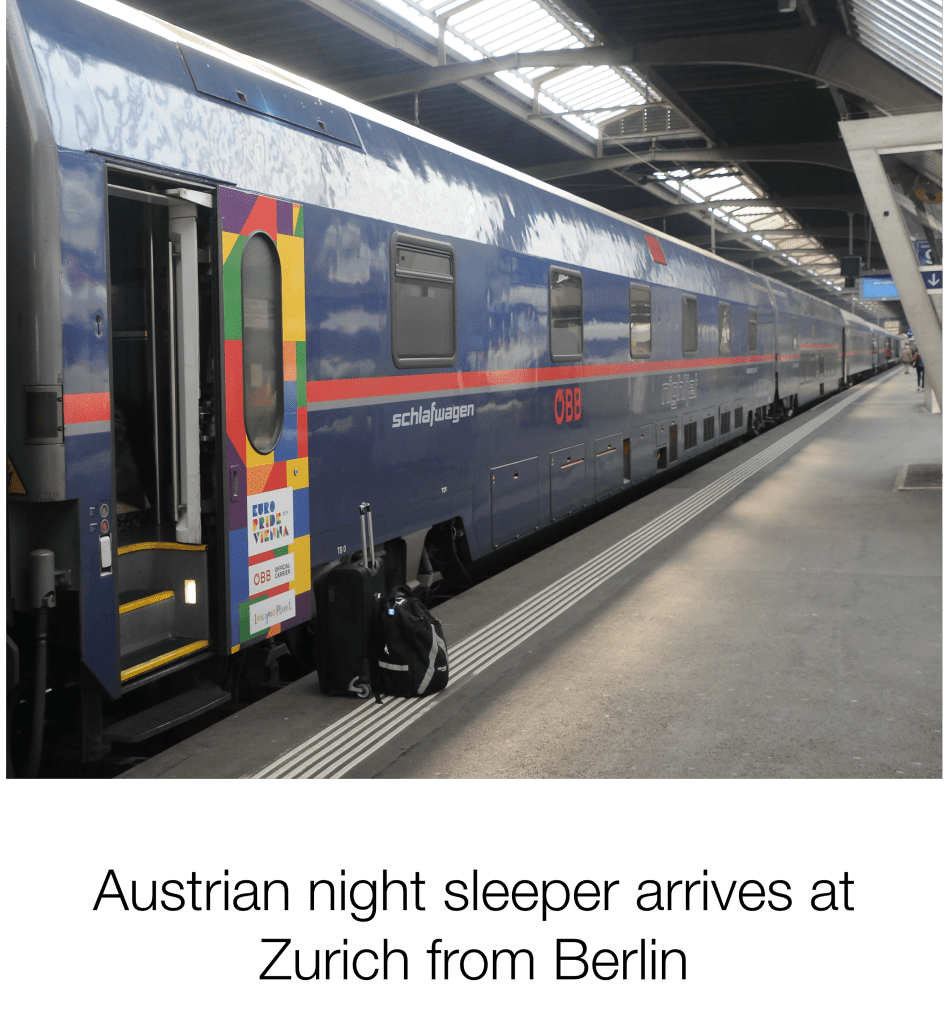
The simplest way of reducing our carbon footprint is to look at individual aspects of our lifestyle and see how in practical terms we can reduce our carbon consumption. To some extent we will be limited by factors outside our control. For example if we choose to travel by train we cannot decide which railways lines are powered by electricity and which rely on diesel engines (although we can press Network Rail and our government to address this). If we shop at Waitrose, part of our food footprint is linked to the carbon emissions of Waitrose’s operations (Waitrose’s aim is that their entire operation should achieve net zero by 2035). On the other hand we can make positive choices to use businesses that are carbon neutral. For example, Kiss the Hippo’s coffee roasting business is carbon negative. 

Over the next few weeks I will add ideas and information about reducing our personal carbon footprint on the Eco Tips page.

Count Down

 Action 16: Go out for a vegan picnic. Sandwiches are the basis of a picnic and most bread is vegan. Vegan options for spreads include plant based butter/ pesto/ mayonnaise/ tapenade/mustard. Add fillings such as vegan cheese (nut-based cheeses are good for protein), hummus, mushroom pate. Add slices of  vegetable such as red pepper, radishes, grilled aubergine or courgette, nasturtium leaves, cress or rocket or add chutney/relish.  Or try a banana hot dog roll? Pack sandwiches in greaseproof paper or fabric wraps. Pack fruit and pieces of vegetables that can be eaten with fingers and again see if you can avoid plastic packaging. Fill flasks with either hot or cold drinks. Pack some vegan cakes – rock buns, muffins etc – or a bar of chocolate to finish.

Count Down

Action 15: Reduce food waste.

Food waste is a drain on finite resources. It unnecessarily uses water and other agricultural inputs. It creates unnecessary excess amounts of greenhouse gases – about 25 million tonnes a year just from the UK.

7.2% of all food harvested in the UK goes to waste or exists as a food surplus that is fed to animals, redistributed via food charities or is repurposed as bio-based materials. (WRAP 2019). Horticulture – the growing of fruit and vegetables – is the largest contributor. To ensure supermarkets are always fully stocked, farmers grow more than may be needed. Consumer demand is fickle: changes in the weather, recipes made popular by celebrity chefs etc can lead to sharp swings in demand for specific fruits and vegetables. In addition a proportion of the fruit and vegetables will be rejected on grounds of size and appearance. 

2.9% of the UK’s food waste takes place in the retail sector. Most of this waste is of products that have reached their best before or sell by date. Increasingly the latter food stuffs are redirected to food banks and other local food charities. Supermarkets often stock more than they need to ensure that what the consumer wants is always available on the shelf. 

70% of all food waste in the UK comes from what is thrown away by us, the householders. We most frequently throw away potatoes, bread, milk, tomatoes, bananas and slices of ham. 

Love and Cherish

Love and cherish not some of the earth but all; 

Not just your back yard, but mine too;

Not just your local wood but the rainforests too;

Not just your home town but the favelas too.

Love and cherish not some creatures but all;

Not just pandas and tigers, but the vulture and bat too;

Not just bees but wasps and spiders too;

Not just elephants but slugs and snails too.

Love and cherish not some landscapes but all;

Not just meadows but peat bogs too;

Not just ancient woodlands but hedgerows too

Not just national parks but grass verges too.

Love and cherish not some people but all;

Not just city bankers but street cleaners too;

Not just business leaders but refugees too;

Not just home owners but travellers too.

For if we do not, we are all diminished.

If we do not we shall all suffer

from droughts and floods,

rising sea levels and declining water supplies,

from infectious diseases and resistant bacteria. 

We are one world, one family,

one eco system, one interdependent 

and interwoven creation. 

God, our creator, redeemer and sustainer,

Bring us to our senses! 

Now!

Count Down

 Action 14: Write to your local council: Have they declared a ‘climate emergency’ and if so have their prepared an action plan? What targets have they set for reducing their carbon footprint and are they on track for meeting these? What plans do they have to enable your local area to adapt to the already ongoing changing climate? Can local infrastructure cope with heat waves, cold snaps, torrential rainfall and flooding? In particular have they plans to support those most vulnerable in the community, such as the elderly, those with disabilities and those with low incomes?

Count Down

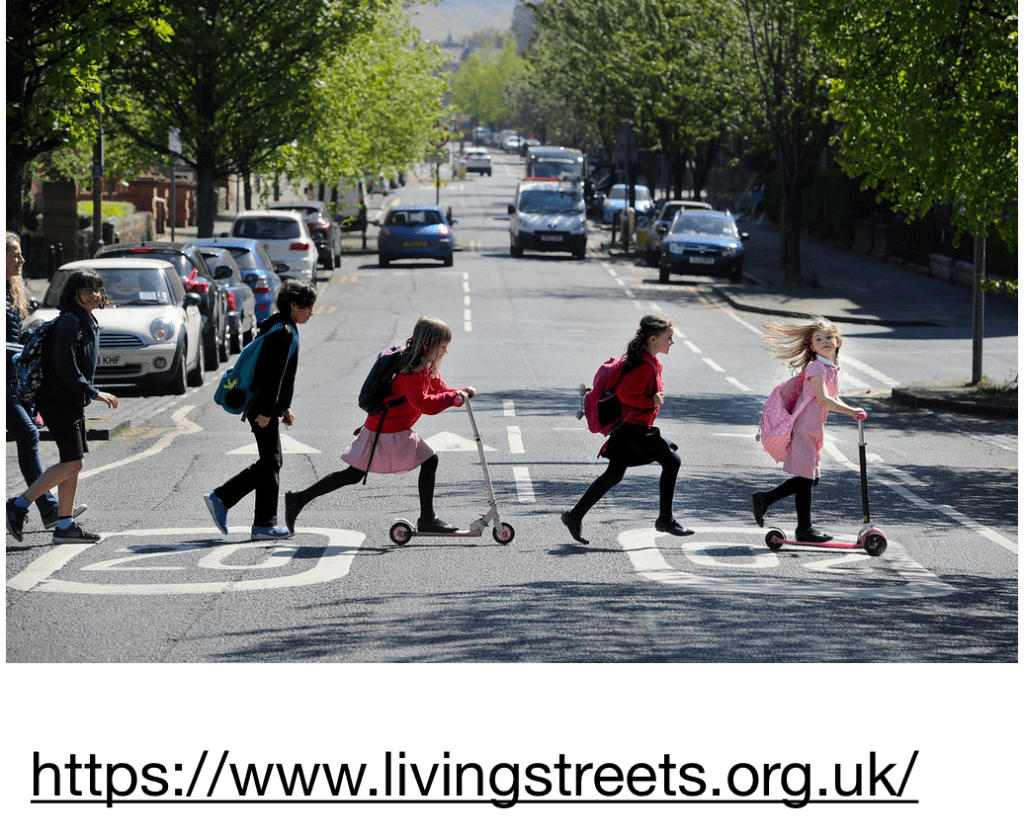
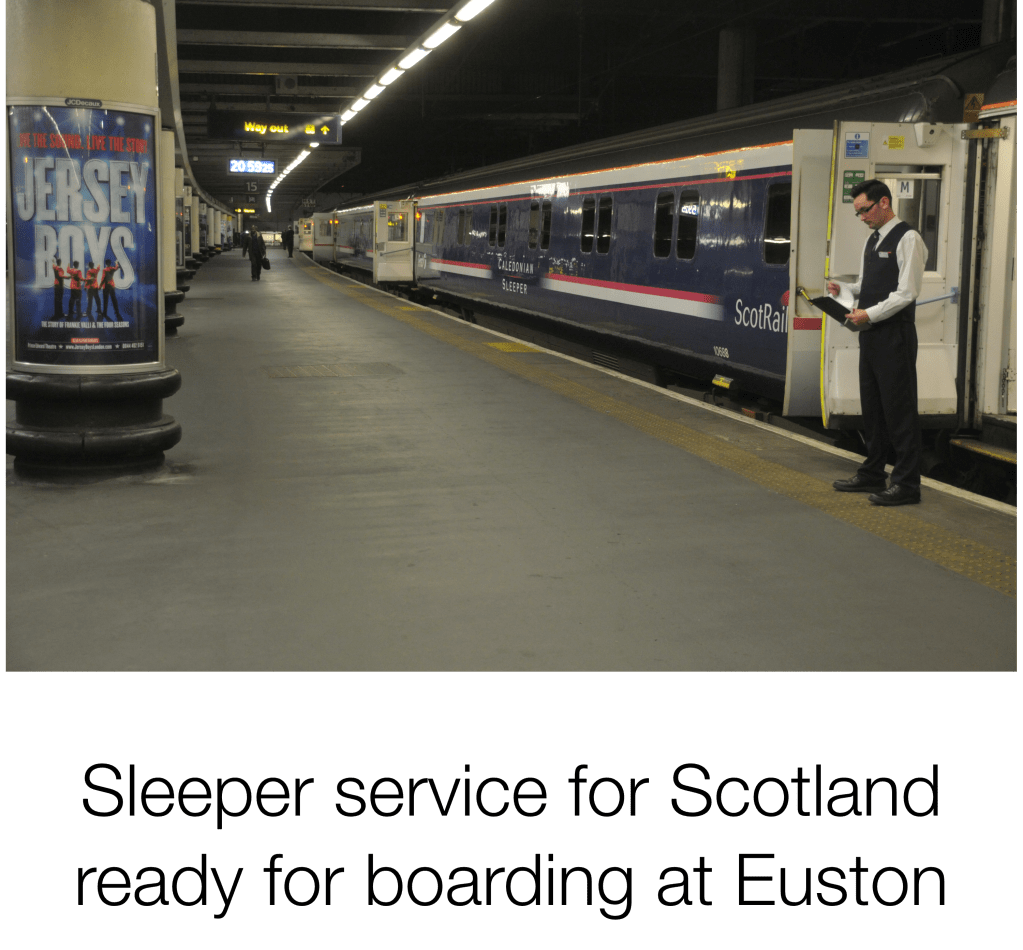
Action 13: Become active with ‘active travel’. Active  travel is using personal physical exertion. It includes walking, cycling, and wheeling ( propelling a wheelchair) and can equally include scootering, roller skating, skate boarding and I guess even riding a horse. It is about getting from A to B – to the shops, school, railway station, gym etc – rather than a leisure activity such as going for a walk. 

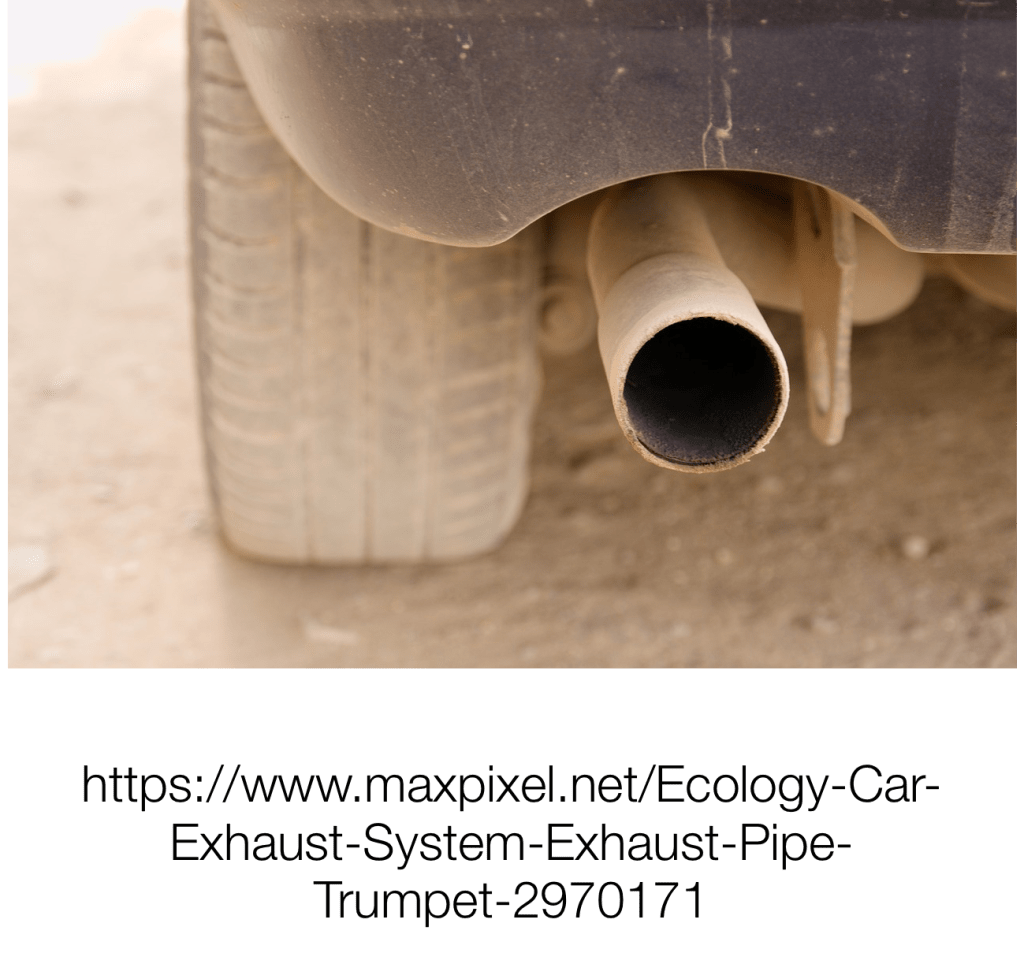
Active travel is good for the environment as it reduces car journeys and hence carbon emissions and emissions of poisonous gases and small particulates that cause airs pollution. 

Active travel is good for health, keeping us fit and active. It is estimated that 42% women and 34% men do not achieve recommended levels of physical activity. The resulting poor health costs the NHS  £1 billion a year. 

Active travel reduces road congestion on both main roads and local streets.

See how many journeys you can make this week using active travel.

Count Down

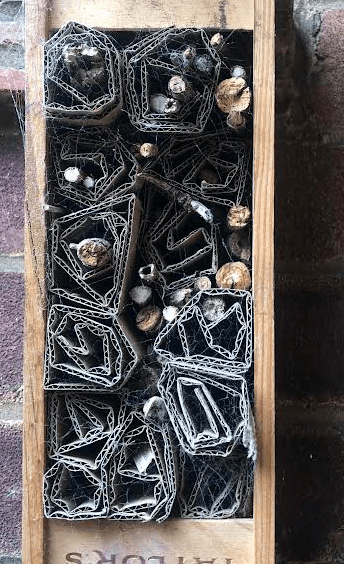
 Action 12: The COP26 climate conference will also be addressing the issues declining biodiversity. Those of us with gardens can be part of the solution. Bee numbers have fallen by an average of 7% in the last ten years, part of an ongoing decline. Europe wide 1 in 10 wild bee species are facing extinction. Grow bee friendly plants. Ensure accessible fresh water. Provide places where bee can overwinter or shelter – varying from areas of long grass to purpose made bee hotels. The following web site is useful: https://beefriendlytrust.org/creating-a-bee-friendly-space/

The Green Tau: issue 10

A question of justice: what is climate justice? Part 2

What then of climate justice?  What is the upright behaviour, the righteousness behaviour that God expects us to show vis a vis the climate?

Photo by Tobias Bju00f8rkli on Pexels.com

And God said, “Let there be lights in the dome of the sky to separate the day from the night; and let them be for signs and for seasons and for days and years, and let them be lights in the dome of the sky to give light upon the earth.” And it was so. God made the two great lights—the greater light to rule the day and the lesser light to rule the night—and the stars.  God set them in the dome of the sky to give light upon the earth, to rule over the day and over the night, and to separate the light from the darkness. And God saw that it was good.  And there was evening and there was morning, the fourth day. (Genesis 1:14-19)

The writer of Genesis tells us that the climate and its seasons, shaped by the sun, is a key part of the world God created. Both creation stories in Genesis give humankind a key role in occupying and caring for and tending the world that God created. Humans are given a role of responsibility vis a vis the fish of the sea, the birds of the air and all living things that move on the earth. They are given the task of cultivating the land and the plants which God intended should transform the earth from the bare form with which it began. And they are instructed to multiply and be fruitful ensuring generations of humans to come. 

Have we looked after all the fish, the birds and living things? The decline in biodiversity with a third  species threatened with extinction, suggests not. 

Have we cultivated the earth and maintained its greenness? The expansions of deserts, the destruction of rainforests and temperate woodlands, and the loss of native plants suggest not. 

Have we provided for the well being of generations to come? Currently the world is on track for an increase in global temperatures of some 3 to 5°C by the end of the century which would render large parts of the earth uninhabitable for humans – so no!

If we were to hold up a plumb line to measure how upright our living on the earth has been, we would see a world that is on the verge of collapse, a world which will be in a worst state than when we inherited it, and a world in which life for our children and grandchildren would be very bleak. 

The diagram below is the equivalent of Amos’s plumb line. It was put together by the government’s Climate Change Committee  an independent, statutory body established under the Climate Change Act 2008) is part of their review of the progress being made tickling the climate crisis. It shows with a blue dotted line the target reduction in carbon emissions agreed by Parliament. The grey band shows the levels of emissions that  current policies will achieve. The gap between the two is the shortfall where new, firmer polices are needed. Just as plumb line measure how true a wall is, so this diagram shows how adrift we are of doing what is right for the climate and the world. 

Prophets like Amos and Jeremiah called out to those in power when  they were not meeting God’s standards. They also called out examples of wrong behaviour by merchants/ business leaders and those who abuse their power to oppress the vulnerable. They also called out those who falsely prophesied that all would be well and that no one need to repent and amend their patterns of behaviour! 

Climate justice requires us to call our government and business leaders  to account when policies and actions fail to address the climate crisis and rather allow the state of the earth to decline. We can write to our MPs and our local councillors asking what they are doing to avert the climate crisis, asking not just for wishful statements, but for concrete actions with measurable results. We can write to businesses, both multi nationals and our small, local businesses and ask  what they are doing to achieve net zero carbon by 2050. Kiss the Hippo, coffee roasters in Richmond is a carbon negative coffee company – https://kissthehippo.com/blogs/news/good-news-we-ve-gone-carbon-negative we can  sign petitions  and join one of the many groups campaigning on the climate crisis issue – eg Friends of the Earth, XR, 350.org

Climate justice requires us to look at our own lifestyles and measure whether they improve or damage the earth and the heritage that we will pass onto future generations. There are numerous suggestions on the internet about what we can do. This will be the topic of the next issue of the Green Tau.i