Counting on … day 112

4th March 2022

‘Counting on’ can have the meaning  interdependency. About a third of the foods that we enjoy only reach our plates because of the input of pollinators – bees and other insects and even bats. Without such pollinators our diets would be severely compromised. Imagine breakfast without coffee or fruit, treats without chocolate or nuts. Looking after pollinating insects is to look after our wellbeing too.

 Counting on …day 98

18th February 2022

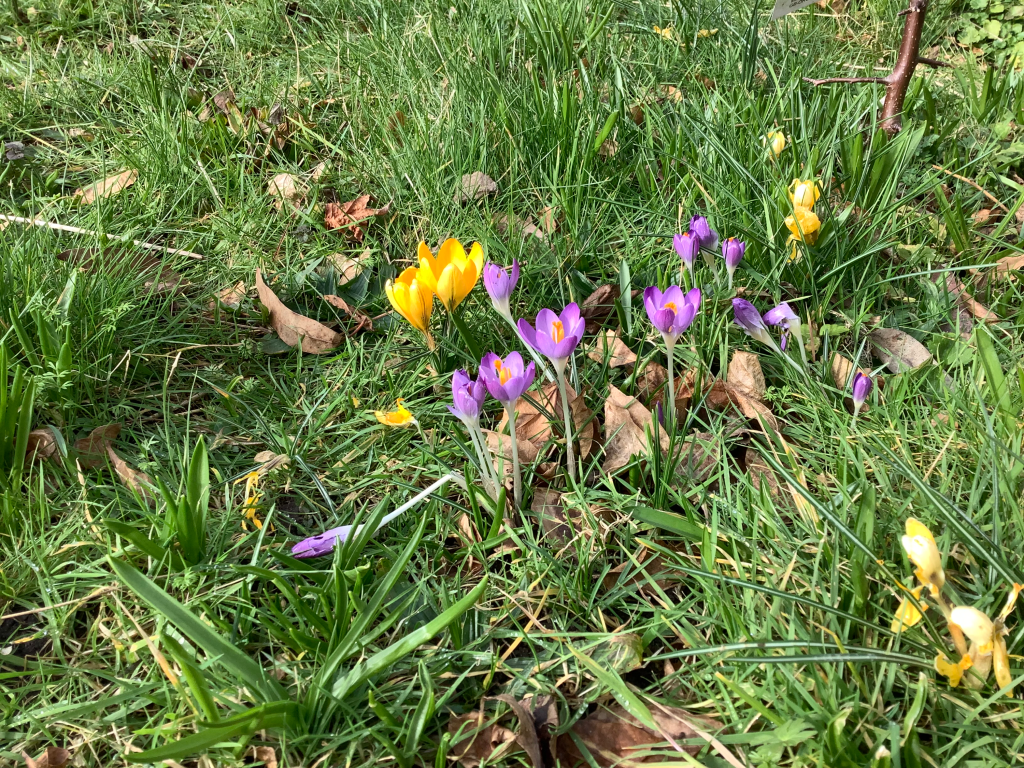
Crocuses and snowdrops and hellebores all provide food for bees and other early insects. Most spring bulbs are best planted in the autumn. However come the autumn you may have forgotten where the rest of your bulbs are planted and risk planting them to close together or too widely spread! Take a photo now so that you can check their whereabouts in the autumn.

Snowdrops are best planted now, ‘in the green’. 

Counting on …. Day 83 

3rd February 2022

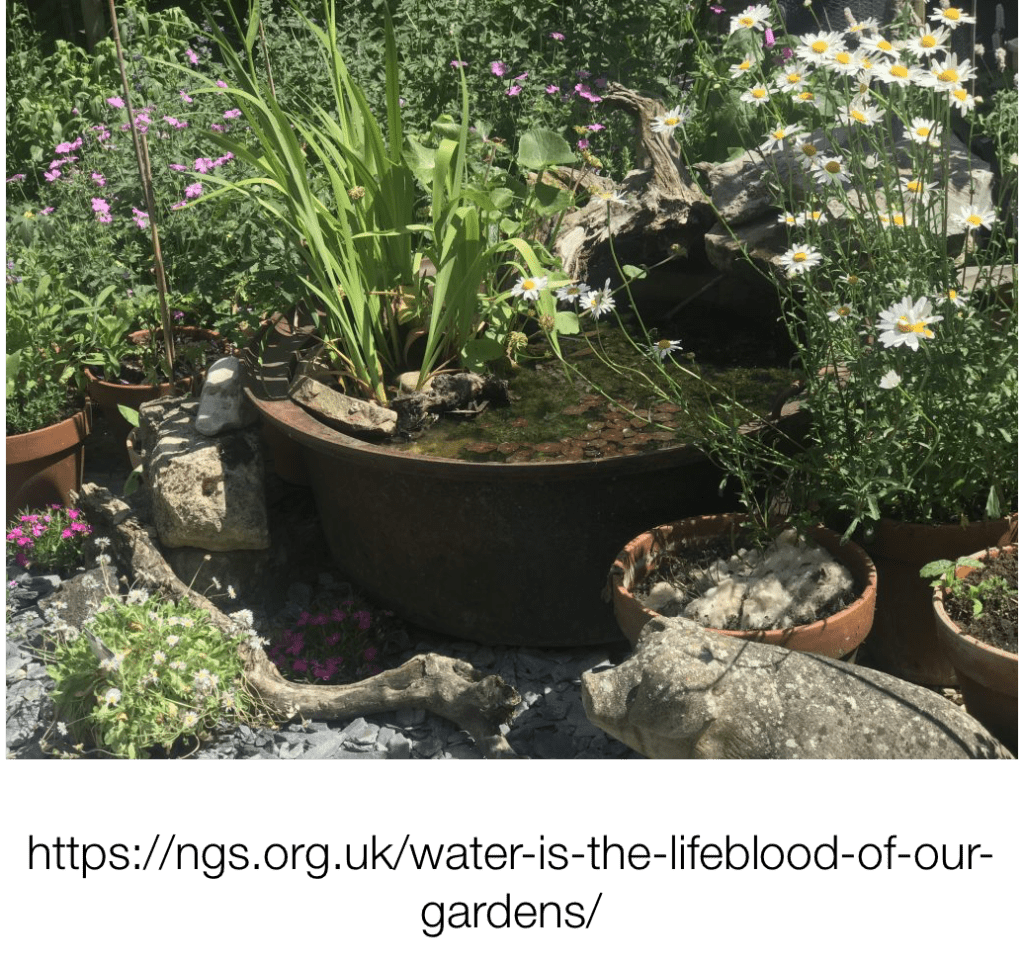
The WWT in partnership with the National Garden Scheme is encouraging people to create a pond – even a small one – in their garden to encourage wildlife and help replace some of the 50% of ponds lost during the 20th century. Gardens are an important part of the green environment. 

https://www.wwt.org.uk/news-and-stories/news/new-partnership-to-champion-garden-wetlands

How to make a mini pond – https://www.wildlifetrusts.org/actions/how-create-mini-pond

Counting on …day 82

2nd February 2022

Investing in natural solutions to tackle climate change. Today is International Wetlands Day and the “WWT is  launching a major new public campaign Wetlands Can! urging people to get behind our call for the creation of 100,000 hectares of healthy wetlands in the UK to help combat the climate, nature and wellbeing crisis. The public can do this by signing a pledge to press the UK government to prioritise and invest in more wetlands.”

https://www.wwt.org.uk/wetlands-can

 Counting on … day 71

23rd January 2022

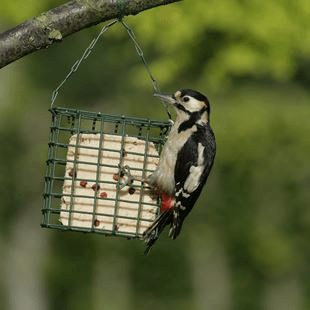
Watching birds come into the garden is a great pleasure. Providing them with food, water and places to shelter (and later to nest) is rewarding. Birds are vulnerable to viruses so it is important to keep clean the places where they are fed. 

https://www.rspb.org.uk/birds-and-wildlife/advice/how-you-can-help-birds/feeding-birds/keep-your-bird-table-healthy/

Green Tau: issue 29

Caring for creation with every meal – Use your LOAF!

What we eat impacts the world around us – the welfare of animals, the welfare of wildlife, the fair sharing of water, the  fertility of the soil, the  well being of those who grow and produce food. It also contributes to the climate crisis. Making step by step changes, we can better care for creation.

The organisation Green Christian has produced the nemonic LOAF – Local, Organic, Animal friendly, fairly traded – to help us buy and eat sustainably with care for the world. https://greenchristian.org.uk/gc-campaigns/loaf/

L locally grown, locally produced. 

Local reduces the carbon miles attached to our food. Local keeps us in touch with those who grow, make and sell our food. Growing our own keeps us in touch with the soil itself!

O organic.

Food, whether that is crops grown or animals raised, that is produced organically removes chemical fertilisers and pesticides from the environment where they cause damage to water supplies, wild life and human health. Instead organic farming works in harmony with the environment boosting its well being and biodiversity.

A animal friendly. 

Animals including birds and fish, should always be treated with care and respect. Factory farming for example, treats animals as profit-making commodities. Arable farming also has a responsibility to be animal friendly, including the wellbeing of birds and insects.

F fairly traded. 

Throughout the supply chain from farm labourer to shelf stacker, lorry driver to barista, each person deserves to be treated fairly.

In a previous issue of the Green Tau – https://greentau.org/2021/08/14/green-tau-issue-12/

I have written about food and our carbon footprint. The Ethical Consumer’s Climate Gap Report notes that to be on track for net zero we need to reduce the carbon footprint of our food by 15% by 2030. So far (ie since 2019) reductions have not even risen above 0%.  It is imperative that we do look at and adjust what we eat, to reduce waste, to reduce our carbon footprint and to reduce the negative impact we have on the environment. Eating sustainably we can safeguard our own futures and improve that of the world in which we live.

  1. Eat less meat and dairy, replacing these with plant-based alternatives. “Veganuary” makes this a good time to try different vegan options. See the Eco Tips page on swopping to a vegan diet – https://greentau.org/2021/10/12/eco-tips-11/
  2. Use local food shops. Buy locally produced food. 
  3. In supermarkets choose UK grown rather than imported fruit and vegetables. 
  4. Eat what’s in season – strawberries in May/ June, blueberries in July/ August. 
  5. Subscribe to a veg box – eg Riverford’s or Abel and Cole – or OddBox which fills its boxes with fruit and veg that would otherwise go to waste.
  6. Use local farmers’ markets 
  7. Expand the variety of fruits and vegetables that you buy. Biodiversity is an important way forward for farming – https://greentau.org/2021/10/08/the-green-tau-issue-20-2/
  8. Opt for UK produce over imports. Hodmedod sells UK grown beans and pulses rather than those that come from Canada/ China etc.  https://hodmedods.co.uk/
  9. Opt for organic produce.
  10. Opt for fair trade products. This article relates to chocolate – https://greentau.org/2021/12/11/green-tau-issue-26/
  11. Use refill shops – also known as bulk stores. Take your own containers or use the shop’s paper bags to buy loose ingredients such as beans and pulses, grains, dried fruit etc. 
  12. When buying meat, find a butcher who knows where the meat comes from and how it has been raised.
  13. Be prepared to pay more for meat and diary products that have been reared to a higher ethical standard.
  14. Use a milk delivery service such as Milk and More for both dairy and oat milk in refillable glass bottles.
  15. When buying fish, check whether it is sustainably sourced and/or farmed. Refer to the Marine Conservation Society’s guide as to which fish are not endangered.
  16. Plan your meals and your shopping to avoid throwing food away – https://greentau.org/2021/08/09/eco-tips-4/
  17. Keep a habit of saying Grace at meals. Appreciation and gratitude go together. 

Counting on … day 50

3rd January 2022

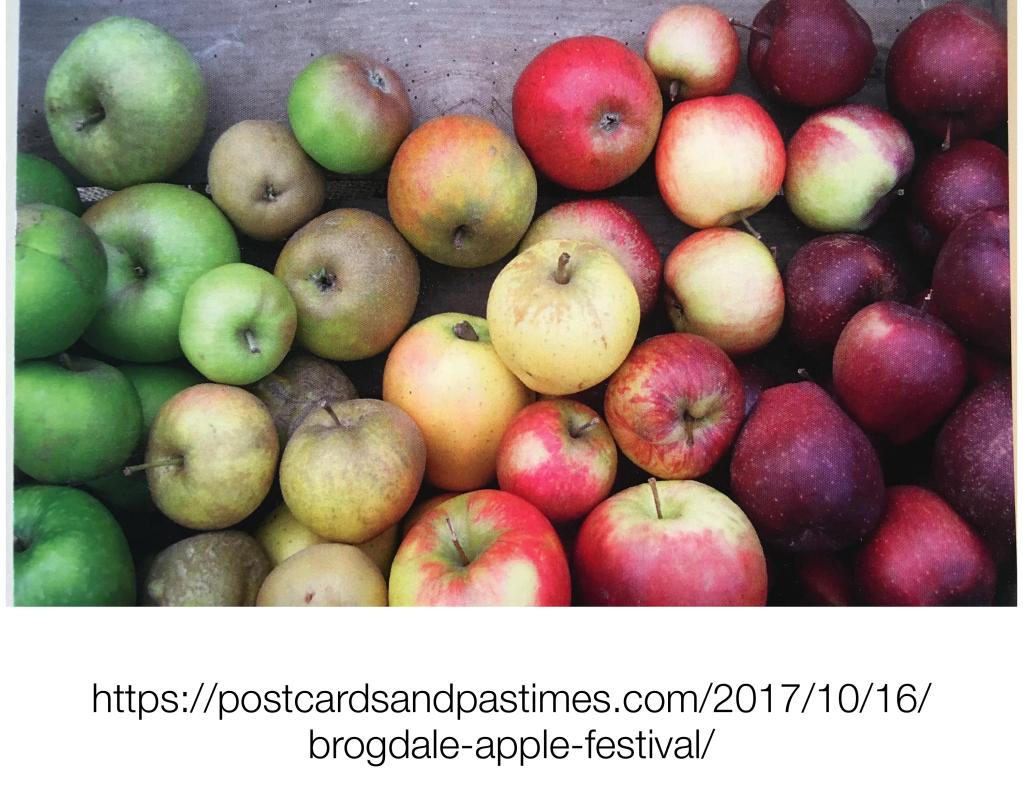
The National Fruit Collection is held at Brogdale in Kent. Of all their collections, the apple is the largest  – 2131 varieties that come from across the UK and from across the world too. There is here a rich diversity in size, taste, texture, colour and use. Diversity is good both for the pleasure it gives us as eaters of apples but also as a means of protecting apple trees against viruses and other calamities. 

Why not contact your local supermarket and ask them to stock a greater range of varieties of British grown apples? (And ideally not in plastic packaging!!)

Counting on … day 48

1st January 2022 

A day to give thanks for the charities and activist movements that we are counting on to make our lives more sustainable and the earth a happier place. 

For Friends of the Earth, the WWF, the National Trust, the Woodlands Trust, A Rocha, the RSPB , Green Christians, Practical Action, the UN, Traid Craft, the Climate Coalition, the Wildlife Trust, Christian Climate Action, Cafod, Christian Aid, the Wetlands Trust,  Extinction Rebellion and more.

Counting on … update

We can count on our corporate efforts as individuals to bring about change!

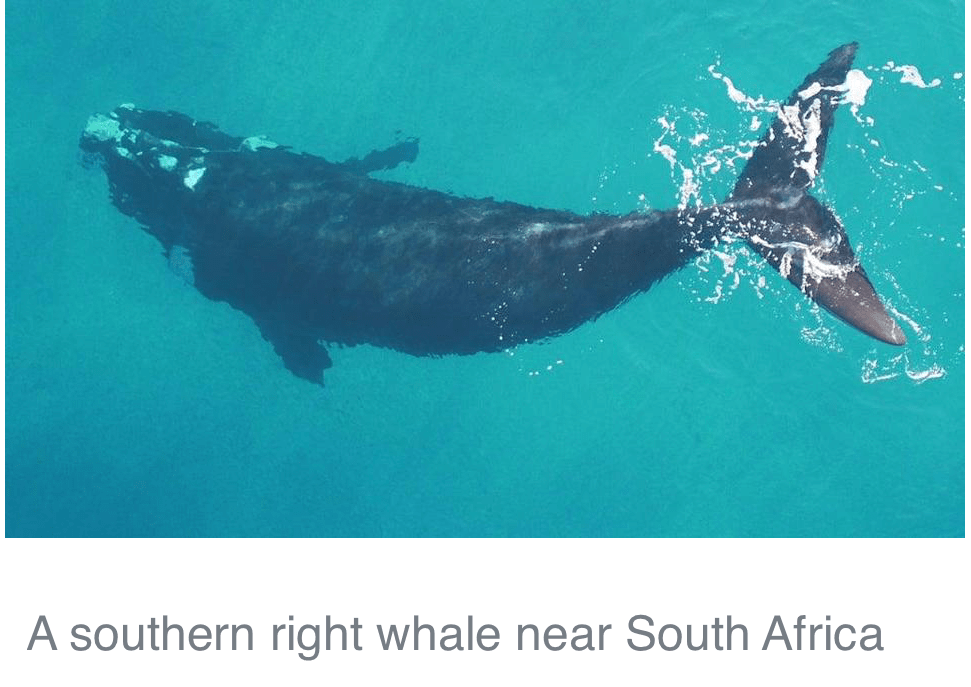
Green Peace reported: “28 December 2021: Today the Grahamstown High Court in Makhanda ordered Shell to immediately cease its seismic blasting along South Africa’s Wild Coast, while ordering Shell and the Minister of Mineral Resources and Energy to pay the costs of the application for the interim interdict.”

This is good news for the local people and for the whales and other marine life. And it demonstrates that people can work together against international businesses for the common good.

Counting on … day 43 

27th December 2021

The January sales: retailers and manufacturers may wish to count on our appetite to buy more things to clear back stock or just simply to sell more things, but the well-being of the world may be counting on us consuming less so that we do not deplete limited resources nor take more than our fair share.  Green Christians have coined the apt phrase “Joy in Enough”. The season of Christmas lasts 12 days, may they be days of joy not depletion.