The Green Tau: issue 17

17th September 2021

The Carbon Footprint of Things

Over the last few weeks Green Tau has looked at various aspects of our

 The Carbon Trust has a carbon footprint labelling scheme which it is hoped will grow in popularity

individual/ household carbon footprint and how we might reduce it as part of the overall global target of achieving net zero by 2050. 

The things we buy all have their own carbon footprint, whether that’s a pair of socks or a new car or a newspaper. The carbon footprint of things includes growing or producing the raw materials, be that iron, cotton, timber etc. Then there is the processing of those materials – turning iron into steel, spinning the cotton into yarn, timber into paper. And a further series of processes will transform those elements into the final product. Then there is the carbon footprint involved in transportation between the various stages of production and onwards to the warehouse and shop. 

It is a complex chain with lots of variables which may explain why it is hard, as consumers, to establish the carbon footprint of most consumer goods. But here are a few:-

  • A newspaper 0.3 – 0.8kg CO2
  • A pair of poly cotton pants (underwear) 0.6kg CO2
  • A paperback book 1 kg CO2
  • A cotton T shirt 2-3 kg CO2
  • A pair of trainers 10-15 kg CO2
  • A  pair of jeans 20 kg CO2
  • A smart phone 55 kg CO2
  • A lap top 119 kg CO2
  • A land rover 35 tonnes CO2

Can we reduce our carbon footprint when buying things? Yes. 

We can do some research and find out which products might have a lower carbon footprint. For example organic cotton has a lower footprint than non organic cotton because it doesn’t use pesticides and fertilisers. Polyester items have double the carbon footprint of cotton ones, but  some polyester fabrics are made from recycled plastic which is better than that made from oil. Synthetic fabrics such as viscose and rayon are made from cellulose  – eg from wood or bamboo – but require a high chemical input which adds to their carbon footprint. Tencel on the other hand uses a process with a much smaller footprint.

We can consider the life span of the product. A lap top that only lasts 2 years is less environmentally friendly than one with a lifespan of 10 years as the initial carbon cost is spread over 10 rather than 2 years. We might at this point also consider how easily the product can be repaired. Some laptops are more readily repairable. Maybe the product is something we can repair ourselves such as darning a pair of socks or replacing a zip on a pair of trousers. 

We can consider the running costs involved with the product. How much energy will it take to recharge different smart phones? How much energy will different flat screen TVs use? What about buying a hand powered alternative such as hand turned coffee grinder or a manual whisk? 

We might consider whether the product has an after life – ie can we pass on to someone else when we have finished with it? Books we have read can be passed onto a friend and donated to a charity shop. The same is true of clothes. Children’s clothes can be passed onto a younger sibling, or you might hold a ‘swishing event’ with friends. 

We should also consider how the product will be recycled at the end of its life. Some clothes manufacturers and retailers will take back old clothes and recycle them. This is easier when the fabric is from a single rather than a blend of materials. Newspaper and books can ultimately be recycled with other paper products. Electrical goods are currently less readily recycled.

Alternatively we could borrow, rent or buy second hand.  Equally we should consider whether we need the thing anyway! If we are to achieve net zero as a world, I am sure it means we will have to consume less, repairing and reusing what we do have. 

Falling in Love 17

Bright winter sun on frozen water on a frozen river. Isn’t it amazing that there can be both sun – the source of all warmth and light – and ice, a frozen lattice work of water molecules, that only forms when temperatures drop below 0C. Movement goes into suspension, holding what was previously fluid into a solid whole until the sun’s warmth eventually releases its bonds. For now the ice glints and glows as it reflects the sun’s heat away from its surface.

The world around us is full of curious, beautiful and amazing things. As small children our curiosity and our amazement knew no bounds. Every day would produce novelties- things to see, things to chew or eat, things to grab and hold, things to poke and explore. 

As we have grow older we have often lost that sense of wonder. Things that were new have become mundane. In the rush to be busy, small things flop below the radar. Decorum dictates that we shouldn’t prod or lick things and, unless we’re wine tasters, swirling stuff around our mouth and spitting are frowned upon. Stopping suddenly just to look is discouraged – it interrupts the flow of traffic. Daily routines take over. 

And our love for the world wains and falters. 

The season of creation-tide runs from 1st September till 4th October, the Feast of St Francis. Let’s fall in love again with creation. 

Count Down

Action 56: Autumn brings in new fruits and vegetables that are much to be enjoyed – different varieties of squash, apples and quinces and pears, cobnuts, sweet corn …. Why not have a vegan fortnight and see how many different dishes you can make?

Pumpkin Risotto

Dice one small onion and a couple of garlic cloves. Fry gently in a little rape seed oil.

Add 250g arborio rice and stir well. Allow the rice to gently brown before adding  a little hot water and stir well. 

Once the water has been absorbed, add a little more and stir. Add ground pepper and  some yeast flakes for extra flavour. You might also like to add a little rosemary or thyme.

Dice half a small pumpkin, or squash, and add to the rice. Continue to stir and add water until the rice is nice and plump.

Finally add a knob of vegan butter and some chopped walnuts and serve. 

Falling in Love 16

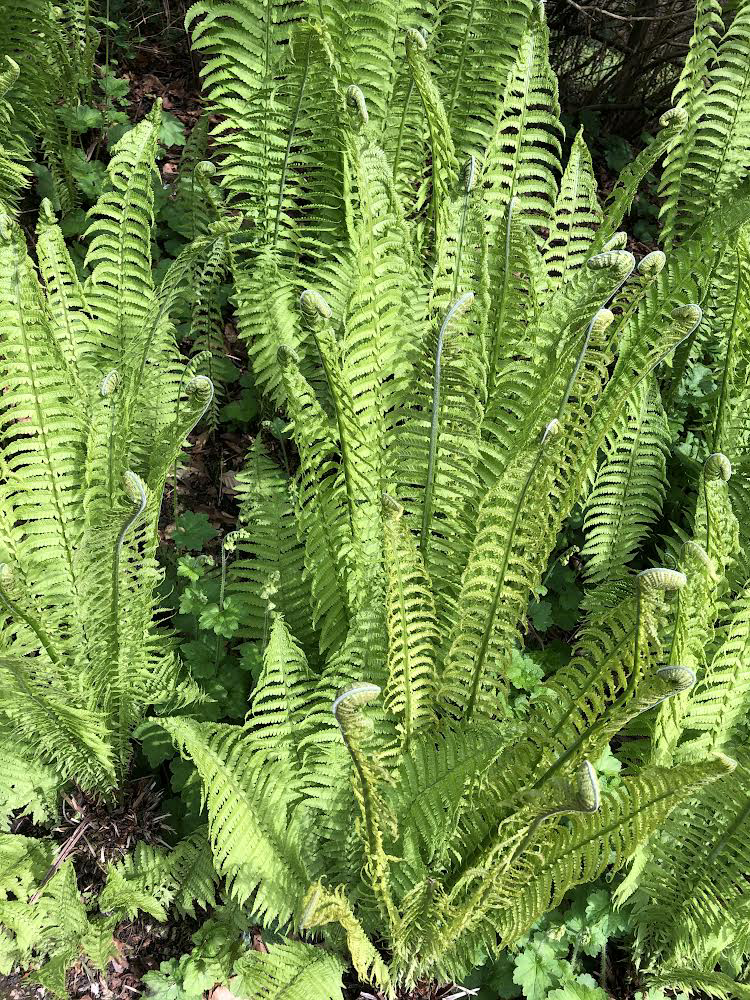
This is fern is a ‘male fern’ or dryopteris filix-mas and is native to Britain. Each leaf unfurls from a tightly wound coil known as a fiddlehead or crosier. The latter also being the name of the staff carried by a bishop which has a curled top similar to that of a shepherd’s crook. Whilst still young and small these fiddleheads can be cooked and eaten and are rich in omega fatty acids and iron. But left in situ each fiddlehead uncurls and stretches out into a tall arching frond. Oh that our spines were as flexible!

The world around us is full of curious, beautiful and amazing things. As small children our curiosity and our amazement knew no bounds. Every day would produce novelties- things to see, things to chew or eat, things to grab and hold, things to poke and explore. 

As we have grow older we have often lost that sense of wonder. Things that were new have become mundane. In the rush to be busy, small things flop below the radar. Decorum dictates that we shouldn’t prod or lick things and, unless we’re wine tasters, swirling stuff around our mouth and spitting are frowned upon. Stopping suddenly just to look is discouraged – it interrupts the flow of traffic. Daily routines take over. 

And our love for the world wains and falters. 

The season of creation-tide runs from 1st September till 4th October, the Feast of St Francis. Let’s fall in love again with creation. 

Count Down

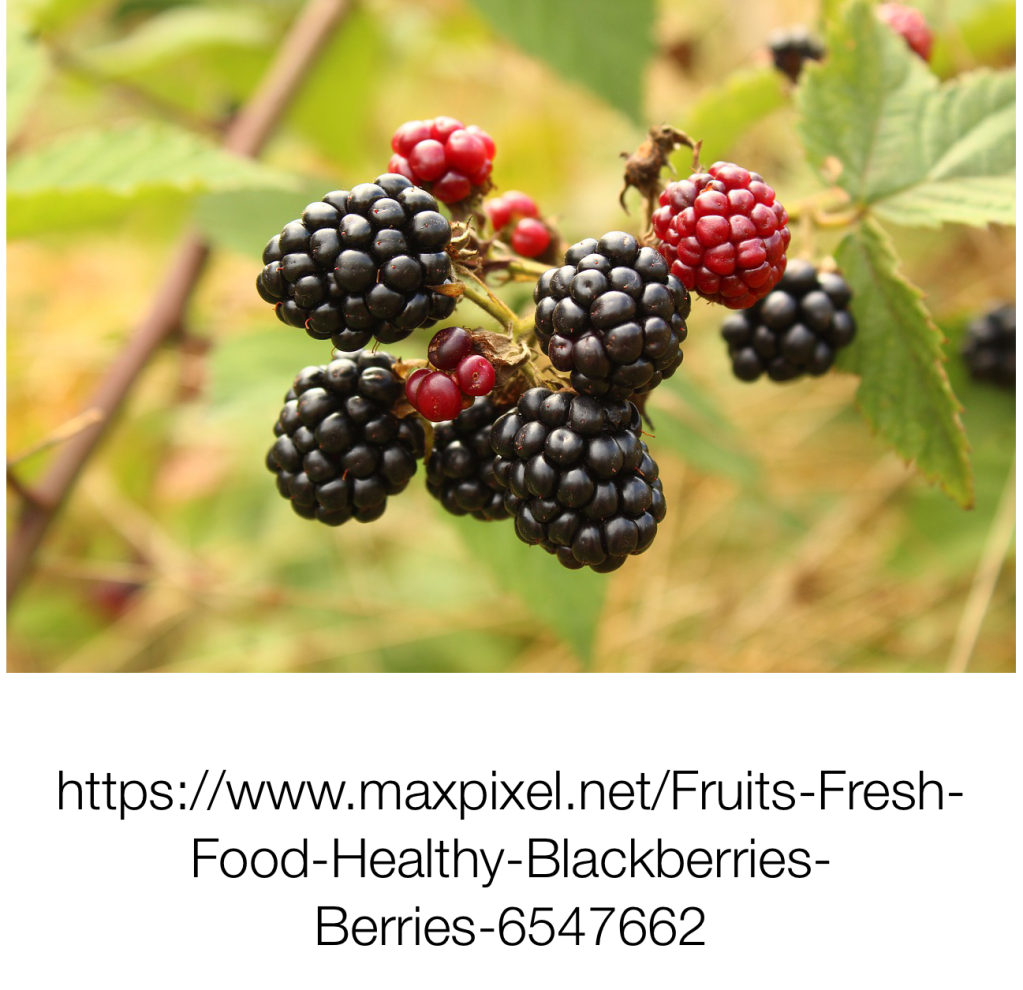
 Action 55: Nature has a tendency to be over abundant in its fruits, and this year, having had plenty of rain, there is a lovely crop of black berries. Whilst these will feed various creatures, there will be enough for us to garner a few too. Sweet chestnuts are another fruit people forage – but if you go into Richmond Park, please don’t collect them as the resident deer do rely on these for their food.

Falling in Love 15


A woodland path in the Yorkshire Dales, spring time. What can be more relaxing than to wander beneath a lacy canopy of lime green leaves, over a carpet of dappled shade and bluebells? Weather worn stones and ageing tree trunks alongside fresh grass and spring growth: both old and new are intrinsically part of life.

The world around us is full of curious, beautiful and amazing things. As small children our curiosity and our amazement knew no bounds. Every day would produce novelties- things to see, things to chew or eat, things to grab and hold, things to poke and explore. 

As we have grow older we have often lost that sense of wonder. Things that were new have become mundane. In the rush to be busy, small things flop below the radar. Decorum dictates that we shouldn’t prod or lick things and, unless we’re wine tasters, swirling stuff around our mouth and spitting are frowned upon. Stopping suddenly just to look is discouraged – it interrupts the flow of traffic. Daily routines take over. 

And our love for the world wains and falters. 

The season of creation-tide runs from 1st September till 4th October, the Feast of St Francis. Let’s fall in love again with creation. 

Count Down

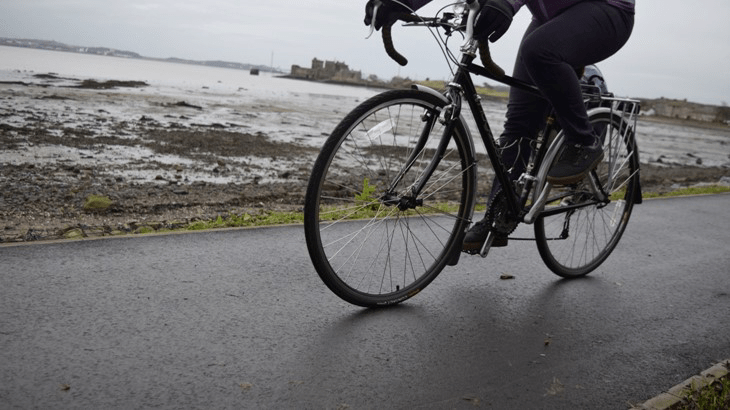
Action 54: Give your bike a thorough service so it is ready for the colder months ahead. Or book it in  with a bike shop for a service. 

With warm and water proof clothing you can enjoy cycling throughout the months ahead. Sustrans offers advice and tips on cycling and its benefits – https://www.sustrans.org.uk/our-blog/get-active/2020/everyday-walking-and-cycling/how-to-cycle-in-the-rain-look-after-your-bike-and-keep-yourself-dry/

Energy saving in the home

Reducing our carbon footprint in the home is essentially about reducing the amount of energy we use – whether that is for lighting, cooking a meal or having a wash. Here are some tips.

  • Turn off lights when they are not needed.
  • If you have an emersion heater, make sure it is well insulated. 
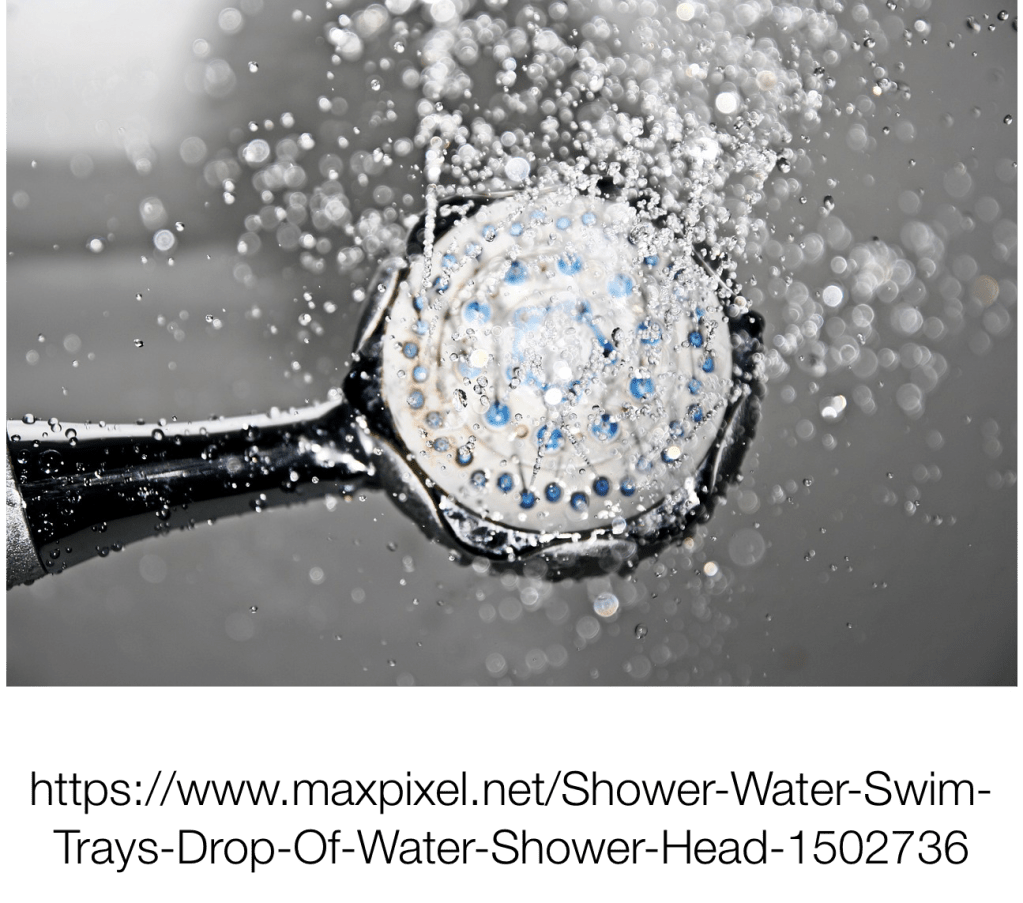
  • Have a shower rather than a bath. Limit the length of your shower time especially if it is a high pressure shower – a 9 minute pressure shower uses more energy than a bath!
  • Instead of a daily shower, wash with a flannel. We are seldom as dirty as we might think!
  • Dishwashers are meant to be efficient but are not always the most ecological way of washing up. A dishwasher uses 1KWh for a 70-100 minute programme. Heating 2 litres of water to fill a washing up bowl uses 0.2KW.
  • Boil only as much water as you need when making hot drinks.
  • When boiling with a pan on a stove use a lid to keep the heat in (except when cooking pasta as the water will boil over).
  • Limit how many pans you need to cook a meal. Try and reuse a hot plates whilst they are still hot.
  • Turn off the hot plate (if electric) before the cooking time is over so as to make good use of the heat in the hot plate.
  • If you are using the oven, plan to cook several things at once to make full use of the energy you are consuming.
  • Use a microwave for steaming vegetables, stewing fruit, making porridge/ custard etc.
  • Run your washing machine on its coldest setting and choose the shortest programme time.  
  • Only run the washing machine when it is full.
  • Don’t wash clothes until they need it: ie they smell sweaty, have a tide mark or spots. We have grown used to the idea of washing everything all the time!
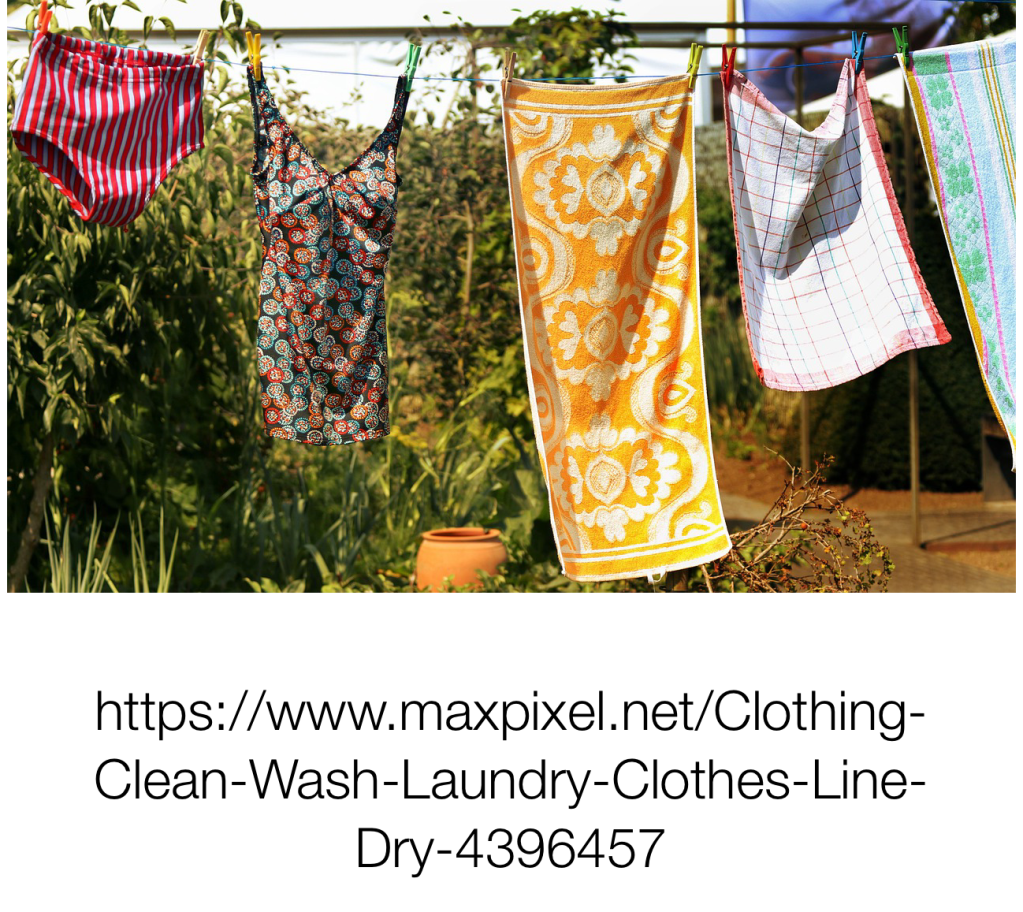
  • Hang washing outside to dry. Ideally wash things in the morning to allow plenty of drying time, especially in the winter.
  • When it’s raining, hang wet washing inside on a clothes dryer. 
  • Many kitchen appliances are labour saving but doing things by hand is good for arm muscles – and arm muscles can be applied for different  purposes obviating the need for lots of small appliances.
  • Similarly in the garden, manual appliances such as lawn mowers and brooms are good for exercise and fitness.
  • Turn off appliances when not in use as they will still be drawing a small amount of electricity. 
  • If you have solar panels choose to run electrical appliances when the sun is shining. The electricity will power these directly without any loss via the distribution system. 
  • Don’t buy new appliances until you need them. Do some research, which are ecological; which energy efficient; which have a long life; which are easily repaired if they break down? Check out Ethical Consumer’s advice: https://www.ethicalconsumer.org/ 
  • Consider buying second hand.
  • If you will only need an appliance for occasional use, consider borrowing one – eg via  neighbourhood app.

Count Down

Action 52: Plant a tree. Autumn is a good time to plant trees – if you have space why not plant an apple tree in your garden? Alternatively why not sponsor a tree? Trees, as they grow, support many different creatures as well as absorbing carbon dioxide.  

The National Trust aims to plant 20 million trees by 2030: https://www.nationaltrust.org.uk/features/plant-a-tree?intcmp=plant_atree_summer21_propertypages_teaser

Falling in Love 14

The dog rose in full bloom is a thing of great beauty. And later in the autumn when its flowers are replaced with equally beautiful bright red hips – the ripening seed pods which are popular with wild birds. From classical times, its root is said to offer a cure for dog bites and this is the origin of its botanical name, rosa canina. During the Second World War its fruits were collected to make rosehip syrup which, being high in vitamins A, C, D  and E, was a useful addition for keeping the nation healthy. 

The world around us is full of curious, beautiful and amazing things. As small children our curiosity and our amazement knew no bounds. Every day would produce novelties- things to see, things to chew or eat, things to grab and hold, things to poke and explore. 

As we have grow older we have often lost that sense of wonder. Things that were new have become mundane. In the rush to be busy, small things flop below the radar. Decorum dictates that we shouldn’t prod or lick things and, unless we’re wine tasters, swirling stuff around our mouth and spitting are frowned upon. Stopping suddenly just to look is discouraged – it interrupts the flow of traffic. Daily routines take over. 

And our love for the world wains and falters. 

The season of creation-tide runs from 1st September till 4th October, the Feast of St Francis. Let’s fall in love again with creation.