Counting on …day 88 

8th February 2022

Each time paper is recycled, the fibres become shorter and shorter and the potential for further recycling gets less. Paper towels are usually made from fibres that are already very short. For the paper towel recycling is no longer an option. Paper towels  are likely to have absorbed grease, food or other substances, which again makes them unsuitable candidates for recycling. In small numbers they can be added to your compost bin. 

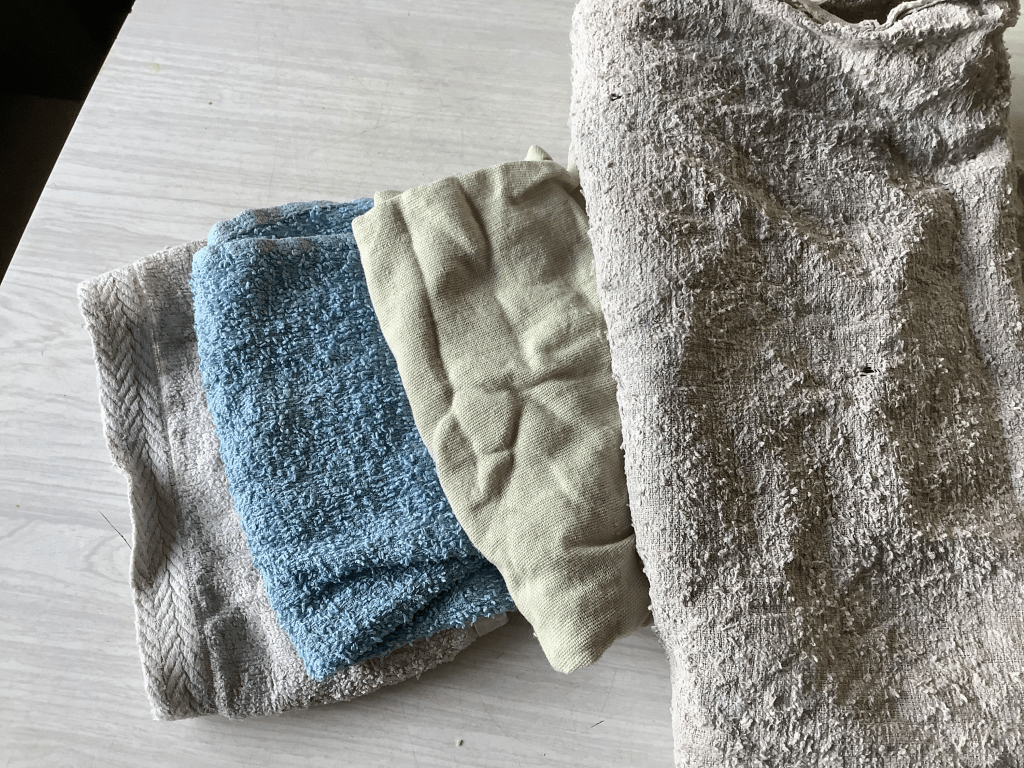
Do we need paper towels in the kitchen? Why not use cloths that can be washed and reused to wipe up spills?  Hand/ bath towels/ tea towels that become to worn for be serviceable, can be cut down and repurposed as cleaning clothes. And when they become too worn, they can go as rags for recycling – charity shops usually welcome bags of rags. 

Counting on …day 87 

7th February 2022

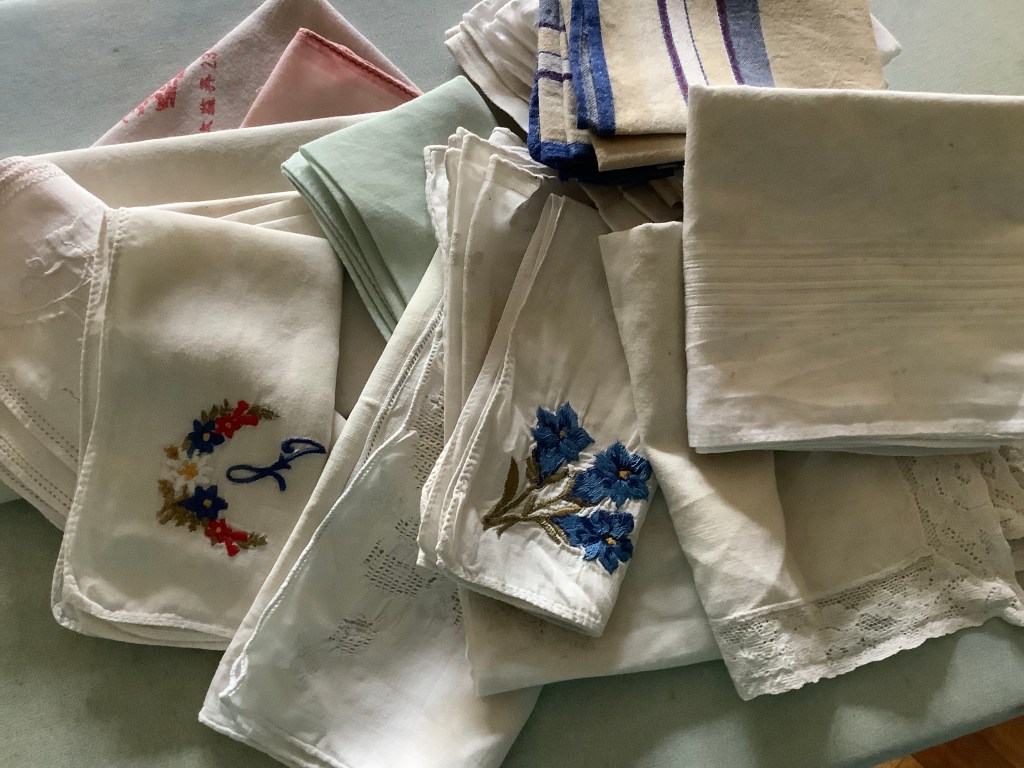
Paper handkerchiefs cannot be recycled, even though they are made of paper. They can be composted and their plastic wrapper can be recycled with other soft plastics. But a  better option is to use cotton handkerchiefs. These can be washed and reused and have a life time that can be multi generational. I am still using some fine lawn ones that belonged  to my mother-in-law.

Fourth Sunday before Lent

6th February 2022

Isaiah 6:1-8

In the year that King Uzziah died, I saw the Lord sitting on a throne, high and lofty; and the hem of his robe filled the temple. Seraphs were in attendance above him; each had six wings: with two they covered their faces, and with two they covered their feet, and with two they flew. And one called to another and said:

“Holy, holy, holy is the Lord of hosts;
the whole earth is full of his glory.”

The pivots on the thresholds shook at the voices of those who called, and the house filled with smoke. And I said: “Woe is me! I am lost, for I am a man of unclean lips, and I live among a people of unclean lips; yet my eyes have seen the King, the Lord of hosts!”

Then one of the seraphs flew to me, holding a live coal that had been taken from the altar with a pair of tongs. The seraph touched my mouth with it and said: “Now that this has touched your lips, your guilt has departed and your sin is blotted out.” Then I heard the voice of the Lord saying, “Whom shall I send, and who will go for us?” And I said, “Here am I; send me!” 

Psalm 138

1 I will give thanks to you, O Lord, with my whole heart; *
before the gods I will sing your praise.

2 I will bow down toward your holy temple
and praise your Name, *
because of your love and faithfulness;

3 For you have glorified your Name *
and your word above all things.

4 When I called, you answered me; *
you increased my strength within me.

5 All the kings of the earth will praise you, O Lord, *
when they have heard the words of your mouth.

6 They will sing of the ways of the Lord, *
that great is the glory of the Lord.

7 Though the Lord be high, he cares for the lowly; *
he perceives the haughty from afar.

8 Though I walk in the midst of trouble, you keep me safe; *
you stretch forth your hand against the fury of my enemies;
your right hand shall save me.

9 The Lord will make good his purpose for me; *
O Lord, your love endures for ever;
do not abandon the works of your hands.

1 Corinthians 15:1-11

I would remind you, brothers and sisters, of the good news that I proclaimed to you, which you in turn received, in which also you stand, through which also you are being saved, if you hold firmly to the message that I proclaimed to you–unless you have come to believe in vain.

For I handed on to you as of first importance what I in turn had received: that Christ died for our sins in accordance with the scriptures, and that he was buried, and that he was raised on the third day in accordance with the scriptures, and that he appeared to Cephas, then to the twelve. Then he appeared to more than five hundred brothers and sisters at one time, most of whom are still alive, though some have died. Then he appeared to James, then to all the apostles. Last of all, as to one untimely born, he appeared also to me. For I am the least of the apostles, unfit to be called an apostle, because I persecuted the church of God. But by the grace of God I am what I am, and his grace toward me has not been in vain. On the contrary, I worked harder than any of them–though it was not I, but the grace of God that is with me. Whether then it was I or they, so we proclaim and so you have come to believe.

Luke 5:1-11 

Once while Jesus was standing beside the lake of Gennesaret, and the crowd was pressing in on him to hear the word of God, he saw two boats there at the shore of the lake; the fishermen had gone out of them and were washing their nets. He got into one of the boats, the one belonging to Simon, and asked him to put out a little way from the shore. Then he sat down and taught the crowds from the boat. When he had finished speaking, he said to Simon, “Put out into the deep water and let down your nets for a catch.” Simon answered, “Master, we have worked all night long but have caught nothing. Yet if you say so, I will let down the nets.” When they had done this, they caught so many fish that their nets were beginning to break. So they signalled their partners in the other boat to come and help them. And they came and filled both boats, so that they began to sink. But when Simon Peter saw it, he fell down at Jesus’ knees, saying, “Go away from me, Lord, for I am a sinful man!” For he and all who were with him were amazed at the catch of fish that they had taken; and so also were James and John, sons of Zebedee, who were partners with Simon. Then Jesus said to Simon, “Do not be afraid; from now on you will be catching people.” When they had brought their boats to shore, they left everything and followed him.

Reflection 

The over arching theme of today’s readings is of being called by God. For Isaiah it seems to be a unique calling, as if Isaiah’s role is going to be unusual, out of the ordinary. When we get to the days of Paul, the number of people being called by God is growing exponentially. Paul doesn’t say so, but one senses that Paul anticipates that his readers will be the next generation of those commissioned by God to continue the spread of the good news. 

Isaiah, Paul and Simon are all clearly aware of their shortcomings, their failures, their sins. In calling them, God both recognises this,  absolves them and at the same time enables their transformation into spreaders of the good news, of salvation.  

In the ‘pericope’ or clip that Luke gives us, Jesus is preaching the good news to the crowds. But then it is as if he demonstrates this by way of a physical parable. He has chosen to borrow Simon’s boat. Simon’s overnight fishing expedition had failed. Normally Simon would have expected to make a worthwhile  catch of fish, but on this occasion the haul had been nil. Things had not been how they should have been. 

Jesus invites Simon try once more, and this time the haul of fish is beyond Simon’s expectation. Jesus has not just restored things the way they should be, he has transformed them spectacularly. The good news that God’s salvation can and does restore and transform life in all its fullness is made visible.

Isaiah was called to warn the people of Judea of the threat posed by the Babylonians to their future as a nation. This threat stemmed from the breakdown in their relationship with God, their arrogance  and their failure to listen to, and act upon, the wisdom of God. They needed to repent and change direction, to transform discern the ways in which they lived and how they should related to God. This transformation was, as recorded in the Book of Isaiah, a work in progress. 

Jesus called Simon to completely change career. He was to forgo his fishing job and instead to draw people into a new way of understanding God, of realising that the promised Messiah was Jesus, and that with him they would find healing and fulfilment of life. This was a calling that was to shared with a growing number of his contemporaries.

Paul’s calling also involved a change in direction, from persecuting anyone who threatened the age-old, traditional and exclusive understanding of the God of Israel, to that of  preaching a message that invited everyone, whatever their status or background, to participate in the salvation that God offered through the living presence of Jesus Christ. Again this was a calling that was shared by others, both then and through each subsequent generation, right down to us today.

I wonder what your calling might be? For me, it is endeavouring to honour God’s desire that we should care for creation, by  sharing the ways of living fairly and sustainably, and endeavouring to win the hearts and minds of others to be  equally enthused and engaged with God’s hopes for creation. Loving sustainably according to God’s wishes, God’s wisdom, will I believe restore and transform the world, over coming all the crises with which we are beset. 

 Counting on …day 85

5th February 2022

We consumers can make a difference: the way we shop can and does change the way supermarkets and smaller stores operate. 

Harry Rose, editor of Which?, said: “We know that consumers increasingly want to shop sustainably and our in-depth analysis of three key areas shows that all the big supermarkets could be looking to make some improvements. The good news is shoppers can make a big difference themselves by adopting more sustainable habits, such as buying loose fruit and vegetables, buying seasonal local produce, eating less meat and dairy and limiting their own food waste.” 

https://www.theguardian.com/business/2022/feb/04/waitrose-lidl-eco-friendly-supermarkets-which-plastic-waste

Counting on … day 84 

4th February 2022

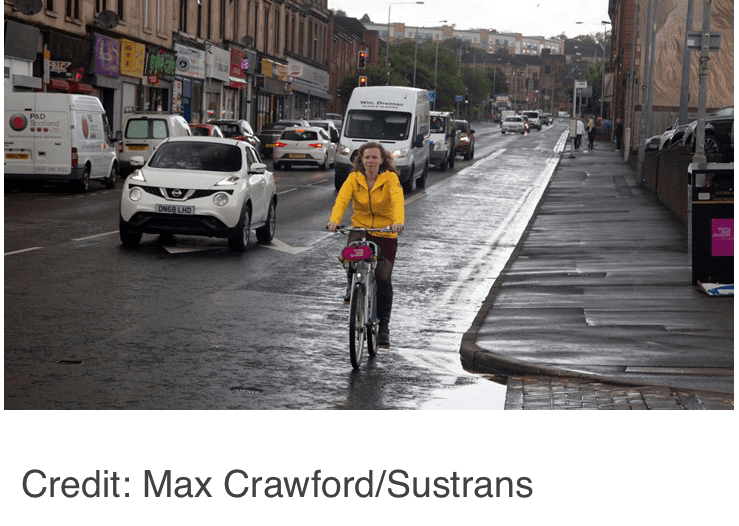
As the evenings are getting lighter, maybe you feel encouraged to cycle more. Cycling is good for mental and physical health as well as the health of our local  environment. Recent changes to the Highway Code should make active travel (ie on foot or cycle) even safer with the concept of a hierarchy of care: larger/ faster/ heavier transport users have a responsibility of care towards more vulnerable/ slower users.  For a good guide to the new rules see the Sustrans

website – 

Counting on …. Day 83 

3rd February 2022

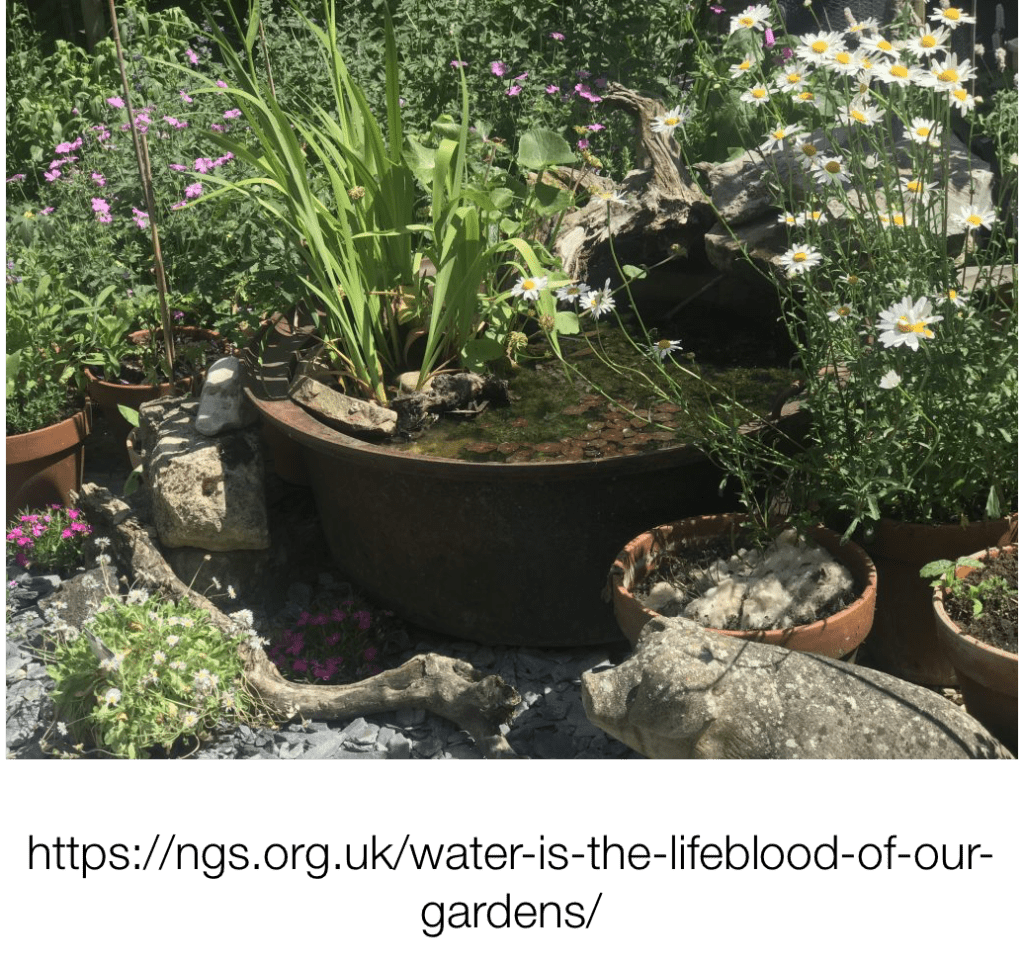
The WWT in partnership with the National Garden Scheme is encouraging people to create a pond – even a small one – in their garden to encourage wildlife and help replace some of the 50% of ponds lost during the 20th century. Gardens are an important part of the green environment. 

https://www.wwt.org.uk/news-and-stories/news/new-partnership-to-champion-garden-wetlands

How to make a mini pond – https://www.wildlifetrusts.org/actions/how-create-mini-pond

Green Tau Issue 32

Why Recycle? 

Recycling has over the years become a more topical subject, linked to a growing

awareness of concern for the environment, and in particular concerns about climate change. Over the last decade recycling rates in the Uk have been increasing. In 2010/11 42% of waste (that is waste from households) was recycled. Recycling rates reached a peak in 2019/20 of 45.5% – but last year they fell back to under 44% (a rate last recorded in 2012/13).  2020/21 also saw a small increase (1.3%) in the total volume of household waste.

Why do we seek to recycle more? How does it help the environment? How does it impact on climate change?

Reasons for recycling:

  • Reduces  the space needed for landfill. It is better for the environment if land is kept in its natural state rather than being filled with waste. The experience of the covid pandemic has shown us the value of green spaces.
  • Reduces the risk of pollution. Landfill as a means of waste disposal leads to air and water pollution as obnoxious chemicals and particulates escape. Landfill creates long term pollution as  toxic chemicals remain lodged in the soil. As materials rot, landfill sites become a source of methane one of the more powerful green house gases. Disposing of waste by incineration causes pollution, both from poisonous chemicals and from particulates that cause lung diseases. Incineration also produces greenhouse gas emissions that cause climate change. Un-disposed or improperly disposed waste creates litter. Litter is an eye sore and detracts from people’s quality of life. Litter can harbour and spread desirable bacteria etc. Litter can blocked drains and rivers, leading to flooding. It can be consumed by animals causing injury or death. Through the food chain, micro quantities of plastic are now being found in the bodies of all living creatures, including ourselves. 
  • Recycling conserves limited natural resources. There comes a point at which the supply of natural sources of materials – iron ore, helium gas, lithium etc -will run out. Then we will have to rely on reusing these materials.
  • NB Helium gas cannot be manufactured. It has to be carefully mined as once released into the atmosphere, its light weight means that it floats straight out into the outermost part of the atmosphere. Helium is an essential gas used in the operating of MRI scanners – we cannot afford to use it in party balloons.
  • Recycling conserves energy used in producing raw materials. Aluminium in particular requires large amounts of energy to extract the metal from the bauxite. Far less energy is needed to create fresh aluminium from pre-used aluminium.
  • Recycling can save or earn money. Metals such as gold and aluminium obviously have a high scrap value, but as too do other materials such as glass, plastics, paper and card although the economies of scale vary.
  • Recycling allows for the replenishment of natural resources. Recycling – ie composting – food waste allows the nutrients in the waste to be returned to the soil to maintain its fertility. 
  • Recycling materials can avoid the destruction of habitats. Using recycled paper and cardboard avoids the need to cut down trees and the associated destruction of woodland habitats.
  • Recycling reduces pollution. Using recycled plastic to make a bottle cause far less pollution than would be  involved in first extracting and transporting oil, and  then in processing the oil to  turn it into a plastic ready for making into a bottle.
  • Recycling can save water. Making clothes from recycled cotton uses less water than growing cotton to produce new cotton. Recycling paper uses less water than making paper from timber. 
  • Recycling can reduce transport costs and emissions. If the recycling takes place locally, it avoids the costs of transporting raw materials from further away. The converse is also true. Recycling is not energy efficient of the materials to be recycled are sent far away/ overseas to be recycled before being returned as new products. 
  • Recycling only works if people then buy the recycled product. Recycling paper, but never buying and using recycled paper does not help. Recycling plastic bottles only helps if we then buy drinks/ laundry liquids etc in recycled plastic bottles. Recycling aluminium foil only helps if we then buy recycled aluminium foil. We need to close the loop!

Recycling does benefit the environment and does limit some of our production of carbon dioxide emissions. Why then are recycling rates so low? Can we afford financially and environmentally to throw away more then 50% of our household waste?

See also:-

Recycling eco tips https://greentau.org/2021/12/20/eco-tips-16/

Stewardship of things https://greentau.org/2021/09/20/eco-tips-8/

The ins and outs of packaging https://greentau.org/2021/08/16/eco-tips-packaging/

Zero waste https://greentau.org/2022/01/27/eco-tips-zero-waste/

Counting on …day 82

2nd February 2022

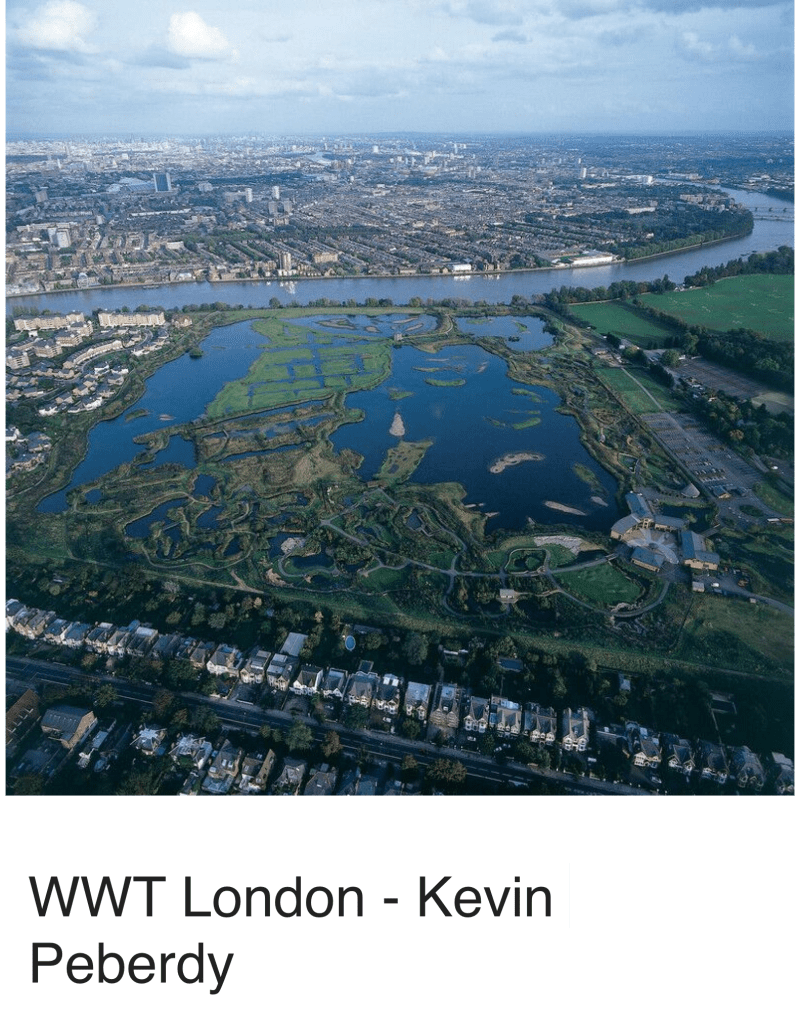
Investing in natural solutions to tackle climate change. Today is International Wetlands Day and the “WWT is  launching a major new public campaign Wetlands Can! urging people to get behind our call for the creation of 100,000 hectares of healthy wetlands in the UK to help combat the climate, nature and wellbeing crisis. The public can do this by signing a pledge to press the UK government to prioritise and invest in more wetlands.”

https://www.wwt.org.uk/wetlands-can

Counting on …day 81

31st January 2022

When my clothes wear out – beyond repair – I bag them up and take them, labelled as rags for recycling, to the local charity shop. I then try and buy clothes made from recycled materials to square the circle/ close the loop. This is harder than you would think! 

One company that does take back its own clothes so that they can be both recycled and reused, is Rapanui. (NB the recycling of the old clothes and the manufacture of new ones takes place in India).

“The fashion industry is a linear model where resources are taken and turned into waste. Lowering impact or buying less slows fast fashion down but it doesn’t change the outcome. We are fundamentally different because circular design is applied at every stage. Unlike recycled clothing, which only works to slow down the process, a circular economy is designed for products to be returned and remade again and again. Meaning they will never go to waste. Get your year off to the best start by helping us in sending back your old Rapa products. We make new products from the material we recover, and the cycle itself is renewable. With your help, we can work towards ending waste for good.”