Counting on … day 181

13th May 2022

Eating less meat is good for the environment, for the climate and for releasing resources to ensure everyone across the globe can be fed. An environmental newsletter, The Conversation, provides tips  to help people reduce the amount of meat they eat, based on research by the LEAP team (Livestock, Environment and People) at the University of Oxford. 

  1. Make at least one of your main meals vegetarian.
  2. Double the veg, halve the meat in your meals.
  3. Set a maximum number of animal products to eat today and stick to it.
  4. Try a new vegetarian recipe.
  5. Make your lunch and dinner vegetarian.
  6. Eat only plant-based snacks throughout the day.

https://theconversation.com/uk/newsletters/the-daily-2

Counting on …day 180 

12th May 2022

“Make do and mend” reduces the amount we consume, making our lifestyles more sustainable. Repairing a pair of trousers so that they can be worn for a couple more years makes good sense. 

Repairing sheets – https://greentau.org/2021/09/20/count-down-58/ 

Darning –  https://greentau.org/count-down/

 Counting on …day 179

11th May 2022

One victim of the war in Ukraine, is the global supply of wheat. Ukraine is usually a major exporter of wheat but this year will only produce a fraction of their normal harvest. This short fall in wheat supplies will affect many countries across the world – eg Lebanon, Egypt, Somalia and Laos. Across the globe wheat is grown not just for human consumption but as animal feed too. If more people followed a plant based diet, we would be better able to feed everyone. 

 Counting on ….day 178

10th May 2022

In a world where resources are limited, we need to avoid waste them.  One way is  to ‘make do and mend’. By repairing and maintaining and repurposing things we can prolong their useable lifespan before recycling them. This skilfully repaired dustbin belongs to a neighbour. The less skilfully repaired coffee filter is mine – gaffer tape can mend a lot of things. 

Counting on …day 175 

7th May 2022 

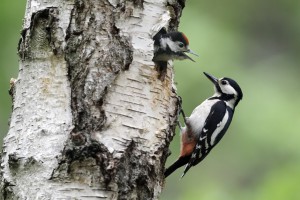
According to the recent review, the  State of the World’s Birds, 48% of bird species populations are in decline, 39% are stable,  6% showing increases whilst a further 7% have unknown trends. The major cause of decline in bird populations is the growing footprint of human consumption. Alexander Lee, of the Metropolitan University Manchester and leader of the review, says that people should not feel helpless: “We all have connections [to birds]. If a company is associated with deforestation in Brazil, don’t buy stuff from them,” he said. “And if everyone spares as much land as possible within their gardens for nature, then that adds up to quite a large area. Another lever is voting – we get the politicians we vote for.”

https://www.theguardian.com/environment/2022/may/05/canaries-in-the-coalmine-loss-of-birds-signals-changing-planet

 Counting on …day 174

6th  May 2022

As a prolonged period of hot dry weather is forecast, the RSPB is inviting us to provide extra help for the migratory birds that are arriving in the UK. https://www.rspb.org.uk/about-the-rspb/about-us/media-centre/press-releases/mud-pies-for-house-martins/

The RSPB is urging the public to get their hands dirty this weekend and create mud pies to help endangered birds such as house martins, swifts and swallows get enough sludge to build their nests.

A nine-day mini-heatwave is hitting the UK, which coincides with the return of migratory birds here to breed. Many of these birds have flown thousands of miles on their journey. But conservationists are concerned that the ground is getting so hard it could stop them from being able to make their nests.

By leaving out dishes of mud mixed with water, or creating little puddles in the garden, the public can make a big difference, said Becca Smith, of the RSPB. “It’s the easiest thing that people can do to help these birds after they’ve flown all the way from Africa to our shores. Plus, a bit of mud pie-making is fun for the weekend.”

Putting out dishes of fresh water will also provide drinking and bathing for a variety of birds. House martins – which require the most mud for nestbuilding – can mix water with soil themselves, which they then combine with things such as grass, feathers and vegetable fibres to make little cup nests under the eaves of houses. https://www.theguardian.com/environment/2022/may/05/mud-water-to-help-nesting-migrating-birds-during-uk-heatwave-rspb-aoe

 Counting on …day 173

5th May 2022

Access to green and blue spaces is important for our own physical and  mental health as well as being good biodiversity. The Green Space Index by Fields in Trust found that more than 2.5 million people lived more than a 10-minute walk from the nearest area. The Office for National Statistics reports that one in eight households (12%) does not have access to a private or shared garden. 

Campaigners are calling on the Government to do more to ensure everyone has access to green spaces.  https://action.wildlifetrusts.org/page/97830/petition/1