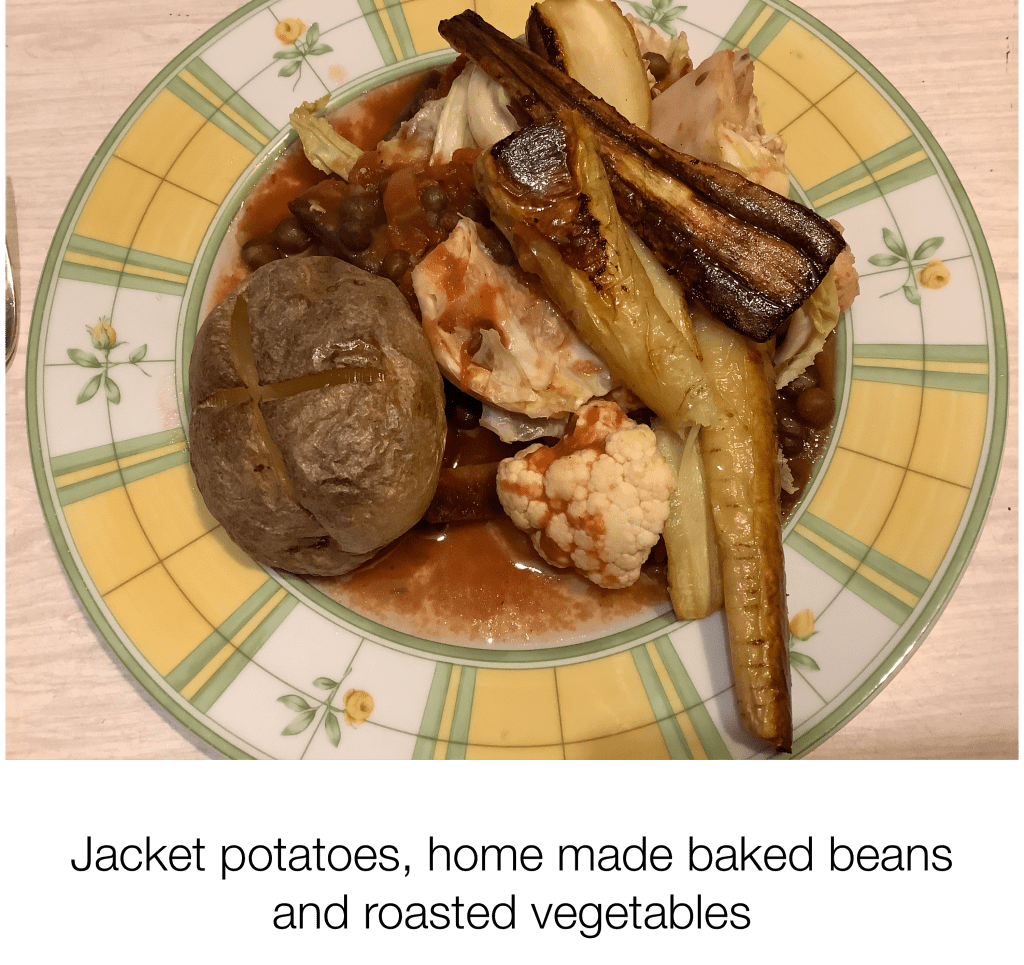
Counting on …. Day 119

11th March 2022

The crisis in Ukraine has highlighted our dependency on oil and gas, whilst at the same time the IPCC is again highlighting the urgent need to rapidly reduce our carbon emissions. This is the time to cut back on our use of fuel for heating homes and water, and for driving cars. We can also contribute by cutting back on flights and imported goods, rather aiming to shop locally.

Counting on … day 118 

10th March 2022

Spring is a good time for foraging. Plants are beginning to sprout and it is often the newest, youngest leaves or shoots that are sweetest. Our garden is a quasi wild garden, so I can forage there for dandelion leaves – good for salads, or for use as spinach – and nettles whose young leaves are good in soups. 

Nettles are an important food for various caterpillars. Dandelion flowers are an important food source for various insects including bees, whilst their seeds are popular with goldfinches. 

Counting on …day 117 

9th March 2022

Throughout the year there are seasonal vegetables that suddenly pop up – either in the garden or in the shops. Things that give a little lift and excitement to the everyday. This week it was the first wild garlic leaves which if you love in rural areas you can pick fresh from hedgerows. Wild garlic is also known as ransom. If you plant them in your garden bear in mind that they spread and grow rapidly 

Counting on …day 115 

7th March 2022

Another potential garden pest is the aphid. There are about 500 different types of aphid in the UK, most of whom are partial to a particular type of plant: eg the mealy cabbage aphid likes brassicas, the black bean aphid likes broad beans,  and the plum leaf-curling aphid likes plum trees. Whilst they can damage young leaves that one hoped to eat, they do not diminish the  productivity of the plant as much as one would expect. On the other hand aphids do provide food for a large number of other insects – Lady birds, hover flies, lace wings, wasps, earwigs, and beetles. These insects themselves are a source of food for other creatures such as small birds. In other words aphids are an important part of the food chain and an important contributor to biodiversity. 

The RHS recommend various ways of curtailing aphids should that be necessary – eg early in the season when there are fewer predators at hand to keep numbers in check. https://www.rhs.org.uk/biodiversity/aphid-predators

 Counting on … day 112

4th March 2022

‘Counting on’ can have the meaning  interdependency. About a third of the foods that we enjoy only reach our plates because of the input of pollinators – bees and other insects and even bats. Without such pollinators our diets would be severely compromised. Imagine breakfast without coffee or fruit, treats without chocolate or nuts. Looking after pollinating insects is to look after our wellbeing too.

Counting on …day 111

3rd March 2022 

Bees or sugar? Warmer winters, a result of climate change, encourages aphids to thrive. Aphids can spread yellow virus that can damage sugar beet crops. Where sugar beet is not grown organically (which would be the better option for our own health and that of the soil) farmers can choose to spray their crops with pesticides. This year British Sugar has again been granted  permission to spray sugar beet with Cruiser SB, a neonicotinoid that is known to be harmful to bees and which is banned in Europe. Is the loss of some of the sugar beet crop, sufficient reason to knowingly harm bees and other insects, as well as polluting rivers and damaging the soil? 

The better option would be to reintroduce organic production of sugar beet here in the UK, using methods such as ‘crop selection, crop rotation, fertility build, inter-cropping, establishing insect predator habitat’  https://cdn.friendsoftheearth.uk/sites/default/files/downloads/Sugar%20Beet%20briefing_FOE_Buglife_PAN_02.2018_0.pdf 

See also https://www.theguardian.com/environment/2022/jan/14/uk-charities-condemn-betrayal-of-allowing-bee-killing-pesticide-in-sugar-beet-crops

Lent Reflection

 Counting on ….day 110

2nd March 2022

Dust and ash – a reminder of our frailty, and a reminder of our connectedness with the whole of creation. We are part of a most amazing world, a world of intricate life cycles which we damage at our peril. We count on God, asking God to be the means by which we can transform our lives. 

Counting on …day 109 

1st March 2022

Today is Shrove Tuesday. Shrive comes from the Old English to write, and thence to assign or prescribe, and from that to confess. Today would be a good day to list all the things that we feel are out of kilter in our lives and in the lives of our society, with perhaps a particular focus on those relating to our care of creation.