Green Tau: issue 21

15th October 2021

Biodiversity and regenerative agriculture
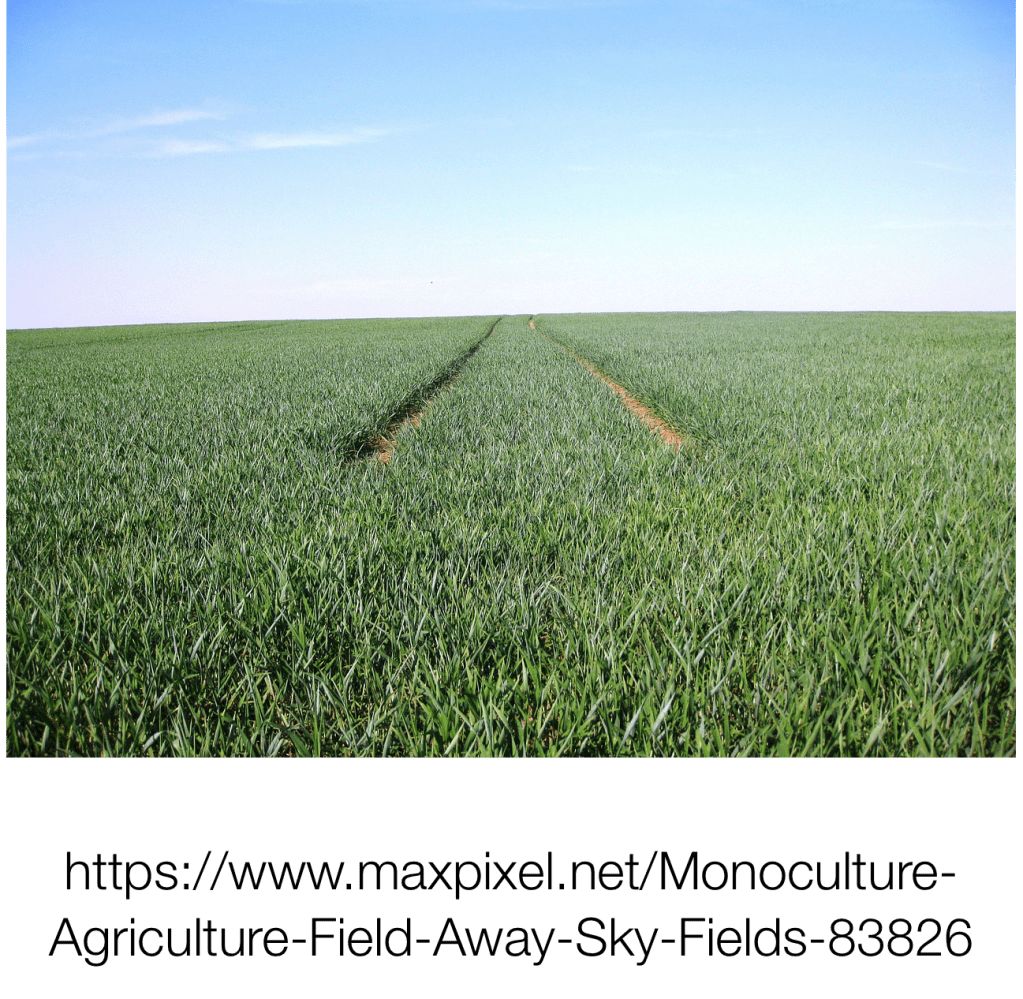
Last week we looked at the tendency for agriculture to a) expand into virgin territory at the expense of flora and fauna biodiversity, and b) to be concentrated around a narrow number of crops and animal species. Agricultural practices are the source of further challenges.  

In a drive to be more productive and more economic, many agricultural businesses have gone for the large scale – large farms, large fields, large machinery – creating landscapes that devoid of trees and hedges and instead are vast tracts of identical crops. Monoculture does not support biodiversity. Fields of rape may provide near endless quantities of flowers that are attractive to pollinators, but once they have flowered there is a dearth of food sources for those pollinators. With their demise, comes the demise of other birds and animals that rely on them as part of the food chain. 

Monoculture also provides a good environment for the spread of plant diseases and the proliferation of weeds – the latter might be suppressed by a diversity of plants, some overshadowing the weeds, or by insects and larvae that might feed on them. The net result is that to sustain monoculture, crops must be sprayed with pesticides and herbicides, neither of which is good for biodiversity. For the soil this can be a particular problem. Soils rely on insects, beetles, and many micro-organisms to keep the soil rich with nutrients and to maintain a good soil structure.  Soils that become damaged or depleted  of nutrients become reliant on the addition of chemical fertilisers to maintain their productivity. However these can be damaging to biodiversity, especially when nitrates are washed through the soil into local water ways where they form algae blooms and damage both flora and fauna. 

Whilst agriculture can be part of the biodiversity problem, it can also be part of the solution. 

Regenerative Agriculture 

Whilst the term ‘regenerative agriculture’ was first used in the early 1980s as concept that aimed to make agriculture not just sustainable, but positively beneficial for the environment. However it has only more recently gained popularity.

There is as yet to fixed definition of what regenerative agriculture is, nor how it is to be practiced.  Terra Genesis International working in Thailand has determined its principles as:- 

  • Progressively improve whole agroecosystems (soil, water and biodiversity)”
  • “Create context-specific designs and make holistic decisions that express the essence of each farm”
  • “Ensure and develop just and reciprocal relationships amongst all stakeholders”
  • “Continually grow and evolve individuals, farms, and communities to express their innate potential”

What I think is interesting here is the inclusion of the people involved in farming and their communities.

The UK’s Regenerative Food and Farming (https://regenerativefoodandfarming.co.uk/) recommends the following farming practices:-
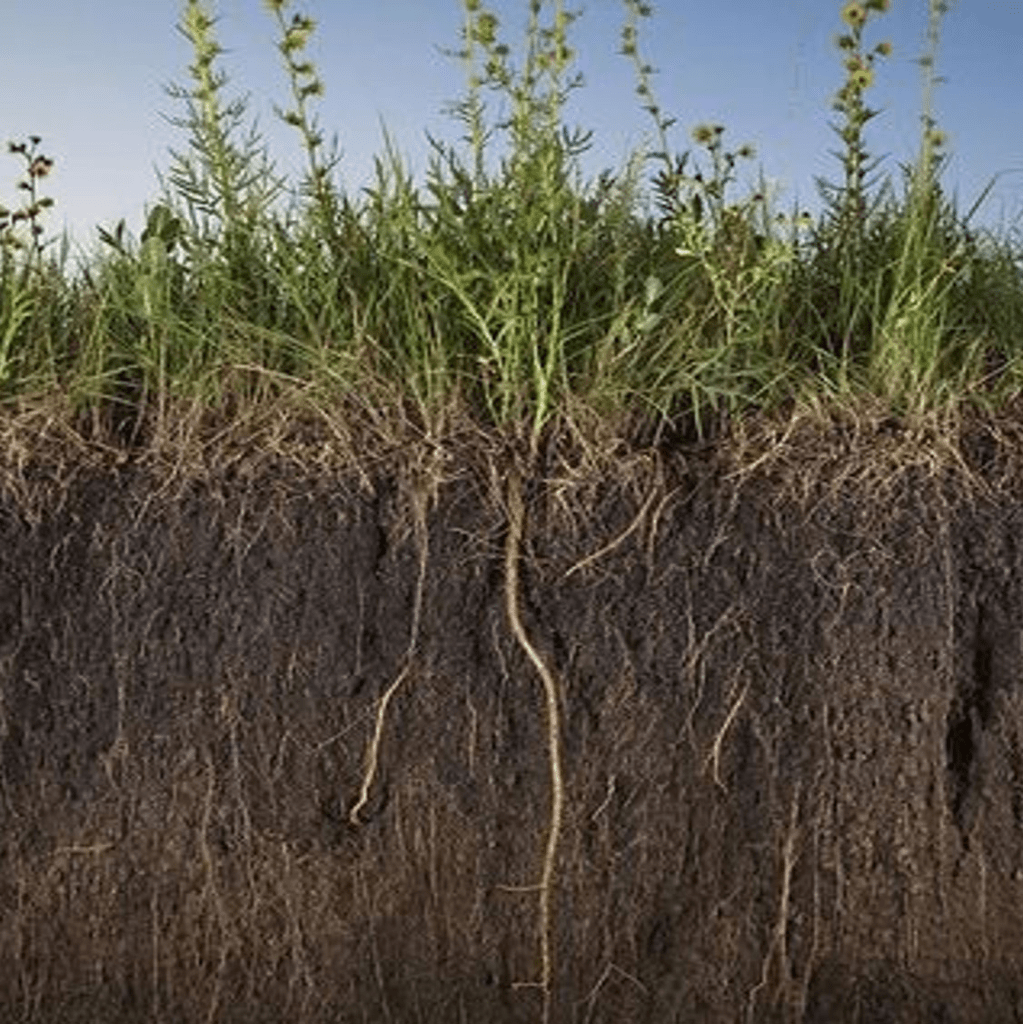
  • No or low tillage, ie not ploughing the soil or removing the remnants of the previous before sowing, and maintaining some form of vegetative cover at all times. This helps to keep both CO2 and water in the soil, rather than it escaping into the atmosphere.
  • Diversifying what is grown using mixed planting, intercropping (including sylvan agriculture which grows crops in between trees), and relay cropping. There is a focus on growing more of what is needed locally which minimises the distance food has to be transported.
  • Using animals as part of crop rotation.
  • Not over grazing fields.
  • Stimulating micro-organisms in the soil by maintaining living roots in the soil at all times and by adding organic compost.
  • Avoiding the use of chemicals on the land and minimising antibiotics given to animals – sometimes these are used to stimulate growth rather than for treating diseases.
  • Adding tree, perennials and wild flowers to the landscape.
  • Rewilding areas of landing and creating corridors between them.

Such agricultural practices not only benefits biodiversity, they also improved get capacity of the soil to sequester carbon, reduce the carbon emissions of the farming industry, assist with flood prevention and reduce the water needed by farms.

If you are interested in regeneratively farmed produce, google to see what’s available locally. On a larger scale companies such as Ben and Jerry, Nestle and McDonalds are seeking to source their ingredients from regenerative farmers. 
Count Down

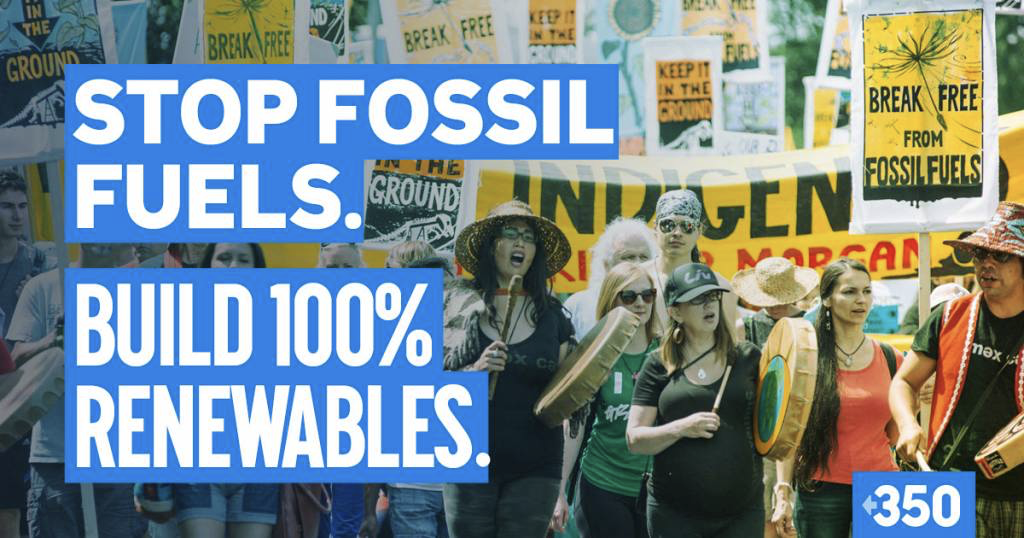
 Action 83: Seek Justice! 350.org is demanding that we the richer nations and businesses should act justly in response to the climate crisis: ie

  • Pay their fair share: Increase and fulfill climate finance pledges
  • Stop funding fossil fuels: End all support to the coal, oil and gas industry
  • Finance a just transition: Leave no country or worker behind to suffer. Invest money into proven solutions, green jobs & clean, renewable energy for everyone.

Where one or two …


A drop of water

falls.

Drip.

Another.

Drip.


Drip, drop – more fall. 

The drip becomes a trickle;

Drip, drip, drop -.

the trickle a stream.

The stream becomes a river,

a down pour, a torrent –

surge, rush, roar.


A flood begins with just a drip. 

Snow.

Sun on snow. 

A little warmth,

a little melting.

A moment of easing,

    loosening, 

         a shifting of weight.

                 gathering momentum –

 And whoosh! 

A million tonnes of speeding snow.


An avalanche begins with just one flake.

A swallow

perched on the telephone wire,

testers slightly. 

Now or later?

One swallow, two.

Another, three. Sway.

Now or later?

Four, six; 

Eight, ten. Now?

Gather, check, sense the air.

Now? Now!

Up, and away, 

wings beat, compass set,  

off – 

fare well.


Where one or two are gathered, 

change begins.

May God bless our endeavours.

Count Down

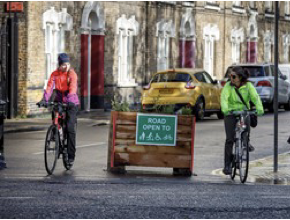
Action 82: Improve your cycling confidence. Cycling is good for our  health and our environment. There are plenty of organisations who work to encourage and promote cycling, with  practical support and through campaigns. 

https://www.bikeisbest.com/article-search#Lump4298

https://www.sustrans.org.uk/           https://www.lcc.org.uk/

https://wheelsforwellbeing.org.uk/ This latter promotes cycling for those with disabilities.

Count Down

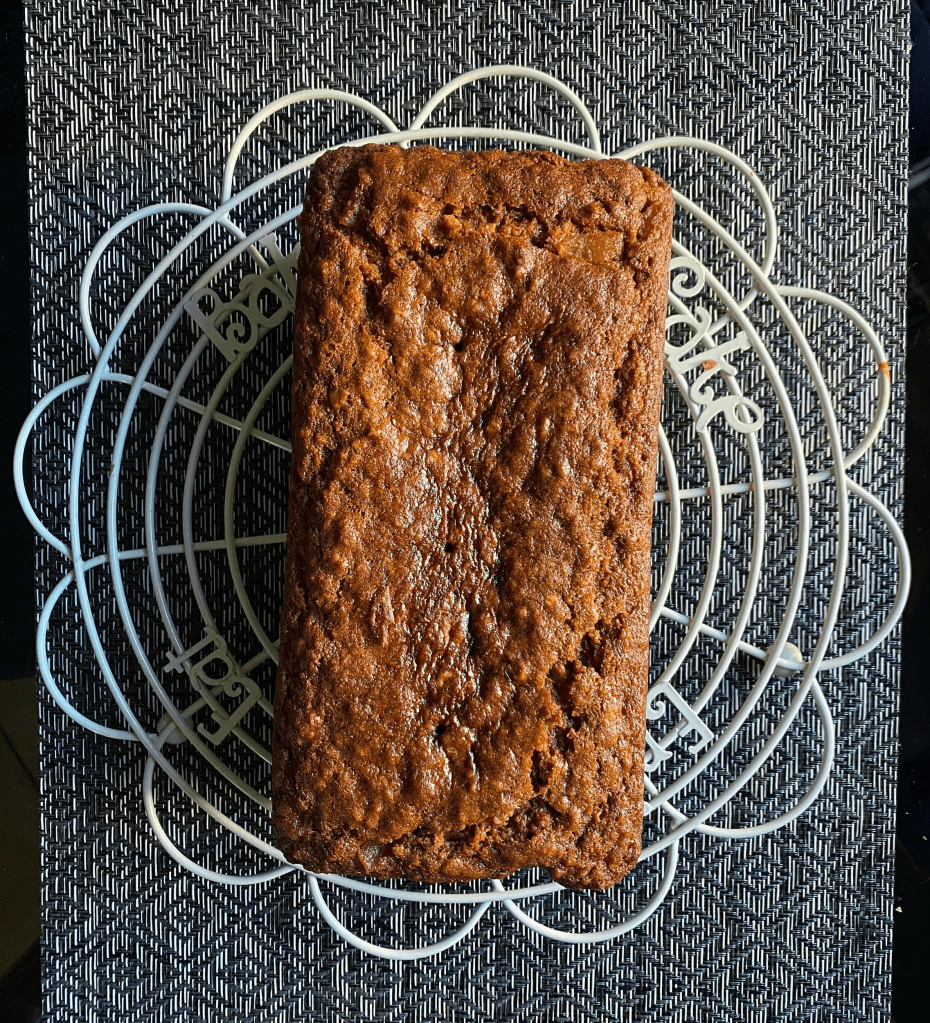
 Action 80: Autumn is a good time to enjoy spicy cakes such as gingerbread and Parkin. Parkin is a traditional cake made in Yorkshire and Lancashire using oatmeal and treacle. Also known as tharf cake or, in Derbyshire, as Thor cake – the latter is more a biscuit than a cake.  Here is a vegan recipe for Parkin: if you are not a fan of treacle, use extra syrup instead. https://littleveganspice.co.uk/home/veganparkinrecipe

Count Down

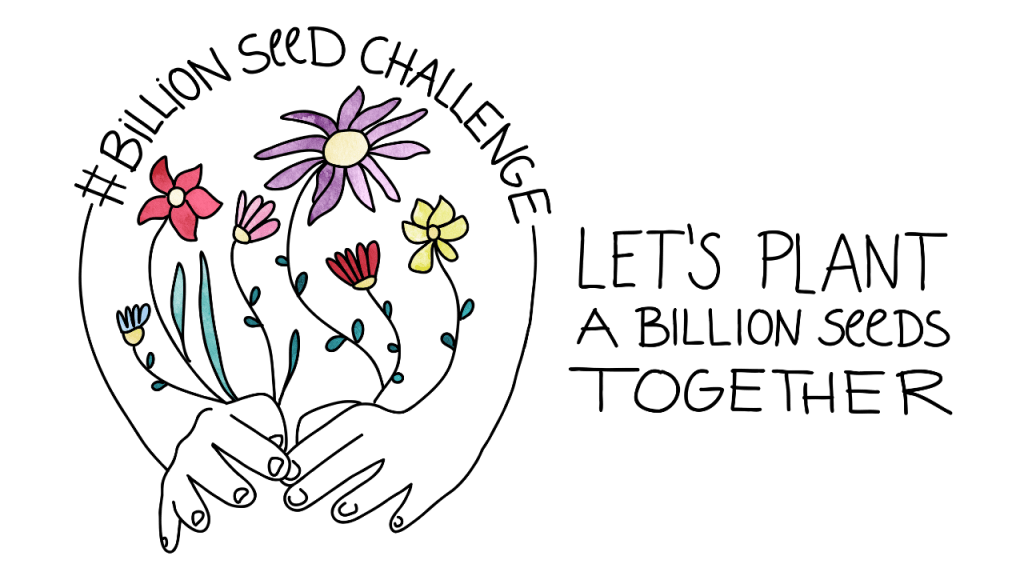
 Action 79: Autumn is a good time to sow wild flower seeds. The Climate Coalition in the run up to COP 26 has set the challenge of planting a billion seeds. https://together.org.uk/2021/09/13/billionseedchallenge/

If you have a patch of bare earth, dig it over before scattering a thin layer of seeds. If the seeds are too close together they may not grow so well. Water and then leave to slowly grow during the winter months. It may help to cover with netting or a cat’s cradle of string to stop cats and foxes digging up your seeds. 

Sunday Reflection

10th October 2021, proper 23

Amos 5:6-7,10-15,   https://bible.oremus.org/?ql=500800588, Psalm 90:12-17,     https://bible.oremus.org/?ql=500800660, Hebrews 4:12-16,   https://bible.oremus.org/?ql=500800726, Mark 10:17-31,   https://bible.oremus.org/?ql=500800772

Reflection 

Finance Coin Home Business Investment Money Bank

How true! God’s word is sharper than a two edge sword! It can probe that join between the bone and flesh, it can pierce the gap between thought and deed, it can lay open the difference between dream and reality. God’s word strikes at the heart of the matter. And so it is when the rich man comes to a Jesus for advise.

This man wants to inherit eternal life – which almost sounds as if he wants it to be something he can receive as of right rather than by effort. In response to Jesus’s questioning, he confirms he has lived his life according to the law, he has not done anything that steps over the line. Yet when Jesus questions him about his wealth, it seems that his love for his wealth is more than his love for his neighbour.

Curiously Jesus doesn’t ask if he has kept the first of the Ten Commandments, those that relate to our relationship with God. 

And the man goes away disappointed, with no assurance of gaining  eternal life.  Jesus comments how hard it is for the wealthy to enter the kingdom of God: for that is to have eternal life. And I think it is not just wealth here that is meant, but also power and privilege for the three are interlinked. Those with privilege are more likely to acquire wealth and power. Those with wealth are more likely to acquire power and privilege. Those with power to gain wealth and privilege. It is as if there is a set of rules that makes this so. We have heard so much in the news about people with money who can access government ministers to push their causes;  of multinationals who can use their power to promote use of products that harm the planet; of people who can hide their wealth to avoid paying taxes; of wealthy nations who can privilege vaccines for their citizens over those of poorer nations; of economic systems where the top 1%  holds 25% of all wealth (that’s in the UK) or 46% of the wealth when measured globally; of the longer life span that accrues to those who live in wealthier areas; or of privileged pupils who could access better education during the covid lockdown.

 From what we read in the gospels, the kingdom of God is radically different from any other kingdom, any other world-order, or any other culture. In God’s kingdom life is lived according to God’s ways, God’s logic, God’s culture. And even if squeezing a camel through the eye of needle seems impossible, for God, says Jesus, anything is possible. 

Why is it that the rich man could have so strictly followed all the rules, and yet been unable to share his wealth? Was it – and indeed is it – that wealth insulates us from the problems that other people face, that it blinkers our eyes so we don’t see the poverty that is out there, that it prevents us from understanding how hard life can be without power or privilege? 

Things were no different in the 8th century BCE in the days of Amos. Amos lambasted the people with the message God gave him. “Seek the Lord and live! … hate evil and love God, establish justice.” Amos warns that those who gained their wealth through taxing the poor and trampling on them, who deny the truth and scorn justice, who take bribes, rubbish the righteous, and push the needy aside. They will get their comeuppance and will not live in the grand houses they have built, nor drink the wines from their vineyards. 

I wonder what it would look like today to hate evil and love God and to establish justice?

Would it be in truthful journalism that exposes tax avoidance and wealth havens? Would it be in demanding the insulating of homes so that those least able to pay rising fuel bills can keep warm? Would it be in demanding government policies that would actually reduce carbon emissions? Would it be in ensuring equal access across the globe to covid vaccines? Would it be in avoiding goods produced by cheap labour? Would it be in ensuring we don’t buy products which involve the destruction of rainforests and mangroves? Would it be in curbing our carbon footprint to ensure a safe future for our children?

If all this sounds impossible, let’s ask God to help us. If giving up our wealth, our power, our privilege seems too hard, let’s ask God for help. If following Jesus seems too demanding, let’s ask God for help. For all things are possible for God. 

May God prosper the work of our hands – not to garner wealth, but to build God’s kingdom.