Count Down

 Action 68: Enjoy porridge for breakfast. Porridge oats are the least processed of breakfast cereals and make an excellent hot start to the day. Oats are a good source of essential minerals and vitamins, provide slow release energy and help reduce cholesterol. I buy organic oats from Pimhill Farm which  grows and mills its own grain: https://www.pimhill.com/

Count Down

 Action 63: Make some quince jelly. You can make this with fruit from a japonica bush. These ‘quinces’ are ready to  pick when they beginning to turn yellow. Cut them in quarters with a string knife. Cover with water and boil until soft. Strain through a muslin cloth or ‘jelly bag’. For every 600ml of liquid, add 450g sugar. Bring to the boil and boil until the setting point is reached – 105C. If you don’t have a sugar thermometer, use a wooden spoon: stir the jelly, then hold the spoon curved side up and count to 20. Tip the spoon and if the liquid coagulates as it drips, it is at setting point. Pour the jelly into sterilised jars. It should be lovely pinky orange colour.

Count Down

Action 56: Autumn brings in new fruits and vegetables that are much to be enjoyed – different varieties of squash, apples and quinces and pears, cobnuts, sweet corn …. Why not have a vegan fortnight and see how many different dishes you can make?

Pumpkin Risotto

Dice one small onion and a couple of garlic cloves. Fry gently in a little rape seed oil.

Add 250g arborio rice and stir well. Allow the rice to gently brown before adding  a little hot water and stir well. 

Once the water has been absorbed, add a little more and stir. Add ground pepper and  some yeast flakes for extra flavour. You might also like to add a little rosemary or thyme.

Dice half a small pumpkin, or squash, and add to the rice. Continue to stir and add water until the rice is nice and plump.

Finally add a knob of vegan butter and some chopped walnuts and serve. 

Count Down

 Action 49: This is the season for apples. If you – or your neighbour – has a surplus, use some to make mincemeat. It will have matured nicely by Christmas.

Chop 500g of apples into small pieces – leave the skin on but discard the core – and place in a large bowl. Add the  juice of 2 lemons. Add a teaspoon each of nutmeg, mace and cinnamon – or use ready mixed spice. Add 800g of dried fruit: use a mixture of raisins, figs and apricots. Chop the figs and apricots into small chunks: this is easily done using a pair of scissors. Add 250g of sugar. 

Traditionally mincemeat includes suet – vegetarian or otherwise but I choose to omit this as there is usually plenty ty of fat in the pastry and the brandy butter. 

You can also add a couple of tablespoons of brandy but this is optional. Mix  all together. Leave the mixture in the bowl for 3 or 4 days stirring each day – cover with a tea-towel. Put into jars and it will keep for several months. We keep some back to make  for triangle mince pies for Trinity Sunday. 

If …

Soil Plant Hands Growth Environment Nature Dirt

If we are called us to beat swords into plough shares,  

we are also called to turn military jobs into green ones.

If we seek to establish peace,

we must generously offer both love and practical gifts. 

If we shift from passive to active travel, from cars to cycles,

we shall need cycle paths and secure shelters.

If we replace petrol engines with electric motors, 

we must also turn petrol stations into recharging points.

If we swop meats for a vegan diet, 

we must also turn beef farms into arable farms,

sheep fells into woodlands,

dairies into nut fromageries.

If we switch to green electricity,

our pension funds must invest in renewable energy.

If we green our pensions, 

surely we will green our banks too.

Creator God, help us to see the changes we must make,

Give us the wisdom to support them, 

the energy to achieve them 

and the joy to celebrate them.

Amen.

Count Down

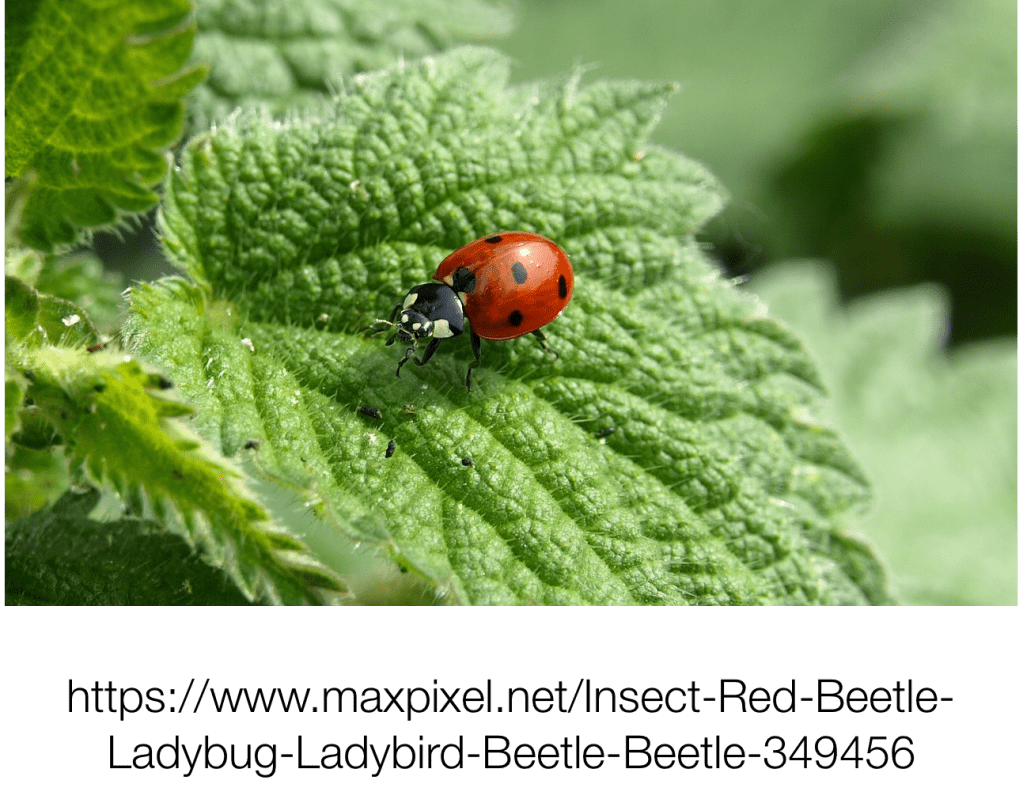
Missing from yesterday! Action 35: Set aside part of your garden for wildlife. Climate  change places extra pressures on wildlife so give them a helping hand by encouraging wild plants (weeds) to colonise part of your garden. Nettles are very good for ladybirds and butterflies, dandelions flowers are good for bees and dandelion seeds are tasty food for goldfinches.


 Action 36: Make next week a vegan week. Stock up on beans and pulses, tofu and nuts, assorted types of rice and pasta. Make a shopping list with plenty of seasonal fruit and vegetables.  Add miso pastes, chutneys, yeast flakes and herbs for extra flavours. Plan some easy meals combinations.  Be inspired by new recipes – try these from Hodmedod : https://hodmedods.co.uk/blogs/recipes/tagged/vegan  

Eco Tips

Preserving fruit and vegetables

Jam

To make jam you need equal quantities of fruit (plums are good at the moment) and sugar plus pectin powder. The latter is not essential but it does ensure that your jam sets well. 

Place these in a large saucepan and heat to a gentle boil, stirring regularly (wooden spoon) to prevent the sugar from burning. Soft fruits like raspberries and strawberries do not need extra liquid but plums and damsons can benefit from a cup of water for every kg of fruit. 

Boil gently until the mixture reaches the setting point – 105C. This may take half an hour or longer. A sugar thermometer is useful! But if you haven’t got one, dip your spoon in and lift it with the curved surface uppermost. Count to 20 then tip the spoon. If the mixture clings to the bottom edge you have probably reached setting point. 

Meanwhile wash and sterilise some jars – 1kg of fruit produces about 5 jars of jam. To sterilise the jars, half fill with water and place in a microwave (without their lids) and heat until the water boils.

Pout the jam into jars and screw on the lids straight away. As the jars cool, the metal lids will contract creating an air tight seal. 

The WI has long been associated with jam making: https://www.thewi.org.uk/life-at-the-wi/food-and-cookery/recipes/recipes/jams,-preserves-and-pickles/easy-strawberry-jam

Bottled fruit 

Cook the fruit until it is soft. (I do this in a plastic covered box in the microwave). Add water if the fruit is not obviously juicy – eg if preparing plums, apples, quinces etc. Once the fruit is soft (doesn’t need to be cooked to a mush) put into sterilised jars. Press the fruit down so that they are all covered by the liquid that has been released by the cooking. Secure the jar lids. Place the jars in a saucepan and fill with water till it reaches at least half or two thirds up the jars. Cover with a lid and bring to the boil. Boil/ simmer for 15 minutes. This ensures the contents of the jar are all brought to a high temperature to kill of bacteria. Cool the jars and store. As the jars cool the lids will contract creating an air tight seal. As well as jam jars you can use kilner jars.

Chutney

Chutneys use a mixture of fruit and vegetables. I use 3kg of chopped fruit and vegetables -eg plums, apples, marrow – including at least one chopped onion and about 200g of dried fruit such as dates, raisins or figs. To this I add 400g of sugar and 400ml of vinegar and a selection of spices – cloves, ground nutmeg, cinnamon, star anise, chilli powder etc – the equivalent of approximately 2 teaspoons. 

Put everything into a pan and bring to the boil, stirring regularly. The chutney is cooked when  if you scrape your wooden spoon across the bottom of the pan you can see a clear expanse of pan before the mixture flows back. 

Pour into sterilised jars with screw on lids. It is best to allow chutney to mature 6 to 8 weeks before eating.

Chutneys are a good use of green tomatoes: https://www.thewi.org.uk/life-at-the-wi/food-and-cookery/recipes/recipes/jams,-preserves-and-pickles/green-tomato-chutney

Sauerkraut  

Sauerkraut is traditionally made with white cabbage but you can add other vegetables and even fruit too. (We add pineapple when we get it in our OddBox delivery).

Take you selection of vegetables – eg firm red or white cabbage, root vegetables such  as carrot and beetroot, celery or fennel, garlic, onions, pumpkin – and slice them all thinly. For very 500g add 2 teaspoons of salt. In addition you can add spices such as caraway seeds, fennel seeds, allspice, peppercorns etc. Mix everything together in a large bowl and squeeze and scrunch the vegetables until they produce a liquid. Pack the whole mixture into a large jar with a lid (kilner jars are great) and press well down. The liquid should reach the top. Use a large cabbage leave to cover the top pressing down to keep everything submerged. You can add a weight (wrap in tinfoil first) or even a clean stone. 

Over the next few days the mixture will begin to ferment. You will see bubbles forming. You may need to release the lid to allow excess gas to leave.

Classic sauerkraut recipe: https://www.theguardian.com/food/2021/jan/06/how-to-make-sauerkraut-recipe-felicity-cloake 

Pickled ‘capers

Nasturtium seeds can be used instead of caper – don’t use the seeds you buy for sowing but pick ones from plants that you have already grown. Fill a small jar with clean green seeds. Cover with vinegar and add a few spices such as coriander seeds, peppercorns and a bay leaf. Secure with a lid. Leave to mature – they will turn pale brown.

Preserved lemon skins

As you are cooking save lemon skins. Place them in a clean jar with a layer of salt to cover them. As you add more lemon skins, add more salt. Pack the skins in well so as not to leave air pockets. The skins will turn brown and will absorb some of the salt. You can use them as and when you wish, slicing and adding them to salads and casseroles. 

Count Down

 Action 31: Avoiding out of season fruit is one way of keeping our carbon footprint in check. But you can preserve fruits while they are in season to eat later. Bottle peaches to eat at Christmas. Make blackberry and apple jelly to go on crumpets. Preserve apricots in Marsala – great with ice cream. Transform plums into a spicy chutney.