Action 28: Find out about new recycling options. Did you know Superdrug will take and recycle blister packs used for pills and tablets? Did you know the Co-op will take and recycle all soft/ scrunchable plastics such as biscuit wrappers and crisp packets?
Action 27: Do a survey of your dustbin. What are you throwing out? Could any of it be recycled, repaired or reused? Do some of the things that you buy come with too much pack again? Could you shop differently? What would it take to half the amount of rubbish you produce each week? What would it take to reduce it to zero?
Loving God, we strive to follow your ways of righteousness and justice in the world.
Yet we feel small and inept, and lay before you our dilemma.
Will you stand by if humanity continues to ignore your ways, following a path instead that leads to self destruction?
Will you stand by if 5000 choose not to follow the crowd? For the sake of the few, will you protect us all from self destruction?
Lord have mercy.
But loving God, Will you stand by if only 500 choose not to follow the crowd? For the sake of the few, will you protect us all from self destruction?
Lord have mercy.
But loving God, Will you stand by if only 50 choose not to follow the crowd? For the sake of the few, will you protect us all from self destruction?
Lord have mercy.
Loving God, strengthen our resolve to do what is right, to stand up for the marginalised, to safeguard creation and protect life, even when we feel small and ineffective.
Give us the confidence to share our concerns and our hopes for the planet, so that we can encourage and welcome others to follow the path of righteousness and justice.
Action 26: Last week’s IPCC report issued us a code red warning: if we do not act now and act with sufficient magnitude, we will not be able to avert the already escalating climate emergency. Britain as the host nation of the COP26 conference in Glasgow should be leading the way putting in place not only strategies but actions too to ensure we achieve, nationally and globally, the 2050 net zero emissions target. Write to Alok Sharma the appointed President for COP26, and ask what is happening.
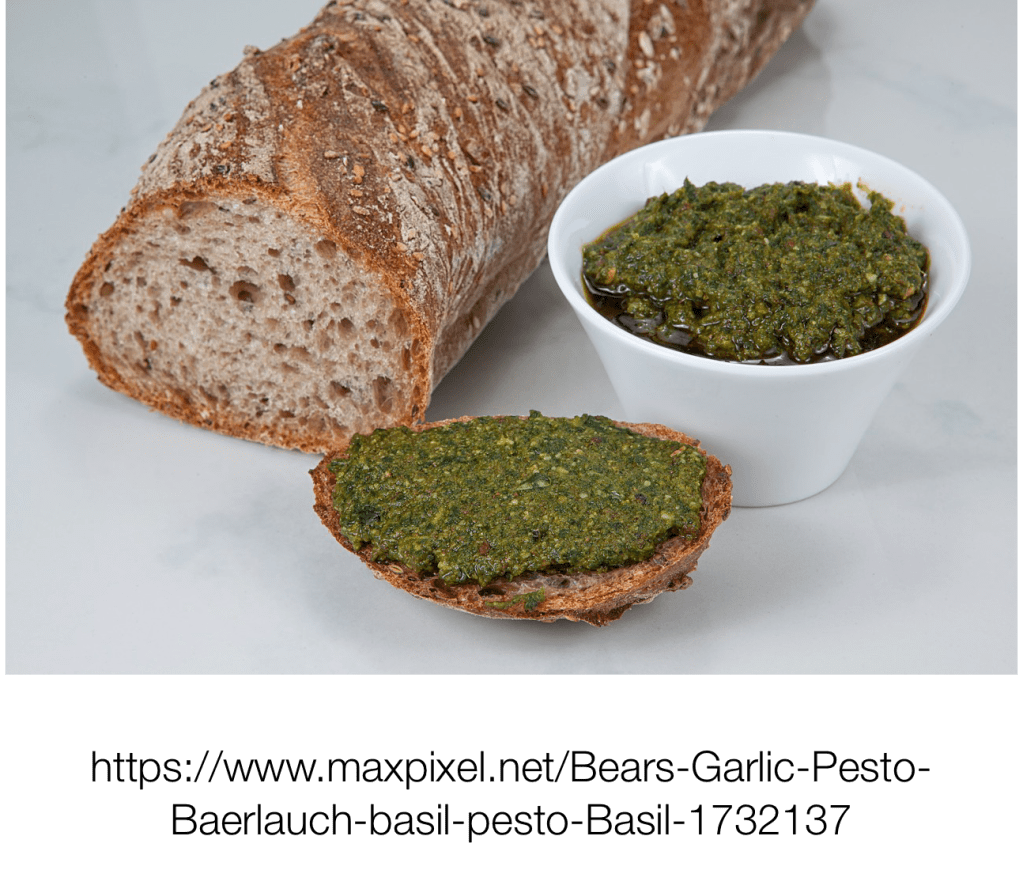
Action 25. Try out a new vegan recipe or have a go at this recipe for vegan pesto.
Vegan Pesto
In a food processor grind 50g of almonds till coarsely chopped.
Add to the processor 1 or 2 cloves of garlic, the juice of 2 lemons and 100ml of olive oil.
Add 500ml of green leaves such as rocket, nasturtium leaves or basil – or a mix of such peppery tasting leaves. (If the leaves are torn into smaller pieces it will enable the mixture to process more easily).
Blitz everything until it is a thick paste.
You can add more oil and lemon juice if you want a slacker paste.
If you are not using the pesto immediately, store in a covered jar in the fridge.
Action 24: Pray. Prayer is not a pointless activity. It is the means of bringing our concerns close to God, allowing God’s concerns to come close to us. It energises and revitalises our efforts to live as God’s people according to God’s will.
This prayer was written for the Sixth Anniversary of Laudato Si’ by the Columban Missionaries (Britain)
Action 23: Cycles of all shapes and sizes benefit from regular cleaning and maintenance: and you are rewarded with a speedy and comfortable ride. Even in the summer cycles get dirty and the recent heavy rain we have had will have added more grime and mud to the frame and moving parts. Once cleaned, lightly oil the chain. Check brakes and adjust or replace as necessary: in wet weather well adjusted brakes are an essential safety measure.
As the nights begin to draw in, make sure that you have a set of functioning front and rear lights.
Governments and businesses do certainly exert control over various aspects of what can and cannot do, yet we may be surprised how much we can do to reduce our individual – and therefore to our national – carbon footprint.
The WWF estimates that the production and consumption of food accounts for 20% of the UK’s green house gas emissions which currently equates to 82 million tonnes a year – say roughly 1.5 tonnes per year person. By changing how we eat and shop, we can substantially reduce these emissions.
Reduce the amount of meat and dairy products you consume. Globally 58% of GHG emissions for food arise from the production of meat and dairy items. Agricultural animals have to be fed, and to ensure good productivity, their food is nutrient rich including items such as soya beans. Large amounts of land and water are used in providing food and grazing, all of which comes with its own carbon footprint. Farm animals are also GHG emitters in their own right. Each cow emits 70 – 129kg of methane per year. Removing meat and dairy products from your diet can reduce you GHG emissions by 0.6 tonnes per year (Carbon Independent Calculator).
The alternatives to meat and dairy are to be found in eating beans, pulses and nuts as sources of protein and numerous minerals. Soya beans which are particularly rich in protein have traditionally been fermented to produce foods such as tofu. Soya beans – as well as almonds, hemp, coconut, oats etc – are also used to create dairy replacement items: milks, butter, yogurts, cream, ice cream etc as well cheeses. Ideally one wants to buy products that are locally produced. Hodmedod specialises in selling beans and pulses, seeds (chia etc) and grains (including quinoa) that are grown here in the UK. There is a growing number of UK based producers of plant based milks. Milk and More, a reinvention of the traditional milk delivery service, sells freshly bottled oat milk that comes from Lancashire.
Choose organic foods. Organic food production because it avoids mineral fertilisers, ensures improved soil conditions such that the soil retains a higher proportion of carbon than do other soils. This carbon sequestration reduces the carbon footprint of organic foods vis a vis non organic ones. Choosing organic foods can reduce your GHG emissions by 0.7 tonnes a year. It can be difficult deciding between organic vegetables from Europe versus local non organic items,
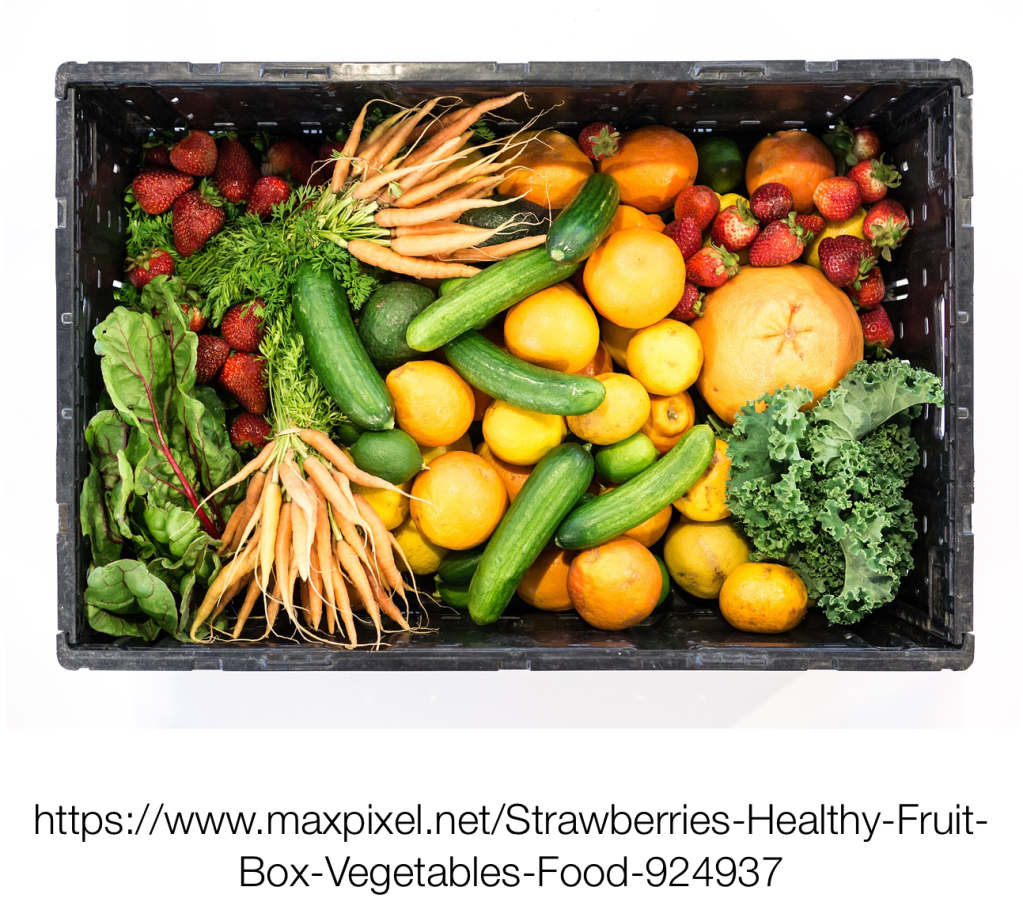
Buy locally grown food – or eat home grown food. Locally grown food has a lower carbon footprint because the distance the food is moved is less and therefore transport inputs are less. This is especially true when food stuffs are imported by air and often includes the import of out of season foods from the Southern Hemisphere such as asparagus and blue berries. Eating locally produced food can reduce your GHG emissions by 0.4 tonnes per year. There is a growing number of veg box schemes where farms make a weekly delivery of vegetables straight from the farm to your front door, which reduces transport emissions and food waste. OddBox specialises in fruit and veg boxes that collect together fruit and vegetables that would otherwise go to waste either at the farm or in the wholesale market.
Avoid food processing and packaging. Ready meals packed in plastics can have a disproportionately higher carbon footprint than meals freshly made from raw, unpackaged ingredients. Reducing the amount of packaged and processed food you consume can reduce your GHG emissions by 0.5 tonnes.
Minimising food waste. Throwing away food rather than eating it is obviously wasteful and a misuse of GHG emissions. Planning daily or weekly menus, using a shopping list, only buying and cooking the portions you will eat, careful storage of food etc are all ways fo reducing food waste. (For more details see the Eco Tips post of 9th August). Cutting food waste can reduce you GHG emissions by 0.5 tonnes per year. If you compost food waste such as the outer leaves of cabbages, banana skins and tea bags you can reduce your GHG emissions by a further 0.2 tonnes.
How you cook your food will also impact on your carbon footprint. Putting on the oven to bake one potato is more carbon intensive than boiling or pan frying the same potato in a pan. This aspect of your carbon footprint will be considered in a later post looking at household energy consumption.
We often say we are what we eat. If we eat with a conscience for what is good for the planet, and what is good for human and animal welfare, we will be part of the growing movement creating a better world for all.
In many religious and cultural traditions there is a practice of saying thank you before or after a meal. This recognises our dependence upon others for what we eat, whether that is the cook, the farmer, the retailer or above all, God as creator. Saying Grace at meals is one way of being more aware of the providence of the food we eat.
As we sit to eat this meal, we give thanks for all have been involved in its preparation.
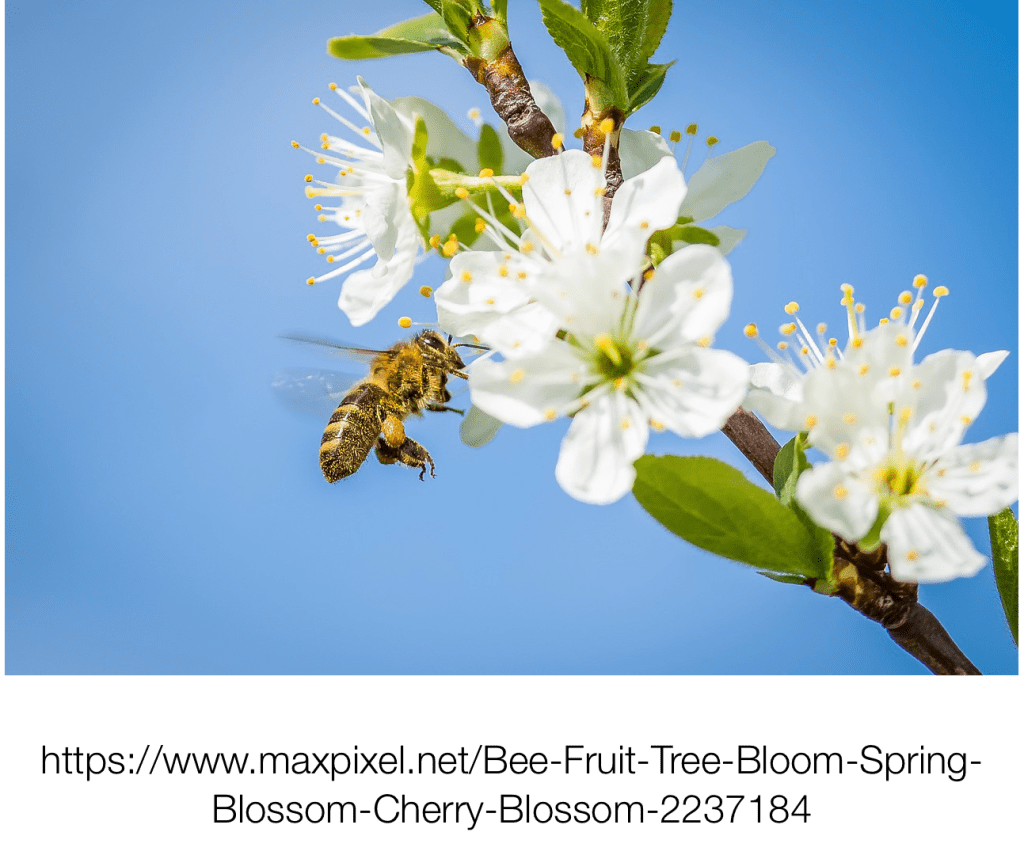
For the farmers and the worms, bees and pollinating insects, for shelf stackers and retailers, for those who cook and those who wash up,
and for the bountiful diversity of our God-given world. Amen.
NB I have swopped between the terms carbon footprint and green house gas GHG emissions as if they are the same thing which they aren’t. Strictly speaking our carbon footprint measures our carbon emissions whereas GHG emissions includes all gas emissions but of which carbon dioxide is the largest.
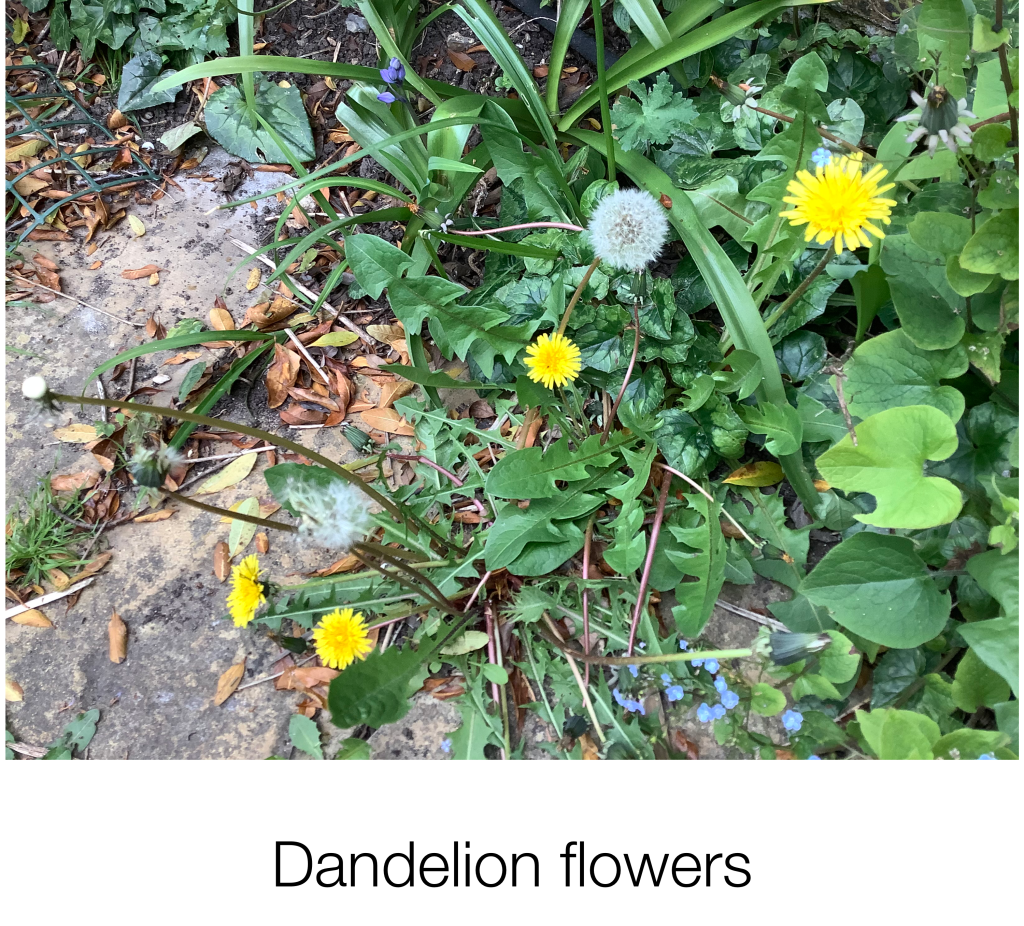
Action 22: Love things we do not own. Look round your garden or your nearest park and choose a plant – a flower or a tree – and spend time admiring it, paying it attention. If we are to be truly motivated to care for the world around us, we need to fall in love with it. This year I have been drawn to the weeds that grow in the garden and see them now as wild flowers.
Consuming less is one clear way of reducing our carbon footprint. Consuming less is not about being parsimonious nor being a kill joy.
Consuming less can involve buying second or hand – pre-loved items. It is equally about ‘loving’ what we do have. Why not look through your wardrobe or your cupboard and pick out a favourite item that you have had for a long while, and appreciate its personal history.