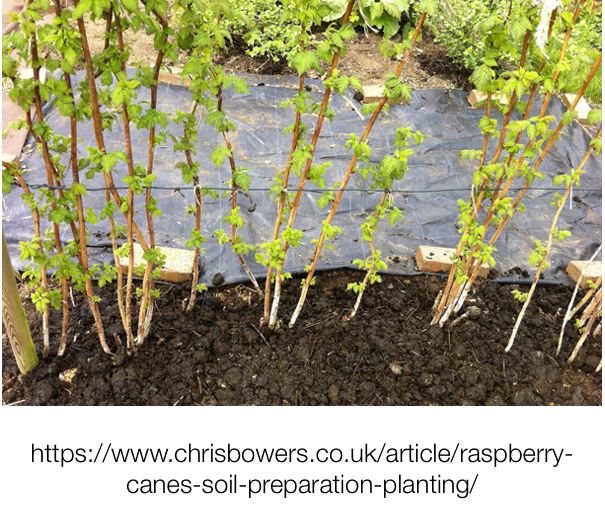
January is the month for planting raspberry plants – usually known as ‘raspberry canes’. There are two main types, those that produce fruit in the summer and those that fruit in the autumn. They are easy to grow and are suitable for growing in pots – one cane per pot.
Flooding in the Thames is a threat that comes from both upstream and downstream
12th January 2022
World wide action to avert the worst effects of the climate crisis are aiming to keep global temperature rises to 1.5C. Whilst that is the target spoken about by governments and businesses, Climate Action Tracker, analysing actual actions being taken, predict that we are on track for a global temperature rise of 2.7C (https://www.bbc.co.uk/news/science-environment-59220687). This level of temperature rise will lead to a faster melting of ice caps and glaciers, causing sea levels to rise and more extremes bouts of weather, increasing the severity and frequency of floods.
Here in south east England sea levels are projected to rise by approximately 1.4m – a little under a meter if the temperature rise is brought below 1.5C (https://www.metoffice.gov.uk/research/news/2019/uk-sea-level-projections-to-2300). The Met office also predicts that 1 in 10,000-year flood events are likely to occur more than once a year by 2300.
The Thames is tidal all the way up to Teddington Lock. At present the Thames Barrier is raised when ever there is a high tide that threatens to flood London. High tides are caused not just by the movement of the moon, nor by rising global sea levels. They are are also affected by weather systems. For example the height of a tide coming in from the North Sea can be increased by an on shore wind or by a low pressure system over the sea. Rising global temperatures that are causing rising sea levels and more frequent and intense weather systems means that the time will come when the Barrier will no longer be able to hold back an incoming high tide. The Corporation of London is considering plans to tackle this, including increasing the height of the Barrier and raising the height of the walls that bound the Thames – eg along The Embankment – by a further meter. There is debate as to whether this should be with glass so as not to obstruct the view of or from the river.
When the Barrier is raised to slow an incoming high tide, the water that is held back has to go somewhere – that is somewhere in the Thames estuary downstream of the Barrier. There is a flood storage area at Tilbury and on both sides of the Estuary there are area of marshland and farmland where flood waters can flow. These are in between other at risk built-up areas which have their own flood defences. Such provision will need to be reviewed as tide levels rise.
The Thames Barrier is also closed when there is a risk of flooding upstream. The Thames has a large drainage basin that extends all the way up into Oxfordshire and the Cotswolds. Heavy and/ or persistent rain anywhere in the area can raise river levels such that places such as Windsor, Thames Ditton, Richmond, Hammersmith risk being flooded. In such circumstances the Barrier can be raised at low tide, to prevent sea waters entering the lower part of the Thames so creating a reservoir where high volumes of water from upstream and be stored until the risk of flooding is lowered. The protection offered by this scheme is not going to be sufficient to cope with predicted rises in water levels due to the climate crisis.
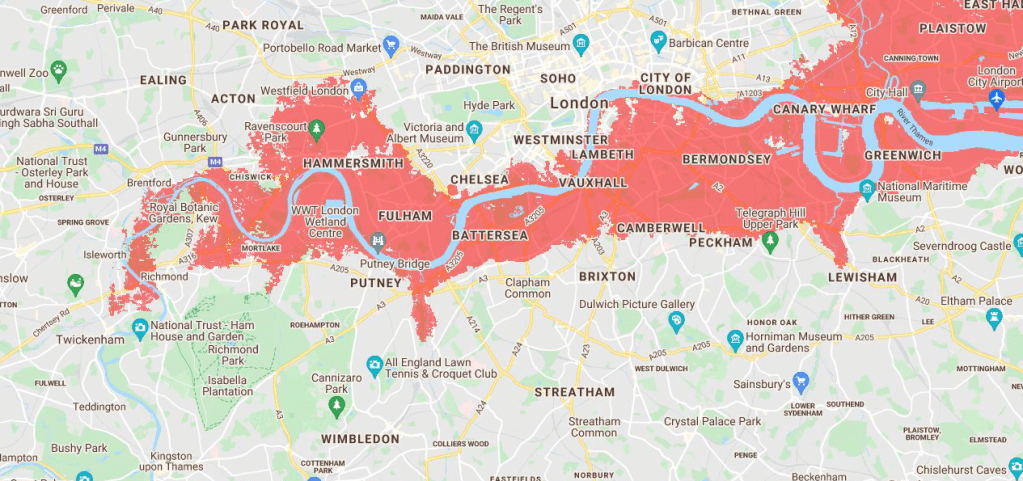
The following map shows areas of London that will lie below the anticipated annual flood level based on the IPCC’s climate change forecasts. (https://sealevel.climatecentral.org/maps/)
Boroughs along the Thames, such as Richmond, are having to develop plans to both limit or avert factors that contribute towards the risk of flooding and to constrain the adverse effects such flooding will cause. In part they will be dependant upon actions take by other people and organisations further upstream. For example, if further a.one the Thames, houses are built on the flood plain, then water that might otherwise be held or absorbed by that flood plain, will instead flow on down stream exacerbating the problem in Richmond. Similarly if surfaces that are currently – eg covered with grass and other vegetation – are replaced by hard surfacing such as tarmac, then again more water will flow more rapidly off the land and into the river. In a similar way areas of woodland are cleared, then less water will held in the land and instead will add to the volume in the river. Conversely recreating water meadows to allow flood waters to accumulate safely up stream, replacing hard surfaces with soft one, and planting trees, can all help reduce the volume and speed with which water drains off the land and into the river. In the Old Deer Park there are plans for the ‘re-wilding ’ of the land allowing formation of seasonal ponds/ lagoons and the growth of water-loving plants that increase the water absorbing capacity of the land. You can read more about this here – http://thames-landscape-strategy.org.uk/what-we-do/rewilding-arcadia/
It is widely acknowledged that the peaceful protests made by environmental and justice groups, including Extinction Rebellion, Fridays for Future school strikes, the Climate Action Coalition, the RSPB, Green Peace, Christian Aid etc, have raised public and government awareness of the climate crisis from being a very minor issue to one of the most pressing of the decade. Would we be where we are without such protests? The Government’s new policing bill currently being reviewed by the House of Lords before returning to the House of Commons is designed to severely restrict the right to peaceful protest. https://www.theguardian.com/world/2022/jan/13/green-activists-urge-labour-to-vote-against-policing-bill-climate-catastrophe
Monday and Tuesday are our local recycling days when the lorries and crew collect paper, & card, food waste, metal, glass and some plastics – as well as unrecycled waste that goes to landfill. It is a job the crew do in all weathers, pulling and lifting boxes and bins into the back of the lorry, and in summer the food waste can be pretty smelly. It is a pretty thankless job: we would all be lost without it, but we are seldom out and about when the crew comes by to say thanks. We used to call them dustbin men, then refuse collectors, but neither of those describe their current role nor the important that role has in tackling climate change and ensuring scarce materials are recycled for future use.
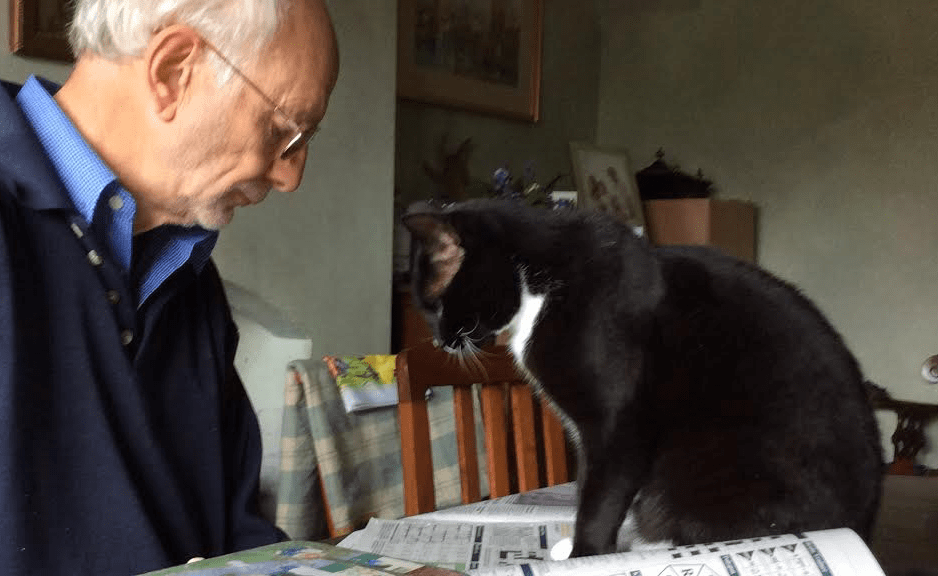
Our cat Hilda is swopping to a new dry food which is a 50/50 mix of animal and insect protein. Cats cannot live on a vegan diet but they can have a diet that is less dependent on meat.
Real (as opposed to plastic) and rootless Christmas trees will probably now be on their way for recycling. Most local authorities provide a collection service, taking the trees to be ‘chipped’ into small pieces which can then be turned into compost or used as a mulch. Sometimes the trees may be put to alternative uses such as securing sand dunes or stabilising river banks. You can recycle them at home, leaving them in a corner of the garden where overtime they will decay and in the meantime may provide a shelter for birds and insects. Or you can speed up the process by chopping off the branches and – once the needles have gone brown – use them as mulch around plants that like an acid soil – eg raspberries.
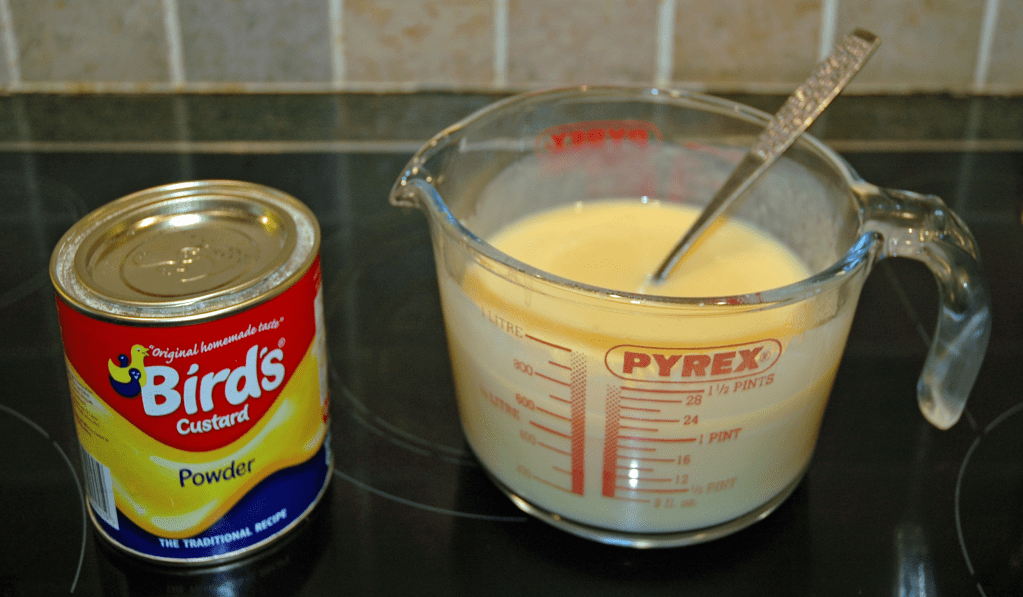
The Ethical Consumer’s Climate Gap Report highlights the importance of we as individuals making changes now so that we will as a nation be able to achieve net zero by 2030. One area where significant change is needed is our diet. We may not all need to become vegan, but we will all need to reduce our consumption of meat and dairy products. Substituting oat milk and vegan butter in our cooking is an easy option. Use oat milk for custard and white sauces etc. use vegan butter in cakes and pastries.
Bird’s Custard is an egg free custard that was originally developed because Alfred Bird’s wife had an allergy to eggs. Make it with oat milk and it is vegan custard.
Caring for creation with every meal – Use your LOAF!
What we eat impacts the world around us – the welfare of animals, the welfare of wildlife, the fair sharing of water, the fertility of the soil, the well being of those who grow and produce food. It also contributes to the climate crisis. Making step by step changes, we can better care for creation.
The organisation Green Christian has produced the nemonic LOAF – Local, Organic, Animal friendly, fairly traded – to help us buy and eat sustainably with care for the world. https://greenchristian.org.uk/gc-campaigns/loaf/
L locally grown, locally produced.
Local reduces the carbon miles attached to our food. Local keeps us in touch with those who grow, make and sell our food. Growing our own keeps us in touch with the soil itself!
O organic.
Food, whether that is crops grown or animals raised, that is produced organically removes chemical fertilisers and pesticides from the environment where they cause damage to water supplies, wild life and human health. Instead organic farming works in harmony with the environment boosting its well being and biodiversity.
A animal friendly.
Animals including birds and fish, should always be treated with care and respect. Factory farming for example, treats animals as profit-making commodities. Arable farming also has a responsibility to be animal friendly, including the wellbeing of birds and insects.
F fairly traded.
Throughout the supply chain from farm labourer to shelf stacker, lorry driver to barista, each person deserves to be treated fairly.
I have written about food and our carbon footprint. The Ethical Consumer’s Climate Gap Report notes that to be on track for net zero we need to reduce the carbon footprint of our food by 15% by 2030. So far (ie since 2019) reductions have not even risen above 0%. It is imperative that we do look at and adjust what we eat, to reduce waste, to reduce our carbon footprint and to reduce the negative impact we have on the environment. Eating sustainably we can safeguard our own futures and improve that of the world in which we live.
Eat less meat and dairy, replacing these with plant-based alternatives. “Veganuary” makes this a good time to try different vegan options. See the Eco Tips page on swopping to a vegan diet – https://greentau.org/2021/10/12/eco-tips-11/
Use local food shops. Buy locally produced food.
In supermarkets choose UK grown rather than imported fruit and vegetables.
Eat what’s in season – strawberries in May/ June, blueberries in July/ August.
Subscribe to a veg box – eg Riverford’s or Abel and Cole – or OddBox which fills its boxes with fruit and veg that would otherwise go to waste.
Use refill shops – also known as bulk stores. Take your own containers or use the shop’s paper bags to buy loose ingredients such as beans and pulses, grains, dried fruit etc.
When buying meat, find a butcher who knows where the meat comes from and how it has been raised.
Be prepared to pay more for meat and diary products that have been reared to a higher ethical standard.
Use a milk delivery service such as Milk and More for both dairy and oat milk in refillable glass bottles.
When buying fish, check whether it is sustainably sourced and/or farmed. Refer to the Marine Conservation Society’s guide as to which fish are not endangered.
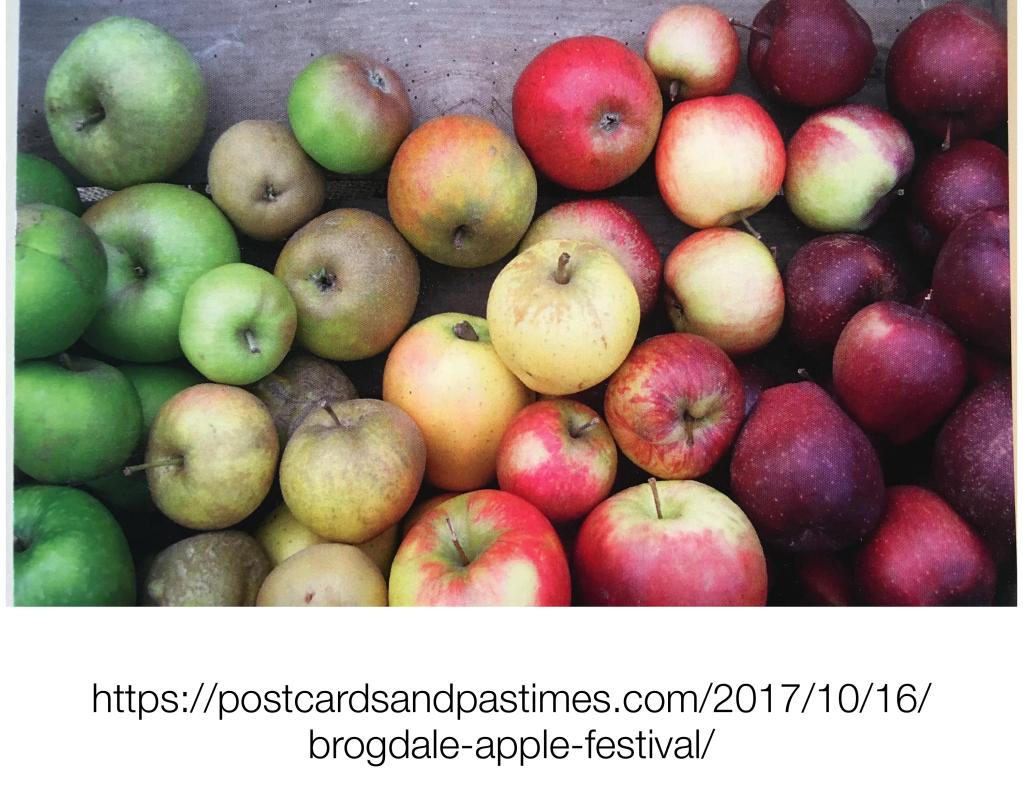
The National Fruit Collection is held at Brogdale in Kent. Of all their collections, the apple is the largest – 2131 varieties that come from across the UK and from across the world too. There is here a rich diversity in size, taste, texture, colour and use. Diversity is good both for the pleasure it gives us as eaters of apples but also as a means of protecting apple trees against viruses and other calamities.
Why not contact your local supermarket and ask them to stock a greater range of varieties of British grown apples? (And ideally not in plastic packaging!!)
Winter is a time for pruning various plants including apple and pear trees. Pruning helps them stay healthy and concentrates the plant’s energy for the coming year. It also helps maintain a manageable shape. Traditionally this accompanied by wassailing – blessing the trees and making loud cheerful music to re awaken them so that they would produce plenty of fruit.
It is a good reminder that we do count on the fertility of fruit trees and their successful pollination by bees and other insects to ensure a rich and varied diet.







 The Green Tau