Adopting a plant based – ie vegan – is one easy way of reducing our carbon footprint. Here is another vegan cake recipe – vegan baking is straight forward!
Golden Parkin (sorry – no picture as we ate it all up!)
1 tbsp camelina or chia seeds soaked in 3 tbsp of warm water
100g margerine, 6 tbsp sugar, 2 tbsp syrup
2 tbsp oatmeal, 8 tbsp flour, 2 tsp baking powder, 1/2 tsp bicarbonate of soda, 2 or 3 tsp of ground spice (I used a mix of cardamon, all spice and cinnamon
150g grated squash
Method: melt the margerine and add sugar and syrup. Add all the other ingredients and mix well. Add oat milk if needed to create a dropping consistency.
Bake: tip into a lined tin, approx 180 x 300mm, and bake for 25 – 30 minutes until form to touch.
Vegan cakes and bakes: these are all easy to make and it is good to be able to provide vegan eats at church events and the like. It is also a good idea to offer plant based milks too.
Chocolate Cake
100g vegan margarine
150g sugar (I use brown)
1 tbsp chia or camelina seeds
25g cocoa
175g flour (I use spelt flour) plus 1 tsp baking powder and 1/2 tsp bicarbonate of soda
50g dates
Oat milk
Soak seeds in 3 tbsps warm water – they will gain jelly-like texture
Melt the margarine.
Chop the dates and add along with the sugar, cocoa, raising agents and flour.
Add the seed mix (this is an egg replacement).
Add enough milk to bind to a soft dropping consistency.
Tip into a tin (approx 300x200mm) lined with baking parchment.
Bake at 170C till spongey and firm – about 20-25 minutes
Flapjack
100g vegan margarine
3 tbsps of sugar (I use brown)
2 tbsps of syrup
200g oats or thereabouts (NB use gluten free oats for a gluten free bake)
Melt the margarine.
Add the sugar and syrup.
Add the oats – if it still seems very syrupy you can add some more oats.
Tip into a tin (approx 300x200mm) lined with baking parchment.
Bake at 170C till golden brown – about 20minutes . Cut into pieces whilst still hot.
Shortbread
200g vegan butter
220g flour (I use white)
50g polenta
50g sugar (I use white)
Rub the butter into the flour.
Add polenta and sugar and mix.
Tip into a tin (approx 300x200mm) lined with baking parchment.
Bake at 160C till pale gold – about 20minutes . Cut into pieces whilst still hot.
Rockbuns
75g vegan butter
220g flour (I use spelt flour) plus 1 tsp baking powder
50g sugar
75g sultanas/ raisins/ currants
1 tbsp chia or camelina seeds
1tsp ground nutmeg
Oat milk
Soak seeds in 3 tbsps warm water – they will gain jelly-like texture
Rub butter into flour.
Add nutmeg, sugar and dried fruit.
Add seed mix
Add enough milk to create a dry dough.
Place spoonfuls in ‘rocky’ lumps on a greased baking tray. This should make about 8.
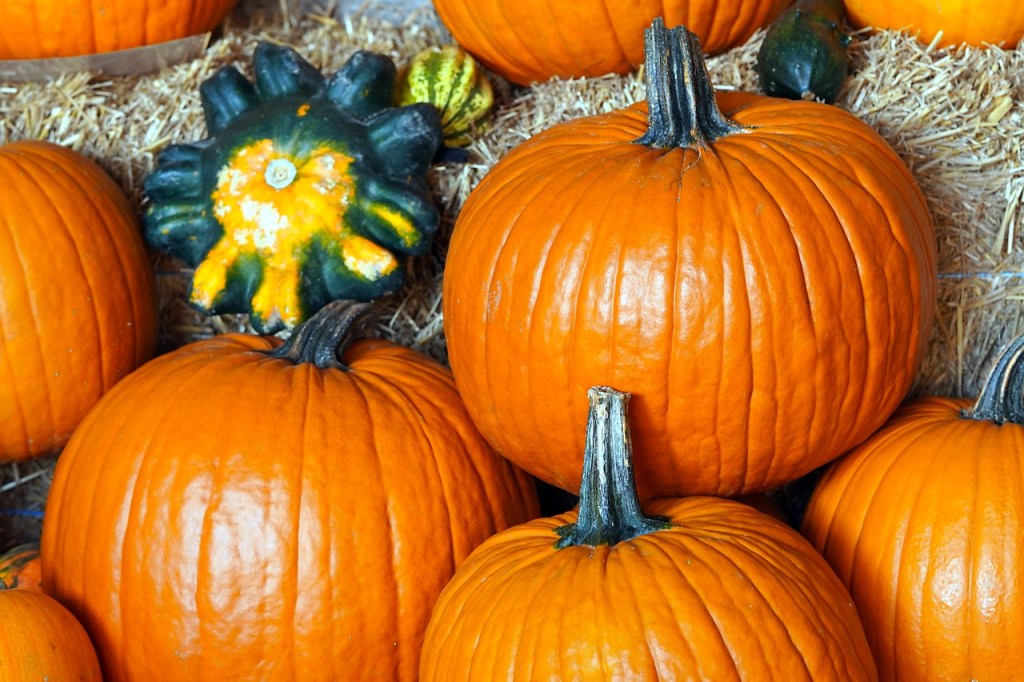
Food waste is a big contributor to global warming. Waste can occur anywhere from on the farm, whilst in transit, at the supermarket or in the home. In the home we should aim to use all the food we buy. So here is a recipe for using up raw pumpkin – or squash. It is also cooked in a frying pan rather than in the oven which will use less energy. It is also plant-based – another plus for the environment.
250g self raising flour
60g vegan butter
1 tbsp of chia or camelina seeds
150g raw pumpkin/ squash
4 cardamom pods
Oat milk
Mix the seeds with 3 tbsp of warm water. Mix in the seeds from the cardamon pods.
Cut the butter into,cubes and rub into the flour.
Chop the pumpkin into small pieces.
Mix everything together, adding enough milk to create a soft dough.
Heat a frying pan with a little oil in the bottom.
Roll out the dough and cut into rounds or triangles. Place these in the pan.
Cook for 5-10 minutes or until browning on the bottom. Turn over and cook on the other side.
What we eat and what we waste all contributes to the size of our carbon footprint. Locally grown food usually has a lower carbon footprint, even more so if we have grown it ourselves! And we are most until unlikely to waste food that we have grown. Today’s project is growing some food that we can eat.
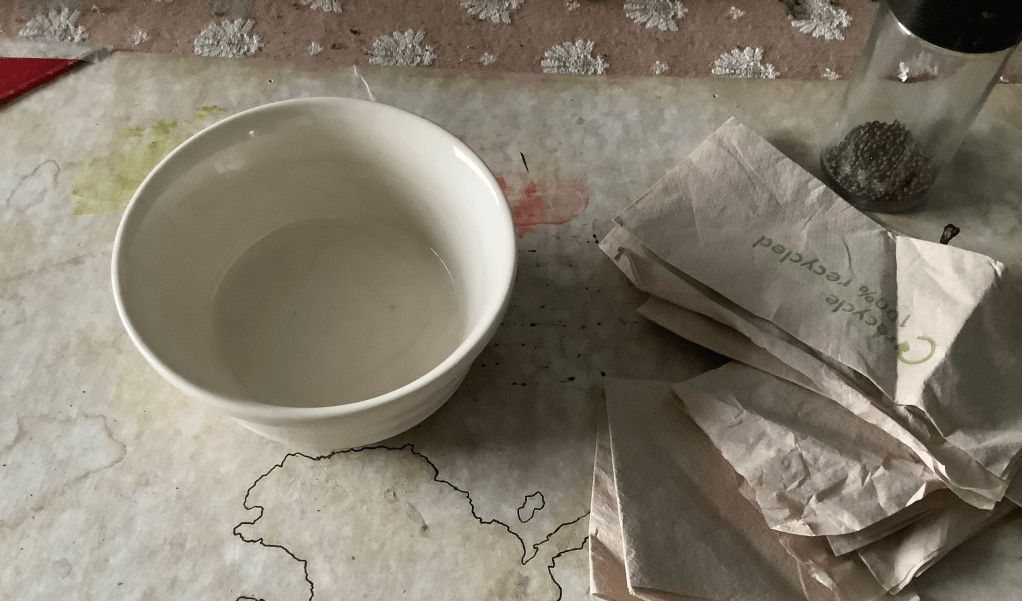
You will need a waterproof container such as a bowl or am empty margarine tub, some absorbent material – I’m using some clean paper serviettes that cafes so often give out with pieces of cake, and some mustard seeds.
Place the absorbent paper in the bottom of the bowl. Pour enough water over the paper so that is all wet.
Sprinkle some mustards seeds over the top. Place in a warm bright place. Each day gently water your seeds.
If you want to grow mustard and cress, sow the cress seeds 2 or 3 days before the mustard seeds as they grow a little more slowly.
In a little oil, fry some chopped garlic and a couple of sprigs of thyme. Add the chopped pumpkin flesh. Stir and cover pan. Allow to soften over a medium heat. After about 5 minutes add a little water and 1 dsp of yeast flakes per serving. Cook till soft. Blitz with a hand blender to a smooth sauce. Add pepper to taste.
Mix the sauce with a pasta of your choice. Top with a sprinkling of chopped nuts.
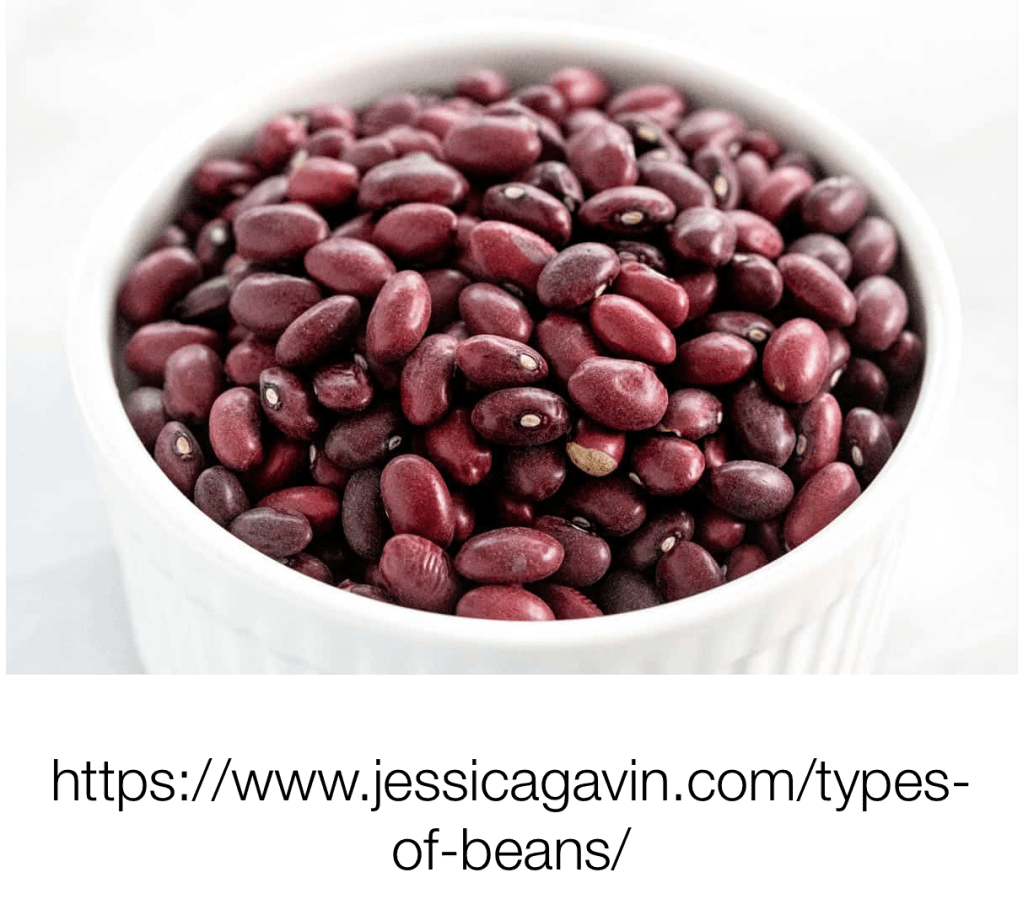
Action 91: can you challenge yourself to a plant-based November? With squashes and pumpkins and mushrooms and brassicas very much in season, lots of delicate and hearty meals await you. Try out a hole range of different plant-based proteins – fava beans, pinto beans, cannelloni beans, Puy lentils, Carlin peas, blue peas, black badger peas, tofu, walnuts, almonds …. I am sure you can have a different one each day!
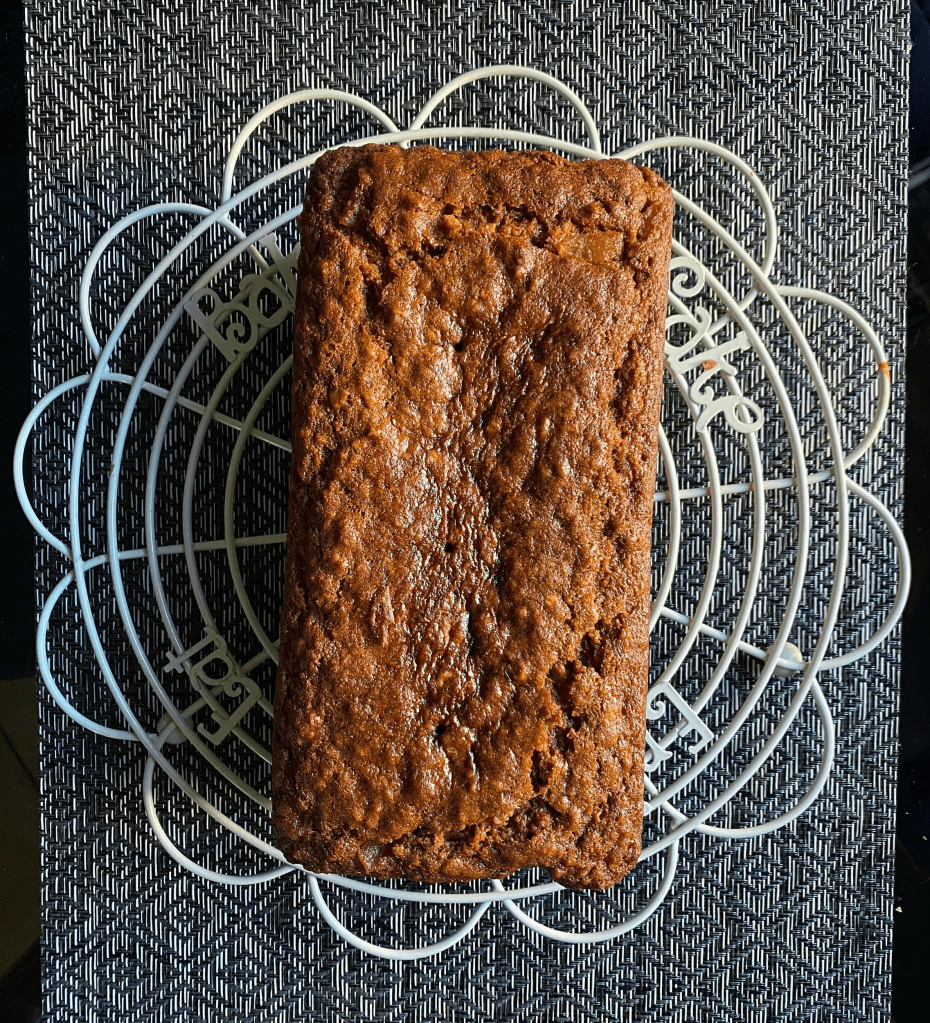
Action 80: Autumn is a good time to enjoy spicy cakes such as gingerbread and Parkin. Parkin is a traditional cake made in Yorkshire and Lancashire using oatmeal and treacle. Also known as tharf cake or, in Derbyshire, as Thor cake – the latter is more a biscuit than a cake. Here is a vegan recipe for Parkin: if you are not a fan of treacle, use extra syrup instead. https://littleveganspice.co.uk/home/veganparkinrecipe
Last week’s Green Tau weekly began a mini series looking at biodiversity. We noted that despite the relative smallness of humanity in terms of global biomass, we humans are dramatically and drastically altering the planet’s biodiversity. This week I want to look at the impact food production has on biodiversity.
Over the millennia humans have domesticated both animals and plants, selecting and breeding species, and developed farming practices that would best provide food. In the process, humans extended their control over land that had previously been wild, which in turn has limited the land available for wild animals and plants. 1000 years ago, less than 4% of habitable land was farmed. This increased over the centuries, and particularly so from the mid 1800, when the area of farmed increased from under 25% to the current 50%. (Habitable land is land not covered by glaciers, 10%, nor barren land such as deserts, sand dunes, bare rock, salt flats etc, 19%). In Europe the area of farmed land is now declining slightly, whereas it is continuing to expand in Africa, Asia, China and parts of South America.
Currently there is much media coverage about the clearance of the rain forests in Brazil to create new agricultural land plus accompanying access roads. This process destroys unique habitats with the loss of many plants, animals, birds and insects etc. It also destroys the millennia old way of life of indigenous people. It is easy to see how such expansion of farming land exacerbates biodiversity loss. The same problem also arises in Africa, Asia and China. Mangroves have also been cleared to make way for shrimp farms, palm oil plantations and rice fields.
A perhaps previously ignored consequence of expanding farming into previous areas of wilderness, is the increased contact between wild and domesticated animals. This allows diseases to spread more rapidly between the different species. What might be an insignificant virus infecting a wild animal can become a highly infectious virus in domestic animals. These virus can then spread to humans. Such zoonotic diseases include the Ebola virus, SARS and the current Covid 19.
Over the millennia, much of the UK has also been deforested to make way for farm land. Tree coverage in the UK stands at about 12% which is much lower than most other countries in Europe. Top of the league is Finland with over 50% tree cover; Spain and Portugal are around 35%; France, Germany and Switzerland around 30%. As trees provide a great many habitats for other plants, birds, animals and insects, as well being good stores of carbon, the government’s climate advisers now recommend tree cover should be increased to 17-19%. As well as planting new trees, it is also important that existing trees are protected: it takes many years for a tree to reach maturity and whilst they are still saplings they do not provide much habitat for other wild life.
It is not only trees that have been cleared to make way for farming in the UK. Wetland areas such as marshes and bogs, have been drained. This destroyed the unique habitats of many different plants, insects and animals. In the same way, clearing hedgerows has had a detrimental affect on biodiversity. There is now a growing awareness of the importance of restoring and maintaining a diverse range of habitats to support different plants and creatures. Where the area of a particular habitat becomes too small, it may fail to maintain populations of plants and creatures at a viable level. However creating a corridors between habitats enables larger populations to be supported. Hedgerows perform this task on a small scale, as can railway lines and road verges.
Not only has farmland been expanding over the centuries, but what is farmed has changed. Increasing global trade, colonialism and the intensification of farming, has produced a agricultural system that now grows a very limited number of plant species. Two thirds of the world’s food comes from just nine plants: sugar cane, maize, rice, wheat, potatoes, soybeans, oil-palm fruit, sugar beet and cassava.
Such a concentration makes our food supply vulnerable to the effects of climate change and diseases. This year’s durum wheat crop has been much reduced because of exceptionally dry conditions in Canada (the harvest is down by a third) and wet ones in Europe. Nearly half of all the bananas grown in the world are one variety, Cavendish, even though there are approximately 999 other varieties. The Cavendish banana is now threatened by a fungus which could wipe it out.
This over concentration on a limited number of species has meant that many local and older plant varieties have been marginalised – another form of biodiversity loss. However the value of such plants is now being recognised. They can provide alternative crops better suited to local growing conditions and/or changing climatic conditions. Such species include quinoa, which can be grown at high altitudes, teff which like quinoa can be grown at high altitudes and where water supplies are limited, millet which can tolerate high temperatures, and einkorn which needs less nitrogen – ie can grow in less fertile soils – than wheat.
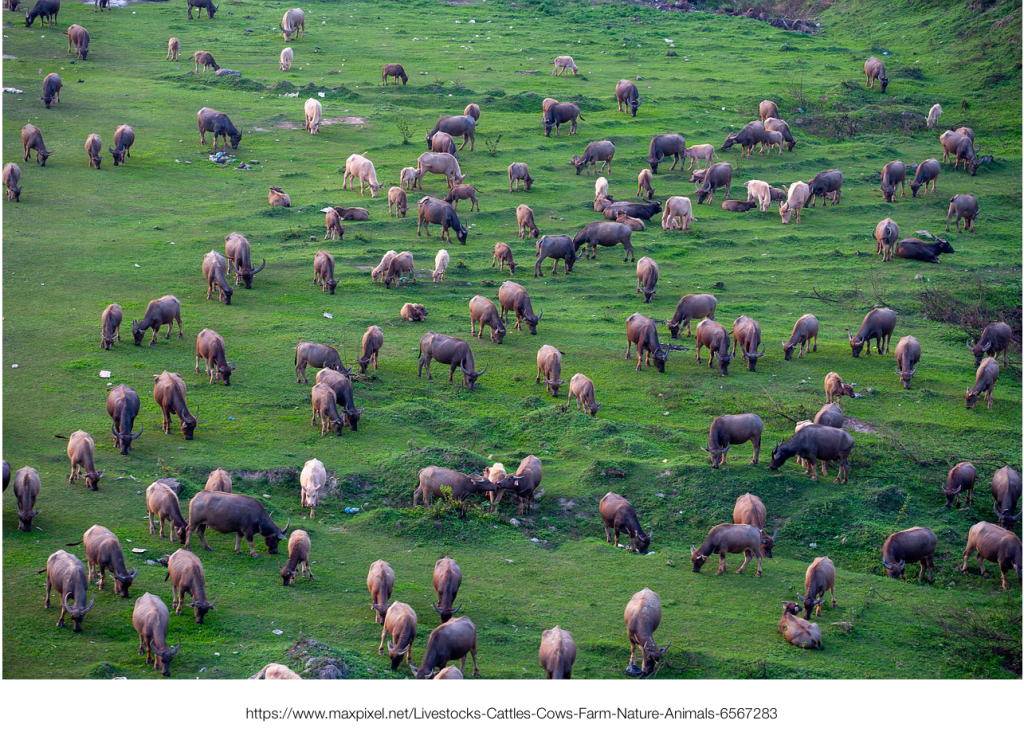
The same pattern of concentration occurs in animal farming too. Nearly all the world’s diary cows are based on one single breed, the Holstein. As with arable crops, there are advantages of protecting and promoting rare and ancients breeds of farm animals. But in terms of biodiversity what is more incredible is the sheer biomass of farm animals. They account for 60% of all mammals on the planet (of which cattle and buffalo account for 40%); we humans account for 36% whilst the remaining wild mammals a mere 4%.
Globally 77% of agricultural land is used to raise livestock. This includes land used to grow animal feed. Yet this 77% produces less than 20% of the world’s calories. Land used for livestock could be better used to produce plant based food that would feed a greater number of people and/ or rewilded to increase biodiversity. Factoring in the carbon footprint of livestock, especially cattle, there are even more benefits to be gained from reducing livestock levels.
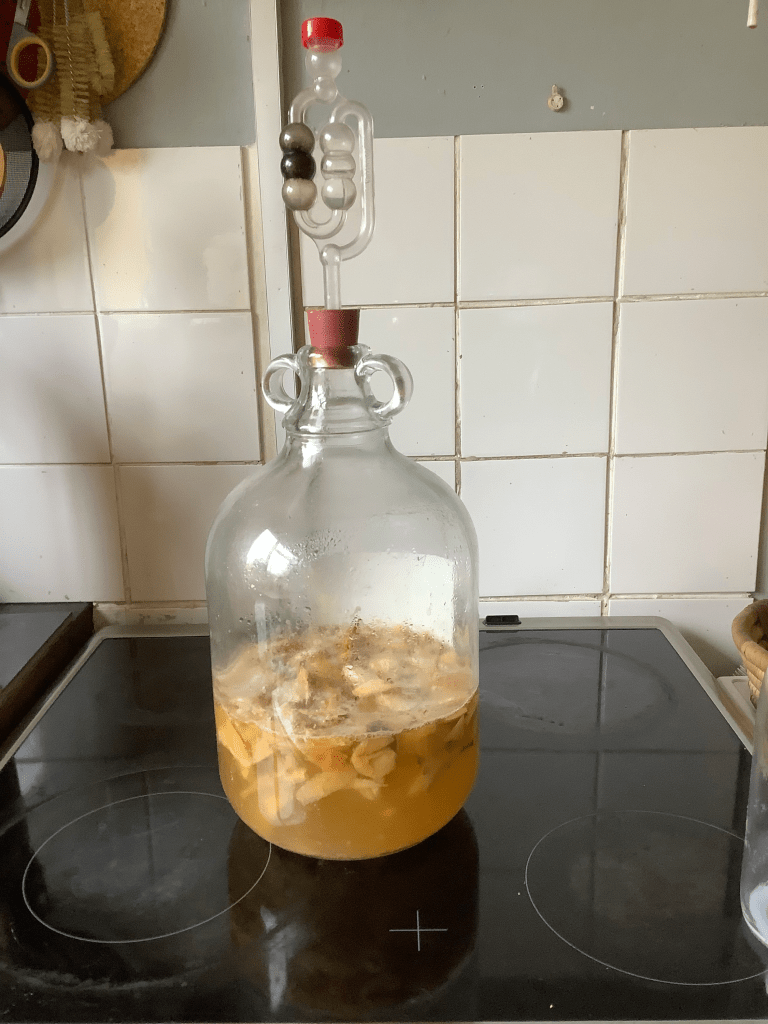
Action 76: Have ago at making your own cider vinegar. Start with a large class jar – the best is demi john. As you use apples, put the cores into the jar. Add a little water and a sugar lump and leave the jar open so that natural yeasts can start the fermentation process. As you add more apple cores, add more water. I aim for about half to two thirds water to apple mixture. Add more sugar: I add two or three sugar lumps (teaspoons of sugar are just as good but potentially messier) for every cup of water (approx 200ml). Once a bit of froth is developing on top of the apple mixture, I then insert wine valve. If you don’t have one, then cover the jar with a loose lid or muslin cloth to keep out any fruit flies.
Once the jar is 3/4 full leave for two or three weeks. Then strain the liquid into a clean jar and cover with muslin. Leave so that more natural yeast can start the souring process. A ‘crust’ may form on top or fine strands of mucus. This is beginnings of the vinegar agent or ‘mother’. This make take several weeks: do t despair. Eventually it will form a glutinous disk that sinks to the bottom of the jar.
Test your vinegar – if it tastes good, bottle it. Save the mother, keeping it submerged in some of the vinegar you have made. Next time you can add the mother to your new batch of fermented apple juice and the vinegar transformation will be quicker.
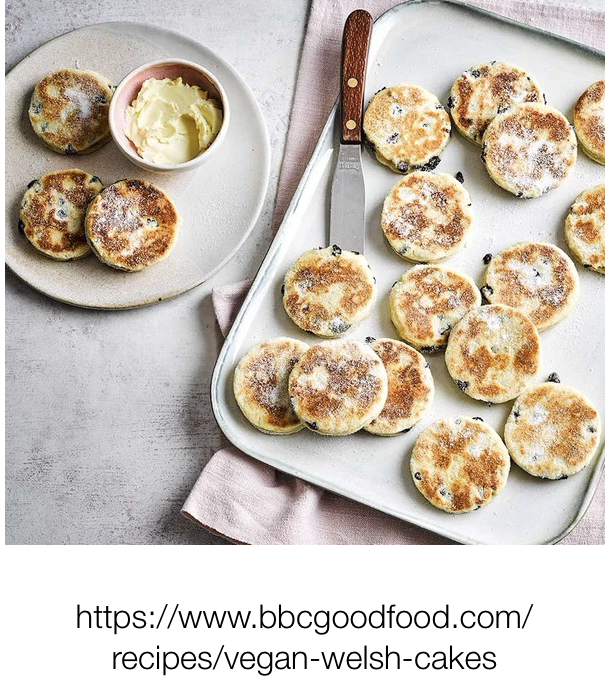
Action 69: Baking without using the oven. Ovens use a lot of energy, so if you can avoid using them it helps reduce your carbon footprint. Instead you can use a heavy frying pan as a griddle and bake foods such as Welsh cakes, soda farls and potato farls, drop scones, griddle scones and Staffordshire oatcakes.






 The Green Tau