Counting on … day 293 

29th August 2022


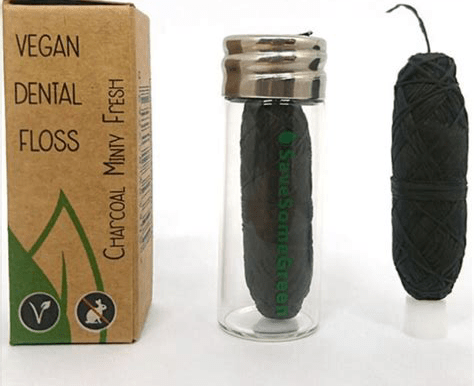
Pollution of our water system can begin at home. Only three things should go in the toilet – pee, poo and toilet paper. (Other paper, even things like paper serviettes shouldn’t be thrown down the loo – they are not designed to break down quickly and can cause blocked drains). Wet wipes, cotton buds, sanitary products, sticking plasters, dental floss etc should not be discarded via the toilet. NB You can biodegradable dental floss which can go into the compost bin. 

In the kitchen what goes down the drain should be limited to waste water and appropriate amounts of soap and cleaning fluids. Fat and oil (wipe excess up with a paper towel or piece of news paper) and food waste, including coffee grounds, should go into the food waste bin. Food waste and fat can block drains, and chemicals such as white spirit can cause pollution. 
Counting on … day 292 

28th August 2022

For vegans – and others – choose sustainable seaweed! 

Seaweed can be eaten as a food in its own right and as an additive in food and non-products (such as toothpaste). It can also be used in making fertilisers, plastic alternatives and in animal food. 98% of seaweed thus consumed is grown commercially – and it is an expanding sector. Japan is the largest producer of seaweed. Here in the UK most seaweed is harvested from the wild – albeit commercially. If you want to give seaweed a try, check out companies such as the Cornish Seaweed Company https://www.cornishseaweed.co.uk/ or Mara Seaweed https://maraseaweed.com/

 Counting on …day 291

27th August 2022

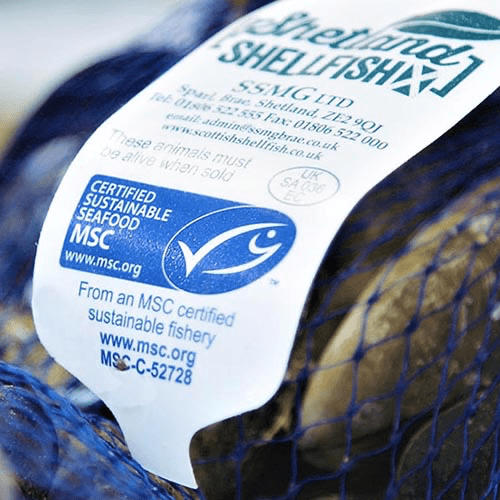
For fish eaters, choosing sustainable fish will help preserve fish stocks and biodiversity in the oceans. The Marine Stewardship Council has a certification scheme with a blue badge indicating which fish products come from sustainable sources. This scheme covers fresh, frozen and tinned fish. Check when eating out whether the fish on the menu is sustainable.

https://www.msc.org/what-you-can-do/10-reasons-to-choose-the-blue-fish-label

Counting on …day 290

26th August 2022 

“The ocean is the largest ecosystem on Earth, and it is the planet’s life support system” – Marine Conservation Institute. It too is under threat from overuse and misuse by human activity. Current negotiations s at the UN are trying to agree a treaty that would protect 30% of the world’s oceans by 2030 – although it looks as if financial interests in making further profits from the oceans will water down any agreement. 

According to UNESCO, plastic waste makes up 80% of all marine pollution and around 8 to 10 million metric tons of plastic end up in the ocean each year – and in the last 10 years we have produced more plastic than in the last century! Cutting back on the plastic we use, and ideally aiming for zero plastic, we can be part of the solution. 

https://greentau.org/tag/plastic-free/

Counting on … day 289

25th August 2022

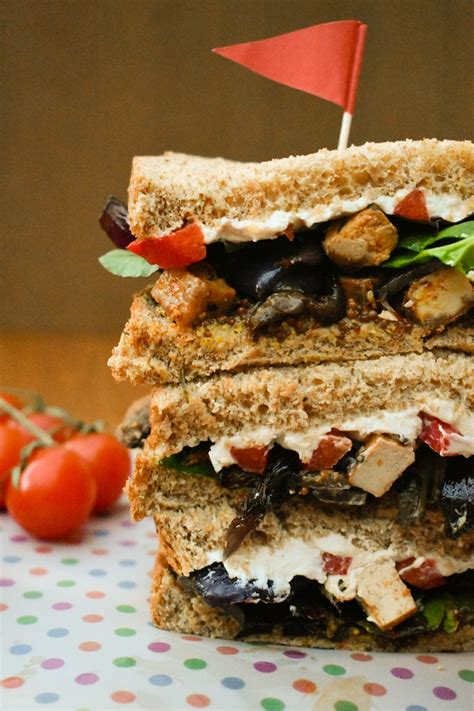
Another recycled Counting Down action : Go out for a vegan picnic. Sandwiches are the basis of a picnic and most bread is vegan. Vegan options for spreads include plant based butter/ pesto/ mayonnaise/ tapenade/mustard. Add fillings such as vegan cheese (nut-based cheeses are good for protein), hummus, mushroom pate. Add slices of  vegetable such as red pepper, radishes, grilled aubergine or courgette, nasturtium leaves, cress or rocket or add chutney/relish.  Or try a banana hot dog roll? Pack sandwiches in greaseproof paper or fabric wraps. Pack fruit and pieces of vegetables that can be eaten with fingers and again see if you can avoid plastic packaging. Fill flasks with either hot or cold drinks. Pack some vegan cakes – rock buns, muffins etc – or a bar of chocolate to finish.

Counting on … day 288 

24th August 2022

A Count down action recycled from last August:-

In Britain we get through  2.5 billion single use coffee cups each year. Each cup – typically made of paper with a thin plastic layer – has a carbon footprint of 60.9g and that is before it leaves the cafe. Only 1 in 400 will be recycled with the remainder ending up in landfill, further adding to their carbon foot print. Each year single use coffee cups produce 152,000 tonnes of carbon dioxide – the equivalent to the output of 33,300 cars. 

For times when you are not being offered your coffee in a reusable cup or mug, have a keep-cup to hand. In the same vein have a refillable water bottle – especially useful when we have periods of hot weather.

Visiting a National Trust café, I noted a 5p charge for a disposable takeaway cup and a 25p discount for bringing your own keep cup – all other coffees were served in ceramic cups.

Counting on … day 287

23rd August 2022 

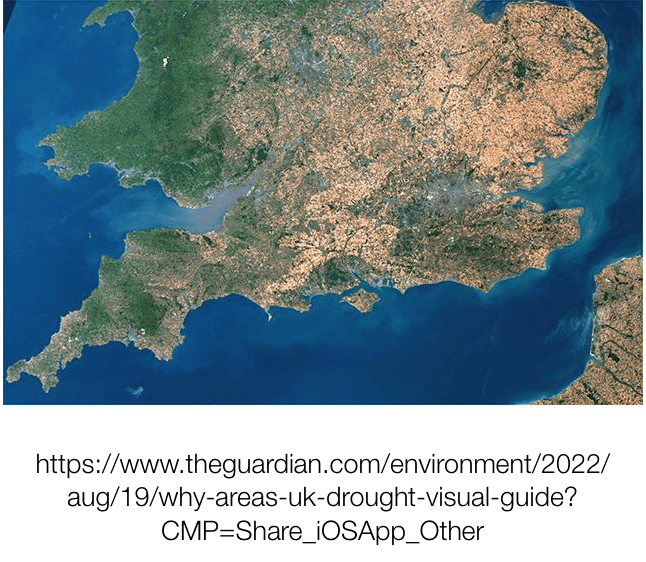
This summer is heat waves, drought and impending fuel crisis have highlighted our country’s  unpreparedness for the effects of climate change that we are already experiencing, let alone the ones that are to come. Much of the responsibility lies with our government and its influence over big business. To this end Greenpeace has set up a petition asking for action from the UK government: 

“You must do more to prevent climate change and protect us from the damaging impacts of extreme weather:
– Deliver a proper plan to make our buildings and infrastructure more resilient to extreme weather
– Improve national water storage to prevent future shortages
– Force water companies to reduce leaks and increase the efficiency of household and business water usage ”

If you would like to sign this go to – https://action.greenpeace.org.uk/uk-extreme-weather-climate-emergency-drought-floods?source=EM&subsource=ECCLREPEEM05MY&utm_source=newsletter&utm_medium=Email&utm_campaign=UK+Extreme+Weather+Aug+2022+PE+20220812&utm_term=Full+List

Counting on …day 286

22nd August 2022

The biggest source of carbon dioxide that is accelerating the climate crisis are fossil fuels. The International Energy Agency has calculated that if we are to keep the rise in global temperatures within a safe threshold, we cannot open up or expand anymore fossil fuel sites. Instead we need to be replacing fossil fuel energy with renewable energy. It is against this background that so many people are horrified that the UK Government is allowing new gas fields to be developed in the North Sea – specifically the Jackdaw field. This week you can join the concerted campaign to stop this happening.

Sign the petition – https://actionnetwork.org/petitions/tell-the-uk-government-to-stop-the-jackdaw-gas-field/?link_id=3&can_id=e902af66de593980c250d076f315d318&source=email-uk-announces-new-oil-gas-drilling&email_referrer=&email_subject=its-time-to-stopjackdaw

And/ or email your MP. 

Counting on …day 285

21st August 2022

Wildlife is also having to adapt to climate change – and will probably not always succeed because the change is happening too rapidly. In our small ways we can help by making sure our gardens are wildlife friendly – providing water for drinking and bathing, providing a variety of plants to ensure a food supply throughout the changing seasons, providing shelter and places to nest. 

https://www.rhs.org.uk/wildlife/gardening-in-a-changing-climate

https://www.wildlifetrusts.org/actions/climate-friendly-gardening

https://theconversation.com/five-ways-to-help-wildlife-in-heatwaves-186964

 Counting on …day 283

20th August 2022

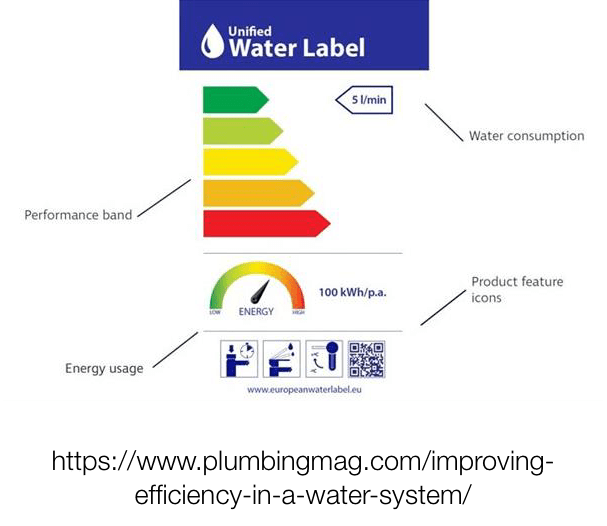
Taps, showers,  baths and toilets can use vastly differing amounts of energy and water, making some more efficient and environmentally friendly than others. The Unified Water Label is used by companies across Europe to give consumers the information they need to make informed choices.  There is, as yet, no legal requirement for such labelling to be used in the UK.