Counting on ….day 124

16th March 2022

Recently I have inquired of a number of producers whether their plastic packaging uses recycled plastic. The response has been mixed, but two commented that part of the issue was a lack of recycled plastic. According to Recycling Today  ‘The collection rate for plastics packaging recycled from April 2019 to March 2020 is 59 percent for bottles; 33 percent for pots, tubs and trays, 7 percent for film and 39 percent for all household plastic packaging’. https://www.recyclingtoday.com/article/recoup-plastic-recycling-rate-april-2019-march-2020/

This highlights the importance of ensuring waste materials are recycled and not jettisoned to land fill/ incineration. It also highlights the importance of cutting back on the amount of plastic we use. 
 Counting on …day 123

15th March 2022

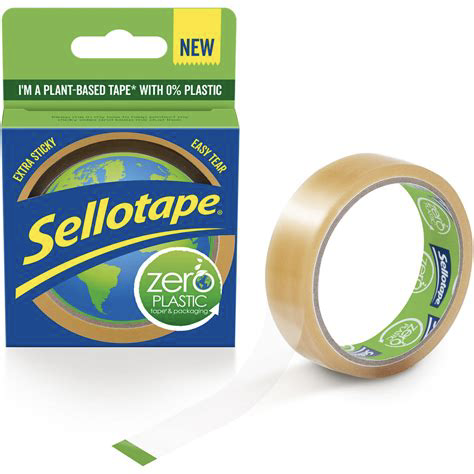
Having just used the last of some sticky tape, I was pleasantly surprised to discover that you can now by zero plastic Sellotape which is made from cellulose film and naturally based glue. The cellulose film is derived from wood pulp, sourced from PEFC certified sustainable forests. The tape and its packaging is biodegradable and can be composted or recycled with paper items. 

Daily life can be plastic free.

 Counting on … day 122

14th March 2022

Another sign of spring: we have two clumps of frogspawn in the pond. Despite large number of eggs laid, few will make it to adulthood. Most will be an essential part of the food chain – including the dragonfly larvae which currently live in the murky depths of the pond but who will in the summer make their dazzling transformation to dragon flies. I wonder if we fully understand the role of life and death in the cycle of the ecosystem. 

Counting on…day 121 

13th March 2022

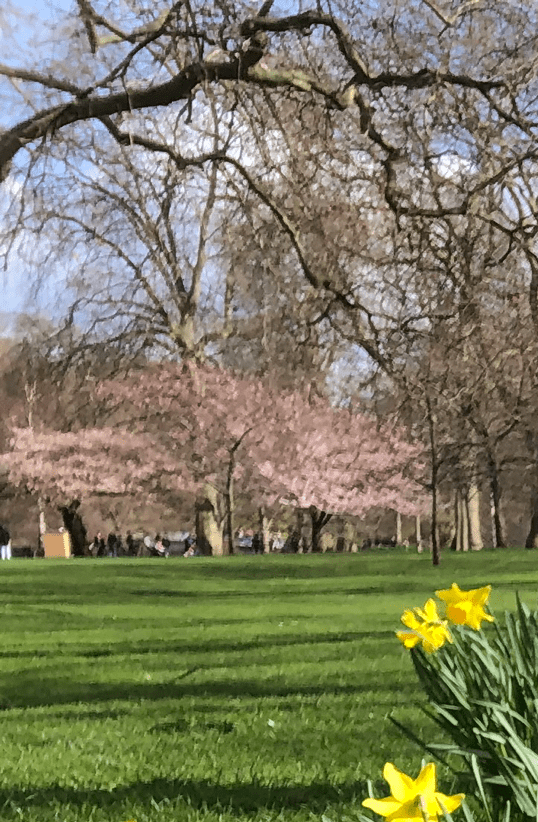
Hanami or blossom watching is a practice that has been adopted from Japan. The blossom of trees is both beautiful and short-lived. Blossom watching is to consciously take the time to enjoy  this transient delight. Already here in London the first trees are beginning to blossom whilst below them the crocuses are being being replaced by daffodils. 

 Counting on…day 120

12th March 2022

Litter is a form of pollution. It is an eye sore; if ingested by animals it can cause them pain and death; if it blocks drains it can cause flooding; if it blows into streams and rivers it can be ingested by fish etc. Overtime plastic waste breaks down into smaller particles which pollutes both air and water and which is already being found within the metabolism of humans and creatures. 

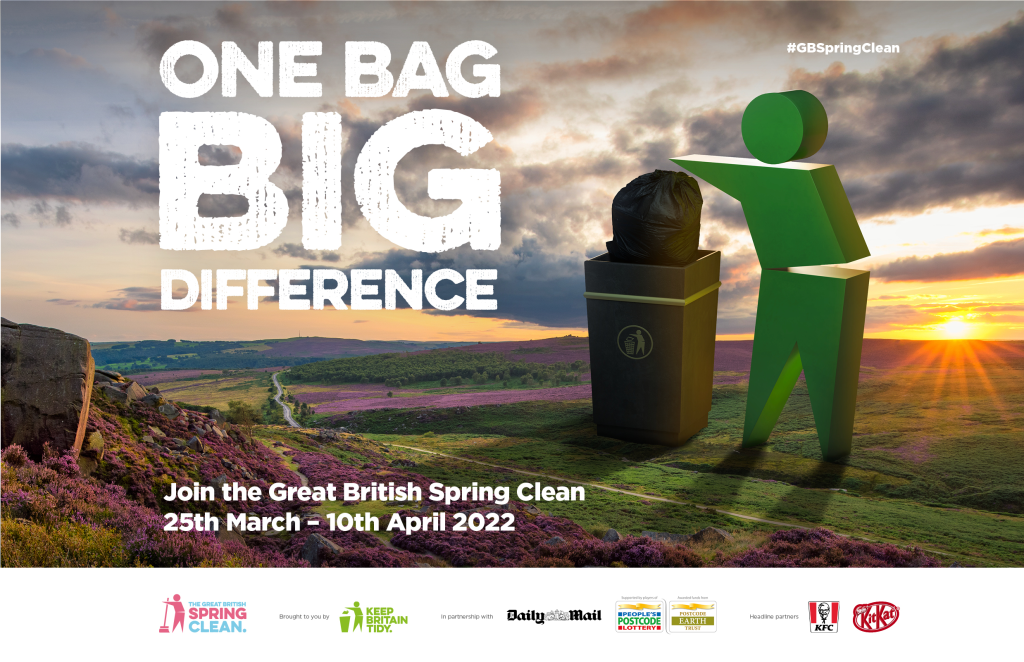
25th March – 10th April is dedicated to the Great British Spring Clean when participants are encouraged to go out and pick up litter. Why not give it a go?

https://www.keepbritaintidy.org/get-involved/support-our-campaigns/great-british-spring-clean

 Counting on …. Day 119

11th March 2022

The crisis in Ukraine has highlighted our dependency on oil and gas, whilst at the same time the IPCC is again highlighting the urgent need to rapidly reduce our carbon emissions. This is the time to cut back on our use of fuel for heating homes and water, and for driving cars. We can also contribute by cutting back on flights and imported goods, rather aiming to shop locally.

Counting on … day 118 

10th March 2022

Spring is a good time for foraging. Plants are beginning to sprout and it is often the newest, youngest leaves or shoots that are sweetest. Our garden is a quasi wild garden, so I can forage there for dandelion leaves – good for salads, or for use as spinach – and nettles whose young leaves are good in soups. 

Nettles are an important food for various caterpillars. Dandelion flowers are an important food source for various insects including bees, whilst their seeds are popular with goldfinches. 

Counting on …day 117 

9th March 2022

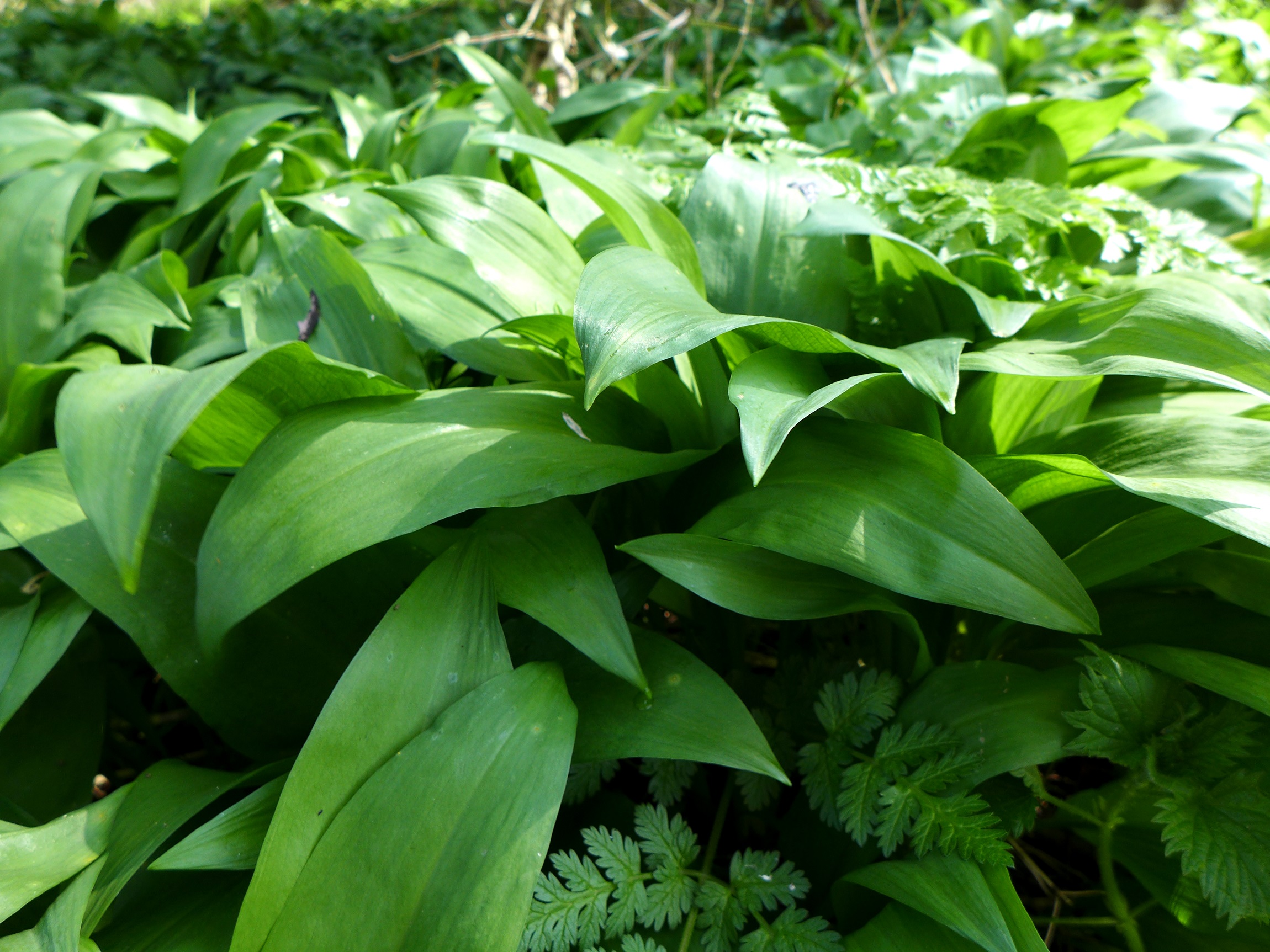
Throughout the year there are seasonal vegetables that suddenly pop up – either in the garden or in the shops. Things that give a little lift and excitement to the everyday. This week it was the first wild garlic leaves which if you love in rural areas you can pick fresh from hedgerows. Wild garlic is also known as ransom. If you plant them in your garden bear in mind that they spread and grow rapidly 

Counting on …day 115 

7th March 2022

Another potential garden pest is the aphid. There are about 500 different types of aphid in the UK, most of whom are partial to a particular type of plant: eg the mealy cabbage aphid likes brassicas, the black bean aphid likes broad beans,  and the plum leaf-curling aphid likes plum trees. Whilst they can damage young leaves that one hoped to eat, they do not diminish the  productivity of the plant as much as one would expect. On the other hand aphids do provide food for a large number of other insects – Lady birds, hover flies, lace wings, wasps, earwigs, and beetles. These insects themselves are a source of food for other creatures such as small birds. In other words aphids are an important part of the food chain and an important contributor to biodiversity. 

The RHS recommend various ways of curtailing aphids should that be necessary – eg early in the season when there are fewer predators at hand to keep numbers in check. https://www.rhs.org.uk/biodiversity/aphid-predators